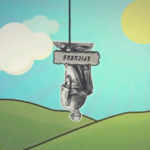
BBC六分钟英语|为什么亿万富翁纷纷开建“末日地堡”?

英音听力|BBC & 经济学人等

Why are billionaires building bunkers? Neil Hello and welcome to 6 Minute English from BBC Learning English. I'm Neil, and today we're joined by Hannah from the What in the World podcast. Hannah Hey Neil! It's great to be back. So, Neil, do you think you're good at preparing for the future or for unexpected events? Neil Hmm... Reasonably good, I suppose. It depends what kind of event we're talking about. Hannah All kinds of events. Now, I think I'm pretty organised, but I only have enough food to last me about a week. And today we're talking all about preppers. A prepper is someone who believes that disaster is likely to happen soon, and so they prepare for it. A prepper might learn survival skills or they might build a bunker – an underground shelter. Neil Yes, and recently, many famous billionaires from the tech industry have made the news for building luxury bunkers. So, what these bunkers need to do is to keep you safe from danger, but they're also like something out of a spy film. They're huge and they've got cool features, like gyms or home cinemas. They allow someone to live a comfortable life while staying safe from danger. Hannah A very comfortable life. We're going to be talking about these luxury bunkers, the people building them and what they're so afraid of. But first, Neil, I've got a question for you. Mark Zuckerberg, the CEO of Meta, which owns Facebook, Instagram and WhatsApp, is building a property in Hawaii which is reported to include a huge underground bunker. So, Neil, how much is he reportedly spending on the project? Is it: a) $10 million, b) $50 million, or c) $100 million? Neil Well, Hannah, I don't know, but he's a pretty rich guy so I think 100 million. Hannah Well, I will reveal the answer at the end of the programme. Neil Hannah, you've been looking into these luxury bunkers, like the one Mark Zuckerberg is reported to be building, on What in the World. What have you discovered? Hannah Well, I was joined by BBC reporter Nathalie Jimenez to talk about preppers, and I started off by asking whether she had ever considered building a bunker and preparing for disaster. Nathalie Jimenez I love this question because I've actually been thinking about it for a while. Fun fact... Hannah Have you? You're a prepper! Nathalie Jimenez Yes! When you watch TV in the US – when you turn on a, kind of, US TV channel – what happens is that there's usually some ads about freeze-dried food. I'm not kidding. They pop up quite regularly and it's all about, kind of, the prepper mentality. What are you going to do when the apocalypse happens? Neil Nathalie has thought about building a bunker and getting prepared because she sees adverts for freeze-dried food that would last a long time, on TV in the US. When she talks about the adverts, she says, "I'm not kidding," which means, "I'm not joking." Hannah Nathalie says that these adverts are part of the prepper mentality. A mentality is a person's way of thinking about things. So, the prepper mentality would mean thinking about things like a prepper. Neil Part of the prepper mentality is to question what you would do if the apocalypse happens. An apocalypse refers to a serious event which causes destruction and change. Hannah So, lots of people do think about preparing for bad things. Nathalie's thought about it, and for tech billionaires like Mark Zuckerberg, they're able to spend a lot of money preparing for disaster. So, do you think they know something we don't? What are they preparing for? Let's hear from Nathalie again, speaking to me on What in the World. Nathalie Jimenez So, the reasons include nuclear tensions, AI risk, climate disaster – essentially any world-ending event. But secondly, it's also a mark of societal status. So, no matter what happens, no matter what comes our way, if you're a tech billionaire, you're going to be able to live through that comfortably without compromising your lifestyle, without compromising the standard that you have. So, because these tech billionaires are essentially building the future, the fact that they're so afraid of it, quote-unquote, is telling within itself. Neil So, while tech billionaires are worried about things like climate disaster or AI, Nathalie says that luxury bunkers are also a mark of social status, or status, as we would say in the UK. Someone's status is the amount of respect or importance given to them by other people. Hannah With their bunkers, tech billionaires would be able to survive without compromising their luxury lifestyle. That means without lowering their standard of living. Neil OK. So, now I need to know the answer to that quiz question you gave me, Hannah. Hannah Yes, Neil. So, my question was: Mark Zuckerberg, the CEO of Meta, is building a property in Hawaii, which is said to include a huge underground bunker – how much is he reported to be spending on the project? 📝 字数限制,完整文本,词汇表,翻译及pdf见公众号【琐简英语】,回复1可加入【打卡交流群】

5分钟
1k+
1个月前

BBC Ideas|我们都是隐藏的“享乐主义者”吗?

英音听力|BBC & 经济学人等

Are we all secret hedonists ?​ Hedonism is the philosophy of living your life to experience pleasure and avoid pain, so, if you're watching this while lying on a chaise longue and eating sweets, you're probably a hedonist. Oh, unless you hate sugar, in which case, you're probably a masochist, and that is another film. The word hedonism comes from the ancient Greek hedone, meaning pleasure and some of the earliest recorded hedonists were Greek: Democritus, Aristippus, and most famously, the 4th century BCE philosopher Epicurus. Although Epicurus was less of a thrill-seeker than his hedonism implies. For Epicurus the best human condition was a state which he called ataraxia, meaning tranquility. Epicurus believed that small pleasures were more likely to bring us tranquility than earth-shattering pleasures, and it's easy to see his point. If you find pleasure in a glass of wine with friends at the end of a day, that will be relatively easy to achieve. Crucially for the epicurean thinker, that means it will also be easy to avoid the pain of not being able to have something you desire, a pain which would upset your state of ataraxia. But if you are only satisfied with vintage champagne, that might not be so easily found. You might not be able to afford it, or the bar where your friends are meeting might not serve it, or the vintage might have run out, because you have drunk it all on previous hedonistic nights out. Your likelihood of experiencing pain goes up as you become more exacting in your standards of what you need to bring deep pleasure. So, although hedonism assumes that we seek out pleasure and avoid pain at all times, it might, be worth remembering that more modest pleasures can be easier to find and that might bring you less pain in the long term, the true hedonist score. And while we might not always think of ourselves as pleasure seekers every time we sit on a comfy chair rather than a bed of nails, we are making a hedonistic choice. Now, if you'll excuse me, I must get back to my sweets. 词汇表 hedonism [ˈhiːdənɪzəm] n. 享乐主义,快乐主义(以追求快乐、避免痛苦为核心的人生哲学) chaise longue [ˌʃeɪz ˈlɒŋ] 躺椅,贵妃椅,长靠椅 hedonist [ˈhiːdənɪst] n. 享乐主义者,快乐主义者 masochist [ˈmæsəkɪst] n. 受虐狂(从痛苦中获得快感的人) hedone [hɪˈdəʊni] n. 愉悦,快乐(古希腊语源) Democritus [dɪˈmɒkrɪtəs] n. 德谟克利特(古希腊哲学家) Aristippus [ˌærɪˈstɪpəs] n. 亚里斯提卜(古希腊哲学家) Epicurus [ˌepɪˈkjʊərəs] n. 伊壁鸠鲁(古希腊哲学家) thrill-seeker [ˈθrɪl siːkə(r)] n. 追求刺激者 ataraxia [ˌætəˈræksiə] n. 心平气和,心神安定,平静(古希腊哲学概念) tranquility [træŋˈkwɪləti] n. 安宁,平静,宁静 earth-shattering [ˈɜːθ ˌʃætərɪŋ] adj. 惊天动地的,震撼性的,极其重大的 epicurean [ˌepɪkjʊˈriːən] adj. 伊壁鸠鲁(学派)的,享乐主义的 vintage champagne [ˈvɪntɪdʒ ʃæmˈpeɪn] 年份香槟(单一年份采收的葡萄酿造的香槟) hedonistic [ˌhiːdəˈnɪstɪk] adj. 享乐主义的,快乐主义的,纵情享乐的 likelihood [ˈlaɪklihʊd] n. 可能,可能性 exacting [ɪɡˈzæktɪŋ] adj. 严苛的,苛求的,费力的 modest [ˈmɒdɪst] adj. 质朴的,朴素的,适度的 score [skɔː(r)] n. 门道,真相,实情 comfy chair [ˈkʌmfi] 舒适的椅子 a bed of nails [neɪlz] 钉床(比喻艰难痛苦的处境) 💡 视频、翻译和pdf见公众号【琐简英语】,回复"1"可进【打卡交流群】

1分钟
1k+
1个月前

BBC随身英语|金钱能买来幸福吗?

英音听力|BBC & 经济学人等

Can money make you happy? What would make you happy? Really happy? A nice holiday, lazing on a tropical beach? Maybe a blowout meal with friends at a swanky restaurant? Or possibly splashing out on a pair of the latest designer jeans? All these pleasures cost money, so does that mean we need lots of cash to feel good, or does the old saying 'money can't buy happiness' still ring true? This well-worn adage has been put to the test by scientists in Canada. They found that when used in the right way, money can bring us happiness. They discovered that when you use money to free up time, by paying someone to do your chores for example, you are happier. In an experiment, individuals reported greater higher life satisfaction if they used $40 to save time rather than spend it on material goods such as a new pair of shoes. But surprisingly, the researchers found that fewer than a third of individuals spent money to buy themselves time each month. In our hectic lives, time is one thing we seem to be short of. People are reporting a 'time famine', where they get stressed over the daily demands on their time. Psychologists say stress over lack of time causes lower well-being and contributes to anxiety and insomnia. But in many countries now, as incomes are rising, there is an option to buy more time. This can be through hiring a cleaner to clean your house or outsourcing your ironing to someone else – giving us valuable extra hours to do the things we want to do. And in many forward-thinking companies, staff are given the opportunity to buy more time off or work flexibly. Professor Dunn, who worked with colleagues at Harvard Business School, Maastricht University and Vrije Universiteit Amsterdam, says that "money can in fact buy time. And it buys time pretty effectively… and so my take home message is, 'think about it, is there something you hate doing that fills you with dread and could you pay somebody else to do that for you?' If so, then science says that's a pretty good use of money.'' I would agree that buying more time makes me feel happier and more relaxed. But making time a priority over making money does come at a price; you have less cash to spend on the things you now have time to do. However there's another old saying that 'life is short and time is swift' so there's no time to waste and there's more to life than doing tedious housework! 词汇表 laze [leɪz] vi. 懒洋洋地躺卧;享受,消磨(时光) blowout [ˈbləʊaʊt] n. 盛宴,大餐 swanky [ˈswæŋki] adj. 豪华的,奢华的,时髦的 splash out [splæʃ] 挥霍,花大笔钱 designer [dɪˈzaɪnə(r)] adj. 名师设计的,名牌的 ring true 听起来是真的,令人信服,言之有理 well-worn [ˌwel ˈwɔːn] adj. 老生常谈的;用旧的 adage [ˈædɪdʒ] n. 谚语,格言 put to the test 使受考验,验证,检验 free up 释放,腾出(空间或时间) chore [tʃɔː(r)] n. 琐事,家务,杂活 material goods [məˈtɪəriəl ɡʊdz] 物质商品, 实物商品 hectic [ˈhektɪk] adj. 忙碌的,繁忙的 time famine [ˈfæmɪn] 时间荒,时间匮乏(长期感觉时间紧迫、不够用的状态) insomnia [ɪnˈsɒmniə] n. 失眠,失眠症 cleaner [ˈkliːnə(r)] n. 保洁员,清洁工 outsource [ˈaʊtsɔːs] vt. 把(工作)外包,将…交给他人处理 ironing [ˈaɪənɪŋ] n. 熨烫,要熨烫的衣物 forward-thinking [ˈfɔːwəd ˈθɪŋkɪŋ] adj. 前瞻性的,思想超前的,有远见的 work flexibly [ˈfleksəbli] 弹性工作,灵活工作 take home message 核心要点,关键信息 dread [dred] n. 畏惧,恐惧,忧虑 making sth. a priority over [praɪˈɒrəti] 将置于…之上,优先考虑某事 come at a price 需要付出代价,是有代价的 life is short and time is swift 人生苦短,光阴易逝;生命短暂,时光飞逝 tedious [ˈtiːdiəs] adj. 繁琐的,单调乏味的 📖 翻译、pdf见公众号【琐简英语】,回复"1"可进【打卡交流群】

2分钟
1k+
1个月前

Do you really know|什么是“睡眠完美主义”?

英音听力|BBC & 经济学人等

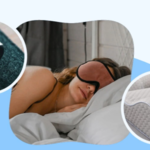
What is orthosomnia? Nearly one in three adults in the UK experience symptoms of insomnia. On average, adults in the UK get around 7.6 hours sleep per night. In recent years, the popularity of gadgets designed to track and improve your sleep has surged. However, this growing focus on achieving perfect sleep has given rise to a new issue, orthosomnia. What is orthosomnia? It's an obsession with achieving perfect sleep. Derived from the Greek words for correct, ortho and sleep, somnus. Smart watches, fitness trackers and more advanced gadgets like connected sleep masks or mattress sensors track sleep patterns and stages such as REM and deep sleep. According to The Guardian in October 2024, the sleep monitor industry was valued at £270 million annually, reflecting the growing fascination with these detailed sleep metrics. But isn't that a good thing? Well, it can be. Tracking your sleep can encourage better habits, but it's a slippery slope into obsession. The data from these trackers isn't always accurate. It's based on algorithms, after all. In fact, constantly chasing those sleep goals can backfire. Research published in the Journal of Clinical Sleep Medicine found that people dissatisfied with their tracker's data could become irritable or even experience memory and attention issues. It's not the actual sleep that's the problem. It is the stress over the numbers. Why do we think we need eight hours of sleep? Many people fixate on getting exactly eight hours of sleep, but that's just an average. It's not a one-size-fits-all rule. Some people naturally need more or less. According to sleep experts, the real key is paying attention to how you feel during the day. Are you in a good mood? Do you have enough energy? Are you healthy? These are better indicators than any app or tracker. Most adults need somewhere between 7 and 9 hours of sleep. The exact number depends on the individual. So instead of stressing over your sleep tracker's report, listen to your body. It knows best. There you have it. 词汇表 insomnia [ɪnˈsɒmniə] n. 失眠,失眠症 gadget [ˈɡædʒɪt] n. 小器具,小装置,智能设备 surge [sɜːdʒ] vi. 激增,急剧上升 orthosomnia [ˌɔːθəʊˈsɒmniə] n. 睡眠完美主义,完美睡眠症(对实现完美睡眠的痴迷) obsession [əbˈseʃn] n. 痴迷,执念,强迫观念 be derived from [dɪ'raɪvd] 源自,来源于 ortho- [ˈɔːθəʊ] (前缀)正确的,直的 somnus [ˈsɒmnəs] n. (拉丁语)睡眠 smart watch 智能手表 fitness tracker [ˈfɪtnəs ˈtrækə(r)] 健身追踪器,运动监测设备 connected sleep mask 智能睡眠眼罩,联网睡眠眼罩 mattress sensor [ˈmætrəs ˈsensə(r)] 床垫传感器 REM 快速眼动睡眠(Rapid Eye Movement) fascination [ˌfæsɪˈneɪʃn] n. 着迷,入迷,魅力 detailed sleep metrics [ˈmetrɪks] 精细睡眠指标 slippery slope [ˈslɪpəri sləʊp] 滑坡效应,一发不可收拾,越陷越深 algorithm [ˈælɡərɪðəm] n. 算法 backfire [ˌbækˈfaɪə(r)] vi. 产生事与愿违的结果,适得其反 irritable [ˈɪrɪtəbl] adj. 易怒的,暴躁的 fixate on [fɪkˈseɪt] 执着于,专注于 one-size-fits-all [ˌwʌn saɪz ˈfɪts ɔːl] adj. 通用的,一刀切的,一体适用的 indicator [ˈɪndɪkeɪtə(r)] n. 指标,标志,迹象 🪴翻译和pdf见公众号【琐简英语】,回复"1"可进入【打卡交流群】

2分钟
1k+
1个月前

BBC随身英语|为何我们在冬天偏爱“慰藉食物”?

英音听力|BBC & 经济学人等

Why do we love comfort food in winter? Warning! This article could be bad for your health! As many of us endure the long, cold winter, we are tempted to tuck into some filling and fattening foods. This is sometimes because it helps us to keep warm and to give us energy, but often it's because we need something to cheer us up. And, for a short while at least, it makes us feel better – which is why we call it 'comfort food'. The type of food that makes us feel good varies from person to person – it depends on your palate and the association you have with particular tastes, textures and smells. But probably the most universally popular edible comforter is the biscuit. It's thought this go-to snack often brings back happy memories of childhood and family, as well as giving us that all-important sugary pick-me-up. Moving on from the sweet and sugary snacks, famous chef and food writer Mary Berry knows about the kind of meals that warm us up and give us comfort in the winter. She told BBC Food magazine: "I think it becomes natural to think about comfort food as soon as the weather chills and the nights become darker." She suggests soup and warming foods as feel-good winter treats. The other thing about comforting dishes like mac and cheese, noodles or pizza is they don't require culinary skills in the kitchen; they are easy to make so you can get your fix of feel-good food quickly. However, we often feel so good that we eat too much, and even though we know the ingredients are high in carbohydrates, sugar or salt, we continue to pig out. Psychologist Shira Gabriel told the BBC: "We feel guilty because we don't realise that what's happening is our minds are finding a way to trigger a really positive emotion and they're making us eat that food to do so." Maybe we should take comfort from the fact that eating certain food just makes us feel happy. But, for some people, eating any kind of food brings joy, warmth, happiness and comfort. 词汇表 endure [ɪnˈdjʊə(r)] vt. 忍受,忍耐 be tempted to [ˈtemptɪd] 禁不住,忍不住(做某事) tuck into [tʌk] 痛快地吃,尽情享用 filling [ˈfɪlɪŋ] adj. 能填饱肚子的,饱腹感强的 fattening [ˈfætnɪŋ] adj. 使人发胖的,增肥的 comfort food 慰藉食物,暖心食物,治愈系食物 palate [ˈpælət] n. 味觉,品味,品尝力 texture [ˈtekstʃə(r)] n. 口感,质地 edible comforter [ˈedəbl ˈkʌmfətə(r)] 可食用的慰藉物,慰藉食物 go-to snack [ˈɡəʊ tuː snæk] 首选零食,常备零食 all-important [ˌɔːl ɪmˈpɔːtnt] adj. 至关重要的,极重要的 pick-me-up [ˈpɪk miː ʌp] n. 令人振奋的东西,提神物(尤指食物、饮料或活动) chill [tʃɪl] v. (使)变冷,冷却 feel-good [ˈfiːl ɡʊd] adj. 令人愉悦的,使人感觉良好的 mac and cheese [ˌmæk ən ˈtʃiːz] 芝士通心粉 culinary skills [ˈkʌlɪnəri] 烹饪技巧,厨艺 get your fix 获得满足,过把瘾,解馋 carbohydrate [ˌkɑːbəˈhaɪdreɪt] n. 碳水化合物,糖类 pig out 狼吞虎咽,大吃特吃 take comfort from 从…中获得慰藉,从…中感到欣慰 📖 翻译、pdf见公众号【琐简英语】,回复"1"可进【打卡交流群】

2分钟
2k+
1个月前

BBC Media|研究发现深海采矿使海洋生物减少37%

英音听力|BBC & 经济学人等

Study: Deep-sea mining cuts ocean life by 37% At the heart of the deep-sea mining controversy is a difficult problem. The world needs critical minerals to tackle climate change but extracting them from the sea floor could cause serious environmental harm. This research by the Natural History Museum and National Oceanography Centre analysed the impact of trial mining in the Pacific Ocean. It found that where the mining vehicle had harvested minerals, the number of animals living in the area was reduced by 37%. The deep ocean is barely explored, and many scientists worry it harbours vital life that could be lost if mining goes ahead. The mining firm The Metals Company commissioned the research. A spokesperson said they were encouraged by findings that animals outside of the directly mined areas were not affected. 词汇表 heart n. 核心,重点,中心 deep-sea mining [ˌdiːp ˈsiː ˈmaɪnɪŋ] 深海采矿 controversy [ˈkɒntrəvɜːsi] n. 争议,争论 critical minerals [ˈkrɪtɪkl ˈmɪnərəlz] 关键矿物,重要矿产 tackle [ˈtækl] vt. 应对,处理,解决 extract [ɪkˈstrækt] vt. 提取,开采 sea floor 海底,海床 oceanography [ˌəʊʃəˈnɒɡrəfi] n. 海洋学 trial mining [ˈtraɪəl ˈmaɪnɪŋ] 试验性采矿,试采 Pacific Ocean [pəˈsɪfɪk ˈəʊʃn] 太平洋 harvest [ˈhɑːvɪst] vt. 采集,收获,收割 harbour [ˈhɑːbə(r)] vt. 蕴藏,藏有,为…提供栖息地 commission [kəˈmɪʃn] vt. 委托,委任 spokesperson [ˈspəʊkspɜːsn] n. 发言人,代言人 🗒️翻译和pdf见公众号【琐简英语】,回复1可加入【打卡交流群】

1分钟
1k+
1个月前

Do you really know|巴纳姆效应:为什么星座运势那么准?

英音听力|BBC & 经济学人等

The Barnum effect: Why horoscopes feel so personal? Have you ever felt like your horoscope was written just for you? Or a fortune cookie's advice seemed incredibly relevant? You may be surprised, but it's actually not such a coincidence after all. This psychological phenomenon is known as the Barnum effect. It's a cognitive bias that occurs when people believe that generic personality descriptions and statements apply specifically to them. It may explain how practices such as astrology, fortune telling and personality tests have become relatively accepted despite lacking any basis in fact. Of course, people offering such services may not be aware of the Barnum effect label, but many understand how it works and seek to exploit it for their gain. Where does the name come from? P.T. Barnum was an American entertainer and entrepreneur who founded the Barnum Circus in 1871. According to explorepsychology.com, Barnum used the formula, always have a little something for everybody, to explain his success. But it was only in 1956 that the term Barnum Effect was coined, with psychologist Paul Meehl putting it forward in an essay to express his frustration at patients being told statements that could apply to anyone. In academic fields, the Barnum effect is more often referred to as the Forer effect, or subjective validation. In 1948, Bertrand Forer asked his psychology students to complete a personality test. A week later, he handed out their personalized assessments. In reality though, there was nothing personalised about them. Regardless of what they had answered, all students received the exact same 13 statements on their personality vignette. These included, you have a great need for other people to like and admire you, and, while you have some personality weaknesses, you are generally able to compensate for them. So the professor was slacking rather than the students on that occasion, then? Well, actually, Forer proceeded to ask each student to rate how well their assessment could apply to their personality. On a scale from 0 to 5, the result was an average of 4.3, meaning for the most part the students saw their vague assessments as accurate. Only afterwards did he reveal the real reason behind the test. He would go on to publish his findings in the Journal of Abnormal and Social Psychology under the title, The Fallacy of Personal Validation, A Classroom Demonstration of Gullibility. Forer's test was in the interest of academia, but unfortunately some people do use the Barnum effect to trick others. Like who, for example? Well, aside from the fortune tellers and astrology gurus we alluded to earlier, you've also got brands and their marketing teams who are constantly looking for ways to get their customers spending more. They want consumers to feel like they are being spoken to directly, thus creating a false sense of exclusivity. When customers are made to believe they have been selected to receive special deals or ads, they may feel that the brand resonates with them personally. This kind of supposedly personalized content may take the form of emails, recommendations, and invitations to register an account. It's definitely important to be aware that the Barnum effect exists, and that it distorts the way we perceive information. There you have it. 词汇表 horoscope [ˈhɒrəskəʊp] n. 星座运势,占星术 fortune cookie [ˈfɔːtʃuːn ˈkʊki] 幸运饼干,签饼(内含预测运气小纸条的中餐馆饼干) Barnum effect [ˈbɑːnəm ɪˈfekt] 巴纳姆效应(认为普遍适用的描述与自己特别贴切的心理现象) cognitive bias [ˈkɒɡnətɪv ˈbaɪəs] 认知偏差 generic [dʒəˈnerɪk] adj. 通用的,泛泛的,普遍的 astrology [əˈstrɒlədʒi] n. 占星术,占星学 fortune telling [ˈfɔːtʃuːn ˈtelɪŋ] 算命,占卜 exploit [ɪkˈsplɔɪt] vt. 利用,开发,剥削 formula [ˈfɔːmjələ] n. 法则,公式,配方 coin [kɔɪn] vt. 创造,提出(新词) Forer effect / subjective validation [ˈfɔːrə][ˌvælɪˈdeɪʃn] 福勒效应,主观验证(巴纳姆效应的学术名称) vignette [vɪnˈjet] n. 简介,简述,简评 slack [slæk] vi. 偷懒,懈怠 proceed to [prəˈsiːd] 继续做,着手进行 vague [veɪɡ] adj. 模糊的,含糊的,不明确的 fallacy [ˈfæləsi] n. 谬误,谬论,错误见解 gullibility [ˌɡʌləˈbɪləti] n. 轻信,易受骗 academia [ˌækəˈdiːmiə] n. 学术界,学术工作 fortune teller [ˈfɔːtʃuːn ˈtelə(r)] 算命先生,占卜师 guru [ˈɡʊruː] n. 大师,专家,权威 allude to [əˈluːd] 暗指,提及,间接提到 exclusivity [ˌekskluːˈsɪvəti] n. 独有性,排他性,专属感 resonate with [ˈrezəneɪt] 与…产生共鸣,契合 supposedly [səˈpəʊzɪdli] adv. 据说,据称,所谓地 distort [dɪˈstɔːt] vt. 扭曲,歪曲,使变形 🪴翻译和pdf见公众号【琐简英语】,回复"1"可进入【打卡交流群】

3分钟
1k+
1个月前

BBC六分钟英语|你害怕开口说英语吗?

英音听力|BBC & 经济学人等

Scared of speaking English? Pippa Hello and welcome to 6 Minute English from BBC Learning English. I'm Pippa. Beth And I'm Beth. Have you ever been scared of speaking in English? In this episode, we're talking about why speaking in a foreign language can be so stressful. So, Pippa, do you ever get nervous speaking in a different language? Pippa Yes, I learnt French when I was younger and I was actually quite good at it, I think, but I was really nervous when I was speaking French. How about you? Beth Yeah, I've always felt like that with Spanish. I am scared to speak because I don't want to make mistakes, even though I know it's OK to make mistakes. Pippa Well, in this episode, we'll be hearing about how to feel less nervous when you speak English. Beth But first I have a question for you, Pippa. So, English has around one million words, but on average, how many words does a typical English speaker use in daily conversation? Is it a) between 2000 and 3000? b) between 20000 and 30000. Or c) between 200000 and 300000. Pippa I'm going to say a) 2000 to 3000. Beth OK. Well, we will find out later in the programme. Now, Pippa, you said you found it stressful speaking in French, even though you are quite good at it. Now, someone else who has had this experience is Hanan Razek. Hanan is a journalist at BBC Arabic and also host of the podcast Beating Speaking Anxiety. Here she is telling BBC Learning English presenter Georgie about speaking English. Hanan My English was actually pretty good but having conversations with people, I found it really difficult. So when I first joined the BBC, the Learning English team made an assessment of my English level, which they used to do for all new joiners to see if they need any help or courses. My results were pretty good and I was fluent. But on that very same day, leaving the building and going to get some coffee, I couldn't really understand what the barista was saying, and I felt pretty nervous to order coffee and was trying to stress every single word, hoping that my grammar is correct and I am pronouncing the words right. Georgie Yeah, I'm sure that's a situation lots of people can relate to. Pippa Hanan's results on her English assessment were pretty good, but she was still pretty nervous to speak in English, for example when ordering a coffee in English. The modifier pretty means quite or a bit. Beth Georgie says that Hanan's experience is something that lots of people can relate to. If you relate to a situation, you know what it feels like, usually because a similar thing has happened to you. Pippa So lots of people feel nervous speaking another language, even if they're good at it, like Hanan We can call this speaking anxiety. Anxiety means an uncomfortable feeling or worry about something that is happening or could happen in the future. Beth So why do so many people have anxiety about speaking a foreign language? Experts think it's connected to the beliefs we have about ourselves. Han Luo, professor of Chinese at Lafayette College in the United States, explains more to BBC Learning English presenter Georgie. Han Luo You know, usually the beliefs that cause anxiety, especially severe anxiety, are, we call it irrational beliefs. And also like, uh, some low self-perceptions, um, fear of negative evaluation, all those learner internal, you know, factors. Georgie And Han says that learners worry about mistakes because they're scared of negative evaluation. In other words, that people will judge them for their mistakes and think badly of them. Pippa Han argues that irrational beliefs can make us anxious. Irrational beliefs are beliefs that aren't based on things that are true. They're not logical. Beth Han says some people who have speaking anxiety have low self-perceptions. Your self-perception is what you think about yourself. Pippa Self-perception and irrational beliefs are both internal factors. They come from inside your head, not from the people around you. Beth So, for example, when you speak your first language, you might feel confident and intelligent, but when you speak in a new language, you make mistakes and feel less confident. You can't show people what you're really like, and this is frustrating. Pippa But as we tell people all the time at BBC Learning English, mistakes are normal. You have to try to speak, even though you make mistakes, and mistakes can be a good thing. They can help us learn. But Beth, I think it's time for the answer to your quiz question. Beth Yes, I asked you how many words does the average English speaker use in daily communication? The answer is 20000 to 30000. 📝 字数限制,完整文本、词汇表、翻译及pdf见公众号【琐简英语】,回复1可加入【打卡交流群】

5分钟
2k+
1个月前

The School of Life|痛苦如何教会我们体会小美好?

英音听力|BBC & 经济学人等

How does suffering teach us to appreciate small joys? There's an apparent paradox in the way that the longer we have lived, the more appreciation we tend to develop for very small and rather undramatic things: a moment in the kitchen with a square of dark chocolate, a walk to work, the first shoots in the garden in January, a weekend with no obligations, a very hot bath, conspiratorial laughter with a friend, a new book. These things matter more rather than less even as our experience of the outer world and its people and places keeps increasing. Relentless appetites for scale and outward excitement. We want to bestride the world, leave a mark and meet soulmates. We get bored in minutes in the most majestic settings. We take the greatest mysteries in our stride. We seldom stop by the side of the road to think or look. But at some point, the direction of ambition reverses – and what tends to initiate the change is pain. The more challenging existence as a whole becomes, the more we get to know about love, sickness, infighting, intransigence, career reversal and political turmoil, the more we may appreciate what remains pure and hopeful, despite its modest appearance or lack of obvious glamour. Our respect for a fig, a moment of calm and a kind but unexciting friend is underpinned by memories of nights of crying, months lost to argument and instances of untrammelled despair in the bathroom in the darkness. It is difficulty that catalyses our interest in and respect for gardening or a painting of a lake in autumn, the lifecycles of ducks or an article on the moons of Jupiter. It's people who have known far more than they ever wanted about dementia, cancer, employment law, divorce and mental institutions, who are the great appreciators of blossom, empty days, train journeys and the moon above the house on warm evenings. To a five-year-old, it's just another ice cream and another sunny day. To the grandparent sitting with them, everything is close to supernatural: the tiny fingers, the small plump body, their child who is now a parent loading up the car, the sound of a House Finch somewhere in a tree. The child – if they are fortunate – has no sense of the fragility of everything and of the cruelty waiting in the wings. Who can properly delight in another scoop of vanilla and melted chocolate until they have – at best – three summers left. The simple wonders of the world are constantly being rediscovered; those at the vanguard of doing so are those who have first had to walk the corridors of hell. 词汇表 paradox [ˈpærədɒks] n. 悖论,自相矛盾的话 undramatic [ˌʌndrəˈmætɪk] adj. 不引人注目的,平淡的 a square of 一块,一片(巧克力,纸,布等) shoot [ʃuːt] n. 嫩芽,幼苗,新枝 obligation [ˌɒblɪˈɡeɪʃn] n. 责任,职责;必须要做的事情 conspiratorial laughter [kənˌspɪrətɔːriəl] 会心一笑,心照不宣的笑 relentless appetites [rɪˈlentləs ˈæpətaɪts] 无尽的欲望,难以满足的渴望 bestride [bɪˈstraɪd] vt. 跨骑,驾驭;支配,主宰 majestic [məˈdʒestɪk] adj. 壮丽的,宏伟的,庄严的 take something in one's stride [straɪd] 习以为常,从容应对,泰然处之 infighting [ˈɪnfaɪtɪŋ] n. 内斗,内讧,暗斗 intransigence [ɪnˈtrænzɪdʒəns] n. 不妥协,顽固 reversal [rɪˈvɜːsl] n. 逆转,反转;挫折,失败 turmoil [ˈtɜːmɔɪl] n. 动荡,混乱,骚乱 modest [ˈmɒdɪst] adj. 朴素的,不张扬的,适度的 glamour [ˈɡlæmə(r)] n. 魅力,诱惑力,吸引力 fig [fɪɡ] n. 无花果;无价值的东西 be underpinned by [ˌʌndəˈpɪnd] 以…为基础/支撑,基于 untrammelled despair [ʌnˈtræmld dɪˈspeə(r)] 无边无际的绝望,无尽的绝望 catalyse [ˈkætəlaɪz] vt. 催化,促成,激发 moons of Jupiter [ˈdʒuːpɪtə(r)] 木星的卫星 dementia [dɪˈmenʃə] n. 痴呆症 mental institution [ˈmentl ˌɪnstɪˈtjuːʃn] 精神病院,精神卫生机构 appreciator [əˈpriːʃieɪtə(r)] n. 欣赏者,鉴赏者 blossom [ˈblɒsəm] n. 花,花朵;开花期 supernatural [ˌsuːpəˈnætʃrəl] adj. 超自然的,神奇的,不可思议的 plump [plʌmp] adj. 胖乎乎的,丰满的 load up the car 把东西装进车里 House Finch [fɪntʃ] (北美)家朱雀 fragility [frəˈdʒɪləti] n. 脆弱,易碎性 wait in the wings [wɪŋz] 潜伏在侧,伺机而动,准备就绪 a scoop of vanilla [skuːp vəˈnɪlə] 一勺香草(冰淇淋) vanguard [ˈvænɡɑːd] n. 先锋,先驱,前沿 corridors of hell [ˈkɒrɪdɔːz] 地狱的走廊,地狱般磨难(比喻极度痛苦、艰难的经历或环境) 🏫翻译,视频和pdf见公众号【琐简英语】,回复"1"可进入【打卡交流群】

2分钟
1k+
1个月前

BBC随身英语|“森林浴”能治愈现代压力吗?

英音听力|BBC & 经济学人等

Can forest bathing cure modern stress? How do you relax after a stressful day in the office? There are many remedies to help you unwind, but the best solution, according to some experts, lies in the great outdoors. It takes a little effort to get there but the benefits can be a perfect tonic for our stressed-out lives. I am talking about the activity of forest bathing. The Japanese concept of shinrin-yoku – or forest bathing – originates from the 1980s, when it was introduced as a national health programme by the country's government. Stressed Japanese workers are today still relaxing and reconnecting with nature. The Forest Therapy Society has certified 62 forest therapy sites in the country and the forest bathing movement is also gathering momentum in other parts of the world. It says: "Just as bathing in a hot spring helps to soak your cares away, going for a walk in the woods is said to have a soothing effect." If you're worried that bathing involves stripping off your clothes, don't be! This is about taking time to wander through woodland with no fixed plan or route and just immerse yourself in the forest atmosphere. Some health experts have said that having this exposure to nature seems to promote well-being and that's particularly good for people with mental health issues. A study conducted in 24 forests across Japan found that walking among trees lowered blood pressure, the pulse rate, and the levels of the hormone cortisol, which is released in response to stress. It also found phytoncides - chemicals emitted by trees - have an anti-microbial effect on humans, boosting our immune systems. Another study carried out a few years ago by Stanford University in the US, found similar benefits. Brain scans showed reduced activity in an area of the brain linked to the risk of mental illness in participants who took a 90-minute walk among oaks, birds and squirrels. One of the researchers, Gregory Bratman, told the BBC: "There's an increasing body of evidence showing that natural versus urban areas benefit us at least emotionally with our mood and possibly also our cognitive development too." The evidence seems clear that forest bathing is a shot in the arm for stressed-out workers, so now is the time to get out and lose yourself in the natural environment – you could even hug a tree as it could be your new best friend! 词汇表 remedy [ˈremədi] n. 治疗法,药物,解决办法 unwind [ˌʌnˈwaɪnd] vi. 放松,松弛 great outdoors 大自然,户外 tonic [ˈtɒnɪk] n. 补药,滋补品,使人振作的东西 stressed-out [ˌstrest ˈaʊt] adj. 极度紧张的,压力过大的 forest bathing [ˈfɒrɪst ˌbeɪðɪŋ] 森林浴(通过沉浸于森林环境中,与自然建立深度连接,来放松身心的活动) reconnect with [ˌriːkəˈnekt] 与…重新建立联系 certify [ˈsɜːtɪfaɪ] vt. 证明,认证,证实 gather momentum [ˈɡæðə məˈmentəm] 势头增强,发展加快 hot spring 温泉 soak one's cares away [səʊk] 洗去烦恼,借沐浴/泡澡来消除烦恼 soothing [ˈsuːðɪŋ] adj. 抚慰的,舒缓的,使人平静的 strip off [strɪp] 脱掉,剥除(衣物或外层物体) wander through 漫步于,穿梭在 woodland [ˈwʊdlənd] n. 林地,森林 immerse oneself in [ɪˈmɜːs] 沉浸于,融入,专心于 pulse rate [pʌls] 脉搏率(心脏每分钟跳动的次数) hormone cortisol [ˈhɔːməʊn ˈkɔːtɪsɒl] 皮质醇激素(压力激素) phytoncide [ˌfaɪtəʊnˈsaɪd] n. 植物杀菌素(植物释放的用于杀菌、防御的挥发性有机化合物) anti-microbial [ˌænti maɪˈkrəʊbiəl] adj. 杀菌的,抗菌的 immune system [ɪˈmjuːn] 免疫系统 oak [əʊk] n. 橡树,橡木 squirrel [ˈskwɪrəl] n. 松鼠 a body of evidence 大量证据,一系列证据 cognitive development [ˈkɒɡnətɪv] 认知发展 a shot in the arm 一剂强心针,令人振奋的事 lose oneself in 沉浸于,陶醉于 📖 翻译、pdf见公众号【琐简英语】,回复"1"可进【打卡交流群】

2分钟
2k+
1个月前

BBC六分钟英语|社交媒体是否让我们变得更不包容?

英音听力|BBC & 经济学人等

Is social media making us less tolerant? Neil Hello, this is 6 Minute English from BBC Learning English. I'm Neil. Beth And I'm Beth. Neil, when you're chatting with friends, do you usually have the same or different opinion on things going on in the world? Neil Ooh... well, that's interesting. I think I probably have quite similar opinions and that's, kind of, why we're friends. Beth Ah! Well, we might like to believe that we're accepting and tolerant of others' beliefs, but for many people it can be difficult to communicate with people who have very different opinions to our own. And this lack of acceptance could be increasing with our use of social media. For example, algorithms tend to show us what we already like and agree with. Neil Of course, we can't always agree with everyone else. We all have personal opinions and beliefs on topics like religion and politics. But some worry that it's becoming more and more common to react with violence when they disagree, than to solve disagreements together peacefully. Beth So, are we becoming a more divided society? Divided means in disagreement with and separated from others – to not be together. And how can we be more accepting and open to the opinions of others? That's what we'll be discussing in this programme and, as usual, we'll be learning some useful new words and phrases. Neil But first I have a question for you, Beth. According to a recent Ipsos poll, what percentage of the British population believes society is divided? Is it: a) 20%, b) 50%, or c) 80%? Beth Ooh... I'm going to say 50%. Neil Well, we'll find out the answer later in the programme. Paul Dolan, professor of behavioural science at the London School of Economics, thinks we should learn how to control our emotions and be open to discussions when we disagree. Here, he explains more about how to do this on BBC World Service programme All in the Mind: Paul Dolan Generally, we're going to be making better decisions, and more respectfully, if we calm down. It takes 15 minutes when you're proper aroused for the amygdala to calm down, but within a few seconds it can start calming down, right? You take a deep breath and you start feeling calmer. It's not to say that always being calm is good. Anger can be motivational and positive emotions actually can be very good for us. Generally, people make better decisions and are more engaging and more open when they're happier, but much of the time it will be just a case of calming down to try and take some of the heat out of the environment. Beth Paul thinks we should take time to calm down when we feel aroused, which here means to feel anger or strong disagreement. He said it takes 15 minutes for the amygdala, the part of the brain that experiences emotions, to calm down when we're aroused. Neil While anger can be motivational – make us more determined and enthusiastic – Paul says people can speak more openly when they're happier, when heat is taken out of the environment. Heat in this context means an intense feeling like anger. Beth Now, one recent dating experiment looked into what people say they want in an ideal partner according to their dating profile. Researchers found that many single people included details on things like what they want their partner to look like, their height, the political party they vote for, but many also say they want a partner who is open-minded and tolerant of different views. If you are open-minded, you're willing to listen to and consider new ideas. Neil However, the researchers concluded that while people want a partner to be open-minded and tolerant, they don't want to be very open-minded themselves. So, how can we be more open to getting to know people that we might disagree with? Here's Paul Dolan again, talking to presenter Claudia Hammond of BBC World Service's All in the Mind. Paul Dolan So, I guess one very obvious answer is to get offline. I mean, to actually just get out more and meet people because it's what political scientists think is the silver bullet. You know, the more you're around people that are different, the more you realise that actually they're not that different, and you become more tolerant and open-minded. So, being around people that are different – I think that's probably the way that we're going to tackle that problem. Neil Paul says political scientists think the silver bullet is to get offline and meet people. A silver bullet means a simple solution to a complicated problem. By meeting people who have different opinions and beliefs to you, the more you'll realise they're not that different to you at all. Beth And that could make you more accepting and lead to a society that is less divided. And speaking of divided, isn't it time you revealed the answer to your question, Neil? Neil Yes, I asked, "What percentage of the British population believes society is divided, according to a recent poll by the organisation Ipsos?" 📝 字数限制,完整文本,词汇表,翻译及pdf见公众号【琐简英语】,回复1可加入【打卡交流群】

5分钟
2k+
1个月前

Do you really know|如何判断一段友谊该不该结束?

英音听力|BBC & 经济学人等

How do I know when to end a friendship? Friendship is often said to be eternal, to withstand the test of time and distance. We expect friends to accept everything about us, but it's not always that simple. Just like any relationship, friendships can become complicated and sometimes toxic. Not all friendships are worth keeping, and certain signs can indicate when one is nearing its end. What does constitute a healthy friendship, then? Friendships should be a source of joy, support and personal growth. In a healthy friendship, both parties feel valued and respected. One key sign of a healthy friendship is mutual trust and honesty. Think about that friend who always has your back and who you can share your thoughts with without judgement. Someone you can call after you've had a tough day at work, who won't mind you venting. They listen without interrupting, empathise with your feelings and offer helpful advice. That's a healthy friendship in action. Are there certain criteria that give away when a friendship is dysfunctional? Indeed there are, and it's best to learn to trust your intuition in order to spot them. Red flags can include constant negativity, manipulation and a lack of reciprocity. If you find yourself always giving and receiving little in return, it might be time to re-evaluate the friendship. After all, experts say that toxic friendships can increase stress levels and negatively impact mental health. It's important to note that not every feeling of discomfort should be seen as a red flag. Sometimes those close to us make us uncomfortable because they notice things we don't even see ourselves. They may tell us some home truths in awkward situations, like when we have an abusive partner, a soul-sucking job, or have made bad decisions we just can't admit to. In other cases, the unease may stem from an imbalance in the friendship. Have you ever been in a friendship where you're the only one making an effort to check in or plan get-togethers? Another sign of an unequal relationship is when you feel emotionally drained by your friend. Any time spent together leaves you feeling exhausted afterwards. Sometimes we need to learn to recognise when a friendship is more taxing than it is beneficial. So what should I do if I realise a friendship is complicated and leaving me drained? If it's a significant friendship, it's worth trying to talk things out. You might assume that if the relationship isn't easy, then it's not worth carrying on with. But why not at least try to resolve it first before making that call? It's crucial to communicate your feelings with your friend. Share your concerns openly and honestly, giving them a chance to understand your perspective. In some cases, it may be best to distance yourself gradually. Surround yourself with positive influences and invest in other relationships that uplift you. Remember, it's okay to prioritize your well-being. Sometimes two friends can reconcile, and other times it's best to hug each other, thank each other, and each go your own way. There you have it. 词汇表 eternal [ɪˈtɜːnl] adj. 永恒的,永久的 withstand [wɪðˈstænd] vt. 经受,承受,抵住 toxic [ˈtɒksɪk] adj. 有害的,有毒的,令人极不愉快的 constitute [ˈkɒnstɪtjuːt] vt. 是,被看作,被视为 have one's back 支持某人,为某人撑腰,站在某人这边 vent [vent] v. 发泄,表达,吐露(负面情绪) empathise with [ˈempəθaɪz] vi. 对…感同身受,产生共鸣,同情 dysfunctional [dɪsˈfʌŋkʃənl] adj. (关系或行为)不正常的,不健康的 intuition [ˌɪntjuˈɪʃn] n. 直觉 red flag 危险信号,警示标志 negativity [ˌneɡəˈtɪvəti] n. 消极态度,负面情绪 manipulation [məˌnɪpjʊˈleɪʃn] n. 操纵,控制 reciprocity [ˌresɪˈprɒsəti] n. 互惠,相互性,对等 home truth 令人不悦的事实,逆耳的忠言 abusive [əˈbjuːsɪv] adj. 虐待的,施暴的;辱骂的 soul-sucking [ˈsəʊl sʌkɪŋ] adj. 令人心力交瘁的,令人精疲力尽的 unease [ʌnˈiːz] n. 不安,忧虑,焦虑 stem from [stem] 源于,来自 check in 联系,问候,关心 get-together n. 聚会,联欢会 emotionally drained [dreɪnd] adj. 情绪耗竭的,情感疲惫的 taxing [ˈtæksɪŋ] adj. 费劲的,耗费精力的 talk things out 把话说开,沟通解决 resolve [rɪˈzɒlv] vt. 解决(问题、冲突等) make that call 做出决定,做出选择 distance yourself 与…保持距离,疏远 uplift [ʌpˈlɪft] vt. 使振作,使鼓舞 reconcile [ˈrekənsaɪl] vt. 使和解,使和好 🪴翻译和pdf见公众号【琐简英语】,回复"1"可进入【打卡交流群】

3分钟
2k+
1个月前

加入我们的 Discord

与播客爱好者一起交流

立即加入

扫描微信二维码

添加微信好友,获取更多播客资讯

微信二维码

播放列表

自动播放下一个

播放列表还是空的

去找些喜欢的节目添加进来吧