英语冰美式 - 节目列表

EP13 对话青年译者郑诗画:完成永远比完美更重要

EP13 对话青年译者郑诗画:完成永远比完美更重要

英语冰美式

郑诗画有很多名字,我熟悉的有佐老师,Zoe 和不冬。佐老师的大名郑诗画是她的妈妈起的,希望她能既能写诗,又能画画,最好还能弹古筝。但是现实中,佐老师却成为了敲键盘码字的女生。弹古筝和敲键盘也差不多吧,她认为,好像两个都是令人满意的“指间功夫”。当然,佐老师没有真正做过老师。当年我们还是同事的时候,大概是感受到了她的不凡修养,我便把她的英文名 Zoe(佐一)延伸成了这个名字。不冬,则是她公众号名字,起这个名字一是希望自己的世界永不过冬,一是觉着不冬很像一个拟声词,有点像掉进水里的那个“扑通”一声。目前,佐老师已经出版了三本译作,分别是艾丽丝·门罗(没错!就是诺贝尔文学奖得主门罗!)的《幸福过了头》,J.R.R. 托尔金(没错!就是写了《指环王》的托尔金!)的《星眉传奇》,还有刚刚问世的菲奥娜·瓦尔皮的《裁缝师的礼物》。我们有时候会叫她大文学家和翻译家,开玩笑说等她大火了就卖她的签名赚钱,她一边说着「谢谢你们哦」,一边说「还是等晚年再叫我翻译家吧,我现在是青年译者郑诗画」。此外,佐老师在公众号「不冬」上,一年写了 13 万字记录了自己《三十岁的这一年》。日复一日的输出,说起来好像只是每天写下自己的生活就可以了,但是「想得深一些」,日有所写,绝非易事。「如果可以,我也会一直写下去」,看来,晚年我们还可以叫她大作家。另外,播客中还提到👇佐老师的小红书账号「译者郑诗画」,欢迎大家亲自去关注她~后浪文学出版社的《暮色将尽》:电影《荒野生存》Into the Wild (2007):美剧《老友记》:柏琳老师的原创作品《边界的诱惑》:加西亚·马尔克斯 的电影《百年孤独》和书《活着为了讲述》加西亚·马尔克斯 的自传体小说:《活着为了讲述》电影《一天》One day :后浪文学出版社的《灯塔》:美剧《我们这一天》This is Us :🪐 时空穿梭轴02:18 名字的由来:「不冬」希望永不过冬,「诗画」既不作诗也不画画03:55 佐老师的交友法则:主动凑近有趣的人08:37 被神奇的人和事共同作用出人生重大选择17:29 自由职业带来的“不自由”21:54 表达输出拒绝自我完美主义批判,「写了不发就等于没写!」28:40 开始写作的契机,源于恋爱的小情绪30:32 《三十岁这一年》的 13 万字,是“疯狂的印记”31:51 假的东西无法长久36:35 掌声到来的时候,可能已经没有那么重要了49:00 水到渠成走上文学翻译的道路52:50 翻译会一直存在,但仍然需要和世界其它的部分交互57:32 当一件事情你做过了,它就不存在了58:32 长大后的我们,开始不再羡慕任何人01:07:36 知道,永远比不知道更重要01:18:38 看《荒野生存》:“幸福只有在被分享的时候才是最真切的”01:21:57 译《裁缝师的礼物》:“离我最近的一本译作”01:34:22 读《灯塔》:“感谢作者给我了一个光明的结局”欢迎大家留言分享你的感想,或者加艾薇同学的微信加入我们的听友群参与讨论~在小宇宙查看该单集文稿

98分钟
99+
1年前
EP12 掌握英语学习底层逻辑,从不敢开口到游刃有余~

EP12 掌握英语学习底层逻辑,从不敢开口到游刃有余~

英语冰美式

哈喽小伙伴们,今天是我们英语学习经验分享的下期内容~很多时候,我们想要实现口语交流,但是在练听说读写的时候,练习的过程总是割裂的,关联不是那么明显的,甚至是盲目的。这就导致我们学了新的,忘了旧的,刚开始学习的热情很高,但学了很久仍然无法开口,难免陷入挫败感。本期介绍的英语学习路径包括:输入 - 输出 - 交互,最终的目标是实现口语交流。这个路径的前提是我们在开始之前就选定合适的话题,同时这个话题内容贯穿于我们的整个学习路径,最终实现就此话题进行交流。掌握一个话题之后,我们可以把这个方法复制到其它话题,最终你会发现和别人交流不同的话题,游刃有余似乎也没有那么难!🪐 时空穿梭轴02:07 在“输入-输出-交互”路径下,听说读写练习终于可以“融为一体”05:38 目标话题导向,练习不再盲目06:48 “缺啥补啥”原则,话题选择一定要投己所好/需09:06 听不懂一定不要硬听,避免陷入磨耳朵误区11:36 练听力时要做个“有心人”13:52 阅读积累要有“相关性”17:56 听力阅读不要忘了口语表达的目标20:11 “识别语块”帮助我们轻松提高语音22:30 i 人极度友好的“影子跟读”到底怎么跟28:21 输出困难不妨开始写一写34:26 掌握口语表达 SOP,开口不再困难44:01 为了交朋友我也是拼了,在国际航班上恶补中东历史BTW 我们提到的纪录片在 B 站就可以搜到,名字是“主厨的餐桌”~我们在小报童上专门写了一个专栏《AI+ 英语学习手册》,详细介绍了如何使用 AI 训练听说读写各项技能,欢迎感兴趣的小伙伴订阅!欢迎大家留言分享你的感想,或者加艾薇同学的微信加入我们的听友群参与讨论~在小宇宙查看该单集文稿

53分钟
99+
1年前
EP11 以开口说英语为目标,词汇、语音和语法终将为我所用~

EP11 以开口说英语为目标,词汇、语音和语法终将为我所用~

英语冰美式

过年期间,如果你关注了互联网话题,那其中一定有 AI 大语言模型产品 DeepSeek “横空出世”。如果说 ChatGPT 的使用有一定的障碍,那 DeepSeek 则基本上完全打通了道路。大。任何人只要装上 APP,就能够和 AI 畅聊无阻。也许很多人会认为,AI 现在发展的如此之快,翻译水平更是不再话下,学英语的必要性大大折扣。除了应时而生的这些观点外,还有一些现象则是困扰学习者多年。比如,每次开始学英语的漫漫征途,都觉着第一步是要开始背单词。然而“词海”似乎浩瀚无边,刚开始不久,就发现简直无聊到快要“溺水”,遂放弃。还有一种说法:无论是单词、词汇还是语法,都没必要刻意学习,我们应该像母语者国家的婴儿一样学语言,“浸泡”的时间足够久了,自然就会了。更让人受挫的可能是,我认真背了半天的单词,练了很久的语音,学了很久的语法,可想要与人交流的时候,仍然开口无言。语言学习的探索之路也许坎坷,「为我所用」如果是终极目标的话,那我们在探寻这条道路的要始终记得:为什么要出发。🪐 时空穿梭轴Part 1: 关于英语学习的一些思维误区1. AI 可能并不是你的“救命稻草”04:37 有了高水平 AI 翻译工具,学英语的必要性09:07 语言能力的提升带来更加“开放”的状态2. 碎片化可能摧毁你的语言系统12:52 碎片化学习是否有效的关键之一:到底有多碎14:45 碎片化学习是否有效的关键之二:是否是系统的碎片3. 自然习得论:成年人并不是“超级婴儿”23:58 婴儿确实有语言关键期,但成年人并非毫无优势Part 2: 以应用为目的,攻克词汇、语音和语法“三座语言知识大山”1. 词汇学习32:12 学英语的“条件反射”是背单词34:32 从目标出发,选择学习方法35:49 在场景中用单词,实现多感官输入和自然输出2. 语音学习41:08 语音学习单死磕音标远远不够45:56 口头实战获得反馈才能有的放矢48:40 最重要的语音问题反而最容易纠正49:27 “害怕”往往来源于自己的假设3. 语法学习56:22 怕犯错就不说(或只说简单句)会让我们止步不前57:46 拒绝“语法范式”,增加表达多样性的小技巧本期我们讨论了如何积累词汇、语音和语法三大语言知识,下期我们将会分享如何提升听说读写四大语言技能~欢迎大家留言分享你的感想,或者加艾薇同学的微信加入我们的听友群参与讨论~在小宇宙查看该单集文稿

63分钟
99+
1年前
EP10 (全英) Authentic Happiness:积极心理学启示,专注于发展优势而非弥补劣势~

EP10 (全英) Authentic Happiness:积极心理学启示,专注于发展优势而非弥补劣势~

英语冰美式

Key Takeaways: Happiness is not solely determined by genetics or life circumstances; voluntary actions play a crucial role. Focus on building character strengths and virtues. Cultivate positive emotions about the past through forgiveness and gratitude. Engage in present moment activities that are both pleasurable and gratifying. Develop an optimistic view of the future. Be deliberate in shaping interpretations and perceptions of one's experiences.Key Concepts & Ideas:Positive Psychology vs. Mental Illness FocusEnduring Happiness vs. Momentary HappinessThe Happiness Equation: H = S + C + V: Happiness (H) is presented as a sum of three components: Set range (S), Circumstances (C), and Voluntary control (V). S (Set Range): This is the genetic and biological predisposition towards a certain baseline level of happiness. This also includes the concept of the "hedonic treadmill" where people adapt to life changes quickly. C (Circumstances): Life events, such as wealth, health, and relationships, have an impact but not as strong as one may expect, especially over the long term. The author notes that changing life circumstances is often impractical and expensive, though some circumstances can improve happiness. V (Voluntary Control): This is the most important component, emphasizing that individuals have the power to influence their happiness levels through choices and actions, focusing on areas such as the past, present and future. This includes practices like forgiveness, optimism and focusing on strengths and virtues. This concept is further explored in subsequent chapters.The Role of Strengths and Virtues: The book emphasizes identifying and developing personal strengths as crucial to genuine happiness. It provides a list of 24 strengths, grouped under six core virtues: wisdom, courage, humanity, justice, temperance, and transcendence. Strengths are contrasted with talents: strengths are moral traits that are malleable, are valued in most cultures, and are valuable in their own right, not just as a means to another end. Talents, by contrast, are non-moral and not as easily learned.Happiness in the Past, Present, and Future: The document divides happiness into three temporal categories: happiness about the past (satisfaction, contentment), the present (pleasure, gratification), and the future (optimism, hope). Past: Focus on the importance of interpretation, forgiveness, and gratitude as ways to positively shape one's memories of the past and to stop being a "prisoner" of one's past. A scale for measuring one's level of forgiveness is provided. Present: Emphasis on both pleasures (sensory delights that are fleeting) and gratifications (activities that are engaging and fulfilling, using strengths), and the ability to 'savor' experiences. Future: Optimism and future-mindedness are discussed as vital for sustained happiness, but are not detailed in this section.Optimism and Explanatory Style: Optimism is presented as a key element of well-being, which includes the ability to have a positive attitude about the future. Pessimism is linked to a sense of helplessness that can extend across a person's life. The author focuses on the permanence (believing that bad events will persist) and pervasiveness (believing bad events will impact all aspects of life) dimensions of pessimism. A test to measure one's explanatory style, specifically their level of optimism, is provided and scored. Meaning and Purpose The book moves into a discussion on meaning and purpose in life and relates these concepts to the positive psychology movement, highlighting its importance. The author suggests that people can choose lives focused on increasing knowledge, power, or goodness, and that this choice is a key aspect of meaning.欢迎大家留言分享你的感想,或者加艾薇同学的微信加入我们的听友群参与讨论~在小宇宙查看该单集文稿


20分钟
99+
1年前
EP09 反焦虑指南:穿上“梅子红”,来一场走出内耗的“修行”~

EP09 反焦虑指南:穿上“梅子红”,来一场走出内耗的“修行”~

英语冰美式

我们的播客也迎来第一期的嘉宾倪老师,倪老师也是我和乔治同学的瑜伽老师~标题中的“梅子红”,是我采访倪老师时穿的毛衣的颜色,给大家浅浅 po 一张照片。我原来的穿衣风格多以黑白灰棕为主,就算是彩色,也一定是低饱和度的彩。但是自从练习了瑜伽开始,有一种身体被打开了之后,心理也得到了更多的抚慰的感觉~我发现自己也渐渐爱上了高饱和度的颜色。“梅子红”在我的感受里,已经不只是温暖的颜色,更是一种积极接纳和拥抱生活的态度。教室里的倪老师~旅行中的倪老师~倪老师说,她每天都觉着自己被一种幸福包围着,每天在走路的时候都觉着自己好幸福呀。我很好奇,这种幸福源于何处,相信这期播客可以给我们带来一些答案。🪐 时间穿梭轴00:56 每天都被幸福包围是怎样一种感受05:16 “瑜伽不是改变了我的生活,而是颠覆了我的生活状态”11:37 在广场上做了三年公益瑜伽,在学员的呼吁下开了第一家瑜伽馆13:25 女儿眼中练习瑜伽的妈妈:外在越来越美,内在越来越自由17:01 瑜伽辅具让小白也能标准上手~19:54 “瑜伽心理学”:接纳自己,拒绝和别人比较26:07 倪老师的坚持:作为瑜伽老师,不练普拉提32:08 瑜伽意识进入生活,远比每周上一两个小时的课重要33:37 瑜伽偏见:不只是适合女生,男生也适合!再来一波课堂上的彩色瑜伽照吧~看了一下我和倪老师的衣服真的都是五彩斑斓啊哈哈哈!椅子瑜伽~肩颈课~墙绳课~上的乔治播客里提到的把杆课~马上就要农历新年啦!祝播英腔的友友们新年快乐!新的一年希望我们都能够更好滴打开自己,接纳自己,和自己做朋友!🧘‍♀️欢迎大家留言分享你的感想,或者加艾薇同学的微信加入我们的听友群参与讨论~在小宇宙查看该单集文稿

37分钟
99+
1年前
EP08 (全英) On Bullshit: 反躬自省,逃离比说谎危害更大的扯淡怪圈

EP08 (全英) On Bullshit: 反躬自省,逃离比说谎危害更大的扯淡怪圈

英语冰美式

Key Themes and Ideas:1. The Prevalence of Bullshit: Frankfurt begins by asserting that bullshit is a widespread phenomenon in contemporary culture. "One of the most salient features of our culture is that there is so much bullshit. Everyone knows this. Each of us contributes his share." He notes that despite its ubiquity, there has been little serious study of bullshit. We tend to take it for granted and often believe we are good at recognizing it. This lack of inquiry means that we have no clear understanding of what bullshit is, why it's so prevalent, and its impact. "In consequence, we have no clear understanding of what bullshit is, why there is so much of it, or what functions it serves. And we lack a conscientiously developed appreciation of what it means to us."2. Defining Bullshit and its Distinction from Lying: Frankfurt argues that bullshit is distinct from lying, not simply a less serious form of it. The key difference is the bullshitter's relationship to truth. Lying: The liar is concerned with the truth, even if their aim is to deceive. They must believe something is false in order to assert the opposite. "In order to invent a lie at all, he must think he knows what is true. And in order to invent an effective lie, he must design his falsehood under the guidance of that truth." They are on the opposite side of truth, but still in relation to it. Bullshitting: The bullshitter doesn't care about truth or falsity; their primary concern is to achieve their own aim. They might present a falsehood or truth or anything in between, but it's all done without concern for accuracy. "For the bullshitter, however, all these bets are off: he is neither on the side of the true nor on the side of the false. His eye is not on the facts at all, as the eyes of the honest man and of the liar are, except insofar as they may be pertinent to his interest in getting away with what he says." The Bullshitter's Focus: "What he does necessarily attempt to deceive us about is his enterprise. His only indispensably distinctive characteristic is that in a certain way he misrepresents what he is up to." Analogy to fakery: Frankfurt argues that bullshit is like a fake. "For the essence of bullshit is not that it is false but that it is phony. ... What is not genuine need not also be defective in some other way. It may be, after all, an exact copy. What is wrong with a counterfeit is not what it is like, but how it was made." The issue is not the content's accuracy, but the manner in which it was produced.3. Bull Sessions and Other Forms of Bull: Frankfurt discusses "bull sessions" where people engage in conversation where the usual assumptions about truth and belief are suspended. The point is less about accurate reporting and more about "trying out various thoughts and attitudes." These sessions are "not for real" in terms of truth commitment. He examines the use of "bull" to refer to "unnecessary routine tasks or ceremonial" noting that they, like bullshit, are "disconnected from the legitimating motives of the activity upon which they intrude." He unpacks the link between bullshit and "hot air," where speech is "empty, without substance or content" and does not serve the purpose of communication.4. The Greater Danger of Bullshit than Lying: Frankfurt argues that bullshit is a greater enemy of truth than lies because the bullshitter does not even acknowledge the authority of truth. "He does not reject the authority of the truth, as the liar does, and oppose himself to it. He pays no attention to it at all." He notes that the act of lying requires a respect for truth to exist - the liar must know the truth in order to turn away from it. The bullshitter's complete disregard for truth is more corrosive.5. Why So Much Bullshit? Frankfurt suggests that bullshit is prevalent because people often feel obligated to speak on topics they know little about, or when they are pressured to have opinions on everything, a phenomenon especially common in democratic societies. He also identifies a deeper cause: skeptical views that reject the possibility of accessing objective reality. This has led some people to prioritize sincerity and "being true to one's self" over the pursuit of truth. However, Frankfurt points out that even our understanding of ourselves is not always solid or reliable.欢迎大家留言分享你的感想,或者加艾薇同学的微信加入我们的听友群参与讨论~在小宇宙查看该单集文稿
18分钟
99+
1年前
EP07 论扯淡:拥抱批判性思维,不要被夸夸其谈蒙蔽双眼~

EP07 论扯淡:拥抱批判性思维,不要被夸夸其谈蒙蔽双眼~

英语冰美式

这期播客是乔治同学非常喜欢的一期,他也强烈安利我很多次好好~学习一下这个内容,说起原因,就是:我太容易相信别人了!你没有看错,今天我们要聊的话题就是“扯淡本淡”,本期话题基于一本很薄的英文小册“On Bullshit”,中文版翻译就是《论扯淡》。这本书是用论文的形式,详细论述了关于“扯淡”的理论,也就是作者说的 the theory for bullshit。这本书在 05 年的时候,引起了巨大的反响。年轻的朋友可能刚刚出生,但是和我们差不多年纪的朋友都知道,那个时候是所谓的 web 2.0 时期,当时国外各种博客、论坛非常火爆,以至于网上开始充斥着各种各样的个人见解,很多言论并不是很负责任,有的在胡扯八扯,有的甚至就是谬误。当时的美国各种政客在进行拉票的时候,也可能在罔顾事实的胡说八道。作者结合当时在美国的种种现象,认为「扯淡的行为比说谎危害更大」,并且对此观点进行了“学术研究型”的论述。🪐 时空穿梭轴01:25 艾薇同学强烈想向容易相信别人的人安利这本书!02:56 “论扯淡”诞生的时代和意义05:33 如何区分“扯淡”和“撒谎”,以及为什么扯淡的危害更大08:21 职场中你一定见过的扯淡现象15:39 个人局限性可能让我们意识不到自己在扯淡17:21 自信不是你什么都知道,敢于说不知道可能才是一种自信22:20 如何避免扯淡&识别之「逻辑谬误」:后此谬误25:58 第二种「逻辑谬误」:诉诸权威30:52 第三种「逻辑谬误」:人身攻击34:48 如何避免&识别扯淡之「伪相关性」38:43 如何避免&识别扯淡之「选择性偏差」刚好赶上去年 AI 进入新阶段,相信我们也能够感受到我们生产信息的方式更多了,生产信息的速度也更快了。那我们也认为,在当前这个状态,判断什么样的信息是有价值的,是真实的,也更加适用了,相信本书也能够给我们带来一些启发。欢迎大家留言分享你的感想,或者加艾薇同学的微信加入我们的听友群参与讨论~在小宇宙查看该单集文稿
43分钟
99+
1年前
EP06 (全英) What Makes a Good Life: 究竟是什么让我们在生活中保持幸福和健康?

EP06 (全英) What Makes a Good Life: 究竟是什么让我们在生活中保持幸福和健康?

英语冰美式

Key Takeaways: Social connections are vital, while loneliness is detrimental. People with strong social ties are happier, healthier, and live longer. Conversely, loneliness has a toxic effect on health and well-being. Relationship quality trumps quantity. The study highlights that it's not simply the number of relationships but the quality of close relationships that matters. High-conflict relationships can be detrimental to health, even worse than divorce, while warm and supportive relationships act as a buffer against life's challenges. Relationships protect both body and mind. Securely attached relationships in later life contribute to sharper memory and cognitive function. Conversely, individuals in unreliable relationships experience faster memory decline. Prioritizing relationships requires conscious effort. The author emphasizes that building and maintaining strong relationships is a lifelong endeavor. It demands active effort and prioritizing people time over material pursuits.Important Quotes: "The clearest message that we get from this 75-year study is this: Good relationships keep us happier and healthier. Period." This statement emphasizes the overarching and unwavering conclusion of the study. "It turns out that living in the midst of conflict is really bad for our health." This underscores the detrimental impact of stressful relationships on well-being. "And good, close relationships seem to buffer us from some of the slings and arrows of getting old." This emphasizes the protective nature of strong relationships in facing age-related challenges. "The people who were the most satisfied in their relationships at age 50 were the healthiest at age 80." This highlights the long-term impact of relationship satisfaction on health outcomes. "The good life is built with good relationships." This impactful statement reinforces the core message of the study and the excerpt.欢迎大家留言分享你的感想,或者加艾薇同学的微信加入我们的听友群参与讨论~在小宇宙查看该单集文稿
13分钟
99+
1年前
EP05 与自我对话:从最长成人发展研究中获取幸福密码~

EP05 与自我对话:从最长成人发展研究中获取幸福密码~

英语冰美式

今天和大家分享的是一期我个人非常喜欢的 Ted Talk 话题:What makes a good life? Lessons from the longest study on happiness(什么可以塑造美好生活?从成人发展最长研究中学习幸福的关键)演讲者 Robert Waldinger 博士是哈佛大学成人发展研究中心这个项目的负责人,在过去的 75 多年中,他们追踪研究了 743 人的生活。在这 75 年中,他们不仅定期深度采访这些人,还对他们的身体状态进行医学检测,采访他们的家人和孩子,只为获得这一个问题的答案:究竟是什么让我们在生活中保持幸福和健康?研究开始之初他们的问卷就问了这个问题,80% 的人认为财富可以带来健康和幸福,50% 的人认为这个答案是名利。然而,这 75 年的数据却客观表明,答案既不是财富,也不是名利,而是一些古老却实用的智慧。🪐 时空穿梭轴03:16 想做全职儿女被拒绝04:56 长达 75 年的成人发展研究到底是怎么研究的08:43 研究的结果表明:决定我们生活幸福和健康的是人与人之间的关系11:25 一夜暴富的人幸福指数仍然会回到原来的水平13:04 自由职业充满焦虑的第一年15:36 被感动的一句话居然是:我希望你可以做自己想做的事情16:39 第二年终于找回节奏,提升对关系的投入度19:12 在沙特和老同学久别重逢的瞬间25:27 决定想见面就去见的契机28:59 离开大厂是和自己对话的开始本期 Tedtalk 指路:What makes a good life? Lessons from the longest study on happiness欢迎大家留言分享你的感想,或者加艾薇同学的微信加入我们的听友群参与讨论~在小宇宙查看该单集文稿

36分钟
99+
1年前
EP04 (全英) The Power of Habit: 我们先养成习惯,然后习惯塑造我们(英语)

EP04 (全英) The Power of Habit: 我们先养成习惯,然后习惯塑造我们(英语)

英语冰美式

Key Takeaways:I. The Habit Loop: How Habits Work Core Concept: The habit loop is a three-part neurological process at the core of every habit: Cue: A trigger that tells the brain to go into automatic mode. Routine: The physical, mental, or emotional behavior. Reward: Something that helps the brain determine if the loop is worth remembering. Automaticity: Over time, the loop becomes automatic, with the cue and reward intertwining, leading to anticipation and craving. Chunking: The brain converts sequences of actions into automatic routines, simplifying daily life. "This process—in which the brain converts a sequence of actions into an automatic routine —is known as 'chunking,' and it’s at the root of how habits form."II. The Golden Rule of Habit Change: A Framework Key Principle: "You Can’t Extinguish a Bad Habit, You Can Only Change It." This emphasizes that old habits can't be erased, but must be replaced with new ones. Change Formula: To change a habit, maintain the same cue and reward, but alter the routine. HOW IT WORKS: USE THE SAME CUE. PROVIDE THE SAME REWARD. CHANGE THE ROUTINE.III. Willpower: Its Nature and Strengthening Willpower as a Finite Resource: Experiments by Mark Muraven (the "radish and cookies" experiment) demonstrate that willpower is like a muscle. It gets tired when it is used. "By making people use a little bit of their willpower to ignore cookies, we had put them into a state where they were willing to quit much faster,” Muraven told me. “There’s been more than two hundred studies on this idea since then, and they’ve all found the same thing. Willpower isn’t just a skill. It’s a muscle, like the muscles in your arms or legs, and it gets tired as it works harder, so there’s less power left over for other things.” Willpower Muscle Can Be Strengthened: Like a muscle, willpower can be strengthened through practice. For example, forcing oneself to go to the gym or start homework strengthens one's ability to regulate impulses. Important note about willpower: People often don't even realize they are depleted and exert self-control in subsequent efforts with less motivation as the effort seems too great for the payoff: “Our research suggests that people often don’t even realize that they are depleted and that the first act of self-control affected them. Instead, exerting self-control causes people to be less willing to work hard on subsequent self-control efforts (ultimately, this is a theory of motivation, not cognition)…[E]ven after the most depleting day, people still don’t urinate on the floor. Again, this suggests the motivational aspect of the theory—they lack the motivation to force themselves to do things that are less important to them." Autonomy and Willpower: When people feel like they have a choice, their willpower is less depleted. This suggests that external pressures deplete willpower more than making a choice.IV. Practical Framework for Habit Change Step 1: Identify the Routine: Determine the behavior you want to change. Step 2: Experiment with Rewards: Try different rewards when the habit cue is triggered to isolate the actual craving driving the behavior. "By experimenting with different rewards, you can isolate what you are actually craving, which is essential in redesigning the habit." Step 3: Isolate the Cue: Identify what triggers the habit using the following categories: location, time, emotional state, other people, and immediately preceding action. Step 4: Have a Plan: Create a specific plan to replace the old routine with a new, healthier one, using the same cue and reward. “Every day, I will walk to a friend’s desk and talk for 10 minutes.” Iterative Process: Habit change may not happen quickly and sometimes requires repeated effort. It's important to see the process as an experiment and adjust plans when they do not work effectively.欢迎大家留言分享你的感想,或者加艾薇同学的微信加入我们的听友群参与讨论~在小宇宙查看该单集文稿

25分钟
99+
1年前
EP03 人生算法: 习惯培养和强化学习,一旦启动就停不下来

EP03 人生算法: 习惯培养和强化学习,一旦启动就停不下来

英语冰美式

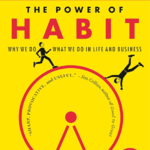
本期我们播客的主题是“习惯养成”,在此也和大家推荐这个主题相关的一本书,叫做《习惯的力量》The Power of Habit~习惯养成的好处有很多,最大就是可以让我们做事情毫不费力,不需要消耗我们的意志力就可以完成。意志力消耗的越少,做成一件事的可能性就越大。书中向大家介绍了一个习惯养成的回路(The Habit Loop),回路由三部分组成:第一个是“提示” Cue,就是引起我们做某个事情的契机,这个契机越简单直接,或者我们越乐在其中越好;第二个是“行为惯常” Routine,就是我们一旦被某件事情或者指令 Cue 到了,会做的某种事情或者行为;第三个是“奖赏” Reward,也就是我们做了上面的事情之后,一定会获得的奖励。建立好习惯,可以不断加强这个回路。破除坏习惯,可以把中间的 routine 替换掉,再加强这个回路。在讨论的过程中,我和乔治同学发现,我们两个养成习惯的奖赏大为不同~乔治同学的能量来源是外部,外界的鼓励和赞美会让他动力十足。而我更习惯于自我洗脑,疯狂自我肯定。但是,这个“奖赏”不论是内部还是外部,不论是实物还是虚拟的情绪价值,给足自己正反馈非常重要。🪐 时间穿梭轴02:22 建立好习惯非常重要,养成坏习惯很难改掉03:51 我们不需要做出很大的改变,一个小习惯,足以改变我们的整个生活系统10:36 好习惯的养成有公式可循!14:04 背单词也可以不痛苦,重点是要即刻满足23:40 在星巴克练英语之“论如何把不那么舒适的行为丝滑融入到爱好中”28:57 做运动先买装备的合理性之“如何做一件事把意志力的消耗降到最低”祝大家都能够持续收获情绪价值,建立起好习惯的正向反馈链接,如果外界没有我们自己也可以提供给自己!欢迎大家留言分享你的感想,或者加艾薇同学的微信加入我们的听友群参与讨论~在小宇宙查看该单集文稿
36分钟
99+
1年前
EP02 (全英) The Bilingual Edge: 为何、何时和如何教你的孩子第二语言(英语)

EP02 (全英) The Bilingual Edge: 为何、何时和如何教你的孩子第二语言(英语)

英语冰美式

Key Takeaways:1. Cognitive Advantages of Bilingualism: Increased Metalinguistic Awareness: Bilingual children develop a heightened awareness of language as a system, which benefits them in areas such as reading, and understanding jokes, puns, and metaphors. The authors write that "Bilingual children are more likely than monolingual children to recognize that it’s possible, for instance, for one object to have two names." Enhanced Cognitive Flexibility & Creativity: The book posits that the act of switching between languages stimulates the brain, fostering creativity and mental flexibility. As German-Japanese-English trilingual writer Yoko Tawada says, "When you make a connection between two words that lie miles apart, a kind of electricity is produced in your head. There is a flash of lightning, and that is a ‘wonder-full’ feeling.” Improved Problem-Solving: The ability to juggle multiple languages enhances cognitive control, attention, and problem-solving abilities.2. Debunking Myths about Second Language Learning: Myth 1: Only bilingual parents can raise bilingual children: The book asserts that any parent can raise a bilingual child, even if the parent is monolingual and has no knowledge of the second language. "Any parent can raise a child who knows more than one language, even if that parent is monolingual all children can learn a second language even if their parents don’t know that language" Myth 2: Younger is always better: While there may be advantages to starting younger, it's "never too late" to learn a second language and that there are advantages to learning at older ages, as well. Myth 3: Perfect native-speaker interaction is necessary: Rich and meaningful interaction is more critical than having a perfect native-speaker model.3. The Natural Ability of Infants to Learn Languages: Universal Linguistic Capacity: Babies are born with the innate ability to distinguish between a vast array of sounds in all languages, however this capacity begins to decline after about ten months. "From the day they are born, they begin to learn the language that surrounds them… every baby is a citizen of the world with full and equal capacity to learn any of the planet’s six thousand languages." Decline in Phonetic Sensitivity: The ability to distinguish between sounds not in their native language(s) diminishes by around 10 months of age. This emphasizes the importance of early exposure to the desired language.4. Practical Guidance on Language Learning Focus on Quality and Quantity of Input: Rather than strict language separation (one parent, one language) the focus should be on rich, dynamic interaction in each language. "Parents should focus on the quality and quantity of input children receive in each language and not worry about maintaining strict separation." Leveraging Community Resources: The importance of exploring the language resources within the immediate community. This includes finding speakers, libraries, bookstores, schools, and daycares that offer opportunities in the target language. Identifying Language Opportunities: The importance of considering which languages are most feasible based on one's location, which languages are spoken in the immediate and surrounding community and to research language learning resources nearby. The book also highlights to the importance of exploring family attitudes, skills and resources regarding the different languages you are considering using to raise a child bilingually. Using Everyday Activities: The value of using everyday activities and routines to incorporate a second language such as a Spanish counting game while climbing stairs, a Spanish song during diaper changes and other similar routines. Focus on meaningful interaction: The value of creating learning situations that are directly linked to a child’s daily life Edutainment as a Tool: The strategic use of media like music, video games, DVDs to enhance the learning experience of the second language. The importance of role models: Exposing a child to others who speak the language or languages they are learning.5. Code-Switching and Language Mixing: Natural and Normal: Code-switching (mixing two languages within the same conversation) is a normal and common part of bilingualism, and often serves communicative and strategic purposes. "Code-switching is very common in many bilingual communities and often serves as an important communicative and strategic resource for expressing various sorts of meanings." Not a Sign of Confusion: It is not an indicator of language confusion or an incomplete grasp of either language; in fact it demonstrates a complex understanding of both languages. "Being able to code-switch successfully means that the speaker has a detailed grammatical understanding of both languages".欢迎大家留言分享你的感想,或者加艾薇同学的微信加入我们的听友群参与讨论~在小宇宙查看该单集文稿
19分钟
99+
1年前

加入我们的 Discord

与播客爱好者一起交流

立即加入

扫描微信二维码

添加微信好友,获取更多播客资讯

微信二维码

播放列表

自动播放下一个

播放列表还是空的

去找些喜欢的节目添加进来吧