Ep7 庄子:庖丁解牛

道可道 This is The Way

某些寓言和神话蕴含着深刻的哲学洞见。在西方,柏拉图的《洞穴寓言》以其对知识追求以及幻象与现实区分的精彩展现,在哲学史上占据着关键地位。在东亚,庄子的「庖丁解牛」故事,二千多年来一直作为道家「道」之观念的令人难忘且惊人的阐释之一。 本期节目我们非常荣幸邀请到 Karyn Lai 教授,共同探讨《庄子》中的这段精彩篇章在对话过程中,我们讨论了若干问题,包括: * 庖丁的技艺「进乎技」究竟意味着什么? * 这真的是「无为而为」的例证吗?具体而言,它真的「无为」吗? * 当君主说自己从庖丁那里学到了「养生之道」时,作者是在嘲讽君主吗? Lai 教授也是 Peter Adamson 教授的知名播客 《History of Philosophy Without Gaps》 中「中国古代哲学」部分的合著者。也可以在此处了解Lai教授及其诸多著作的更多信息。 核心讨论段落 :《庄子· 庖丁解牛》 庖丁为文惠君解牛,手之所触,肩之所倚,足之所履,膝之所踦,砉然向然,奏刀霍然,莫不中音。合于《桑林》之舞,乃中《经首》之会。文惠君曰:「嘻!善哉!技盖至此乎?」 庖丁释刀对曰:「臣之所好者道也,进乎技矣。始臣之解牛之时,所见无非牛者。三年之后,未尝见全牛也。方今之时,臣以神遇,而不以目视,官知止而神欲行。依乎天理,批大隙,导大窾,因其固然。技经肯綮之未尝,而况大骨乎!良庖岁更刀,割也;族庖月更刀,折也。今臣之刀十九年矣,所解数千牛矣,而刀刃若新发于硎。彼节者有间,而刀刃者无厚,以无厚入有间,恢恢乎其于游刃必有余地矣,是以十九年而刀刃若新发于硎。 虽然,每至于族,吾见其难为,怵然为戒,视为止,行为迟。动刀甚微,霍然已解,如土委地。提刀而立,为之四顾,为之踌躇满志,善刀而藏之。」文惠君曰:「善哉!吾闻庖丁之言,得养生焉。」 (English version: Zhuangzi, ch. 3, PaulKjellberg’s translation) 目前节目持续更新中,每周一与你见面,欢迎订阅收听!如果你有任何想法或建议,欢迎在评论区留言,或前往 Warp, Weft, andWay 网站参与讨论。 时间轴 0:00 Part I – 导言 12:26 介绍嘉宾和主题 16:43 Part II --《庄子· 庖丁解牛》 16:44 介绍嘉宾 Karyn Lai 18:35 Justin 预告庖丁解牛篇 21:18 Justin 朗读原文 25:14 Section 1: 庖丁「舞」牛 33:30 Section 2: 庖丁讲述其技艺 「进乎技」 56:01 Section 3: 庖丁如何应对困难 1:06:57 Section 4: 君主的收获 「养生」 1:26:55 嘉宾问答 目前节目持续更新中,每周一与你见面,欢迎订阅收听!如果你有任何想法或建议,欢迎在评论区留言,或前往 Warp, Weft, and Way 网站参与讨论。 其他参考资料 Karyn Lai, “Freedom and agency inthe Zhuangzi: navigating life’sconstraints“ The Liezi (列子) Nonaction(无为, sometimes translated as “effortless action”) “Technique”(技, “skill”) “Goes beyond technique” (进乎技) Guo Xiang 郭象 (traditional commentator on the Zhuangzi, 252-312 CE) The Woodcarver Qingpassage (Zhuangzi, ch. 19) The cicada-catcherstory (Zhuangzi, ch. 19) “Skill”(巧) “Spirit,” “spiritual” (神) “Heavenly patterns” (天理) Iris Murdoch, The Sovereignty of theGood (where she discusses the loving gaze, worth comparing with the notion of “seeing with spirit”) The wheelwright passage (Zhuangzi, ch. 13) Knowing-that andknowing-how “Caring for life” (养生) The swimmer passage (Zhuangzi, ch. 19) 特别鸣谢 The Hong Kong Ethics Lab 的支持和赞助,以及 Warp, Weft and Way 网站对讨论环节的支持。 主持人:Richard Kim's website Justin Tiwald's website 音频剪辑 & 中文 show notes: Lena

94分钟
99+
6个月前

Ep6 偏私与正义

道可道 This is The Way

在本期节目中,我们邀请到罗格斯大学(RutgersUniversity)宗教与哲学系教授、罗格斯中国研究中心主任蒋韬教授(Tao Jiang),共同探讨他的新书。尽管这本书长达516页,内容包罗万象,但本期节目将聚焦于两个核心议题: (1)「兼爱」与「亲亲」之间的张力,即无私的正义与偏私的人伦之间的冲突; (2)庄子思想中的「逍遥」与自由。 我们每个人都身处错综复杂的人际网络之中,对亲人、朋友自然怀有深厚的情感与责任。然而,「公义」有时又要求我们以平等的态度对待每一个陌生人。当「偏爱」与「兼爱」的价值诉求发生冲突时,我们该如何抉择? 蒋韬教授的新书《早期中国道德—政治哲学的起源》(Originsof Moral-Political Philosophy in Early China, Oxford University Press, 2021)系统梳理了「仁」、「义」、「自由」等中国哲学核心范畴。本期节目,我们将从中国哲学的视角,思考这些重要问题。欢迎收听! 重点讨论段落 叶公语孔子曰:「吾党有直躬者,其父攘羊,而子证之。」孔子曰:「吾党之直者异于是。父为子隐,子为父隐,直在其中矣。」 (English version: Analects 13.18,modified from Edward Slingerland’s translation) 目前节目持续更新中,每周一与你见面,欢迎订阅收听!如果你有任何想法或建议,欢迎在评论区留言,或前往 Warp, Weft, andWay 网站参与讨论。 时间轴 0:00 Part I —导言 8:35 今日嘉宾与主题简介 14:49 Part II — 蒋韬谈偏私美德与无私正义 Tao JIANG on Partialistic Virtue and Impartial Justice 14:50 嘉宾介绍:蒋韬 17:08 新书内容梗概 20:37 《论语》中「偏私」与「无私」的张力 Tensions between partialism and impartialism in the Analects 33:30 儒家的「己所不欲,勿施于人」是偏私还是无私? Is the Confucian Golden Rule partialist or impartialist? 48:15 《庄子》中的个人自由 Personal freedom in the Zhuangzi 55:28 为什么「自由」没有从个人价值转变为制度价值? Why freedom didn’t make the transition from being a personal value to an institutional value 1:04:00 《庄子》是否更重视「自然」与「真诚」而非个人自由? Is it possible that Zhuangzi valued spontaneity and authenticity rather than personal freedom? 1:11:50 在《庄子》中,自由的价值何在? In the Zhuangzi, what makes freedom valuable? 1:15:38 嘉宾问答 1:24:29 下期预告:Karyn Lai 教授谈 《庄子·庖丁解牛》 其他参考資料 Tao JIANG, Origins of Moral-political Philosophy in Early China Mohism (the school of thought associated with “impartial care”) Analects 13.18 (Upright Gong) Guan Zhong 管仲 (c.720-645 BCE) Analects 14.16 Analects 15.24 (Confucius’s Golden Rule) Shu 恕 The Golden Rule, empathy, reciprocity, the principle of reversibility Great Learning 12 (the more role-specific or partialistic formulations of the Golden Rule) Legalism (法家) Wm. Theodore de Bary, The Trouble with Confucianism (see also de Bary’s The Liberal Tradition in China) Huang Zongxi 黄宗羲 (1610-1695) Ziran 自然 (spontaneity, being natural) Zhen 真 (authenticity) You 游 (wandering, roaming) Fangwai 方外 (outside the life-world) Fangnei 方內 (inside the life-world) Zhuangzi, chapter 3, the Cook Ding (“Butcher”) passage Xiang 相 (mutual, mutually; as in xiang wang 相忘 “mutual forgetting”) Laozi 老子 (also known as the Daodejing 道德经) 特别鸣谢 The Hong Kong Ethics Lab 的支持和赞助,以及 Warp, Weft and Way 网站对讨论环节的支持。 主持人:Richard Kim's website Justin Tiwald's website 音频剪辑 & 中文 show notes: Lena

85分钟
99+
6个月前

Ep5 儒家:修身与孔子自述

道可道 This is The Way

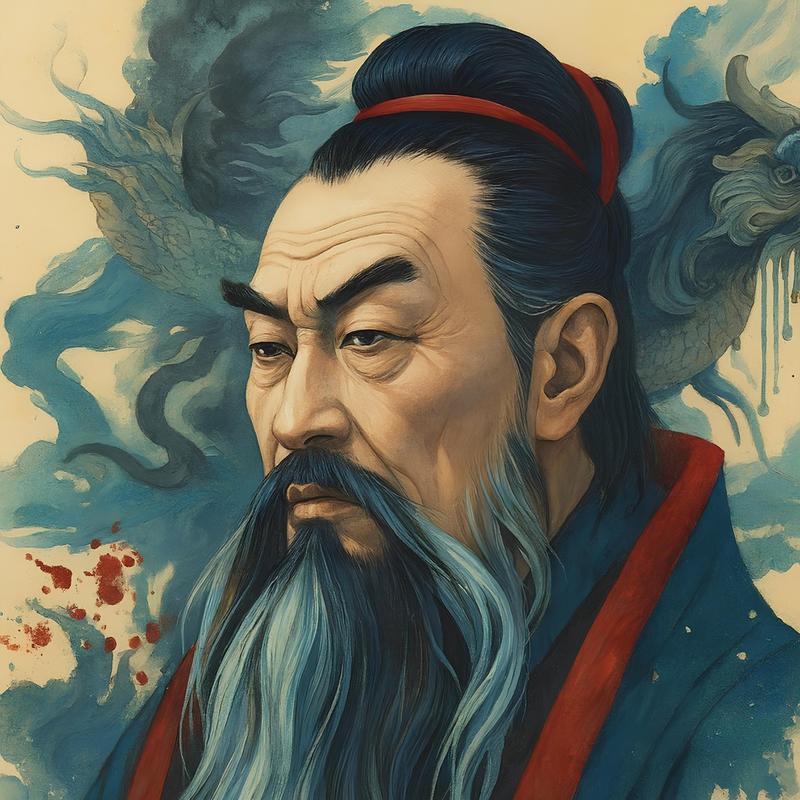
在本期播客中,我们讨论了《论语·为政篇》里孔子自述人生阶段的名句:「吾十有五而志于学……」。这段广为流传的文字,展现了儒家关于人生成长与道德修养的深刻思考。 本期节目将和你一起思考: * 孔子所谓的「无惑」与「知天命」 到底意味着什么? * 「从心所欲不逾矩」 真的可能实现吗? 我们结合历代注家的不同解读,进一步探讨了 「尽心」(wholeheartedness) 这一儒家核心理念的丰富内涵。 目前节目持续更新中,每周一与你见面,欢迎订阅收听!如果你有任何想法或建议,欢迎在评论区留言,或前往 Warp, Weft, and Way 网站参与讨论。 时间轴 0:00 Part I — 引言 6:03 今日话题及文段导入 10:25 Part II — 修身与孔子的自述 10:26 Richard 为孔子的精神自传做铺垫 12:26 Justin 朗读并解析孔子自述,将其分为三个阶段 17:48「吾十有五而志于学」——「学」与礼的关系 25:38「三十而立」 27:29「四十而不惑」以及孟子与荀子关于道德修养的讨论 50:25「五十而知天命」 1:00:57「六十而耳顺」 1:06:43「七十而从心所欲,不逾矩」 1:10:57 孔子为何强调「从『心』所欲」, 而非口、眼等欲望?这有何深意? Is it significant that Confucius singles out the desires of the heart or heart-mind (as opposed to desires of the mouth, eyes, etc.)? 1:14:40 体会:对「知行成就」不同层次与类型的思考 One takeaway from the passage a whole: interest indifferent degrees and types of epistemic achievement 1:18:49 另一点体会:道德修养为何优先于其他宗教与哲学目标 Another takeaway: the priority of ethical cultivation over other religious and philosophical aims 1:27:22 下集预告:早期中国哲学关于「偏私和公平」的讨论 partiality and impartiality in early Chinese philosophy 重点讨论段落 子曰:「吾十有五而志于学,三十而立,四十而不惑,五十而知天命,六十而耳顺,七十而从心所欲,不逾矩。」 (English version: Analects 2.4, modified from Edward Slingerland’s translation) 目前节目持续更新中,每周一与你见面,欢迎订阅收听!如果你有任何想法或建议,欢迎在评论区留言,或前往 Warp, Weft, andWay 网站参与讨论。 其他参考资料 Analects 2.4 Philip J. Ivanhoe, Confucian Moral Self-Cultivation (where he writes that for Xunzi, the practice of the Way “runs far ahead of one’s understanding of it,” p. 96) Analects 1.15 (grinding and polishing) Analects 8.9 (the ordinary people can be made to follow it but not to understand it) Analects 2.15 (thinking without learning…learning without thinking…) Analects 9.30 (learning to apply some ritual or rule with appropriate “discretion” indicates a very high level of epistemic achievement) Dasan 茶山(1762–1836) (a.k.a. Jeong Yak-yong) — his commentary on Analects 2.4 is translated in this book Analects 9.12 (students attend to Confucius as though he were their lord and not just their teacher) ZhuXi 朱熹 (1130-1200)— his commentary on Analects 2.4 is translated in this book Justin’s article on “getting it oneself” (自得) T’oegye 退溪 (1501–1570) (a.k.a. Yi Hwang 李滉) Analects 14.24 (learning for one’s own sake vs. learning for the sake of impressing others) 特别鸣谢 The Hong Kong Ethics Lab 的支持和赞助,以及 Warp, Weft and Way 网站对讨论环节的支持。 主持人:Richard Kim's website Justin Tiwald's website 音频剪辑 & 中文 show notes: Lena
87分钟
99+
7个月前

Ep4 道家:游说

道可道 This is The Way

本期播客的主题是「游说」,我们选取了《庄子·人间世》中孔子和颜回的对话作为讨论文本。这段文字非常精彩,但相比其他篇章,却很少被关注。 其实,对于关心修辞、理由的力量(或其缺失)、论证,以及在说服别人时人与人之间、包括自己和对方内心之间那种微妙互动的人来说,这期播客都很适合你。 讨论这段文本的过程本身,也让我们获得了极大的乐趣。 时间轴 0:00 Part I — 引言 Introduction 5:27 今日主题及选段 Preface to today’s topic and passage 14:28 Part II — 道家的「游说」 Daoist “persuasion” 16:35 Richard为本次对话做铺垫 Richard sets the stage for the dialogue 19:09 四种心理类型 The four psychological profiles 22:13 类型一:传教士的热忱 missionary zeal 33:01 类型二:不对抗的正直 non-confrontational integrity 38:14 类型三:安静的内在正直 quiet inner integrity 49:54 类型四:无预设立场 no agendas 1:05:18 道家的游说者真的有意图去改变对方吗? Does the Daoist persuader even “intend” to convert? 1:15:02 那么,给别人讲道理的意义究竟何在? What, then, is the point of giving someone reasons for your view? 目前节目持续更新中,每周一与你见面,欢迎订阅收听!如果你有任何想法或建议,欢迎在评论区留言,或前往 Warp, Weft, andWay 网站参与讨论。 重点讨论段落 颜回见仲尼曰:“魏将乱,回请往仕。” 仲尼曰:“子将奚为焉?” 曰:“回闻君之少而好用其少者,轻用其国而不知其过,杀人如草不自知也,百姓无所容。回闻夫子曰:‘治国以仁,乱国以智。医门多疾。’回愿以所闻思其可救也。” 仲尼曰:“嘻!子之往也,殆哉!夫道不欲杂,杂则多,多则扰,扰则忧,忧而不救。古之治道者,以之于己,未得之于己而后求诸人。今子未得之于己,而欲得之于人者,危哉! 且夫德有所耗,而知有所用。德耗于名,知用于争。人用名以相轧也,用知以相伐也。此二者,皆不可以成行也。虽有深德厚信,而未得彼之气。子有不争之名,而未得彼之心。子以仁义矫之,是以益其恶也。彼必将内自强而外自饰矣。子之所处,危矣! 且彼好贤而恶不肖,则何用子为?不如无言。夫贵人好自用以强人,欲以其所长易人之所短。若是者,不得无辞。辞多则失信,失信则死矣。虽然,必有说矣!请试言之。” 颜回曰:“若正而不谏,直而不肆,静而不争,洁而不伐,可乎?” 仲尼曰:“是犹未也。子犹执策而临之也,岂能久乎?夫志不欲其久也,则貌不安。貌不安则人不悦,人不悦则不可以为道矣。” 颜回曰:“回将内直而外曲,贞以顺上,可乎?内直以求之天,外曲以求之人,贞以顺上以继古。人之所称小子者,回亦称小子,皆若然,孰能谴之!外曲以求之人也。贞以顺上以继古也。回之所言者,非回之言,古之遗言也。可以无伤而直矣。可乎?” 仲尼曰:“是犹未也。子多方而未中也。且夫知用心者,知之所为用心者也。夫知无用之用者,乃为用耳。” 颜回曰:“回无以也。敢问何如?” 仲尼曰:“斋,吾将语若。若能为无为而无不为也,则几矣。若以容容乎而往,若将往而适也,不知其所止。若游乎江海之上而忘乎江海之存也。若能忘物,物不能忘也。若能忘天,天不能忘也。若能诚能信,则几矣。” 颜回曰:“回甚贫,未尝饮酒食肉数月矣,可谓可以已乎?” 仲尼曰:“是祭祀之斋,非心斋也。” 颜回曰:“敢问心斋?” 仲尼曰:“若一志,无听之以耳而听之以心,无听之以心而听之以气。耳止于听,心止于符。气也者,虚而待物者也。唯道集虚。虚者,心斋也。” 颜回曰:“回未得志,敢问何谓心斋?” 仲尼曰:“用志不分,乃凝于神。人皆知有用之用,而莫知无用之用也。止而不行易,行而不止难。人皆知有用之用,而莫知无用之用也。若使耳目之内与心相交,而外无知也,则鬼神将来舍,而况人乎?是谓反始也,古之得道者,深藏于此矣。” 节选自 《庄子·人间世》 (English version: Zhuangzi, ch. 4, Paul Kjellberg’s translation) 其他参考资料 Esther Klein, “Were there ‘Inner Chapters’ in the Warring States?” Analects 14.34 Michael Stocker, “The Schizophrenia of ModernEthical Theories” Robert Nozick, PhilosophicalExplanations (“Perhaps philosophers need arguments sopowerful they set up reverberations in the brain: if the person refuses toaccept the conclusion, he dies. How’sthat for a powerful argument”) Daryl Davis, musician who converted over 200Ku Klux Klan members to give up their robes (see also this piece on Davis) Martin Luther King Jr. on agape or unconditional love (brief discussion of Greek,Christian, and Gandhian influences) David Wong, Moral Relativity (seechapter 13, “Moral Relativity and the Problem of Equal Worth”) Jonathan Haidt, The Righteous Mind We used the translation of the Zhuangzi by Paul Kjellberg in Readings in Classical ChinesePhilosophy, 3rd edition Other translations mentioned: • Brook Ziporyn, Zhuangzi: The Complete Writings • Burton Watson, The Complete Works of Zhuangzi • Richard John Lynn, Zhuangzi: A New Translation of the Sayings of Master Zhuang as Interpreted by GuoXiang 特别鸣谢 The Hong Kong Ethics Lab 的支持和赞助,以及 Warp, Weft and Way 网站对讨论环节的支持。 主持人:Richard Kim's website Justin Tiwald's website 音频剪辑 & 中文 show notes: Lena

96分钟
99+
7个月前

Ep3 宋明理学:一体

道可道 This is The Way

在第三期节目中,我们邀请到东亚哲学领域著名学者及翻译家 Philip J. Ivanhoe (艾文荷), 共同探讨 「一体」(Oneness) 这一主题。 第一部分,Justin简要介绍了宋明理学及其与「一体」思想的联系。 第二部分,我们与 Ivanhoe 教授深入探讨了他的著作《一体:东亚关于美德、幸福与万物相连的观念》(Oneness: East Asian Conceptions of Virtue, Happiness, and How WeAre All Connected)。 节目中涉及的主要话题包括: * 「一体」的真实性:它既非「严格意义上的真理」,也并非毫无根据、毫无意义的幻觉; * 「一体」的益处:它能带来安全感、自发性及形而上的安慰; * 「天地万物皆我一体之良知也」的意义:王阳明是对的! 欢迎收听本期节目,与我们一同探索东亚哲学中的「一体」。 时间轴 0:00 Part I: 引言 4:40 Justin 对宋明理学的简要综述 Justin’s quick summary of Neo-Confucianism 22:59 Part II: 「一体」 Oneness 23:00 嘉宾介绍: Philip J. Ivanhoe 25:32 撰写关于「一体」这本书的三大动机 Three motivations for the book on oneness 33:30 宋明理学形而上学的实用主义替代方案 A pragmatic alternative to Neo-Confucian metaphysics 43:36 「一体」的真实性:既非“绝对真理”,也非毫无根据的幻觉 The truth-value of oneness: neither “strictly true,” nor a groundless hallucination 52:42 「一体」作为安全感、自发性与形而上慰藉的来源 Oneness as a source of security, spontaneity, and metaphysical comfort 1:03:55 关于「一体」或许无法解释真正利他主义的担忧 The worry that the oneness view can’t make sense of genuine altruism 1:11:05 生命是否是相互认同感的必要条件?(生物中心主义观点 vs. 王阳明的观点) Whether life is required for a sense of mutual identity(biocentric views vs. Wang Yangming’s view) 1:17:59 嘉宾问答环节 重点讨论段落 乾称父,坤称母。予兹藐焉,乃混然中处。故天地之塞,吾其体;天地之帅,吾其性。民,吾同胞;物,吾与也。大君者,吾父母宗子;其大臣,宗子之家相也。尊高年,所以长其长;慈孤弱,所以幼其幼。圣,其合德;贤,其秀也。凡天下疲癃、残疾、煢独、鳏寡,皆吾兄弟之颠连而无告者也。 ——节选自张载(1020-1077)《西铭》 (English version: Zhang Zai, “The Western Inscription,” translation by Bryan W. Van Norden and Justin Tiwald) 目前节目持续更新中,每周一与你见面,欢迎订阅收听!如果你有任何想法或建议,欢迎在评论区留言,或前往 Warp, Weft, and Way 网站参与讨论。 其他参考资料 Philip J. Ivanhoe, Oneness:East Asian Conceptions of Virtue, Happiness, and How We Are All Connected Justin Tiwald and Bryan W. Van Norden, Readings in Later Chinese Philosophy Stephen C. Angle and Justin Tiwald, Neo-Confucianism: APhilosophical Introduction ChanBuddhism Zhang Zai Philip Kitcher, Preludes to Pragmatism: Toward a Reconstruction of Philosophy Philip Kitcher, Life After Faith: The Case for Secular Humanism John Dewey, A CommonFaith Bertrand Russell Jeong Yak-yong (a.k.a.Dasan) St. Thomas Aquinas Zhu Xi WangYangming Owen Flanagan, “HallucinatingOneness: Is Oneness True or Just a Positive Metaphysical Illusion?“ William James, The Will to Believe Alasdair C. MacIntyre, Dependent Rational Animals Owen Flanagan, The Geography of Morals (footnote on p. 316) Martha C. Nussbaum, Anger and Forgiveness Philip J. Ivanhoe, “Précis of Oneness“ Philip J. Ivanhoe, “TheValues of Spontaneity“ Joel J. Kupperman, Learning from Asian Philosophy E.O. Wilson, The Biophilia Hypothesis Sigmund Freud, The Future of an Illusion (on the differences between errors, illusions, and delusions) Adam Grant on “TheAltruism Debate” (summary of the debate about linkages between empathy and altruism, between C. Daniel Batson and Robert Cialdini) Jamil Zaki, The War for Kindness TheU.S.-China Research Group on Cosmopolitanism (Georgetown University research group mentioned by Ivanhoe in the final segment) Philip J. Ivanhoe and Hwa Yeong Wang, Korean Women Philosophers and the Ideal of a Female Sage: Essential Writings of Im Yungjidang and GangJeongildang The Chengbrothers (Cheng Hao and Cheng Yi, subjects of Ivanhoe’s next major translation project) 在回答我们关于“推荐一本必读经典”的问题时,Ivanhoe 表示,所推荐的文本应根据每位读者的具体情况和兴趣而有所不同。之后,他在发给我们的补充邮件中重申了这一观点,但同时也指出,对于许多人来说,《中庸》(The Doctrine of the Mean)依然是非常值得一读的“必读经典”。 特别鸣谢 The Hong Kong Ethics Lab 的支持和赞助,以及 Warp, Weft and Way 网站对讨论环节的支持。 主持人:Richard Kim's website Justin Tiwald's website 音频剪辑 & 中文 show notes: Lena

86分钟
90
7个月前

Ep2 儒家:羞耻心

道可道 This is The Way

本期节目聚焦「羞耻作为一种道德情感」,深入探讨古典儒家哲学家对羞耻的理解。我们特别邀请到胡婧博士(Dr Jing Iris Hu),她曾发表学术论文「Shame, Vulnerability, and Change」(《羞耻、脆弱与改变》)。 我们将围绕以下几个核心问题展开讨论: * 儒家思想为何重视羞耻感? * 羞耻感能否以及如何独立于社会评价存在? * 儒家提出了哪些机制来培养这种独立性 * 一个真正具备德行的人是否还需要羞耻感? 时间轴 0:00 Part I — 导言 Introduction 16:53 Part II — 儒家对羞耻的看法 Confucians on shame 16:54 嘉宾介绍:胡婧 Introducing Jing HU 19:52胡婧文章的两个主要观点 The two main claims of Hu’s article 22:53儒家如何回应“羞耻否定论“ The Confucian response to “shame rejectionism” 27:53儒家是否需要真实的“客观”价值观来支撑他们对羞耻的看法?Whether Confucians need real, “objective” values to underwrite their views about shame 34:37为什么羞耻的“亲社会取向”是一件好事 Why shame’s pro-social orientation is a good thing 42:51我们是否需要羞耻感,才能与他人建立正确的沟通Whether we need a sense of shame in order to have the right communicative channels with others 49:45 德性圆满者还需要羞耻感吗?(亚里士多德 vs. 孔子 vs. 宋子) Would a fully virtuous person need a sense of shame?(Aristotle vs. the Confucians vs. Songzi) 1:05:13 嘉宾问答环节Closing questions for our guest 1:11:16 下期预告Preview of the next episode 重点讨论段落 子曰:「道之以政,齐之以刑,民免而无耻;道之以德,齐之以礼,有耻且格。」 (English version: Analects 2.3, Edward Slingerland’stranslation) 目前节目持续更新中,每周一与你见面,欢迎订阅收听!如果你有任何想法或建议,欢迎在评论区留言,或前往 Warp, Weft, andWay 网站参与讨论。 其他参考资料 Jing Iris Hu, “Shame, Vulnerability, and Change“ The Analects《論語》(Chinese) The Analects (English translations) The Mencius, also knownas the Mengzi (Chinese, English) Analects 5.1 Mencius or Mengzi 6A10 Martha Nussbaum, Hiding from Humanity: Disgust, Shame, and the Law Cheshire Calhoun, “An Apology for Moral Shame“ Marta Jimenez, Aristotle on Shame and Learningto Be Good Christopher C. Raymond, “Shame and Virtue in Aristotle“ Bryan W. Van Norden, “The Emotion of Shame and the Virtue of Righteousness in Mencius“ The Xunzi (about Xunzi, Chinese text, English translation) Mencius or Mengzi 4B.33 Songzi 宋子 Lisa Tessman, Burdened Virtues See also Bongrae Seok, Moral Psychology of Confucian Shame 特别鸣谢 The Hong Kong Ethics Lab 的支持和赞助,以及 Warp, Weft and Way 网站对讨论环节的支持。 主持人: Richard Kim's website Justin Tiwald's website 音频剪辑 & 中文 show notes: Lena

72分钟
99+
7个月前

Ep1 道家:逍遥/无执

道可道 This is The Way

本期节目以「道家的逍遥/无执」为主题,聚焦《庄子》核心篇章「朝三暮四」,详细讨论其独特的逍遥观。 Richard 和 Justin 首先介绍了自己以及开设这一播客系列的初衷。他们深入论述了「哲学的双重视角」,为庄子式的逍遥与无执提供了可能。同时,他们也对这种逍遥/无执理论提出了一些疑虑。 时间轴: 00:00 Part I — 引言 Introduction 6:30 Part II — 道家的逍遥/无执 Daoist detachment 6:31 关于庄子 Our particular Daoist: Zhuangzi 8:30 「朝三暮四」典故 The monkey-trainer passage 10:44 哲学的双重视角 Philosophical double-vision 25:05 双重视角与价值区分 Double-vision and value distinctions 30:30 为什么我们要采纳哲学的双重视角? Why should we adopt philosophical double-vision? 40:38 两种视角如何整合(策略模型 vs. 垄断模型 vs. 其他) How the two perspectives can be integrated (strategic model vs. Monopoly model vs. others) 53:28 对道家逍遥的质疑:人际关系 An objection to Daoist detachment: personal relationships 1:00:22 另一种质疑:无意义感 An other objection: meaninglessness 1:11:05 下期主题 Next week’s topic 重点讨论段落 「朝三暮四」 劳神明为一,而不知其同也,谓之朝三。何谓朝三?曰狙公赋芧,曰:「朝三而莫四。」众狙皆怒。曰:「然则朝四而莫三。」众狙皆悦。名实未亏,而喜怒为用,亦因是也。是以圣人和之以是非,而休乎天钧,是之谓两行。 (English version: Zhuangzi, ch. 2, Paul K Kjellberg's translation) 目前节目持续更新中,每周一与你见面,欢迎订阅收听!如果你有任何想法或建议,欢迎在评论区留言,或前往 Warp, Weft, and Way 网站参与讨论。 其他参考资料 The Zhuangzi 《庄子》 (Chinese) The Zhuangzi (English translations) The Daodejing (Chinese, English) Bryan W. Van Norden, Introduction to ClassicalChinese Philosophy Thomas Nagel, The View from Nowhere Terrence Malick (director), The Tree of Life Pierre Hadot, Philosophy as a Way ofLife The Xunzi, ch. 21, section 5 (Xunzi’s brief criticism of Zhuangzi) Confucius’s dialogue with the Duke of She (on the inescapability of human concerns) P. F. Strawson, “Freedom and Resentment“ The Huainanzi, ch. 19, section 9 (story about the unpredictable turns of good and bad fortune) The Zhuangzi, ch. 18, section 4 (Zhuangzi talks to a skull about death) The Zhuangzi, ch. 18, section 2 (Zhuangzi “mourns” the death of his spouse) The Zhuangzi, ch. 6, section 7 (ideal mourner Mengsun Cai) Robert Nozick, The Examined Life:Philosophical Meditations See also Justin Tiwald, “Well-Being and Daoism” for more on philosophical double-vision in the Zhuangzi 特别鸣谢 The Hong Kong Ethics Lab 的支持和赞助,以及 Warp, Weft and Way 网站对讨论环节的支持。 主持人: Richard Kim's website Justin Tiwald's website 音频剪辑 & 中文 show notes: Lena

71分钟
1k+
7个月前

加入我们的 Discord

与播客爱好者一起交流

立即加入

扫描微信二维码

添加微信好友,获取更多播客资讯

微信二维码

播放列表

自动播放下一个

播放列表还是空的

去找些喜欢的节目添加进来吧