BBC随身英语|为什么越来越多人开始从事副业?

英音听力|BBC & 经济学人等

Why are more people taking on a side hustle? Do you have a job? If you do, you'll know the world of work can be tough – long hours, tedious tasks and stress. But it can bring benefits too, such as a regular salary and, sometimes, job satisfaction. Maybe that's why more us are now taking on a side hustle – another name for a second job. For some having two jobs is a necessity – a way to make ends meet and provide extra income. But it now seems that more people want to put their skills and passions into practice to make money. These tend to be entrepreneurial young people who want to work on their own projects alongside their main source of income. According to Henley Business School, around one in four workers run at least one side hustle business, half of which were started in the past two years. Those aged 25 to 34 are most likely to be involved, with 37% thought to run a sideline of some kind. It calculates that the average side hustler makes about 20% of their income through their second job. But what's interesting is that many millennials are turning their hand to new jobs not just for money and security. Research has found that almost three-quarters of people are following a passion or exploring a new challenge. BBC News spoke to Becci Mai Ford, who works some of the time for a telecommunications company to pay the bills, but spends the rest of her time developing her craft company Ellbie Co. She says going full-time is "not financially worth it right now but it fuels my creative soul and makes me happy." Mobile apps have also aided the more commercially minded side hustler. Peer-to-peer firms such as Uber, Deliveroo, AirBnb and TaskRabbit allow users to do everything from odd jobs to renting out homes and parking spaces from their mobile phone. Of course having a side hustle means you are self-employed - or freelance - which can give you flexibility to work when you like, but it can be risky. You sometime work on a zero-hours contract and may not get offered enough work. Or what was originally your passion may become more of a chore. However, this could be the best way to try out a new career or follow a passion while not giving up the day job. 词汇表 tedious [ˈtiːdiəs] adj. 单调乏味的,冗长的 salary [ˈsæləri] n. 工资,薪水 take on 从事,担任,承担 side hustle [ˈhʌsl] n. (主业之外的)副业,兼职 make ends meet 使收支相抵,勉强维持生计 entrepreneurial [ˌɒntrəprəˈnɜːriəl] adj. 具有创业精神的,具有企业家精神的 sideline [ˈsaɪdlaɪn] n. 副业,兼职 millennial [mɪˈleniəl] n. 千禧一代(1981年至1996年出生的人) turn one's hand to 着手做,尝试做,从事(与平时不同的活动或工作) telecommunication [ˌtelikəˌmjuːnɪˈkeɪʃn] n. 电信,远程通信 go full-time 转为全职工作 fuel one's creative soul [ˈfjuːəl] 滋养创作灵魂,激发创作灵感 commercially minded [kəˈmɜːʃəli ˈmaɪndɪd] 有商业头脑的,具商业意识的 side hustler [ˈhʌslə(r)] 兼职创业者,副业从业者 peer-to-peer firm [ˌpɪə tə ˈpɪə] 点对点公司(促进个体之间直接交易或交互的公司) odd jobs 零工,杂活 rent out homes 出租房屋 self-employed [ˌself ɪmˈplɔɪd] adj. 自雇的,个体经营的 freelance [ˈfriːlɑːns] adj./n. 自由职业的;自由职业者 flexibility [ˌfleksəˈbɪləti] n. 灵活性,弹性 zero-hours contract [ˈkɒntrækt] 零工时合同(不保证固定工时的用工合同) chore [tʃɔː(r)] n. 日常琐事,杂务,苦差事 day job 正职,本职工作,日常工作 📖 翻译、pdf见公众号【琐简英语】,回复"1"可进【打卡交流群】

2分钟
2k+
2周前

Do you really know|无聊,为何是生活的必需品?

英音听力|BBC & 经济学人等

Why do we need to get bored in our lives? In this day and age, we barely have time to be bored. What with the endless stream of notifications coming from our smartphones, music, TV shows, games, work, and social media all demanding our attention around the clock, our brains have become addicted to constant stimulation. And as a result, doing nothing has become almost unbearable. Why do we so hate being bored? Before smartphones had become as advanced and ubiquitous as they are these days, science had already shown that we're generally not very good at doing nothing. A 2014 study from the University of Virginia saw researchers lock volunteers alone in a room for 15 minutes with no distractions. The only thing they could do was press a button that gave them a mild electric shock. Two-thirds of the male participants and one-quarter of the female participants actually chose to shock themselves rather than sit alone with their thoughts. That may be because our brains switch to something called the default mode network when we get bored, which makes us think about things that make us feel uncomfortable, like existential questions. If it's so unpleasant then, why should we let ourselves get bored? First of all, boredom makes the brain more efficient. These empty moments allow it to sort information, organise memories and build long-term recollections. Boredom can also push us to innovate, stepping outside our comfort zones, and that's backed up by a number of scientific studies. In 2019, psychologists Shane Bench and Heather Lynch suggested that boredom actually serves a function in human evolution, driving us to move, to seek improvement, to look for something better. In 2014, British researchers Sandy Mann and Rebecca Cadman explained that the brain needs emptiness, a space without specific goals, in order to wander freely. During these pauses it starts to seek novelty, forming new ideas and connections. What's the right way of getting bored then? Well, not by scrolling on our phones for one thing. Talking to the BBC in 2017, Sandy Mann suggested scheduling daydreaming time or doing activities like swimming, where the mind is able to wander without electronic distractions. And while the kind of existential questions that come up when we get bored might make us uncomfortable, there's an argument that they're still incredibly important to spend time thinking about. Writing in the Harvard Business Review in August 2025 under the title, You Need to Be Bored, Here's Why, Professor Arthur C. Brooks suggested this could help people find meaning in their lives, thereby reducing the risk of depression and anxiety. Brooks recommends regular phone-free periods of 15 minutes or more, as well as device-free mealtimes at home. There you have it. 词汇表 endless stream of 源源不断的,持续不断的 notification [ˌnəʊtɪfɪˈkeɪʃn] n.(社交媒体等的)通知消息,提示 around the clock 全天候地,昼夜不停地 constant stimulation [ˈkɒnstənt ˌstɪmjʊˈleɪʃn] 持续的刺激 ubiquitous [juːˈbɪkwɪtəs] adj. 无处不在的,普遍存在的 mild electric shock 轻微电击 shock [ʃɒk] vt. 使触电,使受电击 default mode network [dɪˈfɔːlt məʊd ˈnetwɜːk] 默认模式网络(大脑在休息时活跃的神经网络) existential [ˌeɡzɪˈstenʃl] adj. 存在主义的,关于存在的 recollection [ˌrekəˈlekʃn] n. 回忆,记忆,往事 be backed up by 得到…的支持/证实 emptiness [ˈemptinəs] n. 空白,空虚;无意义 wander [ˈwɒndə(r)] vi. 漫游,走神,思绪游离 novelty [ˈnɒvəlti] n. 新奇事物;新奇感 scroll [skrəʊl] vi. (在屏幕上)滚动,滑动浏览,刷 daydreaming [ˈdeɪdriːmɪŋ] n. 做白日梦,空想 phone-free periods 无手机时段 device-free mealtimes 无电子设备的用餐时间 🪴翻译和pdf见公众号【琐简英语】,回复"1"可进入【打卡交流群】

3分钟
2k+
2周前

BBC六分钟英语|社交媒体“死”了吗?

英音听力|BBC & 经济学人等

Is social media dead? Neil Hello, this is 6 Minute English from BBC Learning English. I'm Neil. Pippa And I'm Pippa. Whatever you think of social media, in less than a generation it has changed the internet. Facebook, Twitter, now known as X, and in the early days MySpace used to be places to post messages to friends or share photos of your breakfast. But with the rise of AI, the fun of connecting with friends changed into something much stranger, as Tristan and Asma, presenters of BBC World Service programme The Global Story, found out. Tristan Redman Oh... What is this? Asma Khalid I think it's a man who's supposed to look like Jesus... Tristan Redman It's a man who looks a bit like... Asma Khalid ...who also looks like his dog. Tristan Redman He's been AI-ed, right? Asma Khalid Has to be AI-ed. Tristan Redman He's holding his dog and his face looks like his dog, so he's half Jesus, half dog. Neil A half-dog, half-Jesus photo is generated by AI and posted online. It's an example of how the use of AI in social media has evolved so much that today it's hard to know what's created by humans and what's not. Pippa In this episode, we'll discuss how social media is changing in the age of AI and, as usual, we'll learn some useful new words and phrases. Neil But first, I have a question for you, Pippa. You mentioned MySpace as one of the earliest social media platforms, but the first electronic message was actually sent much earlier, in 1844, using a series of dots and dashes tapped out by hand on a telegraph wire. So, what was this new form of communication called? Was it: a) semaphore, b) dial-up, or c) Morse code? Pippa I think Morse code. Neil OK. We'll find out the answer later. The introduction of AI has turned some users away from social media. Indeed, a recent report found that social media activity peaked in 2022 and has been going down ever since. Millennial and digital native Kyle Chayka is a writer specialising in social media. He spoke about the problem to Tristan Redmond for BBC World Service programme The Global Story. Tristan Redman OK. Kyle, was there a moment for you when you felt like social media changed? Kyle Chayka Oh man! I mean... In 2015/2016, I think, in the United States, when Twitter became the hub of election discourse, it kind of shattered the illusion that the internet was a space you could go to, just like, have fun and express yourself and find cool friends and discuss the latest cultural happenings. Neil Kyle uses the informal expression, "Oh man!"– an exclamation showing excitement or enthusiasm. He remembers the internet in 2016, when Twitter was full of angry political debate about the US elections. For Kyle, this shattered the illusion that the internet was fun. If something shatters your illusions, it destroys a false belief you hold, making you realise an unpleasant truth. Pippa Kyle thinks social media was friendlier before – an online space to make friends, have fun and discuss the latest cultural happenings. A cultural happening is an event that embodies the values and interests of a particular group at a particular time in history. For example, the hit television show Game of Thrones was a cultural happening for millennials in the 2010s. Neil So, what's the future of social media? Will the amount of AI-generated content continue to grow? Here's Kyle Chayka again, sharing his thoughts with BBC World Service's The Global Story: Kyle Chayka We see the large social networks and the tech behemoths leaning into generated content, and I think users don't actually want that. I think it's a novelty for now and people will drift away from it. So instead, I see people gravitating towards smaller online spaces, connecting more closely with individual voices, like creator types, and just posting less in general. Pippa Kyle thinks the tech behemoths, meaning large and powerful companies, will continue pushing AI. However, many people want content which is more personal and meaningful. They think AI is a novelty – something which is new and unusual and therefore exciting, but which probably won't last. Neil Instead, Kyle thinks people will gravitate towards smaller online communities. If you gravitate towards something, you are naturally drawn or attracted to it. Pippa Social media has changed fast and is still in motion. It's come a long way from the first electronic messages of 1844 which you mentioned in your question, Neil. So, did I get the correct answer? Neil I asked what this new form of communication was, and you said that it was c) Morse code. And that, Pippa, is the correct answer. OK. Let's recap the vocabulary we've learned, starting with the exclamation, "Oh man!" used to show excitement or enthusiasm. Pippa To shatter an illusion is to destroy someone's misconceptions, causing them to realise an unpleasant reality. 📝 字数限制,完整文本、词汇表、翻译及pdf见公众号【琐简英语】,回复1可加入【打卡交流群】

5分钟
1k+
3周前

BBC随身英语|室内植物对人与环境有益吗?

英音听力|BBC & 经济学人等

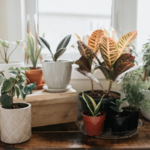
Are houseplants good for us and the environment? There's no place like home. It's the place where we're surrounded by our possessions and creature comforts. We purchase things to give our homes a personal touch and create a certain ambience. And one thing we're buying more of is houseplants. But are these 'living' additions to our homes good for us and the environment? Houseplants, also known as pot plants, have Instagram-friendly appeal; add a natural touch and they have the ability to brighten up a room on a budget. The Royal Horticultural Society found that nearly 72% of adults in the UK had a houseplant in their home, with this figure rising to 80% of 16-24 year olds. A fifth of owners also said they use plants in the home to boost their health and well-being. And average sales last year were up on the previous year. It seems millennials are driving the growth in the sales of houseplants. According to research by The Economist, more young people are living in flats without a garden. 24 year-old Daisy Hale told the BBC "being able to care for something but not having too much commitment - I guess that's a classic millennial line - is ideal for my lifestyle." From hanging baskets, to cacti and succulent ferns, the choice of vegetation is endless. They are easy to care for, and there have been unproven claims that they improve the air quality in our home. But whatever their benefits, there are now concerns that they might not be so good for the environment. Some are bought online and shipped from overseas. Fay Kenworthy, co-founder of PlantSwap, a community initiative that encourages people to trade plants locally, told the BBC "this could rack up 'plant miles'". But botanist and BBC presenter James Wong argues that home delivery has less of an environmental impact than multiple trips to the garden centre in a car. Although he's not too concerned about the environmental impact, others are worried about the plastic pots they are in and the type of peat that some of them are grown in. However, a sustainable approach to buying them may be the best way forward if we want to introduce some natural greenery into our homes. 词汇表 creature comforts [ˈkriːtʃə(r) ˈkʌmfəts] 物质享受,舒适的生活设施 personal touch 个人风格,个性化色彩 ambience [ˈæmbiəns] n. 气氛,情调,环境氛围 houseplant [ˈhaʊsplɑːnt] n. 室内植物,盆栽植物 pot plant [ˈpɒt] 盆栽植物 natural touch 自然气息,自然之美 brighten up [ˈbraɪtn] (通过装饰或设计等)点缀,增色,使焕发生机 on a budget [ˈbʌdʒɪt] 经济实惠地,在预算有限的情况下 Royal Horticultural Society [ˈrɔɪəl ˌhɔːtɪˈkʌltʃərəl] 英国皇家园艺学会 millennial [mɪˈleniəl] n. 千禧一代(约1981–1996年出生的人) commitment [kəˈmɪtmənt] n. 承诺,投入,责任 hanging basket [ˈhæŋɪŋ ˈbɑːskɪt] 悬挂花篮,吊篮 cacti [ˈkæktaɪ] n. 仙人掌(cactus ['kæktəs] 的复数) succulent fern [ˈsʌkjələnt fɜːn] 多肉蕨类植物 vegetation [ˌvedʒəˈteɪʃn] n. 植物,植被 unproven claim [ˌʌnˈpruːvn kleɪm] 未经证实的说法/主张 rack up [ræk] 提高,增加(费用、里程等) plant miles 植物里程(指植物从产地运输到消费者手中经过的距离) botanist [ˈbɒtənɪst] n. 植物学家 home delivery [dɪˈlɪvəri] 送货上门,送货到家 garden centre 园艺中心,花卉商店 peat [piːt] n. 泥炭,泥煤 greenery [ˈɡriːnəri] n. 绿色植物;绿意,生机 📖 翻译、pdf见公众号【琐简英语】,回复"1"可进【打卡交流群】

2分钟
2k+
3周前

Do you really know|如何提高在家办公的效率?

英音听力|BBC & 经济学人等

How can I work better from home? Remote work was thrust upon many companies as soon as the COVID-19 pandemic hit. Some struggled to be as efficient as in the office, a source of frustration for employee and manager alike. Can't I just work in the same way as in the office? Before diving in headfirst, it's better to ask yourself how you function, and whether there are things you dislike about working in the office that you could change at home. That will help you to make choices based on what suits you best. In short, be conscious of the differences between the two environments and establish your own rules. For example, agree with your partner or flatmate that you won't discuss work before breakfast or after the end of the working day. Transition rituals can help. That means transitioning from a home atmosphere to a work atmosphere. If it's your dream to be in lounge wear all day, wearing joggers and a sweatshirt, then go for it. But if it makes you feel guilty and a bit lousy, then dress up as if you were going to the office. There are plenty of other options too, like lighting a candle when you start working and blowing it out when you're done, or using a specific mug during working hours. Isn't it difficult to get started when you're all alone? It can be, but setting yourself a fixed schedule of working hours may help, as we tend to work better with a predefined time limit. If you have trouble sticking to it, plan another activity afterwards like a workout session or meet up with friends. That way you'll have no choice but to finish work at a certain time. If you're not a morning person, try micro-progress. The technique involves breaking a task down. For example, write a report could consist of a number of micro-tasks like opening the document, naming it, writing a sentence, and so on. The brain responds to those micro-satisfactions and becomes more easily engaged. You should also organise your tasks according to when you're most productive. If you're a morning person, schedule cognitively demanding tasks in the morning, such as writing, and more automatic and administrative tasks in the afternoon, or vice versa if you're more of an afternoon person. What's the best space to use for remote work? You'll want to define a dedicated space, preferably with good lighting. If that's a challenge, you could go to a cafe or the library instead. Try to avoid using the couch or your bed. Even if you work at the kitchen table, you can establish a symbolic ritual. When you finish working, remove everything work-related from the table and put on a tablecloth in preparation for dinner. Make sure you take real breaks too, including a proper lunch break away from your laptop screen. It's important to take time to stop thinking about work, so your brain can reset. Cooking is very meditative, even if it's only for 15 minutes. 词汇表 remote work 远程办公 thrust upon [θrʌst] 强加于,仓促推行 pandemic [pænˈdemɪk] n. 大流行病,疫情 dive in headfirst [daɪv ɪn ˈhedfɜːst] 一头扎进,贸然开始 flatmate [ˈflætmеɪt] n. 室友,合租者 transition ritual [ˈrɪtʃuəl] 过渡仪式,转换习惯 lounge wear [laʊndʒ] n. 家居服,休闲服 jogger [ˈdʒɒɡə(r)] n. 慢跑裤,运动裤;慢跑者 sweatshirt [ˈswetʃɜːt] n. 运动衫,卫衣 lousy [ˈlaʊzi] adj. 糟糕的,差劲的,不舒服的 dress up 打扮,盛装,穿着正装 mug [mʌɡ] n. 马克杯,大杯子 fixed schedule [fɪkst ˈʃedjuːl] 固定日程,固定时间表 predefined time limit [ˌpriːdɪˈfaɪnd] 预设时限 meet up with 与…碰面,与…见面 micro-progress [ˈmaɪkrəʊ ˈprəʊɡres] n. 微进度 micro-task [ˈmaɪkrəʊ tɑːsk] n. 微任务 micro-satisfaction [ˈmaɪkrəʊ ˌsætɪsˈfækʃn] n. 微小的满足感 cognitively demanding [ˈkɒɡnətɪvli dɪˈmɑːndɪŋ] 认知要求高的,需要动脑筋的 automatic [ˌɔːtəˈmætɪk] adj. 流程化的,机械性的,不经思考的 administrative [ədˈmɪnɪstrətɪv] adj. 行政的,管理的 vice versa [ˌvaɪsə ˈvɜːsə] adv. 反之亦然 dedicated space [ˈdedɪkeɪtɪd] 专门区域,专属空间 preferably [ˈprefrəbli] adv. 最好,更可取地 tablecloth [ˈteɪblklɒθ] n. 桌布,台布 reset [ˌriːˈset] vt. 重置,重启,使恢复状态 meditative [ˈmedɪtətɪv] adj. 静心的,冥想的 🪴翻译和pdf见公众号【琐简英语】,回复"1"可进入【打卡交流群】

2分钟
2k+
3周前

BBC随身英语|AI如何改变你所需的技能?

英音听力|BBC & 经济学人等

How AI could change the skills you need Are you worried that you can't keep up with AI? Current artificial intelligence systems can do many tasks much quicker than we can. Does this mean that machines will put us out of work? Rather than replace our jobs, it may be more likely that AI will transform the way we work. Previous waves of mechanisation and automation did not cause lasting effects to employment rates. However, the skills valued by the economy could change. Research from Goldman Sachs shows some evidence that AI has affected the US job market differently in different sectors. Being adaptable and understanding how AI and humans can best work together in the industry that you work in is likely to become very important. Humans and artificial intelligence have different strengths. AI systems are naturally best suited to tasks that are repetitive, involve data and that are very large. Humans usually perform best when skills and qualities such as leadership, empathy and judgement are required. Recent research from MIT's Sloan School of Management identified which tasks were best done by humans, and which were best done by AI. They found that where humans were better, working together with AI boosted performance above that of humans working alone. Creative tasks could be an area where this collaboration is particularly productive. Professor David Stilwell from Cambridge University highlights that AI's creativity is currently at a similar level to an average human. Other research shows that using ideas generated by AI, even bad ones, helps humans to come up with better ideas more quickly. Companies need to look at their workflows and processes to see where using AI alone or in collaboration with humans can be more efficient. They can then decide how best to integrate AI into their workflow. Employees should try to learn how best to use AI to support themselves. Being able to do this effectively will help lead to career success. 词汇表 keep up with 跟上,赶上,不落后 put someone out of work 使某人失业 mechanisation [ˌmekənaɪˈzeɪʃ(ə)n] n. 机械化 automation [ˌɔːtəˈmeɪʃ(ə)n] n. 自动化 lasting effects [ɪˈfekts] 持久影响 Goldman Sachs [ˈɡəʊldmən sæks] 高盛集团(跨国投资银行与金融服务公司) adaptable [əˈdæptəb(ə)l] adj. 适应能力强的,能适应的 be suited to [ˈsuːtɪd] 适合,适宜于 repetitive [rɪˈpetətɪv] adj. 重复的,反复的 empathy [ˈempəθi] n. 同理心,共情能力 collaboration [kəˌlæbəˈreɪʃ(ə)n] n. 合作,协作 come up with 想出,提出(主意、计划等) workflow [ˈwɜːkfləʊ] n. 工作流程,业务流程 📖 翻译、pdf见公众号【琐简英语】,回复"1"可进【打卡交流群】

2分钟
2k+
3周前

BBC News|一个小村庄如何承包中国人的年味?

英音听力|BBC & 经济学人等

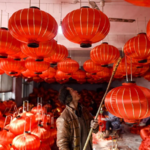
How one village makes 80% of China's New Year lanterns Host: Although New Year celebrations are now over for most of the world, China is still looking ahead to its festival. And even though it's still five weeks away, preparations are already well underway. For one village in northern China, that means production is being stepped up to supply shops, restaurants and millions of people with one of the most important New Year items, red lanterns. Our China correspondent Stephen McDonald travelled to Tuntou to find out more. Stephen: Walking around the streets of Tuntou, you see evidence of lantern-making wherever you look. A view through an open door into a courtyard might reveal a small group of villagers making them by hand. Down the main street, the red lanterns are piled up on top of one another. Nobody seems to know just how many hundreds of years ago the craft started in this part of northern China. But this one village produces a remarkable 80% of the country's lanterns. In fact, if you're born in this part of Hebei Province, you're immersed in lantern making from a very young age. Villager: When you see others in your family doing it every day, you get the hang of it quickly. Stephen: I asked how old villagers are when they start making lanterns. Villager: Kids here can pick it up from around 10 years old. Stephen: Trucks come through to pick up lanterns for delivery which range from the size of a basketball to a small caravan. Villager: We can make lanterns up to 20 meters tall without any problem. Stephen: 72 year old Bai Junping told us he switched from carpentry to lantern making as a young man because the pay was better. Villager: Our village is indeed famous. We're known as the Palace Lantern Village. Stephen: I asked how they felt about dedicating their lives to this. Villager: Of course, I feel proud of my work. Our lanterns can even, at times, be shipped overseas. Stephen: Chinese New Year isn't till February, but the presence of street lanterns is already building up to it, according to one man who'd come to see the lantern show. Visitor: We also hang lanterns in ordinary times, but of course, the atmosphere is better during the New Year period with more people out and about. Stephen: Back in Tuntou, lantern production is in full swing to meet the New Year orders. In the future, modern production may find a way to match what this village can do by hand, offering the same diversity of options at a cheaper price. But for now, it's this village which supplies China with its lanterns, keeping an important cultural symbol alive. 词汇表 underway [ˌʌndəˈweɪ] adj. 进行中的,在开展的 courtyard [ˈkɔːtjɑːd] n. 庭院,院子 pile up 堆积,堆放 craft [krɑːft] n. 手艺,工艺 remarkable [rɪˈmɑːkəbl] adj. 显著的,非凡的 be immersed in [ɪˈmɜːst] 沉浸在…氛围中,被…所包围 get the hang of 掌握…的窍门,学会 caravan [ˈkærəvæn] n. (可供居住的)大篷车,房车 carpentry [ˈkɑːpəntri] n. 木工手艺,木匠业 Palace Lantern Village [ˈpæləs ˈlæntən ˈvɪlɪdʒ] 中国宫灯第一村;宫灯之乡 dedicate one's lives to [ˈdedɪkeɪt] 一生致力于,把一生献给 ship overseas 运往海外,远销海外 in full swing [swɪŋ] 全面展开,如火如荼地进行 🌟翻译,pdf及更多文本内容见公众号【琐简英语】,回复"1"可加入【打卡交流群】

2分钟
1k+
4周前

BBC随身英语|“新年决心”的前世今生

英音听力|BBC & 经济学人等

The origin of the New Year's resolution Happy New Year! For many in the UK, if the New Year means anything, it means starting with a clean slate and turning over a new leaf. And to do this, many of us make New Year's resolutions – a list of ways that we intend to improve ourselves in the year ahead. We reflect on our past transgressions and resolve not to do them again. Refraining from smoking is ever popular, as is a vow to take up more exercise or spend more time with family. But where does the idea of a New Year's resolution come from? The answer might lie 4,000 years ago in ancient Babylonia, according to History.com. The Babylonians are believed to be the first to hold recorded celebrations for the New Year. The 12-day-long celebration, Akitu, allowed them not only to reaffirm their loyalty to the king, or crown a new one, but also to pledge to the gods to pay their debts and return borrowed objects. For their 'good behaviour', they believed the gods would bestow favour upon them for the year to come. If not, there would be divine consequences! The Romans too had similar traditions. New Year's Day was a time when senators would swear they had upheld the laws and city leaders and soldiers would take an oath of loyalty to the emperor. Incidentally, the month of January, is named after the Roman god Janus. He is the god of beginnings, transitions and time, among other things and is depicted as having two faces – one looking to the past and the other facing forward to the future. The Romans may be long gone, but their legacy lives on. Come the turn of the year, our eyes turn inwards. We look at self-improvement, review our past mistakes, confess our wrongdoings, seek atonement and try to sharpen up in general. Ultimately, much like the Babylonians and Romans, we seek to reaffirm the best parts of ourselves, while leaving the dross behind. Whether you're looking at a quick behavioural tweak, or a huge personality overhaul, you're taking part in a tradition that goes back centuries. I wish you all the best sticking to your resolutions. Happy New Year! 词汇表 start with a clean slate [sleɪt] 从头开始,既往不咎 turn over a new leaf 翻开新篇章,改过自新 New Year's resolution [ˌrezəˈluːʃn] n. 新年决心,新年愿望,新年计划 transgression [trænsˈɡreʃn] n. 过错,罪过,违规行为 resolve [rɪˈzɒlv] v. 下定决心,决定,决意 refrain from [rɪˈfreɪn] 戒除,克制,避免 vow [vaʊ] n. 誓言,誓约 ancient Babylonia [ˌbæbɪˈləʊniə] n. 古巴比伦(古代西亚国家) Babylonian [ˌbæbɪˈləʊniən] adj. 巴比伦的;n. 巴比伦人 Akitu [əˈkiːtuː] n. 阿基图节(古巴比伦新年庆典) reaffirm [ˌriːəˈfɜːm] vt. 重申,再肯定,再次确认 crown [kraʊn] vt. 为…加冕,立…为王 pledge [pledʒ] v. 立誓,承诺,保证 bestow favour upon [bɪˈstəʊ] 赐予恩惠,施恩于 divine consequences [dɪˈvaɪn ˈkɒnsɪkwənsɪz] 神的惩罚,天谴 senator [ˈsenətə(r)] n. 元老院议员,参议员 swear [sweə(r)] vt. 发誓,宣誓 uphold [ʌpˈhəʊld] vt. 维护,遵守(法律、原则等) take an oath [əʊ] 宣誓,立下誓言 incidentally [ˌɪnsɪˈdentəli] adv. 顺带一提,附带地 Janus [ˈdʒeɪnəs] n. 雅努斯(罗马神话中的开端与过渡之神) depict [dɪˈpɪkt] vt. 描绘,描画 confess [kənˈfes] v. 坦白,承认(过错) wrongdoing [ˈrɒŋduːɪŋ] n. 过失,不良行为 atonement [əˈtəʊnmənt] n. 弥补,补偿,赎罪 sharpen up [ˈʃɑːpən] 改进,改善 dross [drɒs] n. 糟粕,废物,无用之物 tweak [twiːk] n. 微调,稍稍调整 overhaul [ˈəʊvəhɔːl] n. 大修,彻底改造,全面改革 📖 翻译、pdf见公众号【琐简英语】,回复"1"可进【打卡交流群】

2分钟
2k+
1个月前

Do you really know|冬日户外保暖有哪些好方法?

英音听力|BBC & 经济学人等

What are the best ways to keep warm outdoors? A lot of people are reluctant to go out in the cold during the winter season. It's a real shame as there are many ways in which you can protect yourself from low or even sub-zero temperatures. You've probably been told it a million times since you were a kid, but it bears repeating. You need to wrap up warm. The clothes you wear outdoors trap warm air inside them. A good starting point is wearing a cotton T-shirt to absorb sweat and thereby neutralize humidity, which can exacerbate feelings of cold. Then wear a sweater or warm jacket made of a high quality material like wool, cashmere or alpaca. Finally, a decent coat or windcheater on top, as well as a scarf and most importantly a woolly hat or beanie, as 30% of warmth leaves the body via the head. Does drinking hot drinks before going out help? Warm is probably a better option than hot, actually. When you swallow a very hot drink, the feeling of warmth you get quickly fades, as your body struggles to find its regular temperature. Meanwhile, a warm drink won't leave you with that annoying cold sensation afterwards. If you can, go for tea, bouillon or soup before going out, rather than coffee or any type of alcohol. That's because they dilate blood vessels and therefore cause body temperature to drop. Blood moves from the body's core to the surface of our skin, which makes us feel warmer than we actually are. That can be dangerous. How about when we get outside? It might seem obvious, but can easily be forgotten. To keep your body temperature up outside, you need to stay active. Simply walking is enough to stimulate blood flow. Move your arms as you walk, and don't keep your hands in your pocket, no matter how tempting it might be. Tapping your face gently will also help stimulate blood flow. Your hands are particularly sensitive to the cold, so don't forget to wear gloves or mittens. You can also rub your hands together or use hand warmers, which are very practical when it gets extra cold. If you're still feeling cold any time you go out, you may want to talk to your doctor about it. Sometimes sensitivity to cold is caused by an underlying health condition. like iron deficiency, a low body mass index, poor blood circulation or hypothyroidism. There you have it. 词汇表 reluctant [rɪˈlʌktənt] adj. 不情愿的,勉强的 sub-zero [ˌsʌb ˈzɪərəʊ] adj. 零下的,严寒的 wrap up warm [ræp] 穿暖和些 cotton T-shirt [ˈkɒtn ˈtʃɜːt] 棉质T恤 neutralize humidity [ˈnjuːtrəlaɪz hjuːˈmɪdəti] 减少湿度,中和湿度 exacerbate [ɪɡˈzæsəbeɪt] vt. 加剧,使恶 cashmere [ˈkæʃmɪə(r)] n. 羊绒,开司米 alpaca [ælˈpækə] n. 羊驼毛;羊驼 decent [ˈdiːsnt] adj. 像样的,得体的 windcheater [ˈwɪndtʃiːtə(r)] n. 防风夹克,风衣 woolly hat [ˈwʊli] 羊毛帽 beanie [ˈbiːni] n. 无檐小便帽,毛线帽 bouillon [ˈbuːjɒn] n. 肉汤,清汤 dilate blood vessels [daɪˈleɪt blʌd ˈveslz] 扩张血管 stimulate blood flow [ˈstɪmjuleɪt] 促进血液循环 tempting [ˈtemptɪŋ] adj. 诱人的,有吸引力的 tap one's face [ˌtæp] 轻拍脸部 be sensitive to [ˈsensətɪv] 对…敏感,易受…影响 mitten [ˈmɪtn] n. 连指手套 rub one's hands together [ˌrʌb] 搓手,摩擦双手 hand warmer [ˌwɔːmə(r)] n. 暖手宝,暖手器 underlying [ˌʌndəˈlaɪɪŋ] adj. 潜在的,根本的 iron deficiency [ˈaɪən dɪˈfɪʃnsi] 缺铁 body mass index [mæs ˈɪndeks] 体重指数(BMI) blood circulation [ˌsɜːkjəˈleɪʃn] 血液循环 hypothyroidism [ˌhaɪpəʊˈθaɪrɔɪdɪzəm] n. 甲状腺功能减退 🪴翻译和pdf见公众号【琐简英语】,回复"1"可进入【打卡交流群】

2分钟
1k+
1个月前

BBC随身英语|安静的隐秘力量

英音听力|BBC & 经济学人等

The hidden power of silence Take a second now, and listen to what you can hear around you. Your breathing? Traffic? Silence? If it's the last of those, then good news because silence offers significant benefits for our minds and bodies. In our noise-filled world, silence can make us feel calmer mentally. The absence of noise gives the brain more time to process information and therefore provides much-needed mental clarity. Your focus can improve, and you could feel a deeper connection to emotions and thoughts when there is reduced background noise, according to Pysch Central article 'The hidden benefits of silence'. There have been a variety of studies proving that silence can reduce stress levels. Silence achieves this by lowering cortisol and adrenaline, which encourages mindfulness, promotes self-awareness, and allows the brain to 'reset' and gives a peaceful break from busy lives. There are physical benefits too. A 2013 study called 'Is silence golden?' found that silence can increase the number of cells in the hippocampus of the brain. Researchers studied mice and found that just two hours of silence a day led to cell development. A study into the effects of music and silence was conducted by The National Institutes of Health. Researchers interspersed different musical styles with a period of two-minute silence and discovered that when this silence was introduced, the participants' 'respiratory frequency, heart rate, and blood pressure all decreased to below baseline levels'. While silence has proven mental and physical benefits, did you know it can also help you in conversation? On the BBC podcast 'The glories of being quiet', the presenters discussed how silence in conversation means you're able to listen more and give others the chance to share what they need to. This will naturally make you a better conversational partner and can help nurture relationships. Plus, it helps you to listen and respond in a calm and confident way. So, turn down the noise and relax into some silent peace. 词汇表 noise-filled [nɔɪz fɪld] adj. 充斥着噪音的,嘈杂的 much-needed [ˌmʌtʃ ˈniːdɪd] adj. 急需的,很需要的 mental clarity [ˈmentl ˈklærəti] 思维清晰,头脑清醒 background noise 背景噪音,环境噪音 cortisol [ˈkɔːtɪsɒl] n. 皮质醇(压力激素) adrenaline [əˈdrenəlɪn] n. 肾上腺素(压力激素) mindfulness [ˈmaɪndfʊlnəs] n. 正念,专注当下 self-awareness [ˌself əˈweənəs] n. 自我意识,自我认知 reset [ˌriːˈset] vt. 重启,重置,恢复初始状态 cell [sel] n. 细胞 hippocampus [ˌhɪpəˈkæmpəs] n. 海马体(大脑中负责记忆和学习的部分) intersperse [ˌɪntəˈspɜːs] vt. 穿插,散布 respiratory frequency [rəˈspɪrətri ˈfriːkwənsi] 呼吸频率 baseline [ˈbeɪslaɪn] n. 基准线,基准 glory [ˈɡlɔːri] n. 赞美,赞颂,颂扬 nurture relationships [ˈnɜːtʃə] 培养关系,维系情谊 📖 翻译、pdf见公众号【琐简英语】,回复"1"可进【打卡交流群】

2分钟
1k+
1个月前
EarsOnMe

加入我们的 Discord

与播客爱好者一起交流

立即加入

扫描微信二维码

添加微信好友,获取更多播客资讯

微信二维码

播放列表

自动播放下一个

播放列表还是空的

去找些喜欢的节目添加进来吧