BBC六分钟英语|过去的圣诞节氛围更好吗?

英音听力|BBC & 经济学人等

Was Christmas better in the past? Beth Hello and welcome to 6 Minute English from BBC Learning English. I'm Beth. Neil And I'm Neil. Now, it's Christmas time in the UK at the moment. And like with celebrations around the world, lots of people have many happy memories about Christmas. Beth, do you have any happy Christmas memories? Beth I have a lot. Um, my cousins and I used to always put on a Christmas performance for the family. That was always fun. What about you? Neil Christmas was magical. I lived in Canada when I was a kid and it was always snowing, so it just felt perfect. Beth Amazing. Well, at this time of year, we might look back at the Christmases from the past, from our childhood, and feel like they were happier or more magical than Christmas feels today. Neil Yes, thinking about the past can make us feel happy and sad at the same time. It's a strange feeling we call nostalgia. And we're going to be talking about nostalgia today as well as Christmas memories and traditions. First, Beth, I have a question for you. In the UK, the most popular Christmas meal is a roast turkey. Beth Ooh yes, and all the roast potatoes and Brussels sprouts. Neil That's right, yes. But which of these has become a popular food to eat at Christmas time in Japan? a) turkey ramen b) fried chicken c) takeaway pizza Beth I think the answer is fried chicken. Neil Well, we'll find out at the end of the programme. Now, at Christmas, people often create family traditions that they repeat every year. Common traditions in the UK including putting out a snack for Father Christmas, that's Santa Claus, who delivers presents for children. Beth Well, here is host of BBC Radio 4's All in the Mind, Claudia Hammond, talking to psychology professor Daryl O'Connor about his Christmas traditions. Claudia Hammond Hello Daryl, I wonder whether you think nostalgia for Christmas past influences your Christmas present plans? Daryl O'Connor Well, indeed it does, Claudia. So, actually, I look back on my childhood Christmases with lots and lots of nostalgia. So, when I was a child, every single Christmas morning we would have to queue up on the stairs, and my father would go in the front room of the house, just to double check, just in case Santa Claus was still there, and then we had to wait. And then of course, I have repeated that exact same thing for my children. Claudia They line up on the stairs as well? How sweet. Dying for their presents! Neil When Claudia asks Daryl whether nostalgia influences his present-day Christmases, Daryl responds, indeed it does. This is a common conversational way to say yes, or agree with someone, we say indeed, followed by do in the present tense. Beth On Christmas morning, Daryl asks his children to queue up on the stairs so he can check for Santa Claus, just like Daryl's father did when he was small. And Claudia likes this tradition, imagining the children waiting on the stairs, dying for their presents. We use the phrase dying for informally when someone really wants something. Neil Now, when we remember Christmas from the past and feel nostalgia, we often remember things in a very positive way. But was the past definitely better? Are we remembering correctly? Beth This is what Claudia Hammond asked Catherine Loveday, who's a professor of cognitive neuroscience, on BBC Radio 4 programme, All in the Mind. Claudia Hammond How accurate are nostalgic memories? Are they accurate? Catherine Loveday Well, they're often going to be rose-tinted and made more positive of course, and that's what we do with our past generally, but it doesn't really matter. I mean, in our work, we've just shown that the function of memory is not about accuracy. It doesn't matter if some of the details are wrong, it doesn't matter how we frame it. In fact, it's actually better for us in a way to reframe our memories and to slightly adjust them to suit who we are now. Neil Catherine says that our memories are often rose-tinted. If a memory is rose-tinted, we only see the positive things about it, and don't remember any of the bad parts. Beth But, according to Catherine, it doesn't always matter. She says the function of memory is not accuracy. Function means the purpose of something. Neil In fact, Catherine says that how we frame a memory doesn't matter. Frame can be used as a verb to mean how we think of or describe something, like a memory. Beth So, our memories aren't that accurate, and it isn't that important, unless of course, we need to remember factual details about something important. Neil So, our nostalgia about Christmas memories might not be based on what things were actually like in the past, but we shouldn't worry too much! And I think it's time I revealed the answer to my quiz question, Beth. I asked what has become a traditional food to eat in Japan at Christmas time? Beth And I said fried chicken, was I right? Neil You are absolutely correct. 📝字数限制、完整文本、词汇表、翻译及pdf见公众号【琐简英语】,回复1可加入【打卡交流群】

5分钟
2k+
1个月前

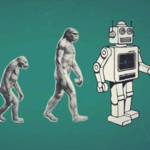
BBC Ideas|什么是超人类主义?

英音听力|BBC & 经济学人等

What is transhumanism? Most of us would consider the end of the human race as a catastrophe. There are some, however, who would not only rejoice at it, but want to hasten the day it arrives. Transhumanists look forward to a future in which Homo sapiens is superseded by a better, smarter, fitter model - humanity 2.0. Humans are in dire need of improvement. Any species that causes huge damage to our environment, can't feed itself even though it has enough food and fights countless wars costing millions of lives must surely benefit from an intelligence upgrade. Our lifespans are short, our final years usually characterised by diminishing health and vitality, often accompanied by a drop-off in cognitive capacity. One in three people born in 2015 are expected to get dementia. Is this really the best we can hope for? Transhumanists think not. Ageing could be stopped and even reversed. Enhancements could dramatically raise our IQs and make us stronger and fitter. We might even be able to leave our fragile bodies behind and upload ourselves to computers, living forever in virtual worlds. Improving humanity through science and technology could radically change us. Such a new beginning would in effect be the end of humanity as we know it. Many transhumanists see this as not only desirable but inevitable. The scientist and futurist, Ray Kurzweil, believes we are approaching what he calls "the singularity" - the point at which computers become smart enough to learn for themselves, after which they will rapidly become smarter and smarter. The future belongs to artificial intelligence. The only way for humanity to survive is to embrace it and become wholly or partially artificial ourselves. The thought of being replaced by a new form of humanity is bound to be unsettling. But transhumanists think we would be wrong to lament the end of humanity as we know it when what replaces us would be so much better. It would be like wishing children never grew up or that Homo erectus never evolved into Homo sapiens. If the transhumanists are right, we could be one of the last generations of humans to roam the planet. 词汇表 transhumanism [trænsˈhjuːmənɪzəm] n. 超人类主义(主张利用科技增强人类能力,包括智力、体能等) catastrophe [kəˈtæstrəfi] n. 灾难,灾祸 rejoice at [rɪˈdʒɔɪs] 因…而高兴,为…欣喜 hasten [ˈheɪs(ə)n] vt. 加速,加快,促进 transhumanist [trænsˈhjuːmənɪst] n. 超人类主义者 Homo sapiens [ˌhəʊməʊ ˈsæpienz] n. 智人(现代人的学名) supersede [ˌsuːpəˈsiːd] vt. 取代,替代,接替(旧事物) in dire need of [ˈdaɪə(r)] 迫切需要,急需 diminishing [dɪˈmɪnɪʃɪŋ] adj. 减弱的,衰退的 vitality [vaɪˈtæləti] n. 活力,生命力 drop-off n. 下降,下跌 cognitive capacity [ˈkɒɡnətɪv kəˈpæsəti] 认知能力 dementia [dɪˈmenʃə] n. 痴呆症 reverse [rɪˈvɜːs] vt. 逆转,翻转,彻底改变 enhancement [ɪnˈhɑːnsmənt] n. 增强,提高,改进 dramatically [drəˈmætɪkli] adv. 显著地,剧烈地 desirable [dɪˈzaɪərəb(ə)l] adj. 值得追求的,令人向往的,可取的 futurist [ˈfjuːtʃərɪst] n. 未来学家,未来主义者 singularity [ˌsɪŋɡjʊˈlærəti] n. 技术奇点(指人工智能等技术发展到超越人类智能、并能够自我持续改进的假设性时刻) unsettling [ʌnˈset(ə)lɪŋ] adj. 令人不安的,使人担忧的 lament [ləˈment] v. 哀悼,悲叹,痛惜 Homo erectus [ˌhəʊməʊ ɪˈrektəs] n. 直立人 roam [rəʊm] v. 漫游,漫步,闲逛 💡 视频、翻译和pdf见公众号【琐简英语】,回复"1"可进【打卡交流群】

2分钟
1k+
1个月前

Do you really know|如何度过一个环保的圣诞节?

英音听力|BBC & 经济学人等

How to have an eco-friendly Christmas Christmas need not be a frenzy of shopping and unwanted gifts. More and more of us want to be mindful and minimal waste consumers. So here are some tips on how to have an eco-friendly Christmas. How to have an eco-friendly tree and decorations? Real trees are more sustainable than artificial, but there is still a lot of waste. Once Christmas is over, go to recyclenow.com to find out about drop-off points in your area where old trees get turned into chipping for local parks and woodland areas. Alternatively, consider renting a real tree that is replanted once you're done. The same goes for wreaths. Real and, if you're on a budget, you can always make your own from foliage, red berries or mistletoe that you can pick up in a park or wood. For decorations, switch to LED lights, which use up to 80% less energy and can last up to 25 times longer. And if you enjoy the cosy glow of candles, then choose natural rather than paraffin-based. It's more sustainable and better for your health. For decorations themselves, be sure to reuse them each year. If you'd like to add to your collection, look for ones made from brass, glass or wood, ideally from local or independent shops. You can also make your own decorations. And if you want to add some sparkle, then choose biodegradable glitter. Check out ecoglitterfun to find some. What about gifts? When it comes to gifts, buying second-hand is a great way to help the planet. There are plenty of options. You could even set up a pre-Christmas swap shop, where you swap your unwanted things with friends, and you all end up with something new, well at least to you. Alternatively, you can offer experiences rather than gifts, like tickets to a show, or an event, or even a treatment at a spa. If you want to buy new, consider independent stores or small companies, but do check out their fair trade credentials and their carbon footprint. Also, don't forget wrapping paper. Many rolls contain non-recyclable elements like foil, glitter or plastic. Opt instead for recycled paper or just plain brown paper and cheer it up with a ribbon or a sprig of foliage. Or even wrap gifts with colourful fabric squares that can be reused again and again. What about the meal? If you're hosting for more people than you have cutlery or glasses for, you could rent or ask friends and family to bring their own. Disposable cutlery, plates and cups are often single-use plastic and end up going straight to the landfill. And once the meal is over, try composting the leftover food rather than throwing it away. Finally, you surely want to look your best, but sequins are made from PVC with no biodegradable substitutes. Choose instead sustainable materials or try clothes swapping or second-hand apps like Vinted or Swopped to find your perfect Christmas outfit. There you have it. 词汇表 frenzy [ˈfrenzi] n. 狂热,疯狂,狂欢 unwanted [ˌʌnˈwɒntɪd] adj. 不需要的,无用的,闲置的 minimal [ˈmɪnɪməl] adj. 尽可能少的,最低限度的 drop-off point 回收点,投放点 chipping [ˈtʃɪpɪŋ] n. (石或木等)碎屑 woodland [ˈwʊdlənd] n. 林地,树林,林区 alternatively [ɔːlˈtɜːnətɪvli] adv. (引出另一种选择)要不,或者,另外 wreath [riːθ] n. 花环,花冠,花圈 on a budget [ˈbʌdʒɪt] 预算有限的,手头紧 foliage [ˈfəʊliɪdʒ] n. 叶子,枝叶,树叶 mistletoe [ˈmɪs(ə)ltəʊ] n. 槲寄生 cosy [ˈkəʊzi] adj. 温暖舒适的,温馨的 paraffin [ˈpærəfɪn] n. 石蜡,煤油 brass [brɑːs] n. 黄铜,黄铜制品 sparkle [ˈspɑːk(ə)l] n. 闪光,闪烁,闪耀 biodegradable [ˌbaɪəʊdɪˈɡreɪdəb(ə)l] adj. 可生物降解的 glitter [ˈɡlɪtə(r)] n. 闪粉,亮片,闪光小饰物 swap shop [swɒp] 物品交换处,二手交换集市 spa [spɑː] n. 水疗中心,矿泉疗养地 fair trade credential [krɪˈdenʃ(ə)l] 公平贸易认证 carbon footprint [ˈkɑːbən ˈfʊtprɪnt] 碳足迹,碳排放量 wrapping paper [ˈræpɪŋ] (礼品)包装纸 roll [rəʊl] n. (布、纸等)一卷,卷轴,卷筒 foil [fɔɪl] n. (包裹食物的)箔,箔纸 recycled paper [ˌriːˈsaɪk(ə)ld] 再生纸,回收纸 brown paper [braʊn] 牛皮纸,棕色打包纸 cheer something up 点缀,装饰,增添趣味 ribbon [ˈrɪbən] n. 丝带,缎带,装饰带 sprig [sprɪɡ] (烹饪或装饰用)带叶小枝 fabric square [ˈfæbrɪk skweə(r)] n. 布块,方巾 cutlery [ˈkʌtləri] n. (刀、叉、勺等)餐具 disposable [dɪˈspəʊzəb(ə)l] adj. 一次性的,用后即弃的 landfill [ˈlændfɪl] n. 垃圾填埋,垃圾填埋场 composting [ˈkɒmpɒstɪŋ] n. 堆肥处理 leftover food [ˈleftəʊvə(r)] 剩菜剩饭,剩余食物 sequin [ˈsiːkwɪn] n. (衣物上的)亮片 PVC n. 聚氯乙烯(一种塑料) outfit [ˈaʊtfɪt] n. (特定场合的)全套服装,装扮,装束 🪴翻译和pdf见公众号【琐简英语】,回复"1"可进入【打卡交流群】

2分钟
1k+
1个月前

Do you really know|为什么圣诞电影如此受欢迎?

英音听力|BBC & 经济学人等

Why are Christmas films so popular? If you were to turn on your TV right now or open up Netflix, the chances of you stumbling upon a cheesy Christmas movie would be pretty high. They tend to be full of cliches, cringeworthy one-liners and predictable plots. But still, we just can't seem to get enough. Let's take a moment to delve into the psychology behind Christmas movies and how they got to be so successful. Who made the first Christmas film? It was a Brit, actually. Mormon director George Albert Smith released a short silent drama called Santa Claus in 1898, which showed Santa visiting a house on Christmas Eve. Moving into the 20th century, the history of Christmas movies reflects the evolution of Hollywood itself. In the US, they really became a genre, or even tradition, in their own right. The first wave came in the 1990s. Of course, there was the Home Alone series. The first edition generated a whopping $286 million at the box office. The year 2000 saw Jim Carrey portray the Grinch: "I must stop this Christmas from coming! Now!" While Love Actually, released three years later, became a masterpiece in the Christmas rom-com genre. In the last decade or so, Christmas films have really boomed thanks to American TV stations Hallmark and Lifetime going all in on the concept and reaping the rewards. Not to mention the rise of online streaming. The number of new Christmas movies produced each year has quadrupled since 2009. According to Entertainment Weekly, 2022 will see around 170 Christmas films, of which Hallmark and Lifetime account for 66. The formula for a magical Christmas film is pretty simple, both in terms of script writing and production. Forbes says that the budget is most often under $2 million, If they're repetitive and predictable, how come we keep coming back for more? Watching a Hallmark movie, or a Christmas movie in general, has become a kind of ritual, and the fact that there are so many new ones each year just reinforces that. Heck, even without the new ones, we're happy to tune into reruns of the classics year after year. After all, Christmas comes once a year, and these films can get us in the festive spirit. They also provide escapism and certainty. We can't control a lot of what's going on in the world, but we can enjoy the familiar structure and predictable outcome of a Christmas movie. They're family-friendly, too, which helps when members of multiple different generations are gathered together. What are the key ingredients to a good Christmas film, then? To start with, snow, of course, and lots of it. And just in general, the more holiday-themed tropes, the better. There's almost always a love story at the center of the plot, which is often an old romance being rekindled. Another safe bet is that of the Grinch or Scrooge turning gracious through the magic of the season. Many actors like Lacey Chabert and Laurie Loughlin have built up a reputation for appearing in Christmas films. Seeing a familiar face is bound to get viewers in their comfort zone. There you have it. 词汇表 stumble upon [ˈstʌmbəl] 偶然发现,碰到 cheesy [ˈtʃiːzi] adj. 俗气的,低俗的 cliché [ˈkliːʃeɪ] n. 陈词滥调,老生常谈,俗套 cringeworthy [ˈkrɪndʒˌwɜː(r)ði] adj. 令人尴尬的,令人难堪的 one-liner [ˈwʌn ˈlaɪnə(r)] n. 俏皮话,妙语,金句 predictable [prɪˈdɪktəb(ə)l] adj. 意料之中的,可预见的,老套的 delve into [delv] 深入研究,探究 Santa Claus [ˈsæntə klɔːz] 《圣诞老人》(无声短片名) genre [ˈʒɑːnrə] n. 类型,体裁 Home Alone 《小鬼当家》(电影名) whopping [ˈwɒpɪŋ] adj. 巨大的,庞大的 Grinch [ɡrɪntʃ] n. 圣诞怪杰,扫兴者(角色名,一个试图破坏圣诞节的绿色怪物) Love Actually [lʌv ˈæktʃuəli] n. 《真爱至上》(电影名) masterpiece [ˈmɑːstə(r)ˌpiːs] n. 杰作,代表作,经典之作 rom-com [ˈrɒm kɒm] n. 浪漫喜剧(romantic comedy的缩写) boom [buːm] vi. 繁荣,迅速发展 go all in 全力以赴,全力投入 reap the rewards [riːp ðə rɪˈwɔː(r)dz] 获得回报,收获成果 online streaming [ˈstriːmɪŋ] n. 在线流媒体 quadruple [ˈkwɒdrʊp(ə)l] v. 使成四倍,翻两番 formula [ˈfɔː(r)mjələ] n. 公式,配方,准则 ritual [ˈrɪtʃuəl] n. 仪式,惯例,习惯 reinforce [ˌriːɪnˈfɔː(r)s] vt. 加强,强化 tune into [ˈtjuːn] 收看,收听 rerun [ˈriːrʌn] n. 重播,重放,重映 festive spirit [ˈfestɪv] n. 节日气氛,喜庆的氛围 escapism [ɪˈskeɪpɪzəm] n. 逃避现实,解脱 family-friendly adj. 适合全家观看的,合家欢的 holiday-themed tropes [trəʊps] 节日主题元素,节日相关桥段 rekindle [ˌriːˈkɪnd(ə)l] vt. 重新点燃,使复燃 safe bet 稳妥的做法,准能赢的赌注 Scrooge [skruːdʒ] n. 吝啬鬼,守财奴(狄更斯小说《圣诞颂歌》角色) gracious [ˈɡreɪʃəs] adj. 宽厚的,仁慈的 🪴翻译和pdf见公众号【琐简英语】,回复"1"可进入【打卡交流群】

3分钟
2k+
1个月前

Do you really know|什么是活死人综合症?

英音听力|BBC & 经济学人等

What is the Living Dead Syndrome? In Tim Burton's 2004 film The Corpse Bride, groom-to-be Victor rehearses his wedding vows in the forest to calm his anxiety. However, he mistakenly slips the ring onto what he thinks is a tree branch, but is actually the finger of Emily, the corpse of a mysterious young woman in a bridal gown. Victor then finds himself immersed in the colourful and joyful world of the dead. But it is not just fairy stories or horror movies that are interested in zombies and the dead returning to the world of the living. Psychiatrists are as well. How so? Cotard's syndrome, also known as the living-dead syndrome, is named after Jules Cotard, a 19th century French neurologist who identified this disorder. Patients feel like wandering corpses, empty shells, convinced that they are on the border between life and death, often accompanied by feelings of melancholy, anxiety, ideas of damnation or rejection, denial of existence and sometimes even delusions of immortality. Immortality? Even though the patients believe they are dead? Yes. Because the patients already believe they are dead, they think they're immune to anything that could happen to them. This can lead to suicidal behaviour or putting themselves in harm's way. Others lose the perception of pain or starve themselves because they see no point in feeding a dead body. Everything loses its meaning because they no longer understand their presence in the world. In a 2009 article published in Current Psychiatry Reports, psychiatrists reported the case of a patient convinced of his death and worried about not having been buried. Another person was convinced that their brain was missing, that her intestines were gone and that her entire body was translucent. She refused to take a bath or shower because she was afraid of being soluble and disappearing down the drain. Cases of patients who do not believe in their own existence are the most extreme. But in other cases, they believe they're on the verge of death due to the destruction of their internal organs like the stomach, brain and intestines. They believe them to be rotten or disintegrating. This is what Cotard reported in the case of a 43-year-old patient who claimed to no longer have a brain, nerves, chest, stomach or bowels. All that remained was the skin on her bones. Is this syndrome common? No, it's extremely rare and is often associated with other psychiatric pathologies such as bipolar disorder, schizophrenia, depression or neurological factors such as epilepsy or frontal lobe dysfunction. Thankfully, this disorder can be treated with medication and therapy. There you have it. 词汇表 Corpse Bride [ˌkɔːps ˈbraɪd] 《僵尸新娘》(动画电影名) groom-to-be [ˌɡruːm] n. 准新郎,即将成为新郎的人 wedding vows [ˈwedɪŋ vaʊz] 婚礼誓词 slip somthing onto (轻松地)戴上,套在,穿上 bridal gown [ˈbraɪdl ɡaʊn] 婚纱,新娘礼服 be immersed in [ɪˈmɜːst] 沉浸在,深陷于 zombie [ˈzɒmbi] n. 僵尸,丧尸,行尸走肉 psychiatrist [saɪˈkaɪətrɪst] n. 精神病学家,精神科医生 Cotard's syndrome / living-dead syndrome [kəʊˈtɑːdz ˈsɪndrəʊm] 科塔尔综合征,活死人综合征(坚信自己已经死亡或身体器官不复存在的精神疾病) neurologist [njʊˈrɒlədʒɪst] n. 神经学家,神经科医生 wandering corpse [ˈwɒndərɪŋ kɔːps] 四处游荡的尸体 empty shell [ʃel] 空洞的躯壳,空壳 melancholy [ˈmelənkəli] n. 忧郁,忧伤 damnation [dæmˈneɪʃn] n. 诅咒,天谴,下地狱 delusion [dɪˈluːʒn] n. 妄想,错觉,幻想 immortality [ˌɪmɔːˈtæləti] n. 永生,不朽,不死 be immune to [ɪˈmjuːn] 对…免疫,不受…影响 suicidal [ˌsuːɪˈsaɪdl] adj. 自杀的,有自杀倾向的 intestine [ɪnˈtestɪn] n. 肠 translucent [trænzˈluːsnt] adj. 半透明的,晶莹剔透的 soluble [ˈsɒljəbl] adj. 可溶解的,易于溶解的 on the verge of [vɜːdʒ] 濒临,即将,接近于 internal organ [ɪnˈtɜːnl ˈɔːɡən] 内脏器官 disintegrate [dɪsˈɪntɪɡreɪt] vi. 分解,瓦解,碎裂 bowel [ˈbaʊəl] n. 肠(尤指人肠) psychiatric pathology [ˌsaɪkiˈætrɪk pəˈθɒlədʒi] 精神病状,精神病理学 bipolar disorder [ˌbaɪˈpəʊlə dɪsˈɔːdə(r)] 双相情感障碍,躁郁症 schizophrenia [ˌskɪtsəˈfriːniə] n. 精神分裂症 epilepsy [ˈepɪlepsi] n. 癫痫,羊痫疯 frontal lobe dysfunction [ˌfrʌntl ləʊb dɪsˈfʌŋkʃn] 额叶功能障碍 🪴翻译和pdf见公众号【琐简英语】,回复"1"可进入【打卡交流群】

2分钟
1k+
1个月前

BBC随身英语|圣诞礼物有哪些新思路?

英音听力|BBC & 经济学人等

Christmas gift alternatives It's that time of year when many of us spend money buying gifts for family and friends. We spend hours, even days, searching the shops and websites trying to find the right present for someone - a pair of socks, perfume, a new gadget – only to find the recipient already has it or they've been given it already. Or worse, they just don't like it, which makes me think, "Are we wasting our time and money?" There is so much stuff in the world already and so much waste that maybe when it comes to Christmas giving, we need to think outside the box – use our imagination and be more creative with our generosity. This is particularly true for children, who tend to receive mountains of toys some of which end up not even being looked at. One idea is to implement a 'one-gift' rule so that children don't grow up spoiled. Getting too many gifts can also send out the wrong message. Speaking to BBC online, clinical psychologist Linda Blair says, "When we are given a lot, we expect to receive a lot… even if it's only at Christmas and on birthdays, it will impact on children's attitudes." She also suggests, "If you want to give a gift, give your time". She makes a good point - for children and adults alike, when it comes to giving, think about offering something other than a material object that may get forgotten, discarded or re-gifted. Buying an experience is one alternative - a chance for someone to try something out and do something different. It will cost you money, but for the recipient, it could be an opportunity to try something they could not normally afford or would not have thought about doing. It would therefore be memorable and, hopefully, much appreciated. Another practical gift could be to buy someone lessons, giving them a chance to learn new skills such as horse riding or learning English. And there are what are called 'favours' – money-can't-buy offerings to do jobs for someone like babysitting, cleaning or giving someone a massage. And there is always the fallback of giving vouchers to spend in a shop. Of course, if you can't think of an original way to give a gift, the alternative is to not buy anything at all. You may be accused of being a 'Scrooge' but at least you're not wasting money on pointless gifts and you could give the money to charity instead – a more worthy cause. But if this year, you receive a present that's not to your liking don't be ungrateful and remember the age-old saying that 'it's the thought that counts'. 词汇表 alternative [ɔːlˈtɜːnətɪv] n. 可供选择的事物,替代方案 perfume [ˈpɜːfjuːm] n. 香水;香味 gadget [ˈɡædʒɪt] n. 小器具,小玩意儿 recipient [rɪˈsɪpiənt] n. 接收者,收礼人 think outside the box 跳出传统思维,打破常规思考 spoil [spɔɪl] vt. 宠坏,溺爱 material object 实物,物质的东西 discard [dɪsˈkɑːd] vt. 丢弃,抛弃 re-gift [ˌriːˈɡɪft] vt. (把收到的礼物)转赠,转送 memorable [ˈmemərəbl] adj. 值得纪念的,难忘的 favour [ˈfeɪvə(r)] n. 帮忙,恩惠,善意行为 money-can't-buy offering 金钱买不到的服务/馈赠 babysit [ˈbeɪbisɪt] v. 临时照看小孩,当保姆 massage [ˈmæsɑːʒ] n. 按摩,推拿 fallback [ˈfɔːlbæk] n. 退路,备选方案 voucher [ˈvaʊtʃə(r)] n. 优惠券,代金券 original [əˈrɪdʒənl] adj. 新颖的,独创的,有创意的 scrooge [skruːdʒ] n. 吝啬鬼,小气鬼,守财奴 pointless [ˈpɔɪntləs] adj. 无意义的,空洞的 worthy cause 有价值的事情,崇高的事业 ungrateful [ʌnˈɡreɪtfl] adj. 不领情的,不感激的 age-old [ˈeɪdʒ əʊld] adj. 古老的,由来已久的 it's the thought that counts 礼轻情意重,心意最重要 📖 翻译、pdf见公众号【琐简英语】,回复"1"可进【打卡交流群】

2分钟
2k+
1个月前

Do you really know|如何提高工作时的专注力?

英音听力|BBC & 经济学人等

How can I improve my concentration at work? No matter how prepared you are heading into a normal day at the office, spending hours at your desk can get mundane and boring. Before you know it, your mind's wandering and you've lost focus. According to a study published by Economist Intelligence Unit in October 2020, a third of working time is lost to distractions. That's equivalent to a whopping 581 active hours per employee per year. But actually it doesn't take much to get that concentration back and make some progress on your to-do list. What are some tips for refocusing? The first is not to skimp on breaks. If you feel like your brain is overloaded or you're floundering on a task, stop. It's better to unplug and preferably away from a computer or smartphone screen. Get some fresh air, go have a coffee and talk to your colleagues instead. Contrary to popular belief, the brain is far from inactive during a break. It actually classifies and consolidates information during that time. So rest isn't idleness, nor is it a lost opportunity for productivity. Do you have to focus on one task at a time to be more efficient? Indeed, the second tip is to avoid multitasking or keep it to the bare minimum. Our brains are not actually designed to manage several things simultaneously. At best, they can juggle two tasks. That's because the cerebral cortex can be divided into two, but not three or more. So it's time to say goodbye to multitasking. Rearranging your work environment may also help. It's been proven that surrounding yourself with green plants in the office can reduce headaches by 19% and fatigue by 30%. Furthermore, studies have shown that the productivity and well-being of employees in plant-decorated offices were significantly higher than those of workers in empty offices. What about your internal environment? To feel zen and focused, you also have to know how to make room for yourself. Harvard University advises focusing on mindfulness and meditation exercises to boost concentration. This helps to refocus the brain on the present moment, so that concentration is stronger on a daily basis. One simple mindfulness exercise goes as follows. Take a few minutes each day, close your eyes and focus on your breathing, body and surroundings. If you turn these simple tips and advice into habits over time, you may be surprised at how focused you can become. There you have it. 词汇表 mundane [mʌnˈdeɪn] adj. 单调的,平凡的 wander [ˈwɒndə(r)] vi. (思绪)游离,走神,开小差 be equivalent to [ɪˈkwɪvələnt] 等同于,相当于 whopping [ˈwɒpɪŋ] adj. 巨大的,庞大的,惊人的 refocus [ˌriːˈfəʊkəs] v. 重新聚焦,重新集中注意力 skimp on [skɪmp] 吝啬,节省,舍不得(时间、金钱等) overloaded [ˌəʊvəˈləʊdɪd] adj. 超负荷的,负担过重的 flounder [ˈflaʊndə(r)] vi. 毫无头绪,不知所措,陷入困境 unplug [ˌʌnˈplʌɡ] v. 放下手头工作;拔掉电源;脱离电子设备 preferably [ˈprefrəblɪ] adv. 可能的话,更可取地,最好 inactive [ɪnˈæktɪv] adj. 不活跃的,闲置的,未使用的 idleness [ˈaɪdlnəs] n. 虚度光阴,无所事事,懒惰 multitasking [ˌmʌltiˈtɑːskɪŋ] n. 多任务处理,一心多用 bare minimum [beə(r) ˈmɪnɪməm] 最低限度,最基本要求 simultaneously [ˌsɪmlˈteɪniəsli] adv. 同时地 juggle [ˈdʒʌɡl] vt. 兼顾,同时应付(多项事务) cerebral cortex [ˌserəbrəl ˈkɔːteks] 大脑皮层 rearrange [ˌriːəˈreɪndʒ] vt. 重新布置,重新整理 plant-decorated [plɑːnt ˈdekəreɪtɪd] adj. 有植物装点的,绿植装饰的 zen [zen] adj. 平和的,超然的,禅意的 mindfulness [ˈmaɪndfʊlnəs] n. 正念,专注当下 meditation [ˌmedɪˈteɪʃn] n. 冥想,默想,沉思 🪴翻译和pdf见公众号【琐简英语】,回复"1"可进入【打卡交流群】

2分钟
3k+
1个月前

BBC六分钟英语|如何适应新的饮食文化?

英音听力|BBC & 经济学人等

Learning a new food culture Neil Hello. This is 6 Minute English from BBC Learning English. I'm Neil. Beth And I'm Beth. Neil Every country has its own favourite foods. So, when people leave home and move to a different country, getting used to the new food there can be a surprise. Beth Food can have strange-sounding names. If you know what a toad is, it's an animal, very similar to a frog, you might be surprised to hear that a famous English meal is 'toad-in-the-hole'. Don't worry though, it's made with sausages, not toads! Neil In this programme, we're exploring people's first impressions of a new culture through its food. We'll be hearing how two women, one a refugee, the other a dietitian, adapted to the food of their new home. And, as usual, we'll be learning some useful new vocabulary too. Beth But first, I have a question for you, Neil. A British summer wouldn't be complete without a traditional 'cream tea' – scones, cream, and jam, eaten with a cup of tea. It sounds lovely, but strangely there have been many arguments over cream teas. So, is the cream tea debate about: a) whether to drink tea or coffee? b) whether to put cream or jam onto the scone first? or, c) whether strawberry or raspberry jam is better? Neil Well, I think the controversy is whether to add cream or jam first. Beth OK, Neil. I'll reveal the correct answer later in the programme. Natalia Tkachenko arrived in the Netherlands after leaving her home in Ukraine, following the Russian invasion. She moved in with Weronika Groszewska, who's originally from Poland, and her family, starting them on a journey to open their own restaurant, Natalia's Kitchen. Here's Natalia talking with BBC World Service programme, 'The Food Chain': Natalia Tkachenko Of course, at first it felt like I am well out of, what they call, my comfort zone. When you stay in a certain environment you get used to it, but when you move to another country where you live and work, you experience difficulties, and you have to adapt to get used to local foods. Here, they don't have some of the staples we had in Ukraine, ingredients are different, and so you start working with local foods, find replacements, cook with what you have. Neil At first, Natalia felt out of her comfort zone, a familiar situation in which someone feels secure and in control. She had to adapt to her new life in the Netherlands, she had to change in order to succeed in her new situation. Beth Some of the staple ingredients Natalia used in Ukraine weren't available in the Netherlands. A staple is a basic and important type of food that is regularly eaten by a large portion of the population. So, Natalia adapted her recipes, replacing Ukrainian with Dutch ingredients to create a new kind of cooking which her customers loved. Neil Our second story involves Rachel Winter-Roach, who left her home in England to work on the sunny island of Tobago, in the southern Caribbean. Here, Rachel explains some of the food challenges she faced to BBC World Service programme, 'The Food Chain': Rachel Winter-Roach When I came out to the Caribbean, I was really in for a shock when it came to flavouring and seasoning food, and seasoning is really, really an integral part of food preparation here. Here, the seasoning is multiple, multiple layers. It took me a while to get used to it because everybody has their own way of seasoning and their own little tweaks, and there are no quantities, so it really takes a lot of practice, a lot of trial and error, and I think my family did not always appreciate the errors in the trials. Beth When Rachel moved to Tobago, she was in for a shock. The phrase to be in for a shock means to be sure of experiencing a surprising or unpleasant situation. In Rachel's case, the surprise involved seasoning - the salt, herbs and spices added to food to enhance the flavour. Neil In the Caribbean, seasoning is a big deal. Everyone has their own seasoning recipe, including little tweaks, or small adjustments, which they have added themselves. It took time for Rachel to develop her seasoning skills, mainly through trial and error - a way of solving problems by trying a number of different methods and learning from the mistakes you make along the way. Beth Whether you're fleeing war, starting a new job, or enjoying a cream tea, it seems there's lots to learn about a place from its food, including Britain. So, I think it's time to reveal the answer to my question, Neil. Why is the traditional British cream tea controversial? Neil Well, I guessed it was because people disagree about whether cream or jam should go on the scone first. Beth Which was the correct answer. And anyone who says it's jam first is just wrong! 📝 字数限制,完整文本、词汇表、翻译及pdf见公众号【琐简英语】,回复1可加入【打卡交流群】

5分钟
2k+
1个月前

BBC随身英语|祖先的睡眠智慧能给我们什么启示?

英音听力|BBC & 经济学人等

What can our ancestors teach us about sleep? We've all heard advice about good sleep hygiene. No phones or caffeine before bed, and make sure that we get a good eight hours' rest. But is this the best sleep pattern, or have we just been led to it by modern life? Artificial light in our houses and streets means that we no longer have to go to bed at sundown. Having a job to go to at a set time in the morning can be the main determining factor on when we decide to rouse ourselves. In past centuries, the time of sunset and sunrise had a much bigger impact on people's days. Historical studies have shown that in many parts of the world it was common for people to sleep in two sections, from dusk until around 11 and then from one in the morning until sunrise. This segmented or biphasal sleep pattern is referred to as far back in history as ancient Greece. So, if modern sleep patterns are in some part due to modern lifestyles and technologies, could segmented sleep patterns be more natural? Some studies suggest that they are. The circadian rhythms that determine when we start to feel drowsy are greatly affected by light. Study participants subjected to 14 hours of complete darkness a day started to develop a biphasal sleeping pattern. As recently as 2017, similar patterns have also been seen in some communities in rural Madagascar that do not have access to electric light. They may be more natural, but are these sleeping patterns healthier? Experts caution that the small number of studies carried out means that the risks and benefits of segmented sleeping are not well understood. Nevertheless, some people have found it to be a useful way to find time to be creative. Psychologist Gregg Jacobs suggests that the period of time that people used to spend awake in past centuries could have been used to regulate stress. Other experts remind us that many people find that they wake in the night, and then get anxious at not being able to get back to sleep, which in itself exacerbates any sleeplessness. Making use of the awake time to do something restful could help people improve their sleep. If you do want to try it, sleep researcher Mary Carskadon reminds us that we should stay away from bright lights to avoid disturbing our circadian rhythms. You also might want to check that it won't disturb your work and social life too much. 词汇表 sleep hygiene [ˈhaɪdʒiːn] 睡眠卫生,睡眠健康(指有助于良好睡眠的习惯与环境) caffeine [ˈkæfiːn] n. 咖啡因 sundown [ˈsʌndaʊn] n. 日落,黄昏 at a set time 在固定时间,按时 determining factor [dɪˈtɜːmɪnɪŋ] 决定性因素 rouse [raʊz] vt. 唤醒,叫醒,使醒来 segmented sleep pattern [ˈseɡmentɪd] 分段睡眠模式(黄昏睡到大约晚上11点,然后从凌晨1点睡到日出) biphasal sleep pattern [ˌbaɪˈfeɪzl] 双相睡眠模式,双段睡眠模式 circadian rhythm [sɜːˈkeɪdiən ˈrɪðəm] 昼夜节律(人体受光照等自然环境影响的24小时生理周期) drowsy [ˈdraʊzi] adj. 困倦的,昏昏欲睡的 be subjected to [səbˈdʒektɪd] 遭受,经历,被置于…之下 rural Madagascar [ˈrʊərəl ˌmædəˈɡæskə(r)] 马达加斯加农村地区 caution [ˈkɔːʃn] vt. 警告,告诫,提醒 exacerbate [ɪɡˈzæsəbeɪt] vt. 加剧,恶化,加重 sleeplessness [ˈsliːpləsnəs] n. 失眠,缺乏睡眠 restful [ˈrestfl] adj. 令人放松的,有助于休息的 📖 翻译、pdf见公众号【琐简英语】,回复"1"可进【打卡交流群】

2分钟
2k+
1个月前

Do you really know|怀旧情绪对我们是好是坏?

英音听力|BBC & 经济学人等

Is nostalgia good or bad for us? Have you ever noticed how revisiting films from your childhood, listening to old tunes, or flipping through cherished books can bring on a certain sense of solace? The reality is your past is intricately woven into your present. It shapes who you are and influences the person you go on to become. With its comforting embrace of fond memories, nostalgia seems to breathe new life into past moments, often giving us a boost when we really need it. What actually happens in our brains when we get nostalgic then? Well, back in 2015, researchers from Tokyo Metropolitan University decided to peek into this phenomenon using functional MRI scans. Their findings revealed that viewing images associated with the past triggers activity in our memory and reward circuits, possibly linked to the release of pleasure hormone dopamine. And surprisingly, nostalgia can even act as a natural painkiller. That's according to a study conducted by psychologists and neuroscientists at the Chinese Academy of Sciences in Beijing, the findings of which were published in the Journal of Neuroscience in 2022. The study found that reminiscing about the past may help alleviate certain everyday forms of pain, like a headache. Is nostalgia always good for us then? Medicalnewstoday.com says that nostalgia can also bring on negative emotions at times. While nostalgic depression is not an officially recognized mental health condition, the term is used to describe the elements of sadness people feel when missing parts of their past. For example, we might perceive our past as having been happier than our present is. What's intriguing is that while nostalgic memories are soothing, they tend to be rose-tinted and thus aren't always accurate representations of the past. Christine Bacho is a psychology professor at Le Moyne College in the United States. Talking to National Geographic for a feature on nostalgia in July 2023, she explained that having memories that are better than the actual events serves an evolutionary purpose. Dwelling excessively on the past can actually turn the experience sour and hinder our ability to live in the present. I'm sure at some point you've heard someone being told to stop living in the past, or maybe someone's even said that to you. That suggestion really means focusing more on creating new memories rather than clinging so tightly to past ones. The negative effects of nostalgic depression can include self-deprecation, intense anxiety, a disdain for life, changes in appetite or weight, social withdrawal, sleep disturbances, a loss of motivation and dark thoughts. Medical News Today recommends trying to remember a more realistic view of the past to keep things in perspective, practicing mindfulness and building human relationships in order to combat nostalgic depression. There you have it. 词汇表 revisit [ˌriːˈvɪzɪt] 重访,重游,重温 old tunes [tjuːnz] 老歌,旧曲 flip through [flɪp] 快速翻阅,浏览 cherished [ˈtʃerɪʃt] adj. 珍爱的,珍藏的 solace [ˈsɒləs] n. 慰藉,安慰,抚慰 be intricately woven into [ˈɪntrɪkətli ˈwəʊvn] 与…紧密相连,与…紧密交织 fond memory 美好回忆 nostalgia [nɒˈstældʒə] n. 怀旧,念旧;思乡 give someone a boost [ə buːst] 给某人助力,提振某人的精神 get nostalgic [nɒˈstældʒɪk] 陷入怀旧情绪,开始怀念过去 Tokyo Metropolitan University [ˈtəʊkɪəʊ ˌmetrəˈpɒlɪtən] 东京都立大学 functional MRI scans 功能性核磁共振成像扫描(常用于研究大脑的活动模式) reward circuit [ˈsɜːkɪt] (大脑)奖赏回路 pleasure hormone dopamine [ˈhɔːməʊn ˈdəʊpəmiːn] 愉悦激素多巴胺 painkiller [ˈpeɪnkɪlə(r)] n. 止痛药 neuroscientist [ˌnjʊərəʊˈsaɪəntɪst] n. 神经科学家 reminisce about [ˌremɪˈnɪs] 回忆,追忆,缅怀 alleviate [əˈliːvieɪt] vt. 减轻,缓解 nostalgic depression [nɒˈstældʒɪk dɪˈpreʃn] 怀旧型抑郁(因怀念过去时光引发的消极情绪) intriguing [ɪnˈtriːɡɪŋ] adj. 非常有趣的,引人入胜的 soothing [ˈsuːðɪŋ] adj. 安慰的,慰藉的,使人平静的 rose-tinted [rəʊz ˈtɪntɪd] adj. 带有玫瑰色滤镜的,过于乐观的 National Geographic [dʒiˈæɡrəfɪk] 《国家地理》(杂志名) dwell on the past [dwel] 沉溺于过去,纠结于过去 sour [ˈsaʊə(r)] vt. 使变得不愉快,使变味 hinder [ˈhɪndə(r)] vt. 阻碍,妨碍 cling tightly to [klɪŋ] 紧紧抓住,执着于 self-deprecation [ˌself ˌdeprəˈkeɪʃn] n. 自我贬低,自嘲 a disdain for life [dɪsˈdeɪn] 厌世,厌弃生命 social withdrawal [wɪðˈdrɔːəl] 社交退缩,社交回避 sleep disturbances [dɪˈstɜːbənsɪz] 睡眠障碍 keep things in perspective 正确看待事物,保持客观 mindfulness [ˈmaɪndflnəs] n. 正念,专注 🪴翻译和pdf见公众号【琐简英语】,回复"1"可进入【打卡交流群】

2分钟
2k+
1个月前

BBC随身英语|大自然的疗愈力量

英音听力|BBC & 经济学人等

The power of natural therapy The great outdoors: it's the place to head for when you're in need of peace and quiet, open spaces, beautiful scenery and exercise. Whether a huge mountain range or a local country park, these natural areas are a perfect tonic for our stressed-out lives, and their therapeutic effect is being used more and more to treat mental health. As an example, in the foothills of the Snowdonia National Park in the UK, specialist therapy sessions are held to help people who suffer from depression, anxiety and stress. Outdoor art-related activities are held for patients, but the setting alone has been credited with improving the mood of patients. Art psychotherapist Pamela Stanley told the BBC that there was a "growing body of evidence" to support eco-therapy. It's true that for most of us connecting with the natural world definitely lifts our spirits. But the mental health charity Mind says eco-therapy has been recognised as a formal type of treatment that can sometimes be prescribed to someone by a doctor. It doesn't involve taking medication, but instead it just develops a person's relationship with nature. This natural remedy can take on many forms, but can include doing yoga in a forest, gardening or even hugging a tree. Evidence has shown there are many benefits of this 'green' therapy, including improving social contact, social and work skills and coping abilities. It's what Dr Rachel Bragg from the University of Essex calls 'psychological restoration'. She told the BBC's All in the Mind programme that nature-based therapies should be part of a "toolkit" of care for patients. One reason why getting back to nature is, well, natural, is something called biophilia, a sort of understanding or empathy with the natural world. According to environmental psychologist Birgitta Gatersleben, "the idea that nature reminds us of life, and if we are exposed to the natural elements, then our sort of negative feelings get almost immediately replaced with positive emotions." Of course, eco-therapy won't cure everything, but it is an option for therapists to use. And as we become more aware of the causes and effects of mental health, it's good to know that help might lie outside our towns and cities, and that nature can give us a helping hand. 词汇表 mountain range [reɪndʒ] 山脉 tonic [ˈtɒnɪk] n. 滋补剂,补药,良方 stressed-out [strest aʊt] 不堪重负的,压力重重的 therapeutic [ˌθerəˈpjuːtɪk] adj. 治疗的,疗愈的,有益健康的 foothill [ˈfʊthɪl] n. 山麓小丘,丘陵地带 Snowdonia National Park [snəʊˈdəʊniə] (威尔士)斯诺登尼亚国家公园 specialist therapy session [ˈspeʃəlɪst ˈθerəpi ˈseʃn] 专门的治疗疗程 be credited with [ˈkredɪtɪd] 被认为有(功劳、成就等) psychotherapist [ˌsaɪkəʊˈθerəpɪst] n. 心理治疗师,精神治疗医师 eco-therapy [ˈiːkəʊ ˈθerəpi] 生态疗法(通过与自然环境互动来改善心理健康和情绪) lift one's spirits 振奋精神,提振情绪 prescribe [prɪˈskraɪb] vt. 开具(药方、治疗方案) medication [ˌmedɪˈkeɪʃn] n. 药物,药物治疗 remedy ['remədi] n. 疗法;药物 psychological restoration [ˌsaɪkəˈlɒdʒɪkl ˌrestəˈreɪʃn] 心理修复,心理恢复 toolkit [ˈtuːlkɪt] n. 工具箱,一套工具 biophilia [ˌbaɪəʊˈfɪliə] n. 亲生命性,热爱生命或自然的本性 empathy [ˈempəθi] n. 共情,移情,同理心 📖 翻译、pdf见公众号【琐简英语】,回复"1"可进【打卡交流群】

2分钟
2k+
1个月前
EarsOnMe

加入我们的 Discord

与播客爱好者一起交流

立即加入

扫描微信二维码

添加微信好友,获取更多播客资讯

微信二维码

播放列表

自动播放下一个

播放列表还是空的

去找些喜欢的节目添加进来吧