英音听力|BBC & 经济学人等 - 节目列表

BBC Media|研究发现:雌性友谊对大猩猩种群意义重大

BBC Media|研究发现:雌性友谊对大猩猩种群意义重大

英音听力|BBC & 经济学人等

Female friendship important to gorillas Moving from one group to another is something that shapes both gorilla and human society. To understand more about its evolutionary origins, researchers studied decades of data on mountain gorillas in the Volcanoes National Park in Rwanda, an area that's been monitored by the Dian Fossey Gorilla Fund since the 60s. The research team tracked the dispersal of 56 different female gorillas over the years. They discovered that the animals tended to join groups with females they knew, friends they'd grown up with or females that they'd made a social connection with more recently. Even if two females had been apart for many years they'd often reunite when an animal moved groups. The scientists say this shows that the relationship between two female gorillas is much more socially significant than previously thought. 词汇表 gorilla [gəˈrɪlə] n. (非洲的)大猩猩 evolutionary origins [ˌiːvəˈluːʃənəri ˈɒrɪdʒɪnz] 进化起源 Volcanoes National Park [vɒlˈkeɪnəʊz] (卢旺达)火山国家公园 Rwanda [ruˈændə] n. 卢旺达(非洲中部国家) monitor [ˈmɒnɪtə] vt. 监测,监控 dispersal [dɪˈspɜːsəl] n. 分布,扩散,散布 reunite [ˌriːjuːˈnaɪt] vi. 重逢,团聚,再结合 socially significant 具有社会意义的 🗒️翻译和pdf见公众号【琐简英语】,回复1可加入【打卡交流群】

0分钟
1k+
1个月前
BBC随身英语|动物也有情感吗?

BBC随身英语|动物也有情感吗?

英音听力|BBC & 经济学人等

Do animals have emotions? When you encounter animals, do you wonder what they're thinking? Seeing a newborn lamb or a cute puppy might stir up happy emotions in us, but what are they thinking? Does the look on their face and how they behave indicate how they're feeling – or are they feeling nothing at all? Humans have a complex range of emotions, but it's hard to tell what's going on inside the heads of animals, mainly because they can't verbalise their feelings. Perhaps it's pets we think we understand most – as they are the animals we spend a lot of time with and therefore get to know best. Some of us own dogs because they are good companions, are loyal and seem to connect with us. We might even think they love us, although love could just be a human emotion. Professor Kim Bard, an expert in comparative developmental psychology from the University of Portsmouth, told the BBC: "We have a few studies now that actually show, scientifically… that some dogs will respond with empathetic concern when their owner – but not a stranger – pretends to cry." The empathetic ability of cats, however, is harder to work out. Other non-domesticated animals might have feelings too. Giraffes and whales, for example, are known to experience grief when someone in their group dies. Farm animals we often eat, such as cows and chickens, are also believed to experience pain, joy and other emotions. Their wellbeing is now taken into consideration more. And in the UK, new legislation means all vertebrate animals and crustaceans will be recognised in law as sentient beings. It's believed even tiny creatures like insects might have emotions as well. Research is beginning to show they experience a wide range of feelings. Writing for BBC Future website, Zaria Gorvett says "they can be optimistic, cynical, or frightened, and respond to pain just like any mammal would." Dr Barbara J King, Emerita Professor of Anthropology at the College of William and Mary, told the BBC: "If we understand the profound depths of emotions animals can feel, this should make us question the existence of zoos and slaughterhouses around the world, and rethink those systems." It does seem all creatures feel emotion, but what is not clear is do they feel the same way as us? 词汇表 newborn [ˈnjuːbɔːn] adj. 新生的,初生的 lamb [læm] n. 小羊,羔羊 puppy [ˈpʌpi] n. 小狗,幼犬 stir up [stɜː(r)] 激起,唤起(情感等) verbalise [ˈvɜːbəlaɪz] vt./vi. 用言语表达,说出 companion [kəmˈpæniən] n. 伴侣,伙伴 empathetic [ˌempəˈθetɪk] adj. 共情的,有同理心的,感同身受的 non-domesticated [nɒn dəˈmestɪkeɪtɪd] adj. 非驯养的,野生的 grief [ɡriːf] n. 悲伤,悲痛 vertebrate [ˈvɜːtɪbrət] n. 脊椎动物 crustacean [krʌˈsteɪʃn] n. 甲壳类动物(如蟹、虾) sentient [ˈsentiənt] adj. 有感知能力的,有知觉的 cynical [ˈsɪnɪkl] adj. 愤世嫉俗的,怀疑的,悲观的 mammal [ˈmæml] n. 哺乳动物 profound depths [prəˈfaʊnd depθs] 极深处,深邃之处 slaughterhouse [ˈslɔːtəhaʊs] n. 屠宰场 📖 翻译、pdf见公众号【琐简英语】,回复"1"可进【打卡交流群】

2分钟
3k+
1个月前
BBC News|“数字化”的瑞典为何回归“纸质化”教学?

BBC News|“数字化”的瑞典为何回归“纸质化”教学?

英音听力|BBC & 经济学人等

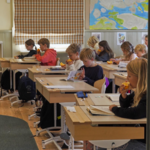
Why Sweden is swapping screens for paper Host: Now, Sweden is one of the most technologically advanced countries in the world. In its classrooms, laptops and tablets for every pupil have been the norm for almost a decade. But now schools are pivoting back to physical books, pens and paper. This is a move that's attracting criticism from tech companies who say it could impact pupils' employment prospects and even damage the Nordic nation's economy. Maddy Savage reports now from Stikla, which is just outside Stockholm. Maddy: In this former industrial suburb near Stockholm, high school pupils are unpacking laptops alongside things that weren't around as much a few years ago, physical books and printed coursework. Here's Alexis and Ludwig, who are 18 and in their final year. Alexis: In some classes, for example mathematics, I've noticed we've used more books during the later years than computers. Maddy: What about you? Ludwig: For me, there's definitely been a big change. So basically my whole life I've been using tablets, computers, phones. When we have a pencil and a paper and a book, you need to do it all yourself. Karina: My name is Karina Mikko. I teach English and Spanish. So, 15 years ago, the government said, use laptops. Now we're in the digital era in Sweden. Whereas now, we're going more towards the 60s again. It is more books, pens, papers. Maddy: This U-turn in one of the world's most digital societies started here at Sweden's parliament. In 2023, a new right-wing coalition made this announcement. Från skärm till pärm. It's a catchy rhyme in Swedish, and in English, it translates to from screen to binder. Ministers asked teachers to cut screen time for school pupils and reversed the requirement for preschools to use digital devices. Changes to the school curriculum are due in 2028, designed to support more textbook-based learning. Joar: My name is Joar Forssell, and we're in the Swedish parliament, just outside the chamber. Maddy: Joar is education spokesperson for the Liberal Party, which oversees Sweden's education ministry. He says the change is being driven by academic research about screens' potential to distract pupils, impact how they process information, and even affect brain development. Joar: I think Sweden is usually early adopters. We think that's a competitive edge for Sweden. So I think we jumped on that train very, very fast. That was a mistake, but we're changing it back. Maddy: Schools have been given extra money to buy textbooks and asked to employ librarians again. And mobile phones are set to be banned from all classrooms from this August. The government hopes the approach can help reverse Sweden's tumbling test scores in the world's largest school survey, PISA, run by the OECD. But the dramatic shift is attracting some criticism in this tech-savvy nation. Last year, 27 education and computer science academics wrote a newspaper column arguing that a strong digital curriculum is essential, even for primary school pupils. Critics also argue the back-to-books policy is a distraction from other issues that could be impacting school results, like teacher training, the marketisation of some schools and rising inequality and segregation. Back at the school in Sikla, teacher Karina says many of her pupils are more focused in lessons without laptops, but she's calling for more nuanced debates. Karina: There's been so many rash decisions now and in the past where we either embrace digitalization or we exclude it completely and I don't believe in either. 词汇表 swap [swɒp] vt./vi. 交换,替换 laptop [ˈlæptɒp] n. 笔记本电脑 tablet [ˈtæblət] n. 平板电脑 pupil [ˈpjuːpl] n. 学生,(尤指)小学生 norm [nɔːm] n. 常态,标准,规范 pivot back to [ˈpɪvət] 重新转向,回归,回到 employment prospects [ˈprɒspekts] 就业前景 Nordic nation [ˈnɔːdɪk] 北欧国家 industrial suburb [ɪnˈdʌstriəl ˈsʌbɜːb] 工业郊区 unpack [ʌnˈpæk] vt. 打开(包裹),取出(物品) printed coursework [ˈprɪntɪd ˈkɔːswɜːk] 打印的课程作业 U-turn [ˈjuː tɜːn] n. (政策等的)大逆转,180度转变 right-wing coalition [ˌraɪt ˈwɪŋ ˌkəʊəˈlɪʃn] 右翼联盟,右翼联合政府 catchy rhyme [ˈkætʃi raɪm] n. 朗朗上口的押韵(词句),好记的顺口溜 binder [ˈbaɪndə(r)] n. 活页夹,文件夹 chamber [ˈtʃeɪmbə(r)] n. 议事厅,会议厅 oversee [ˌəʊvəˈsiː] vt. 监管,监督,监察 early adopter(新科技等的)早期采用者 competitive edge 竞争优势 tumbling [ˈtʌmblɪŋ] adj. 持续下滑的,骤降的,暴跌的 PISA [ˈpiːsə] n. 国际学生评估项目(Programme for International Student Assessment) tech-savvy [ˈtek sævi] adj. 精通科技的,懂科技的 marketisation [ˌmɑːkɪtaɪˈzeɪʃn] n. 市场化 segregation [ˌseɡrɪˈɡeɪʃn] n. 种族隔离;隔离,分离 nuanced [ˈnjuːɑːnst] adj. 细致的,微妙的 rash [ræʃ] adj. 草率的,鲁莽的 digitalization [ˌdɪdʒɪtəlaɪˈzeɪʃn] n. 数字化 exclude [ɪkˈskluːd] vt. 排斥,排除在外,拒绝 🌟翻译,pdf及更多文本内容见公众号【琐简英语】,回复"1"可加入【打卡交流群】

3分钟
2k+
1个月前
BBC随身英语|我们真的需要8小时睡眠吗?

BBC随身英语|我们真的需要8小时睡眠吗?

英音听力|BBC & 经济学人等

Do we really need 8 hours' sleep? Charles Darwin once said "A man who dares to waste one hour of time has not discovered the value of life". If you live one hundred years, that only equates to twelve-hundred months – and when you break it down even further into days, hours and minutes, it gets more frightening. Why is this relevant? Well, quite simply put: life is short. Spending eight hours every day in a slumber means you're losing a third of your life to bed. So, the question is: is eight hours the exact amount we need, or is it just a myth? While most scientists agree that between seven and nine hours a night is the optimal amount, this is just a rough estimate. In truth, it's a little more complicated than that. It seems that the amount of sleep you need depends upon your age – with infants needing much more than adults. What does seem apparent is that around seven and a half hours' sleep is a good amount. In a study conducted at the University of Surrey Sleep Research Centre, the effects of sleep were monitored. One group slept for six and a half and the other for seven and a half hours per night. While some findings were predictable – irritation and lower concentration in the group who slept less, there were some more surprising findings. The genes of people who had less sleep were affected. Genes associated with inflammation, the immune system and stress response became more active. The team also observed increases in the activity of genes related to diabetes and risk of cancer. One of the biggest issues is that myths regarding sleep are constantly perpetuated. For example, have you ever heard that you can train yourself to need less or no sleep? It's simply not true. We will always need a certain amount of sleep – eight hours might not be the exact sweet spot, and there are factors like age to take into consideration, but one thing is true – there is a certain amount we do actually need. 词汇表 equate to [ɪˈkweɪt] 等同于,相当于 break it down into 将…分解为,细分为,拆分为 slumber [ˈslʌmbə] n. 睡眠,安睡,沉睡 myth [mɪθ] n. 迷思,误区,错误观念 optimal [ˈɒptɪməl] adj. 最佳的,最理想的 rough estimate [rʌf ˈestɪmət] 粗略估算,大致估计 monitor [ˈmɒnɪtə] vt. 监测,监控 predictable [prɪˈdɪktəbəl] adj. 可预料的,意料之中的 irritation [ˌɪrɪˈteɪʃən] n. 易怒,烦躁,恼怒 gene [dʒiːn] n. 基因 inflammation [ˌɪnfləˈmeɪʃən] n. 炎症,发炎 immune system [ɪˈmjuːn] 免疫系统 diabetes [ˌdaɪəˈbiːtiːz] n. 糖尿病 perpetuate [pəˈpetʃueɪt] vt. 使持续,使永久化,传播(不好的事物) sweet spot 最佳点,最佳状态,理想状态 📖 翻译、pdf见公众号【琐简英语】,回复"1"可进【打卡交流群】

1分钟
3k+
1个月前
Do you really know|什么是“爱好约会”?

Do you really know|什么是“爱好约会”?

英音听力|BBC & 经济学人等

What is hobby dating? Perhaps you've already experienced that awkward feeling on a 1st date when you don't really know what to say to each other. Having a drink or going to a restaurant are great activities, but they don't always add much to the conversation. So if you run out of questions, you're often just left staring into each other's eyes and hoping for an opportunity to arise so that you might make a quick getaway. But this might be soon a thing of the past, with the rise of the hobby date. In other words, a date organized around an activity. What does this involve? The idea is to introduce your date to something that you already enjoy and share the experience together. This can take completely different forms depending on each person's taste. It might be a cultural outing to a museum, a hike in nature, an arts and crafts class or even a cookery lesson. The idea is to choose an activity that you love or are curious about, and then invite your partner to take part in it with you. Let's say you book a beginner painting course. It's fun, creative, and creates an opportunity for you to have a shared experience, and so, as well as creating a new memory together, it also allows you to see your date in a different context to the usual 1st date venue. Didn't this already exist before? Yes, hobby dating is not new, but it has seen a surge in popularity, and that might be down to COVID. During the various confinements, many people experimented with new activities as a way of keeping themselves busy and passing the time. But although the lockdown ended, our interest in our new hobbies continued. Namie Walkland, the vice president of Bumble in Europe, noticed that before the pandemic, the norm was to meet up in a bar or cafe, but that nowadays, people are keen to share their interests from the get go. Consequently on Bumble, the dating app, you can now indicate what your hobbies are. So whether you're into cookery, photography, or crafting, you can share your interests with your potential partner and hopefully avoid those awkward 1st dates. Do some activities stand out? Yes and no. It depends on the country and the kind of place people are meeting, in cities, cultural events are very popular, and those living in nature, choose more sporty events. In the USA, hobbies such as DIY, arts and crafts, and board games have seen the biggest rise in popularity. There you have it. 词汇表 getaway [ˈɡetəweɪ] n. 逃离,逃离,脱身 hobby date 爱好约会(以共同兴趣活动为主的约会方式) outing [ˈaʊtɪŋ] n. 短途旅行,外出游玩 arts and crafts 手工艺,工艺美术 cookery [ˈkʊkəri] n. 烹饪,烹调 venue [ˈvenjuː] n. 场所,聚会地点 surge in popularity [sɜːdʒ] 人气飙升,迅速走红 be down to 归因于,由于 confinement [kənˈfaɪnmənt] n. 封锁,禁闭,限制 pass the time 消磨时间,打发时间 lockdown [ˈlɒkdaʊn] n. 封锁,禁闭 norm [nɔːm] n. 常态,规范,惯例 be keen to [kiːn] 热衷于,渴望 indicate [ˈɪndɪkeɪt] vt. 表明,标示,显示 stand out 突出,显眼,引人注目 board games 棋盘游戏,桌游 🪴翻译和pdf见公众号【琐简英语】,回复"1"可进入【打卡交流群】

2分钟
2k+
1个月前
BBC六分钟英语|你能学会爱上讨厌的食物吗?

BBC六分钟英语|你能学会爱上讨厌的食物吗?

英音听力|BBC & 经济学人等

Can you learn to love the foods you hate? Neil Hello. This is 6 Minute English from BBC Learning English. I'm Neil. Becca And I'm Becca. Neil, are there any foods that you used to really hate in the past but now don't mind? Neil Yes, actually. There's a Japanese food called umeboshi which, when I first tried it, I really didn't like. But after a while, I got used to it and actually, now, I really love it. How about you? Becca A similar story to me with olives. I used to really hate olives but, as I've grown older, I've also grown to love them. Neil Well, in this episode, we'll be learning from food experts about why there are some foods we just hate, and whether it's possible to learn to love them. OK, the question for you, Becca. What word means to have a fear of new things, such as trying new foods? Is it: a) aerophobia, b) claustrophobia, or c) neophobia? Becca Well, Neil, I'll go for c) neophobia, because neo sounds like 'new'. Neil That's clever thinking but let's see. Now though, back to food. Some experts have said that we can teach ourselves to like new things. Ruth Alexander asks Dr Dana Small of McGill University where our dislike of certain foods comes from in this BBC World Service programme, The Food Chain. Ruth Alexander Are food dislikes learned or genetic, hard-wired in some way? Dr Dana Small Ah, both! So, there's many reasons why you can dislike a food. For example, you could, via genetics, smell coriander or taste coriander differently. Uh so, that's genetic. But there's also a really strong learning component. Becca Dana explains that how we taste or smell something can be different depending on our genetics. However, how we taste or smell something can also be learnt. Neil Ruth asked if a dislike for certain food is hard-wired, and Dana confirmed that this is sometimes the case. The adjective hard-wired describes automatically thinking or behaving in a particular way, for instance, because it's genetic. Becca And Dana says that you could taste food differently to others via genetics. The preposition via means by the way of or by the use of. For example, I get to work via a train. Neil So, there are lots of different reasons why we dislike some foods, but can we change that? Let's listen to Dietitian Claire Thornton Wood explaining on the BBC World Service programme, The Food Chain. Claire Thornton Wood One of the really good techniques that we might use is something called masking, where you dip a food that you don't like into something that you do like. For those parents who really say they like everything, we actually get chocolate-covered insects and we offer those and actually people do eat them and try them. And I think it's the concept that it's an insect, but usually they find that once they eat it, there isn't anything inherently unpleasant about it. It's a little bit like eating just a bit of crunchy chocolate. Becca Claire uses masking. Masking is the act of stopping something from being seen. In Claire's clinic, she masks the disliked foods with something that is liked. Neil Yes, and what parents usually find out is that the food they dislike isn't inherently bad. The adverb inherently describes something that exists in a way which is natural or essential. So, insects aren't inherently unpleasant to eat, some of us think they are because the concept of eating them could be strange to us culturally. Becca We talked about how people sometimes fear trying new food. Claire talks about where these fears might come from. Claire Thorton Wood For instance, just say that you had eaten prawns in the past and you had become unwell from eating them, you know, you had what you call a dodgy prawn. There's a good chance that you might actually associate that with eating the prawn and think, oh, I don't want to eat the prawn again because it's going to make me unwell. So, that's a sort of fear-based avoidance. Neil Claire said that you're likely to have a fear of a food if you've had a bad experience with it. She uses the example of eating a dodgy prawn, which would make you unwell. If something is dodgy, it's generally bad or has a bad reputation. But when we talk about food, it could mean that it's undercooked, old or has been left out, therefore making you sick. Becca In fact, we may avoid dodgy things. To avoid is to keep away from something. So, avoidance is the act of keeping away. Now, Neil, that reminds me of the question you asked earlier. Neil Ah yes. I asked you what word means to have a fear of new things, and you answered c) neophobia. And, Becca, I'm pleased to say your answer was correct! Becca So, my thinking was right! That's great. Now let's have a recap of the language we've learnt in this episode, starting with hard-wired, which describes automatically thinking or behaving in a particular way, because of genetics, for example. 📝 字数限制,完整文本、词汇表、翻译及pdf见公众号【琐简英语】,回复1可加入【打卡交流群】
5分钟
2k+
1个月前
BBC News|出生顺序如何影响你的健康?

BBC News|出生顺序如何影响你的健康?

英音听力|BBC & 经济学人等

How birth order could affect your health Host: Birth order has fascinated scientists for decades, with questions over whether it affects traits like intellect and personality. But new research suggests it could actually impact your health. A study involving more than 10 million Americans found associations with everything from anxiety to autism. One of the authors is Ben Kramer from the University of Chicago. He spoke to Shaun Ley. Ben: Siblings act as a natural experiment because they share genetic data, but we know they have different environments. However, when we compare siblings to one another within family, we can control for anything that they share by virtue of being in the same family, like household socioeconomic status, shared parental genetics, and parenting style. Shaun: Around 400 or so medical conditions which you looked at, I think 150 showed an association with birth order. Can you explain that? Ben: We can't claim causality. We can only claim that there is an association between a lot of diseases and birth order. These are population-level associations, not individual predictions, but it helps us see different patterns in large data sets. The allergy results are a strong example of the biological validity of the data set, and that later-born children have lower odds of allergic rhinitis, food allergy, and asthma, which typically fits the idea that early microbial exposure from older siblings may shape immune development. Another striking finding is that substance abuse had significant excess in the second born child. So there may be some sort of first born influence on the second born child in terms of using and abusing substances. Shaun: One of the examples that you quote in this research is that older children or the oldest child in a family might be statistically more likely to suffer from diseases like psychiatric illnesses, for example. Is there any explanation of why that might be or any factors you can rule out? Ben: A plausible biological explanation is that first pregnancies may physiologically be different from later ones. The maternal immune system and placenta are adapting to pregnancy for the first time and later pregnancies may benefit from biological memory which could modestly affect early brain development. Shaun: Do you think this kind of research could eventually provide something really quite helpful for parents when they're bringing up families of multiple children? Ben: These large data sets are really good for looking at patterns and from those patterns we can kind of do deeper dives into even different variables relating to the siblings, like how age gap might affect disease. And once confirmed, they can lead to real-world intervention, talking about how certain behavioral aspects of raising a child might lessen the burden of certain incidents for disease. 词汇表 autism [ˈɔːtɪzəm] n. 自闭症,孤独症 sibling [ˈsɪblɪŋ] n. 兄弟姐妹 genetic data [dʒəˈnetɪk] 基因数据,遗传数据 by virtue of [ˈvɜːtʃuː] 由于,凭借,因为 household socioeconomic status [ˈhaʊshəʊld ˌsəʊsɪəʊˌiːkəˈnɒmɪk ˈsteɪtəs] 家庭社会经济地位 parenting style [ˈpeərəntɪŋ] 养育方式,育儿风格 causality [kɔːˈzæləti] n. 因果关系,因果性 population-level adj. 群体层面的,人口层面的 validity [vəˈlɪdəti] n. 有效性,正确性 odds [ɒdz] n. 可能性,几率 allergic rhinitis [əˈlɜːdʒɪk raɪˈnaɪtɪs] 过敏性鼻炎 food allergy [ˈælədʒi] 食物过敏 asthma [ˈæsmə] n. 哮喘,气喘 microbial exposure [maɪˈkrəʊbiəl ɪkˈspəʊʒə(r)] 微生物暴露 striking [ˈstraɪkɪŋ] adj. 显著的,引人注目的 substance abuse [ˈsʌbstəns əˈbjuːs] 物质滥用,药物滥用 psychiatric [ˌsaɪkiˈætrɪk] adj. 精神病的,精神病学的 rule out 排除,消除 plausible [ˈplɔːzəbl] adj. 貌似合理的,可信的 pregnancy [ˈpreɡnənsi] n. 怀孕,妊娠 physiologically [ˌfɪziəˈlɒdʒɪkli] adv. 生理上,生理学方面 maternal [məˈtɜːnl] adj. 母体的,母亲的,母性的 placenta [pləˈsentə] n. 胎盘 modestly [ˈmɒdɪstli] adv. 适度地,轻微地 bring up 养育,抚养 dive [daɪv] n. 深入探究,投入,钻研 variable [ˈveəriəbl] n. 变量,可变因素 age gap [ɡæp] 年龄差距 confirm [kənˈfɜːm] vt. 证实,确认 intervention [ˌɪntəˈvenʃn] n. 干预,介入 lessen [ˈlesn] vt. 减轻,减少 🌟翻译,pdf及更多文本内容见公众号【琐简英语】,回复"1"可加入【打卡交流群】

2分钟
2k+
1个月前
BBC随身英语|短剧如何重塑我们的观影习惯?

BBC随身英语|短剧如何重塑我们的观影习惯?

英音听力|BBC & 经济学人等

How micro-dramas could revolutionise our viewing habits Streaming video platforms have given filmmakers massive budgets and allowed them to make creative and artistic films and series free of the restrictions of cinema or broadcast time slots. But, maybe, just maybe, not everyone wants a three-hour long work of creative genius. Minute-long micro-dramas are taking the entertainment market by storm. Perhaps most people are looking for something that they can squeeze into their everyday life. Micro-dramas cater perfectly for this need. It's not just that you can watch them on your phone, they're made for it. They're shot in vertical format, so you don't even have to turn your phone round to start watching. Series are split into as many as a hundred short episodes, so they can fit into any spare downtime that you have. For this to work, it needs a new kind of programme. US tech company Quibi tried to use traditional Hollywood stars, and collapsed in less than a year, taking $1.75 billion dollars' worth of investment with it. Chinese start-up companies took a different approach, focusing on low-cost production and using analytics data and AI analysis to identify exactly what gets the audience to start watching, and then how to make the next episode feel unmissable. Billionaires, breakups and bust-ups: those are the key themes that get the audience watching. There isn't much room for nuance or slow-build character development in a micro-drama, but what is needed is drama. Rather than a subscription model, monetisation in the world of micro-dramas is often based on a freemium model. You can see enough episodes to get you hooked for free. But you need to buy credits to find out how the story ends. This means that dramatic cliffhangers are a commercial tool. These dramas are increasing in popularity around the world. There is also great potential to make money from advertising as audiences are highly engaged. After China, the US has become the biggest micro-drama market. Could it be that soon most of the drama we watch is on our phones in those minutes we find between our other daily tasks? 词汇表 revolutionise [ˌrevəˈluːʃənaɪz] vt. 使革命化,彻底改变 streaming [ˈstriːmɪŋ] n. 流媒体播放,在线播放 filmmaker [ˈfɪlmˌmeɪkə] n. 电影制作人,电影导演 massive budget [ˈmæsɪv ˈbʌdʒɪt] 巨额预算 broadcast time slots [slɒts] 播出时段,播送时间档 micro-dramas [ˈmaɪkrəʊ ˈdrɑːməz] n. 短剧,微短剧(单集时长极短、竖屏观看的剧集) take…by storm 席卷,风靡,大获成功 squeeze into [skwiːz] 融入,挤进,塞进(时间或空间) cater for [ˈkeɪtə] 迎合,满足(需求) vertical format [ˈvɜːtɪkəl ˈfɔːmæt] n. 竖屏格式,纵向形式 split into [splɪt] 分成,分割为,拆分为 downtime [ˈdaʊntaɪm] n. 空闲时间,休息时间 collapse [kəˈlæps] vi. (人或企业)崩溃,垮掉,倒闭 start-up [ˈstɑːt ʌp] adj. 初创的,启动阶段的 (data) analytics [ˌænəˈlɪtɪks] 数据分析,分析技术 unmissable [ʌnˈmɪsəbəl] adj. 不容错过的,非看不可的 breakup [ˈbreɪkʌp] n. 分手,关系破裂 bust-up [ˈbʌst ʌp] n. 激烈争吵,决裂 nuance [ˈnjuːɑːns] n. (感情等的)细微差别,微妙之处 slow-build [sləʊ bɪld] adj. 缓慢铺垫的,逐步发展的 subscription [səbˈskrɪpʃən] n. 订阅,订购 monetisation [ˌmʌnɪtaɪˈzeɪʃən] n. 变现,盈利化 freemium [ˈfriːmiəm] n. 免费增值模式(基本服务免费,高级功能收费) get someone hooked [hʊkt] 让某人上瘾,吸引住某人,使某人入迷 credit [ˈkredɪt] n. 积分,点数,代币 cliffhanger [ˈklɪfˌhæŋə] n. 悬念,扣人心弦的结尾 📖 翻译、pdf见公众号【琐简英语】,回复"1"可进【打卡交流群】

2分钟
3k+
2个月前
Do you really know|什么是“文化挪用”?

Do you really know|什么是“文化挪用”?

英音听力|BBC & 经济学人等

What is cultural appropriation? Think of Katy Perry in her video for This Is How We Do, Madonna in a traditional Berber outfit at the 2018 VMA Awards, or Adele with her hair in bantu knots to mark Notting Hill Carnival. That's right, we're talking about cultural appropriation in today's episode. It's a practice which has caused regular controversy in the world of pop culture. Most often, white artists are accused of using ideas, symbols or other items which come from non-Western minority cultures. The definition of cultural appropriation itself is somewhat controversial, with many saying it is often misapplied by the general public. Its meaning has evolved over time to have negative connotations. It's problematic when someone belonging to a dominant community uses cultural elements from an oppressed people for their own artistic or commercial benefit. In 1976, art historian Kenneth Kutz Smith wrote one of the first essays to discuss cultural appropriation. He didn't actually use the term itself, but brought together the ideas of class appropriation and cultural colonialism. I don't understand the issue. What's wrong with mixing cultures? It can be okay to mix several cultures, as long as it is a true exchange and not a one-way street. In the case of cultural appropriation, the minority culture doesn't have the choice of accepting or refusing. In some cases, the original meaning of cultural items isn't respected, or the elements are used in a way that reinforces stereotypes. Concept applies to more or less the entire cultural landscape. In recent years, designers and fashion creators have also come under fire for supposed cultural appropriation. High-profile shows have seen white models sporting dreadlocks or wearing African wax prints. Meanwhile, at the same time in the fashion world, black models are underpaid or struggle to find work at all, so it's not an exchange on any level. Another historical case would be rock and roll. A style of music which was taken from black musicians in the 1950s, the white-dominated music industry chose to promote white artists instead, with Elvis being the most famous example. It's tough on modern-day cultural figures to have the weight of history on their shoulders, isn't it? What could they do differently? In such cases, one solution would be to create a kind of positive cultural appropriation. Why not collaborate with artists from the culture in question and come up with something creative rather than a cringeworthy imitation? It's possible to respectfully borrow elements from another culture with the intention of sharing ideas and diversifying one's understanding. There you have it! 词汇表 Berber outfit [ˈbɜːbə(r) ˈaʊtfɪt] 柏柏尔服饰(北非传统民族服装) bantu knots [ˈbæntuː nɒts] 班图结(源自非洲的传统发髻造型) Notting Hill Carnival [ˈnɒtɪŋ hɪl ˈkɑːnɪv(ə)l] 诺丁山狂欢节(伦敦年度加勒比文化庆典) cultural appropriation [əˌprəʊpriˈeɪʃn] 文化挪用(强势群体采用弱势群体文化元素的行为) controversy [ˈkɒntrəvɜːsi] n. 争议,争论 minority [maɪˈnɒrəti] n. 少数族裔,少数民族 misapply [ˌmɪsəˈplaɪ] vt. 误用,滥用 connotation [ˌkɒnəˈteɪʃn] n. 内涵,含义,隐含意义 problematic [ˌprɒbləˈmætɪk] adj. 有问题的,造成困难的 dominant [ˈdɒmɪnənt] adj. 主导的,占优势的,强势的 oppressed [əˈprest] adj. 受压迫的,受压制的 bring together 结合,融合(不同元素) class appropriation [əˌprəʊpriˈeɪʃn] 阶级挪用(统治阶级挪用被统治阶级的文化元素) cultural colonialism [kəˈləʊniəlɪzəm] 文化殖民主义 one-way street 单行道,单向行为(指只有一方受益的交流) reinforce stereotypes [ˌriːɪnˈfɔːs ˈsteriətaɪps] 强化刻板印象 more or less 或多或少,大致上,几乎 come under fire 遭受批评,受到抨击 supposed [səˈpəʊzd] adj. 假定的,所谓的,据说的 high-profile [ˌhaɪ ˈprəʊfaɪl] adj. 备受瞩目的,高调的 dreadlock [ˈdredlɒk] n. 脏辫(一种将头发缠成绳状的发型) wax prints [wæks prɪnts] n. 蜡染印花(非洲传统印花布料) underpaid [ˌʌndəˈpeɪd] adj. 报酬过低的,酬不抵劳的 rock and roll 摇滚乐 cringeworthy [ˈkrɪndʒwɜːði] adj. 令人尴尬的,让人难堪的 borrow [ˈbɒrəʊ] vt. 借用,借鉴,引入 diversify [daɪˈvɜːsɪfaɪ] vt. 使多样化,丰富 🪴翻译和pdf见公众号【琐简英语】,回复"1"可进入【打卡交流群】

2分钟
2k+
2个月前
BBC六分钟英语|食物的未来是怎样的?

BBC六分钟英语|食物的未来是怎样的?

英音听力|BBC & 经济学人等

The future of food Neil Hello, this is 6 Minute English from BBC Learning English. I'm Neil. Pippa And I'm Pippa. Many of us don't think twice about where the food in our kitchen comes from. One trip to the supermarket and we can buy anything we want, whether that's fruit grown in South America, tomatoes from Spain or rice flown in from Asia. Do you know where the food you buy comes from, Neil? Neil I try to pay attention and buy stuff that's locally produced, but actually, sometimes I don't really look. How about you? Pippa I actually have a calendar on my kitchen wall, which tells me which fruits and vegetables are grown at what times of year. Neil The reality is that the supply of fresh food to the UK is fragile. The UK imports around 40% of its food, and this supply chain can easily be disrupted by wars, shortages and, increasingly, by climate change. In fact, the UK government's Department for Environment, Food and Rural Affairs recently reported on the importance of food security – the term for having a reliable enough supply of affordable, healthy food to feed everyone. Pippa In this episode, we'll be investigating the issues affecting food production in the UK. Neil But first, of course, Pippa, I have a quiz question for you. I mentioned that Britain imports 40% of its food from other producers, mostly in Europe. But which European country does the UK import the most food from? Is it: a) France, b) the Netherlands, or c) Ireland? Pippa Hmm. I've seen the Netherlands on a lot of food packaging in the UK, so I'm going to say b) the Netherlands. Neil OK. Well, we'll find out if you're right later in the programme. According to the UK government's recent report, there are many issues affecting Britain's food supply: geopolitical conflicts like those in Ukraine and Iran, droughts and water shortages, loss of biodiversity caused by climate change... the list goes on and on. Here, climate reporter Mark Poynting discusses the report's conclusions with BBC Radio 4's The Food Programme. Mark Poynting And it really draws on scientific research to come up with what it calls a reasonable worst-case scenario for how biodiversity loss could affect UK security. And its conclusions are really quite stark. The first line of the report says, "Global ecosystem degradation and collapse threatens the UK's national security." Pippa The report describes a worst-case scenario where Britain runs out of food. A worst-case scenario is the worst possible thing that could happen in a particular situation. Neil Mark says the report's conclusions are stark – an adjective which in this case means obvious or severe. Pippa Another problem with food security relates to climate change. Carbon emissions from food production make up around a third of all greenhouse gases, from the diesel used to drive tractors, to fertilisers, to cows and sheep producing methane. Emma Pinchbeck is the chief executive of the UK's Climate Change Committee. She spoke about this problem with BBC Radio 4's The Food Programme. Emma Pinchbeck The biggest chunk of emissions from agriculture comes from simply having livestock on the land. That's the bit of the puzzle that we need to think about going forward. And in the way that we've thought about it, for every cow or sheep we take off the land, we put on something else. And what that does overall is it makes farmers and landowners part of the solution to climate change, not the problem. Neil Livestock – that's farm animals such as cattle, sheep and pigs – contribute most of the carbon emissions from agriculture. Moving towards a sustainable food supply involves reducing the amount of meat and dairy we eat in favour of non-animal protein such as beans and lentils. Pippa Encouraging farmers and consumers to move away from meat is a piece of the puzzle, according to Emma. A piece of the puzzle means a part of the solution to a problem – in this case, the twin problems of food security and climate change. Neil Emma says it's important to think again about how farmland is used. For every cow or sheep taken off the land, something else, such as a fruit tree or vegetable crop, is put in its place. That way, farmers become part of the solution, not the problem – an idiom meaning that if you are not actively trying to fix a problem, you are helping it continue. Pippa Lots of ideas to chew over there, Neil. But now, isn't it time you revealed the answer to your question? Neil My question was, "Which European country does the UK import the most food from?" And you said b) the Netherlands… and you were absolutely correct, Pippa. It is the Netherlands. The UK imports £7.6 billion worth of imports, especially vegetables and dairy. OK. Let's recap the vocabulary we've learned, starting with food security – the situation where a country has a reliable enough supply of food to feed its population. 📝 字数限制,完整文本、词汇表、翻译及pdf见公众号【琐简英语】,回复1可加入【打卡交流群】

5分钟
3k+
2个月前
BBC随身英语|魔术揭示了哪些关于大脑的奥秘?

BBC随身英语|魔术揭示了哪些关于大脑的奥秘?

英音听力|BBC & 经济学人等

What can magic teach us about the brain You've probably seen the impossible happen, or at least thought you have. When a magician makes a card disappear, or throws a ball into the air, only for it to vanish, it seems that they are using amazing powers. But the magic isn't happening on stage. It's actually all inside your brain. These illusions work because of essential processes that happen in our brains. Our senses provide an enormous amount of information about our surroundings. Our brains have evolved ways of prioritising what's important. We tend to notice the things that are most significant and remember those which have most meaning for us. What we perceive that we see or remember that we saw is actually a mental image. These mental processes are exploited by illusionists to trick us into perceiving things in a particular way. In one famous trick, a ball is thrown into the air twice and caught and then vanishes into thin air on the third throw. This third throw is actually just a hand movement. Our brains predict that the ball will leave the magician's hand so we think we see it. The same process makes a dog run for a stick when we pretend to throw it. During a magic show, we are often manipulated to think that we have a freer choice than we actually do. Magician-turned-psychologist Gustav Kuhn highlights how a performer's gaze can direct our attention towards some things and divert it away from others. Even babies naturally tend to follow where someone is looking. Kuhn has become a researcher using the techniques behind different magic tricks to see what we can learn about how the brain works. He's even teamed up with a toy manufacturer to produce magic sets that explain our mental processes. Understanding these could be important because while magicians use these deceptions to entertain us, others use similar approaches to mislead us or spread disinformation. 词汇表 magician [məˈdʒɪʃən] n. 魔术师,变戏法的人 vanish [ˈvænɪʃ] vi. 消失,突然不见 illusion [ɪˈluːʒən] n. 错觉,幻觉,假象 prioritise [praɪˈɒrətaɪz] vt. 优先处理,确定优先顺序 perceive [pəˈsiːv] vt. 认为,感知,察觉 mental image 心理图像,脑海中的画面 exploit [ɪkˈsplɔɪt] vt. 利用,开发,发挥 illusionist [ɪˈluːʒənɪst] n. 幻术师,魔术师 trick someone into 诱使/欺骗某人做某事 vanish into thin air [ˈvænɪʃ] 凭空消失,化为乌有,消失得无影无踪 manipulate [məˈnɪpjuleɪt] vt. 操纵,控制,摆布 magician-turned-psychologist 魔术师出身的心理学家,从魔术师转型为心理学家的人 gaze [ɡeɪz] n. 凝视,注视,目光 divert [daɪˈvɜːt] vt. 分散,转移(注意力),使转向 magic tricks 魔术技巧,戏法 team up with 与…合作,联手 toy manufacturer [ˌmænjʊˈfæktʃərə] 玩具制造商 magic sets 魔术套装,魔术道具组 deception [dɪˈsepʃən] n. 欺骗,骗术,骗局 mislead [ˌmɪsˈliːd] vt. 误导,使误入歧途 disinformation [ˌdɪsɪnfəˈmeɪʃən] n. 虚假信息,假消息 📖 翻译、pdf见公众号【琐简英语】,回复"1"可进【打卡交流群】

2分钟
2k+
2个月前

加入我们的 Discord

与播客爱好者一起交流

立即加入

扫描微信二维码

添加微信好友,获取更多播客资讯

微信二维码

播放列表

自动播放下一个

播放列表还是空的

去找些喜欢的节目添加进来吧