英语冰美式 - 节目列表

EP27(双语) 听懵了!如何避免中式口音夹杂印度英语咖喱味?Indian Accent

EP27(双语) 听懵了!如何避免中式口音夹杂印度英语咖喱味?Indian Accent

英语冰美式

你有没有遇到过这样的情况:明明对方说的是英语,你却一个词都听不懂,只能尴尬地‘点头微笑’? 我刚到美国时就遇上了位印度大哥,他的英语让我彻底懵圈。 今天,我们就来聊聊这让人‘又爱又恨’的印度口音,以及我们中国同学能从中吸取哪些‘反面教材’,让自己的英语更地道、更清晰!好的,这是一份更精炼、更吸引人的播客内容大纲,重点抓取了您的研究精华:🪐 时空穿梭轴 (精华版) 00:00:00 开场:你是不是也“印”式点头? 聊聊让人懵圈的印度口音,以及为何中国同学的英语有时也“神似”?本期目标:揭秘印度英语,给你的发音“排雷”,让沟通更顺畅! 00:00:49 爆笑经历:当乔治遇上印度室友RAM “他一张嘴,我原地石化!”——初遇印度英语的“社死”瞬间。高级词汇“轰炸”与“谜之句式”:印度英语的第一道坎。 00:05:20 听觉冲击:印度英语的“魔性”语调 《Mind Your Language》经典片段赏析:为何印度英语听起来像“唱歌”? 核心揭秘:英美重音向上扬,印度重音向下“拐”!“I'm thirty”还是“I'm dirty”?卷舌音与低沉声调的“致命组合”。 00:08:10 “中式英语”也“印”化?不自然表达大起底 “With the development of…” 为何这种表达让母语者“尬”? 痛点:语法正确≠表达地道!警惕那些“中式/印式”的 awkward 句型。 00:10:55 为何难懂:母语者也“投降”的印度客服 AT&T 印度客服的真实案例:语速快+“自信”表达=沟通灾难。 关键:非母语者间的“自知之明”反而促进理解。 00:12:49 英语主播深度剖析:口音、可懂度与学习策略澄清:印度英语≠Hinglish,口音≠不清晰。 发音雷区大比拼:中式英语 VS 印式英语,这些“坑”你踩了吗?元音“糊了”:饱满发音的“副作用”。辅音“变形记”:卷舌、送气、V/W不分、TH音“跑偏”……(中印学习者共同的痛点)。 最大杀手:超音段特征! 节奏“平”、重音“飘”、语调“迷”。 词汇语法“印度风”:独特的“印度特色表达”与“中式英语”的异曲同工。 00:25:53 中国学生“抄作业”:从印度英语的“难”学经验核心痛点对照:中印英语学习者在节奏、重音、L1干扰上的惊人相似。 听力反思:研究表明中国听众理解印度口音有困难,这说明了什么? “通用语核心”(LFC)来支招:哪些发音才是“国际通用”的关键? 破局之路:提升L1影响意识、系统接触多口音、主攻核心可懂度要素、活用沟通策略。 00:29:57 总结与升华:拥抱多样,追求清晰 有效沟通是王道,完美口音非目标。从理解“他人的口音”到“优化自己的表达”。欢迎大家留言分享你的感想,或者加艾薇同学的微信加入我们的听友群参与讨论~在小宇宙查看该单集文稿

32分钟
99+
1年前
EP26(双语)英语口音避坑,美式夹子音能学吗?Valley Girl Speak Trendy or Trap

EP26(双语)英语口音避坑,美式夹子音能学吗?Valley Girl Speak Trendy or Trap

英语冰美式

美音、英音,跨大西洋音,谁是贵族范儿?当心网红“美式夹子音”(山谷女孩腔)和“红脖土味音”!英语口音大观园,哪些值得学,哪些是隐藏的“坑”必须避?本期为你精准排雷,口音进阶不迷路!英文部分大纲英文部分用 Valspeak 来指代山谷女孩口音1. IntroductionValspeak reflects real-world language use and how media shapes perceptions of speech. Understanding it helps learners grasp authentic English communication (真实英语交际) and the social contexts of accents.2. Origins Rose to fame through media like the 1982 song Valley Girl and movies like Clueless, which cemented the image of young, affluent white women in the San Fernando Valley (圣费尔南多谷的年轻富裕白人女性). Media role: Helped solidify the stereotype (固化刻板印象) of Valspeak as a "feminine, privileged" way of speaking.3. Linguistic FeaturesPhonology (语音学) California Vowel Shift (CVS, 加州元音大转移): A regional trend in California English (not unique to Valspeak), e.g., the vowel in "dude" shifts forward, and "kit" sounds lower/pulled back. Vocal Fry/Creaky Voice (气泡音 / 吱呀音): A low, creaky sound at the end of sentences, later strongly linked to Valspeak. Reactions vary: seen as unintelligent (“笨拙”,负面评价), or laid-back/authoritative (“慵懒” 或 “权威感”,正面评价), often tied to gender/social biases (性别 / 社会偏见). Subtle vowel changes (e.g., nasality 鼻音,breathiness 气音).Intonation (语调) High Rising Terminal (HRT)/Uptalk (高升调结尾 / 上扬语调):Lexicon & Discourse (词汇 / 话语) "Like" 的多重用法:Filler (填充词) ("Um, like..."), quotative (引述词) ("She was like, ‘No way!’"), hedge (模糊限制语) ("like 20 minutes" 约 20 分钟). Slang: "totally", "for sure", "as if", "whatever" (older terms like "grody" 过时俚语 are less common now).4. Stereotypes Negative associations: superficial (肤浅的), unintelligent (无知的), materialistic (物质主义的)—linked to its speakers (stereotyped as wealthy, non-ambitious young women 被刻板化为 “富有却无追求的年轻女性”). This is stancetaking (立场表达): judging people based on how they speak.5. Challenges for Chinese ESL LearnersPhonological Interference (语音干扰) Tonal vs. intonational languages (声调语言 vs. 语调语言): Mandarin uses tones (声调) for meaning; English uses intonation (语调). Uptalk may confuse learners (e.g., mistaking statements for questions 误将陈述句听成疑问句) or lead to flat intonation in English (导致英语语调平淡). Vocal Fry: Not a common feature in Mandarin, may sound "unclear (不清晰)" or hard to imitate. Consonant clusters (辅音连缀): Difficulty with sounds like "spr" in "spring" or final consonants (e.g., "desk" 词尾辅音).Discourse Markers (话语标记语) "Like" has far more functions than Chinese particles (汉语助词,e.g., “啊”“呢”), confusing learners who struggle to distinguish its roles as a filler, quotative, or hedge (填充词、引述词、模糊词).ELT in China (中国英语教学) Focus on "standard" accents (RP/GA), limited exposure to non-standard varieties like Valspeak in class (课堂上较少接触山谷女孩口音等非标准变体). Standard Mandarin promotion (普通话推广) may reinforce the idea that "non-standard" = "less prestige (低 prestige)", mirroring attitudes toward English accents.Cultural Factors Mianzi (面子): Using a stereotyped accent like Valspeak may feel embarrassing ("losing face 丢面子"), discouraging learners from practicing or clarifying misunderstandings (不敢练习或澄清误解). Media influence: American shows (e.g., Friends) often use standard accents; Valspeak in reality TV (e.g., Kardashians 卡戴珊家族节目) reinforces negative stereotypes (强化负面刻板印象).6. Pedagogical Strategies (教学策略) Linguistic diversity (语言多样性): Teach concepts like dialects (方言), sociolects (社会方言), World Englishes (世界英语), and ELF (English as a Lingua Franca, 作为通用语的英语)—emphasize "appropriateness (得体性)" over strict "correctness (正确性)". Authentic listening materials (真实听力材料): Use Valspeak examples to analyze features like HRT and "like", teaching strategies to decode unfamiliar accents (解码陌生口音的策略). Socio-pragmatic awareness (社会语用意识): Discuss the social meanings of linguistic features (e.g., why uptalk isn’t just "incorrect" but a functional choice 上扬语调不仅是 “错误”,更是一种功能性选择). Media literacy (媒体素养): Critique how media portrays accents (媒体如何塑造口音形象), helping learners separate stereotypes from real-world language use (区分刻板印象与真实语言使用).7. ConclusionValspeak is a sociolect (社会方言) with distinct linguistic features and deep social stereotypes. Learners don’t need to imitate it, but understanding it:关于烟熏妆和婴儿眼睛的人类学研究:Ohala, J. J. (2009). The Ethological Basis of Certain Signals. The Role of Prosody in Affective Speech, 97, 17.欢迎大家留言分享你的感想,或者加艾薇同学的微信加入我们的听友群参与讨论~在小宇宙查看该单集文稿


36分钟
99+
1年前
EP25 (双语) 耳听为虚,英语听力不要盲目练 Ears Can Deceive

EP25 (双语) 耳听为虚,英语听力不要盲目练 Ears Can Deceive

英语冰美式

在练习英语听力时,我们可能有这样一种感觉,就是我练的越多,听力就越好,但是其实并不是这样哦。听力练习一定要有一个前提,就是听得对,听得准。如果我们盲目的多听,可能只会在错误的道路上越滑越远。但是,听得准可不容易,就算是英语母语者,也有可能是听错的。本期节目将带大家识别听力中的“脑补现象”,介绍如何练习听力才能避免在错误练习的道路上越走越远。时间轴00:00 多听多练的前提:听得准01:34 母语者也会听错:Just for all(为了所有人)听成Justice frog(正义蛙03:33 母语者与非母语者误听的区别:语义层面 vs 语音层面非母语者的修复(Repair)过程:脑补不存在的音,将其靠拢向熟悉的语音05:08 为什么我们会把 Please 听成 Police?07:40 如何有效提升听力:培养音节意英文部分大纲I. Introduction: Setting the Stage "Misharing" sounds: funny but frustrating listening errors. Passive listening (被动听力) isn't enough. Focus: Unique listening challenges for Mandarin speakers (普通话母语者). Goal: Explain sound confusions & improve listening skills (听力技能).II. How We Hear: Your Native Language Filter (母语过滤器) Listening is an active process (主动过程). Your brain uses Mandarin knowledge to interpret English sounds. This "filter" can cause misinterpretation (误解) of unfamiliar English sounds. You might not initially notice certain sound distinctions (发音区别).III. Common Sound Traps (常见发音陷阱) for Mandarin Speakers Vowel Sounds (元音):English has more vowels than Mandarin. Vowel length (元音长度) matters in English (e.g., sit/seat). Confusing pairs:/ɪ/ vs /iː/ (sit/seat) - length./æ/ (bat) vs /ɛ/ (bet) - tough distinction./ʌ/ (cup) vs /ɑː/ (carp) - /ʌ/ often misheard./ʊ/ (full) vs /uː/ (fool) - can cause misunderstanding. Schwa sound /ə/ (弱读元音): (e.g., about) Hard to notice, often lost. Diphthongs (双元音): (e.g., now, go) Can be simplified. Consonant Sounds (辅音):Some English sounds are new (e.g., "th" /θ/, /ð/; /v/ sound). Often replaced with /s/, /z/, or /w/. /l/ & /r/: Different use at syllable ends (e.g., hill, car). Final Consonants (尾辅音): Big hurdle! English has many more than Mandarin.May not be heard (e.g., "wor" for "words").Extra vowel added (e.g., "fit-uh" for "fit"). /n/ vs /ŋ/ (e.g., sin/sing): Still a challenge. Consonant Clusters (辅音丛):Complex in English (e.g., strengths), unlike Mandarin's simpler syllables. Brain copes by:Epenthesis (增音): Adding a vowel (e.g., "sa-poon" for "spoon"). Deletion (吞音/省音): Dropping consonants (e.g., "wors" for "words"). Connected Speech (语流音变):English words flow; Mandarin syllables often more distinct.Features like elision (省音) & assimilation (同化) add complexity. Suprasegmentals (超音段特征): Stress (重音), Rhythm (节奏), Intonation (语调)Fundamental difference: Mandarin is tonal (声调语言); English is stress-timed (重音计时语言).Mandarin ears tuned for pitch (音高) for word meaning, making English stress hard to grasp.Affects rhythm & interpreting intonation for grammar/attitude. Illusory Vowels (幻觉元音):"Hearing" extra vowels in clusters (e.g., "eschool" for "school"). Brain fits sounds to Mandarin rules.IV. Why These Misperceptions? The Root Causes (根本原因) L1 Interference from Mandarin (母语干扰): Main culprit!Phonological Filtering (语音过滤): English heard through Mandarin sound system. Different Sound Inventories (音位库差异): Missing sounds replaced; fewer vowel distinctions. Syllable Structure Rules (音节结构规则) (Phonotactics): English manipulated to fit Mandarin patterns. Influence of Tones (声调影响): Interferes with perceiving English stress/intonation. English Phonology: Silent letters, irregular spelling. Cognitive Factors: Processing load (处理负荷) increased by L1 interference.V. Strategies for Improvement (改进策略) Awareness (意识) is the first step. Effective Strategies:Explicit phonetic instruction (语音教学). Minimal pairs (最小对立体) practice (e.g., ship/sheep).Using IPA (国际音标).Practice consonant clusters, connected speech (e.g., shadowing 跟读).Focus on English stress, rhythm, intonation.VI. Conclusion: You Can Conquer English Sounds! (结论) Mandarin speakers face real listening challenges due to sound system differences. Understanding misperception patterns & reasons is key. Knowing pitfalls helps strategic learning.我们在微信的小报童平台上上专门写了一个专栏《AI+ 英语学习手册》,详细介绍了如何利用 AI 诊断发音问题、进行跟读模仿和对话练习,欢迎感兴趣的小伙伴订阅!欢迎大家留言分享你的感想,或者加晓慧Ivy同学的微信加入我们的听友群参与讨论~在小宇宙查看该单集文稿

30分钟
4k+
1年前
EP23 (双语) 听笑话,无痛学英语!Laughing your way to better English

EP23 (双语) 听笑话,无痛学英语!Laughing your way to better English

英语冰美式

为什么学英语一定要严肃?今天,我们要揭秘一个被忽视的高效学习秘诀——​​幽默的力量​​!我们将打破‘幽默是学习禁区’的刻板印象,揭秘英语笑话如何成为提升语言能力的秘密武器——从pun (双关语)到 sarcasm(讽刺),从词汇陷阱到文化梗,笑着笑着,你的英语竟能突飞猛进!无论是‘为什么骷髅从不打架?(因为它们没有guts!)’还是‘稻草人获奖的真相’,这些看似简单的笑话背后,藏着连语法书都不会教你的实战技巧。别再死记硬背了,笑着学英语,才是终极捷径!让你的学习快乐到飞起~ 🎧”播客中提到的英语笑话及中文解析​如下。留一个小作业,第9个笑话,笑点在哪儿?欢迎留言​​​1. 词汇双关类 (Wordplay & Polysemy)​​🔹 ​​Joke:​​ Why don’t skeletons fight each other? Because they don’t have the guts!🔹 ​​中文解析:​​“guts” 既有“勇气”(比喻义)又有“内脏”(字面义)。骷髅没有内脏,所以“没 guts”既指“没胆子打架”,又幽默地呼应了它们的生理结构。​​2. 多义词幽默 (Multiple Meanings)​​🔹 ​​Joke:​​ Why did the scarecrow win an award? Because he was outstanding in his field!🔹 ​​中文解析:​​“outstanding” 可以表示“杰出的”,但字面意思是“站在田野(field)外面”。稻草人(scarecrow)本来就是站在田里的,所以这句话用双关制造笑点。​​3. 谐音梗 (Homophones)​​🔹 ​​Joke:​​ What do you call fake spaghetti? An impasta!🔹 ​​中文解析:​​“impasta” 谐音 “imposter”(冒牌货),同时保留了“pasta”(意大利面)的词根,笑点在于把“假意大利面”幽默地命名为“意面骗子”。​​4. 习语误解 (Idiom Literal Interpretation)​​🔹 ​​Joke:​​ Why did the student eat his homework? Because the teacher said it was a piece of cake!🔹 ​​中文解析:​​“a piece of cake” 是英语习语,意思是“很简单”,但学生按字面理解,以为作业真的是“一块蛋糕”,所以吃掉了。​​5. 语法讽刺 (Sarcasm & Pragmatics)​​🔹 ​​Joke:​​ (MIT语言学教授说:) "In no language does a double positive make a negative." (学生从后排喊:) "Yeah, right."🔹 ​​中文解析:​​教授说“没有语言能用双重肯定表示否定”,但学生用 “Yeah, right”(字面是双重肯定,实际是讽刺“才怪!”)反驳,展示了 sarcasm(反讽)的语用幽默。​​6. 文化差异 (Cultural Humor - 英式低调陈述)​​🔹 ​​Joke:​​ (有人刚经历飞机坠毁,仅受轻伤,说:) "Well, that was a bit bumpy."🔹 ​​中文解析:​​英式幽默喜欢用“轻描淡写”(understatement)制造反差。实际是生死攸关的大事,却说“有点颠簸”,突显冷静自嘲的风格。​7: 哈佛学生 vs. 德州人(语法讽刺)​​🔹 ​​英文原文:​​ A Texan is visiting a friend at Harvard, and they agree to meet at the library. He's a bit lost, so he stops a passing student.​​Texan:​​ "'Scuse me, could you tell me where the library's at?"​​Student:​​ "Around here, we don't end our sentences with prepositions."​​Texan:​​ "All right, could you tell me where the library's at, asshole?"🔹 ​​中文解析:​​ ​​笑点1(语法纠错):​​ 哈佛学生纠正德州人的语法,因为英语中“介词(如 at)放在句末”被认为不正式(尽管口语中很常见)。 ​​笑点2(讽刺反击):​​ 德州人故意重复错误语法,并加上“asshole”,既讽刺了学生的傲慢,又用粗俗幽默反击。 ​​文化背景:​​ 美国地域刻板印象——德州人直率豪放,哈佛学生被视为“书呆子式较真”。8: 火车上的国际刻板印象(文化幽默)​​🔹 ​​英文原文:​​A Cuban, a Russian, an American, and a Mexican are traveling together in a train compartment.The Russian takes out a bottle of expensive vodka, pours himself a shot, and asks if anyone else wants one. They all politely decline. To their surprise, the Russian shrugs, takes a gulp, and then throws the nearly full bottle out of the window."Why did you do that?" asks the American. The Russian replies, "Eh, in my country, we have plenty of vodka. It's nothing."A little later, the Cuban takes out a box of fine cigars, lights one up, and offers cigars to the others. They all turn him down. The Cuban takes a few puffs, then casually tosses the entire box, with the remaining cigars, out of the window."What was that for?" asks the Russian. The Cuban smiles, "In my country, we have so many cigars, we don't know what to do with them all. Plenty of these."Hearing this, the American suddenly stands up, grabs the Mexican man, and shoves him out of the train window.🔹 ​​中文解析:​​ ​​笑点结构:​​ 前两位(俄罗斯人、古巴人)用“炫耀式浪费”体现本国资源丰富,但美国人的行为突然转向 ​​黑暗幽默​​。 ​​关键反转:​​ 听众预期美国人会扔某种“美国过剩物品”(如汉堡、可乐),结果却是 ​​对墨西哥移民的歧视性讽刺​​。 ​​文化背景:​​​​俄罗斯伏特加、古巴雪茄​​:象征国家特产,调侃其“多得夸张”。​​墨西哥人​​:影射美国对墨西哥移民的复杂态度(依赖劳动力又排斥)。 ​​争议性:​​ 这个笑话依赖刻板印象,可能冒犯部分听众。​9: 超市里的番茄(语音)​(笑点在哪儿?等你回答)​🔹 ​​英文原文:​​​​Lady:​​ Excuse me, could you help me find some tomatoes?​​Clerk:​​ Sorry, but we are fresh out.​​Lady:​​ You don't understand, I need these tomatoes, could you check in the back for me?​​Clerk:​​ I am sure we don't have any, but I will go look. (The clerk goes to the back and returns.)​​Clerk:​​ Sorry, there aren't any in the back.​​Lady:​​ But you don't understand, I NEED these.​​Clerk:​​ Lady, you're just not getting it. Let me explain it to you this way. What do you get when you take the "blue" out of blueberries?​​Lady:​​ Berries.​​Clerk:​​ Okay, what do you get when you take the "Straw" out of strawberries?​​Lady:​​ Berries.​​Clerk:​​ Now what do you get when you take the "fuck" out of tomatoes? (The lady pauses for a moment...)​​Lady:​​ There's no fuck in tomatoes!​​Clerk:​​ That is what I have been trying to tell you!欢迎大家留言分享你的感想,或者加艾薇同学的微信加入我们的听友群参与讨论~在小宇宙查看该单集文稿

24分钟
1k+
1年前
EP22 (双语) 破除“时间困境”,用行动化解焦虑 Action Over Anxiety

EP22 (双语) 破除“时间困境”,用行动化解焦虑 Action Over Anxiety

英语冰美式

对于很多朋友来说,在工作和生活的夹缝中,还有一些会让人感到焦虑的“加压项”,比如自我提升,特别是英语学习。现实是:我们白天被工作掏空,晚上只想“葛优躺”,好不容易下定决心买了课、收藏了资料,结果常常是“三分钟热度”,“从开始到放弃”。这几乎成了很多人的常态。怎么破?我们今天就和大家详细聊一聊。1. 挑战与心态 (Challenge & Mindset) 核心问题 (Core Problem): 忙碌专业人士缺乏时间学英语 (Busy professionals lack time for English) 心态转变 (Mindset Shift): 从“没时间”到“优先安排” (From "no time" to "prioritizing")2. 微学习:利用碎片时间 (Microlearning: Using Small Time Slots) 理念 (Concept): 短时、高频的学习 (Short, frequent learning) 关键 (Key): 识别并利用“死时间”(如通勤、等待) (Identify and use "dead time" like commuting, waiting) 形式 (Forms): 1-15分钟,目标明确 (1-15 mins, specific goal) 例子 (Examples): 闪卡 (flashcards), 短播客 (short podcasts), APP练习 (app exercises)3. 融入生活 (Integration into Daily Life) 核心 (Core): 将英语融入现有活动 (Weave English into existing activities) 工作场景 (Work): 改设备语言 (Change device language), 读英文邮件/报告 (Read English emails/reports) 生活场景 (Life): 听英文播客/音乐 (Listen to English podcasts/music), 看英文电影/剧集 (Watch English movies/shows)4. 习惯与目标 (Habits & Goals) 习惯养成 (Habit Formation): 习惯叠加 (Habit stacking): 关联现有习惯 (Link to existing habits)从小处着手 (Start small)利用提示 (Use cues) 目标设定 (Goal Setting): SMART原则: 具体 (Specific), 可衡量 (Measurable), 可实现 (Achievable), 相关 (Relevant), 有时限 (Time-bound)关注过程,庆祝小成功 (Focus on process, celebrate small wins)5. 善用科技 (Leveraging Technology) 工具 (Tools): 学习APP (Learning Apps): Duolingo, Anki播客/YouTube (Podcasts/YouTube)在线辅导/社群 (Online Tutoring/Communities): italki, HelloTalk 方法 (Approach): 混合搭配,个性化选择 (Mix and match, personalize)6. 针对性练习与口语 (Targeted Practice & Speaking) 发音/语法难点 (Pronunciation/Grammar Issues): 针对中文母语者常见问题进行微练习 (Micro-practice common issues for Chinese speakers) 口语机会 (Speaking Opportunities): 语言交换伙伴 (Language exchange partners)欢迎大家留言分享你的感想,或者加艾薇同学的微信加入我们的听友群参与讨论~在小宇宙查看该单集文稿

37分钟
99+
1年前
EP21 (双语)英语单词记不住?顺应大脑更容易战胜遗忘 Remember More, Overthink Less

EP21 (双语)英语单词记不住?顺应大脑更容易战胜遗忘 Remember More, Overthink Less

英语冰美式

单词背了又忘,感觉脑子像个漏勺;刚学完的语法,一转头就记不清了;明明想好好学习,结果刷了半小时手机...别担心,这都可能是大脑认知的惯性。我们要学会如何顺应大脑,而不是对抗它,做到“学得更巧,而非更苦” 。今天就让我们从几个脑科学规律开始,探讨如何战胜遗忘、增强记忆、对抗拖延。1. 门槛困境 (The Doorway Dilemma) / 门槛效应 (Doorway Effect) 概念:穿过门或者切换任务(包括数字应用 App 切换)时忘记原本意图的现象 。 原因:大脑在转换环境 (change context) 时会创建“事件边界” (event boundaries),将之前的想法存档,为新环境或任务做准备 。在高认知负荷 (high cognitive load) 下更容易发生 。 应对策略 (Strategies):暂停并心理预演 (pause and mentally rehearse) 目标 。使用实体提醒物 (physical reminders),如手持课本或单词卡 。写下意图 (scribble down what you intend to do),如使用便利贴 (Post-it note) 。大声说出目标 (verbalizing your goal) 。2. 情境依赖记忆 (Context-Dependent Memory / CDM) 概念:回忆时的情境与学习时的情境相匹配,记忆效果更好 。大脑不仅存储信息本身,还存储相关的环境线索 (environmental cues),如视觉、声音甚至气味,以及内在状态(如情绪 mood) 。语言本身也是一种情境 (language itself can be a context) 。 对英语学习的意义:在英语思维中学习英语(沉浸式学习 immersion)能创建更强的英语使用记忆链接 (stronger memory links) 。 应对策略 (Strategies):为特定技能设置固定的学习地点 (consistent study spots for specific skills) 。将学习常规与技能挂钩 (link routines to skills),如通勤时听播客,烧水时看单词卡 。谨慎使用特定的感官线索 (specific sensory cues),如特定背景音乐或气味 。3. 任务切换成本 (Task Switching Cost / TSC) / 多任务处理的迷思 (Myth of Multitasking) 概念:在不同任务间切换会降低效率 (less efficient)、增加错误 (make more mistakes) 并导致精神疲劳 (mental fatigue) 。大脑需要时间停止旧任务、加载新任务 。切换成本会显著降低生产力 (cut productivity),中断后重新进入深度专注 (deep focus) 可能需要较长时间 。对于复杂或新任务 (complex or new tasks),切换成本更高 。 应对策略 (Strategies):批量处理相似任务 (batch similar tasks) 。使用专注工作计时器 (focused work timers),如番茄工作法 (Pomodoro Technique) 。消除数字干扰 (silence digital distractions) 。提前计划学习内容和步骤 (plan your study sessions) 。4. 蔡格尼克效应 (The Zeigarnik Effect) / 未完成的事情 (Unfinished Business) 概念:我们更容易记住未完成或被打断的任务 (incomplete or interrupted tasks),而不是已完成的任务 。这会产生一种认知张力 (cognitive tension),驱使我们去完成它 。 应用:可用于克服拖延 (combat procrastination),因为一旦开始,任务就处于“未完成”状态,从而产生完成它的动力 。 注意事项:过多的未完成任务会导致精神混乱 (mental clutter) 和压力 (stress) 。需谨慎使用 (use it carefully),并制定计划 (always with a plan) 。 应对策略 (Strategies) - 谨慎使用:策略性学习中断 (strategic study breaks),在仍然投入时(如有意在段落中间)停下,制造“小悬念” (mini-cliffhangers),但必须计划好恢复时间 。分解大目标并追踪进度 (break down large goals and track progress),小步骤的完成提供部分终结感,但整体目标保持开放以维持动力 。 关键:如果利用此效应有意留下未完成的任务,务必制定明确的完成计划 (always pair it with a specific plan for completion) 。5. 结论 (Conclusion) 结合运用这些效应 (weave them together) 。目标是更聪明地学习 (studying smarter),而非仅仅投入更多时间 。将这些策略视为可进行的自我实验 (experiments you can run on yourself),找到适合自己的方法 。让学习更专注 (focused)、高效 (efficient)、有回报 (rewarding),减少挫败感 (less frustration),增加“顿悟时刻” (more aha moments) 。欢迎大家留言分享你的感想,或者加艾薇同学的微信加入我们的听友群参与讨论~在小宇宙查看该单集文稿

23分钟
99+
1年前
EP20(双语)没有英语环境,如何提升口语 Improve Engish Without Going Abroad ?

EP20(双语)没有英语环境,如何提升口语 Improve Engish Without Going Abroad ?

英语冰美式

想要流利说英语,但身处非英语环境,害怕开口练习?​​学习很认真,却总在需要表达时犹豫不决?​​这期播客,我们分享一份​​适合I人的自学路线图​​,不花钱出国,也能练就出色的英语口语能力。无需强迫社交,专注自我提升​​——用适合你的方式,真正掌握英语。没有语言环境,如何提升口语水平?(How to Self-Study Spoken English: A Roadmap for Chinese Learners)1. 目标与挑战 (Goal & Challenges): 目标 (Goal): 即使不在英语环境,也能靠自己有效提升英语口语能力 (improve speaking skills on your own) 。目标是有效沟通 (effective communication),而非完美 。 常见挑战 (Common Challenges):发音 (Pronunciation): 受母语影响,一些英语音素 (sounds like /θ/, /ð/, /v/, /l/, /r/) 和辅音连缀 (consonant clusters like in "street") 较难掌握 。容易漏掉词尾音 (dropping final sounds) 。 节奏与语调 (Rhythm & Intonation): 英语是“重音计时”语言 (stress-timed language),与汉语的“音节计时” (syllable-timed) 不同,导致节奏感把握不准 。 语法 (Grammar): 动词时态 (verb tenses, e.g., forgetting "-ed")、第三人称单数 (third-person singular "-s")、冠词 (articles "a/an/the") 等易出错 。有时会中式直译 (direct translation) 。2. 自学练习技巧 (Solo Practice Techniques): 跟读 (Shadowing): 听一小段音频,几乎同时跟着说,模仿其节奏、语调和重音 (match rhythm, intonation, stress patterns) 。有助于内化语流感 (internalize the flow) 。 朗读 (Reading Aloud): 大声朗读文章或故事,注意发音清晰度和自然语调 (clear pronunciation, natural intonation) 。遇到不会读的词查在线词典听发音 。 自言自语 (Self-Talk): 用英语描述日常活动、所见所想 (narrate what you're doing, seeing, planning),强迫自己用英语思考 (think directly in English) 。 录音 (Recording Yourself): 录下自己朗读或自言自语的声音,然后回听,找出问题 (pronunciation issues, hesitation) 。可与母语者录音对比 。 关键:坚持 (Key: Consistency): 每天练习 15 分钟比一周练一次效果好得多 。3. 在线资源利用 (Using Online Resources): 语言交换平台 (Language Exchange Platforms): 如 Tandem, HelloTalk 等,找到想学中文的英语母语者互相帮助 (mutual help),进行真实对话练习 。 AI 教师/语伴 (AI Tutors/Conversation Partners): 如 ELSA Speak 等 App,可随时练习,提供发音、语法反馈,无惧犯错 (non-judgmental practice, instant feedback) 。先用 AI 建立信心,再找真人练习 。4. 媒体运用 (Using Media): 模仿 (Mimicry/Imitation): 选取影视剧短句,暂停后模仿,力求声音、语调、情感完全一致 (copy everything: intonation, rhythm, emotion) 。 口头总结 (Summarizing Aloud): 看完/听完一段视频或播客后,暂停,用自己的话口头总结要点 (summarize main points in your own words) 。 跟唱英文歌 (Singing Along): 有趣地练习节奏、发音和词汇 (improve rhythm, pronunciation, vocabulary) 。5. 发音进阶:节奏与语调 (Pronunciation Focus: Rhythm & Intonation): 重音 (Stress): 英语单词和句子有重音模式。单词重音可查词典 。句子中通常重读实词 (content words: nouns, verbs, etc.),弱读虚词 (function words: articles, prepositions, etc.) 。注意听和模仿这种节奏感 (listen for the beat) 。 语调 (Intonation): 语音的升降调传达不同意义(如疑问句升调,陈述句降调)。多模仿母语者的语调模式 。6. 词汇积累与地道表达 (Vocabulary & Natural Expressions): 搭配 (Collocations): 学习固定搭配,让表达更自然 (e.g., "make a mistake", "heavy rain") 。注意观察,使用搭配词典 。 常用短语与习语 (Common Phrases & Idioms): 学习口语常用表达 (e.g., "What's up?", "under the weather") 。 用英语思考 (Thinking in English): 逐步减少脑内翻译过程。从标记身边事物开始,用简单英文句子思考 。使用英英词典 。7. 保持动力与信心 (Staying Motivated & Confident): 克服恐惧 (Dealing with Fear): 记住目标是沟通,不是完美。视错误为学习机会 (mistakes are learning opportunities) 。 明确目标 (Setting Goals): 找到学习的“为什么” (find your "why") 。设定具体、可行的 SMART 目标 。 坚持与庆祝 (Consistency & Celebration): 坚持每天练习 (daily practice is gold) 。承认并庆祝每一个小进步 (celebrate small wins),这能建立信心 。 保持耐心 (Be Patient): 学习是过程,不是一蹴而就。享受过程,保持积极 。重点词汇常见挑战 (Common Challenges) proficiency: (名词) 精通,熟练 achievable: (形容词) 可实现的,可达成的 barrier: (名词) 障碍 stems from: (动词短语) 起源于,源自 distinguish: (动词) 区分,辨别 tongue twisters: (名词短语) 绕口令 consonant clusters: (名词短语) 辅音连缀 choppy / robotic: (形容词) (声音) 断断续续的 / 机械的 omit: (动词) 省略,遗漏 direct translation: (名词短语) 直译 unnatural: (形容词) 不自然的 hurdles: (名词) 障碍,困难自学练习技巧 (Solo Practice Techniques) make strides: (动词短语) 取得巨大进步 shadowing: (名词/动名词) 跟读模仿 intonation: (名词) 语调 internalize: (动词) 内化,使成为一部分 spontaneous: (形容词) 自发的,自然的 narrate: (动词) 叙述,描述 on the fly: (习语) 随时随地,即时地 hesitation: (名词) 犹豫 objective feedback: (名词短语) 客观反馈 insightful: (形容词) 富有洞察力的 consistency: (名词) 一致性,连贯性在线资源利用 (Online Resources) language exchange: (名词短语) 语言交换 mutual help: (名词短语) 互相帮助 platforms: (名词) 平台 (指网站或 App) constructive feedback: (名词短语) 建设性的反馈 simulate: (动词) 模拟 non-judgmental: (形容词) 不加评判的 complement: (动词) 补充,相得益彰媒体运用 (Using Media) passive consumption: (名词短语) 被动接收/消费 (信息) mimicry / imitation: (名词) 模仿 authentic: (形容词) 真实的,地道的 lyrics: (名词,常用复数) 歌词发音进阶:节奏与语调 (Pronunciation Focus) intelligibility: (名词) (语音) 可理解度,清晰度 stress-timed: (形容词) 重音计时的 (语言) syllable-timed: (形容词) 音节计时的 (语言) emphasize / emphasis: (动词 / 名词) 强调 content words: (名词短语) 实词 (名词、动词、形容词、副词等) function words: (名词短语) 虚词 (冠词、介词、助动词等) schwa sound: (名词短语) /ə/ 音 (非重读中性元音) minimal pairs: (名词短语) 最小对立体 (用于辨音练习)词汇积累与地道表达 (Vocabulary & Natural Expressions) collocations: (名词,常用复数) 固定搭配 lead someone astray: (动词短语) 把…引入歧途 word partners: (名词短语) 词语搭配 gradual process: (名词短语) 循序渐进的过程 mental translation: (名词短语) 脑内翻译保持动力与信心 (Motivation & Confidence) mindset: (名词) 心态,思维模式 reframe: (动词) 重新定义,换个角度看 smart goals: (名词短语) 具体、可衡量、可实现、相关、有时限的目标 concrete steps: (名词短语) 具体的步骤 push your boundaries: (动词短语) 突破自己的界限 acknowledge: (动词) 承认,认可 immersion: (名词) 沉浸式环境 marathon, not a sprint: (习语) 马拉松,不是短跑 (比喻需要持久努力我们在小报童上专门写了一个专栏《AI+ 英语学习手册》,详细介绍了如何利用 AI 诊断发音问题、进行跟读模仿和对话练习,欢迎感兴趣的小伙伴订阅!欢迎大家留言分享你的感想,或者加艾薇同学的微信加入我们的听友群参与讨论~在小宇宙查看该单集文稿

28分钟
1k+
1年前
EP19 (双语) 手机翻译秒搞定,那我还学英语干嘛?English Learning in the AI Era

EP19 (双语) 手机翻译秒搞定,那我还学英语干嘛?English Learning in the AI Era

英语冰美式

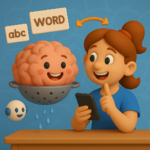
AI 时代学英语还有价值吗?在 AI 翻译技术飞速发展的背景下,学习英语是否还有价值 。虽然 AI 翻译很强大 ,但在理解细微差别、文化背景和确保关键领域的准确性上仍有局限 。英语在全球商业、科技和网络中仍占主导地位 。更重要的是,学习英语本身能带来 AI 无法替代的认知提升、文化理解和职业优势 。结论是,AI 应作为辅助工具,而学习英语本身的价值依然巨大 。1. 核心问题 (The Core Question): AI 翻译技术 (AI translation technology) 发展迅速,我们还需要努力学英语吗? 对话探讨了 AI 的能力 vs. (versus / 对比) 真正懂英语的好处。2. AI 翻译:强项与弱点 (AI Translation: Strengths & Weaknesses): 强项 (Strengths): 处理基础翻译 (basic translation) 很快捷,工具易得且便宜 。 弱点 (Weaknesses):难抓细微差别 (Nuance/Subtlety): 难懂文化背景、幽默、讽刺、语气 (cultural context, humor, sarcasm, tone) 。 准确性不足 (Accuracy): 对不常用语言或专业领域 (specialized fields) 容易出错 。 实时对话困难 (Real-time Conversation): 嘈杂环境、口音、俚语 (noisy environments, accents, slang) 会干扰 AI 。3. 英语的重要性 (The Importance of English): 全球约 15 亿使用者 (1.5 billion speakers),是国际商务 (international business)、科技 (science & tech)、学术 (academia) 和互联网 (internet) 的主导语言 。 懂英语意味着能直接获取大量全球信息和机会 (direct access to global information & opportunities) 。 但也可能给非英语使用者带来障碍 (barriers) 。4. 学习英语的好处 (Benefits of Learning English): 认知提升 (Cognitive Boost): 锻炼大脑,提升注意力、记忆力,可能延缓认知衰退 (improve attention, memory, potentially delay cognitive decline) 。这是用翻译器得不到的 。 文化理解 (Cultural Understanding): 更深入地理解英语文化,促进跨文化交流 (deeper insight into cultures, foster cross-cultural communication) 。 人际连接 (Personal Connections): 直接沟通更能建立信任和融洽关系 (build trust and rapport) 。 职业发展 (Career Advancement): 在全球化领域是重要优势,增加工作机会和收入潜力 (important advantage in globalized fields) 。5. 过度依赖 AI 的风险 (Risks of Over-relying on AI): 错误风险 (Accuracy Risks): 在医疗、法律等高风险领域 (high-stakes fields) 可能造成严重后果 。 隐私安全 (Privacy & Security): 存在数据泄露风险 (risk of data leaks) 。 偏见问题 (Bias Issues): AI 可能放大训练数据中的偏见 (amplify biases) 。 技能退化 (De-skilling): 可能导致自身语言能力下降 (decline in personal language abilities) 。6. 结论:人机协作 (Conclusion: Human + AI Partnership): 专家普遍认为 AI 是 辅助工具 (augmentation tool),而非完全替代品 (replacement) 。 学习英语仍然非常有价值 (Learning English remains incredibly valuable) 。 未来趋势是 利用 AI (leverage AI),同时 发展真实的语言能力 (invest in genuine language skills) 。 直接用语言沟通带来的深度和丰富性 (depth and richness) 是目前技术无法完全取代的 。重点词汇和表达引言 & AI 翻译的能力 (Introduction & AI Capabilities) staggering: (形容词) 惊人的,难以置信的 benchmarks: (名词) 基准,衡量标准 accessible: (形容词) 易得到的,可使用的 slogging through: (动词短语) 费力地学习/处理AI 的局限性与细微差别 (AI Limitations & Nuances) nuance: (名词) 细微差别 idioms: (名词) 习语,成语 sarcasm / irony: (名词) 讽刺 / 反语 subtext: (名词) 潜台词,言外之意 precision: (名词) 精确性 crucial: (形容词) 至关重要的 indemnify: (动词) 赔偿,保障 (法律术语) vital: (形容词) 极其重要的 throw (someone) off: (动词短语) 使…困惑,干扰 ambiguous: (形容词) 模棱两可的英语的全球重要性 (Global Importance & Dominance of English) proficiency / proficient: (名词 / 形容词) 精通,熟练 / 精通的 dominance: (名词) 主导地位 equity: (名词) 公平,公正 marginalizing: (动词的现在分词形式) 边缘化 homogenization (linguistic): (名词) (语言)同质化学习英语的益处 (Benefits of Learning English) cognitive: (形容词) 认知的 rapport: (名词) 融洽关系 authentic: (形容词) 真实的,真诚的过度依赖 AI 的风险 (Risks of Over-reliance on AI) high-stakes: (形容词) 高风险的 hallucinations (AI): (名词) 指 AI 编造信息 plausible: (形容词) 貌似可信的 amplifying biases: (动词短语) 放大偏见 accountability: (名词) 问责制,责任 de-skilling: (名词) 技能退化专家观点与结论 (Expert Views & Conclusion) augmentation tool: (名词短语) 增强工具 leverage: (动词) 利用 (尤指为获利) competence (linguistic): (名词) 能力 (语言能力)欢迎大家留言分享你的感想,或者加艾薇同学的微信加入我们的听友群参与讨论~在小宇宙查看该单集文稿
19分钟
99+
1年前
EP17 克服英语口音焦虑,英语口语提升3大训练方法

EP17 克服英语口音焦虑,英语口语提升3大训练方法

英语冰美式

哈喽小伙伴们,欢迎收听本期播客!你是否曾因为口音不标准而不敢开口说英语呢?是否觉得自己的发音很“中式”,甚至带有方言味儿,害怕被嘲笑?这种“口音羞耻”深深困扰着我们,让我们在沟通时感到自卑、焦虑,甚至因此放弃了表达的机会。本期节目,我和乔治同学结合亲身经历和语言学知识,跟大家深入讨论了口音的成因、口音与身份认同的关系,以及我们为什么会对口音如此敏感。说话有口音,本身是非常普遍且正常的,关键在于它是否影响有效沟通,无须追求“完美”。节目后半部分,我们着重介绍了克服口音焦虑、优化发音、提升表达清晰度和自信心的实用策略和三大训练步骤。我们的目标不是追求完美的口音,而是通过科学的诊断和针对性训练,让发音更清晰,减少沟通障碍,最终能够自信、流利地用中英文表达自己,不再被口音羞耻所束缚!🪐 时空穿梭轴00:03 开场爆笑:买不到 Egg,要不到 Water?那些年我们“开不了口”的英语单词02:28 “口音警察”出没?聊聊网络上的口音评价与焦虑03:50 口音是我的身份标签,还是沟通障碍?(主播经历分享)04:37 深度解析:口音 vs 方言,人人都有口音吗?(地域/年龄/性别影响)06:29 南腔北调普通话:口音塑造的身份认同与疏离感 (主播经历分享)11:44 语言故事:一个单词如何区分敌我?(Shibboleth 的启示)13:42 科学揭秘:为什么我们对“不标准”的发音格外敏感?(神经科学视角)17:00 “口音羞耻”再探讨:为何在特定环境下方言会让我们尴尬?20:11 “纠音”也内耗?为什么被纠正发音时容易烦躁 (认知负荷)23:48 英语口音大作战:从“不自觉”到“下决心改变”的历程26:17 香港同学给我的启发:自信表达比“标准口音”更重要?29:30 走出舒适区:真实反馈是发现发音问题的关键36:37 目标设定:我需要练成“母语者”口音吗?(关键期假说)38:39 自我诊断:中国人常见的英语发音难点有哪些?(TH/TD/S/元音等)43:55 告别哑巴英语:三大发音训练法(跟读/针对练习/慢速朗读)47:15 发音也是“体力活”?聊聊口腔肌肉记忆训练49:30 见证你的进步:如何建立并使用“声音日记”51:13 实战演练:利用 AI 和真人语伴进行情境练习55:30 进阶之路:掌握发音规则,让练习更高效 (不仅仅是模仿!)57:52 终极提醒:专注练习,10-20分钟 > 1小时无意识磨蹭BTW:乔治同学讲解 t/d 发音的视频,可以在这里找到:兔two傻傻分不清楚我们也提到了一个包含多种口音朗读同一段文字的声音档案库,供大家对比学习:the Speech Accent Archive 我们还提到的“语音识别实验”文本段落(适合练习发音和录制声音日记):Please call Stella.  Ask her to bring these things with her from the store:  Six spoons of fresh snow peas, five thick slabs of blue cheese, and maybe a snack for her brother Bob.  We also need a small plastic snake and a big toy frog for the kids.  She can scoop these things into three red bags, and we will go meet her Wednesday at the train station.我们在小报童上专门写了一个专栏《AI+ 英语学习手册》,详细介绍了如何利用 AI 诊断发音问题、进行跟读模仿和对话练习,欢迎感兴趣的小伙伴订阅!欢迎大家留言分享你的感想,或者加艾薇同学的微信加入我们的听友群参与讨论~在小宇宙查看该单集文稿

60分钟
99+
1年前
EP18 (全英) Overcome Accent Anxiety 克服英语口音焦虑,建立口语表达自信

EP18 (全英) Overcome Accent Anxiety 克服英语口音焦虑,建立口语表达自信

英语冰美式

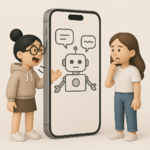
Understanding & Improving Language Accent 1. Personal Experiences & Impact Communication Breakdowns (Simple words like "eggs", "water" misunderstood)Accent as a BarrierSelf-consciousness / Accent Shame (Feeling embarrassed)Confidence (Importance of confident expression, e.g., Hong Kong speakers)Accent & Identity (Feeling like an outsider vs. connection/belonging) 2. Nature of Accents Accent vs. Dialect (Accent is pronunciation variation within a dialect/language)Accents are Normal (Everyone has one, influenced by region, age, gender)Neurological Sensitivity (Brain notices deviations from expected sounds)Speech Accommodation (Unconscious tendency to adapt speech to others) 3. Challenges in Learning & Correction Lack of Awareness (Difficulty hearing differences initially)Influence of Teachers' AccentsIngrained Habits (Formed without early feedback)Cognitive Overload (Difficulty focusing on meaning and mechanics when corrected)Receiving Feedback (Can cause irritation; better to be positive and specific) 4. Strategies for ImprovementA. Setting Goals Focus on Clarity & Comprehensibility (Not native-like perfection)Understand the "Critical Period Hypothesis" (Native accent harder for adults) B. Diagnosing Issues Identify Specific Problem Sounds (e.g., 'th', 't'/'d' placement, vowels, 's')Feedback Loop (Importance of realizing when misunderstanding occurs) C. Training Techniques Imitation / Follow-up Training (Mimic a clear model speaker)Targeted Exercises (Focus on specific sounds, build muscle memory)Slow, Exaggerated Reading (Train muscles, articulate clearly)Voice Diary (Record yourself, track progress, build awareness)Contextual Practice (Use English in real conversations)Understand Rules (Connected speech, stress, rhythm - the "music" of English) D. Tools & Caveats Phonetic Symbols (Useful guide, but not the whole picture)AI Tools / Tutoring (Can help with practice)Need for Real Interaction (Essential for authentic feedback) 5. Final Thoughts Accent is part of identity, improvement is possible if needed for clarityIncreased awareness enhances appreciation for communication diversity欢迎大家留言分享你的感想,或者加艾薇同学的微信加入我们的听友群参与讨论~在小宇宙查看该单集文稿
20分钟
1k+
1年前
EP14 (全英) Speak it till You Make it: 掌握英语语言知识(词汇、语音和语法)

EP14 (全英) Speak it till You Make it: 掌握英语语言知识(词汇、语音和语法)

英语冰美式

Main Themes and Important Insights1. The Role of AI in English Learning: AI for Simple Communication vs. Deeper Connection: While AI translation tools are excellent for basic communication (e.g., ordering food), they are insufficient for building real human connections, understanding cultural nuances, or professional communication. Language Learning Beyond Translation: Learning a language is about communication, connection, and understanding culture, which AI cannot fully replicate. Cultural concepts often lack direct equivalents across languages. AI as a Learning Aid: AI tools can support learning by improving efficiency and providing feedback on pronunciation and grammar, facilitating deliberate practice. Challenging the Idea of Replacing Teachers: The notion that AI negates the need for teachers and structured learning is implicit in the discussion about systematic learning.2. Effectiveness of Fragmented Learning: Systematic Fragmented Learning is Key: Learning in short bursts of time can be effective if it's systematic, with a clear learning path and connection between different learning activities. Importance of Clear Goals: Learners need to know what English skills they aim to acquire to make fragmented learning meaningful. Utilizing the CEFR Framework: The Common European Framework of Reference for Languages (CEFR) can help learners understand their current level and set appropriate learning goals. Most Chinese learners fall between A2 and B1 levels initially. Learning Materials Should Be Slightly Above Current Level: To be effective, practice materials should challenge learners but not be so difficult as to be incomprehensible.3. Rethinking Vocabulary and Grammar Learning: Vocabulary Learning Beyond Memorization: While vocabulary size is important, the focus should shift from passive recognition to active use in context. Goal-Oriented Vocabulary Learning: The method of vocabulary acquisition should align with the learning goal (e.g., test-taking vs. spoken communication). For output-focused learning, understanding and practicing words in context is crucial. Deliberate Practice for Active Vocabulary: Consciously trying to use new words in real-life scenarios or creating sentences helps convert passive vocabulary into active vocabulary. AI can assist in this process by providing examples and feedback.4. Effective Grammar Learning: Grammar for Communication, Not Just Theory: Overemphasis on theoretical grammar rules and abstract exercises (like complex subjunctive questions) hinders practical application and communication skills. Moving Beyond Simple Sentence Structures: Learners should consciously practice using varied grammatical structures and avoid relying solely on basic patterns like starting every sentence with "I." AI can help generate alternative sentence constructions.5. Effective Pronunciation Learning: Beyond Phonetic Symbols: Simply mastering the 48 phonetic symbols is insufficient for good pronunciation due to changes in connected speech, stressed/unstressed syllables, reduced vowels, and consonant-vowel combinations. Focus on Key Challenges for Chinese Speakers: Learners should prioritize sounds that are different or absent in Chinese (e.g., "th" sound, diphthongs) and focus on features of connected speech (e.g., lost plosives, linking sounds, intonation, rhythm). Importance of Feedback: Feedback, whether from AI speech recognition or real conversations, is crucial for identifying and correcting pronunciation errors. Overcoming Fear of Accent: Learners should not let the fear of having an accent prevent them from speaking. Speaking more leads to discovering areas for improvement. Realistic Expectations from Native Speakers: Native speakers generally have realistic expectations for non-native speakers, and clear communication is valued. However, at intermediate and advanced levels, language competence can influence perceptions of overall competence, particularly in professional settings. Prioritize Speaking and Then Refining: The most important step is to start speaking. Refinement of pronunciation can come later with feedback.6. Shifting Learning Mindset: Aim for Spoken Fluency: The overarching goal should be to speak English confidently. Vocabulary, pronunciation, and grammar are tools to achieve this goal. Focus on Practical Application: Learning should be oriented towards real-world use and communication rather than just theoretical knowledge. Embrace Mistakes as Part of Learning: Fear of making mistakes should be overcome to facilitate practice and improvement.欢迎大家留言分享你的感想,或者加艾薇同学的微信加入我们的听友群参与讨论~在小宇宙查看该单集文稿

28分钟
99+
1年前

加入我们的 Discord

与播客爱好者一起交流

立即加入

扫描微信二维码

添加微信好友,获取更多播客资讯

微信二维码

播放列表

自动播放下一个

播放列表还是空的

去找些喜欢的节目添加进来吧