养自己啊 - 节目列表

17.以人为镜 | 从魅力男性身上,认出自己想长成的形状

17.以人为镜 | 从魅力男性身上,认出自己想长成的形状

养自己啊

520 这周,我们不聊爱情,聊一件更浪漫的事——我们眼中的男性魅力。最近我们都遇见了一些帅哥,不论是现实生活中的偶遇,还是影视剧集中的角色,那些被我们看见的“帅”,始于颜值层面,但惊艳于某种内在品质。儒雅、机智、温柔的力量感、敢上天入地的勇气、懂得尊重的男子气概等等,都是我们眼中的理想型特质。我们慢慢意识到:我们觉得有魅力的特质,常常就是我们自己想要、但还没长出来的那一部分,这就不止是“男性魅力”的事了。我们都在魅力男性身上找到自己缺的那一块:翠翠把一位温柔男士对她说话的方式内化进了自我对话;至卉则从男性的野心里偷一点为自己撑场子的勇气。伟大的灵魂,都是雌雄同体的。愿你听完也为自己更新一份「理想型清单」。不是为了找谁,而是为了认领你身上正在长出来的那一部分。本期主播:至卉:生活在中国,注册营养师兼创业公司产品经理,职业上靠研究食物谋生,生活中靠“用嘴表达”解压,持续探索生活与自我的可能性。ENFJ射手,激情高昂,内心柔软。翠翠:生活在英国,工科博士在读,生活方式试验爱好者,从南京初创公司到北京大厂再到英格兰校园,像河一样流出自己的人生路径。INFJ白羊,平淡内敛,一身反骨。时间轴Part 1 我们眼里有谁?00:00 520 这周,我们不聊爱情,聊一件更浪漫的事00:38 船员小哥:男人最好的医美,是他的摄影技术04:09 帅气老登:儒雅耐心的眼科主任医师06:05 男主巡礼:张凌赫《逐玉》、韩东君《装腔启示录》、李现《春风寄情人》09:03 翠翠的理想型:翩翩公子、温润如玉、聪慧的大脑、文艺的爱好13:00 至卉的理想型:勇敢与力量,于万军中取上将首级16:36 尊重女性,平等对话,才更显男子气概Part 2 为什么是这些特质:镜子里的我们17:36 每个人的审美都折射出自己18:59 你想要、但还没达到的,会落在理想型的池子里19:22 没被父亲温柔对待的童年,让我无法抵抗温柔属性22:45 勇敢是什么?是少数人有但我想要的品质25:07 我们通过这些人,知道自己向往哪些品质Part 3 以人为镜,借光生长25:40 吸星大法,用魅力男性的特质养育自己27:40 我把温柔男士的对话,内化成了我跟自己说话的方式29:29 温柔不是软弱,是非暴力的沟通方式32:45 女性受欺负时,也可以学习男性的力量来捍卫自己37:20 男性的野心+女性的共情力:女性搞事业的王炸组合Part 4 雌雄同体的人们42:08 伟大的灵魂,都是雌雄同体的42:39 稀缺的性别特质都是绝杀:女性的野心、男性的谦逊44:33 魅力的对立面,是映射了我们自身的不足,也要学会接纳46:00 勇敢不是不会害怕,是害怕,还能往前冲这期里出现过的人和作品剧集:《装腔启示录》《白日提灯》《春风寄情人》《神探夏洛克》《逐玉》 演员:张凌赫、韩东君、李现、陈飞宇节目里提到的往期单集🎧EP12 女性主义×男子气概:从《蓝眼武士》到《非穷尽列举》扫码解锁更多【养自己啊】深度内容💬 粉丝群 | 节目更新,聊天交流,分享你的“养自己”瞬间📖 公众号 | 未讲完的故事,主播专栏,文字版陪伴EP17 People as Mirrors | Through Charismatic Men, the Shape We're Quietly Growing IntoIt's 520 this week — the Chinese date that sounds like wǒ ài nǐ ("I love you"), an unofficial Valentine's. Instead of talking about love, we're talking about something even more romantic — the kind of male charisma that catches our eye.Lately, we've both come across some impressive guys — whether in real-life encounters or characters from films and shows. The “attractiveness” we noticed started with good looks, but what truly amazed us were certain inner qualities.Gentleness, intelligence, quiet strength, courage that dares to conquer the world, and a masculinity rooted in respect — these are the traits we find most compelling.We gradually realised: the qualities we find attractive in others are often the very ones we long for — but haven't fully grown into yet. So it's no longer just about “male charisma.”Each of us has found a missing piece in a charismatic man: Cuicui learned how a gentle friend spoke to her and internalised it into her own self-talk. Zhihui, on the other hand, wants to borrow a little of that male ambition to summon more courage for herself.Great souls are androgynous.We hope that after listening, you’ll update your own “ideal type checklist” — not to go looking for someone else, but to recognise the parts of yourself that are still growing.The hostsZhihui | Based in China. Registered dietitian and product manager at a start-up — researches food for a living, decompresses by talking things out, and keeps experimenting with what life and a self can be. ENFJ Sagittarius: high-voltage on the outside, soft on the inside.Cuicui | Based in the UK. Engineering PhD in progress, lifestyle-experimentation enthusiast. From a Nanjing start-up, to a Beijing tech giant, to an English campus — her path winding the way a river finds its own. INFJ Aries: outwardly even-keeled, with a streak of rebellion underneath.TimestampsPart 1 — Who we've been noticing00:00 A 520 week, but not a love episode00:38 The boat crew guy – the best cosmetic surgery for a man is his photography skills.04:09 The charming old man – a gentle, patient ophthalmologist.06:05 A tour of our favourite male characters: Zhang Linghe in Zhu Yu, Han Dongjun in The Insiders, Li Xian in Spring Winds, Beloved.09:03 Cuicui’s ideal type: graceful, warm as jade, a sharp mind, cultured hobbies.13:00 Zhihui’s ideal type: brave and strong – the kind who can charge into battle and take the enemy general’s head.16:36 Respecting women and having equal conversations – that’s what real masculinity looks like.Part 2 — Why these qualities? The mirrors in us17:36 Our taste in others reflects ourselves.18:59 The qualities you want but haven’t yet achieved – they fall into your “ideal type” pool.19:22 A childhood without a gentle father makes it impossible to resist tenderness as an adult.22:45 What is courage? A quality few have – but one I want.25:07 Through these people, we discover which qualities we aspire to.Part 3 — People as mirrors, growing by borrowed light25:40 Absorbing their strengths – nurturing ourselves with the traits of charismatic men.27:40 I internalised the way a gentle man spoke to me – now that’s how I talk to myself.29:29 Gentleness is not weakness – it’s a non‑violent way of communicating.32:45 When women face mistreatment, we can also learn from masculine strength to defend ourselves.37:20 Male ambition + female empathy – the ultimate power combo for women in their careers.Part 4 — The androgynous among us42:08 Great souls are androgynous.42:39 Rare gender traits are game‑changers: ambition in women, humility in men.44:33 The opposite of charm often mirrors our own shortcomings – and we need to accept those too.46:00 Courage isn’t the absence of fear – it’s being afraid and still moving forward.People and works mentionedDramas: Fake It Till You Make It《装腔启示录》, Love Beyond the Grave《白日提灯》, Will Love in Spring《春风寄情人》, Sherlock《神探夏洛克》, Pursuing the Jade《逐玉》 Actors: Zhang Linghe 张凌赫, Han Dongjun 韩东君, Li Xian 李现,Chen Feiyu 陈飞宇A past episode we touched on🎧 EP12 Feminism × Masculinity: from Blue Eye Samurai to Inter Alia在小宇宙查看该单集文稿

47分钟
99+
1周前
16.班味儿,是自我磨损的胶皮焦味

16.班味儿,是自我磨损的胶皮焦味

养自己啊

在职老狗×读博留子,聊聊那股说不清的疲惫从哪儿来。班味儿到底是什么呢?是上班的"班",还是更广义的那种"我应该是怎样、可现在变成了另一个样子"的疲惫?本期主播:至卉:营养师,住在南京,在职老狗,最近在练习离开办公室就完全不想工作。翠翠:工科博士生,住在英国,读博留子,正在和那个住在心里的资本家慢慢和解。录这期的时候,我俩开场互问:「此时此刻,你觉得我有班味儿吗?」结果两个人都说"觉得对方比我好多了"——果然人看自己看别人都是带着滤镜的。我们慢慢聊到一个让自己有点心惊的点:原来很多时候,不是工作把我们变成了这样,是我们把工作上的行为模式内化成了自己和自己的关系模式。考98分要追问那2分错在哪、努力120%才算努力、苦劳像一种必须缴的税——这些声音从教育体系、原生家庭、文化期待慢慢搬进了我们脑子里,最后我们甚至不需要老板了,自己就能把自己用到力竭。那这一身班味儿,怎么去?我们没有给出锦囊妙计,只是各自分享了一些笨拙的尝试:去看见那个自我批评的声音,听听它像谁在说话;允许自己什么都不做,比如晒一下午太阳;把"休息"放进必须完成的工作清单里;在内心多攒几个温柔朋友的声音,让它们替换掉那些严苛的声音。不是关于变得更好,是关于允许自己:专注当下,把自己的感受放在第一位。希望你听完,能稍微松一口气。时间轴Part 1 班味儿到底是个什么味儿?00:00 此时此刻,你觉得我有班味儿吗?00:49 衣柜打开全是职业风,连出门玩的衣服都很「正经」02:09 「我一直处于一种活人微死的状态」04:53 不修边幅的实习生 vs 朴素却精神的保洁阿姨——班味儿不在外表,在状态06:09 班味儿是什么:上班这件事让你不再是真实的自己06:38 这个「班」一定是上班的班吗?读博、做播客算不算?08:08 「如果你爱上班,那上班就是纵欲,不是自律」Part 2 同样的人,为什么换了身份还有班味儿?12:54 压力最大那年,我跑去柏林、奥斯陆,背着电脑工作14:47 上班4年没像读博这么加班过——博士阶段让我"快死了"15:39 班味儿到「班癌」:连吃饭、买衣服、睡觉都成了问题19:33 我自己给自己当资本家,比真老板还狠23:53 学校是象牙塔?这是一个误解26:08 职场至少有劳动法和加班费的共识,学术界没有28:22 老板画饼 vs 学术界画饼:成功就发一篇好论文,失败就是一颗弃子32:34 血酬:拿心血去换酬劳,但那个酬可能根本就没有Part 3 看见那个声音,允许自己什么都不做33:54 工作是为了生活——把工作当组间休息36:55 「我的休息和充能是必要的,跟工作优先级相同,甚至更高一些」37:21 毛主席太有智慧了:会休息的人才会工作39:36 你自我批评时的那个语气,最像谁在说话?41:25 当你看见山的时候,你就在山之外42:33 内化温柔朋友的声音,替换掉那些严苛的声音44:43 一个晒太阳 + 刺绣的下午:什么都没做,但充能很多47:18 清明假期意外遇到一株网红绣球花的下午49:12 祛斑味的底层:允许自己专注当下,把自己的体验放在第一位提到的几个概念血酬|出自经济学者吴思的《血酬定律》。我们在节目里用了这个意象——拿身心健康去换那点不一定能拿到的酬劳,初期是班味儿,后期是「班癌」。会休息的人才会工作|毛泽东的话。把"休息"和"充能"放进必须完成的工作清单里,而不是工作之后的奖励。内化的他人 | 心理学里有一脉叫客体关系理论,讲的是我们会把成长中重要他人的声音内化进心里,那个批评你的声音其实经常不是你自己。看见它、给它找到来源,你就和它分开了。节目里提到的往期单集🎧EP15 成年人的友谊 | 向深处扎根,往远处生长我们聊到「成为自己的朋友」「内化朋友的声音作为自我对话模板」这条线,最早是在上一期友谊里展开的。如果想把这一集的"听见严苛声音"这个动作做得更完整,可以一起听。🎧EP02 驱散焦灼心情的五感着陆小魔法,重新养育幸福力节目中段提到的「五感着陆」具体方法,详细聊在这一期里。当焦虑感冒出来不知道怎么办,可以参考这一期的小工具。如果你也有班味儿、或者有自己的祛班味儿小办法,欢迎在评论区聊聊。也欢迎扫码加入听友群跟我们继续唠。扫码添加主播微信,备注【养自己啊】,我们邀请你入群在这里可以:-抢先获取节目更新,分享感受-参与选题讨论,你的声音可能成为节目的一部分-遇见一群同样在认真“养自己”的同路人,一期探索成长与生活EP16 Office aura is the smell of rubber burning — your ownA working veteran and a doctoral runaway unpack where that bone-deep tiredness really comes from. Is "office aura" really about going to an office? Or is it something broader — that fatigue of "I should be one kind of person, but somehow I've turned into another"?HostsZhihui | Nutritionist based in Nanjing, a seasoned workplace veteran, currently practising the radical art of not thinking about work the moment she leaves the office. Cuicui | Engineering PhD student based in the UK, in her doctoral runaway era, slowly making peace with the inner capitalist who's been living rent-free in her head.We opened this recording by asking each other: "Right now, do you think I have any office aura on me?" Both of us said some version of "honestly, you look way better off than I am" — turns out we look at ourselves and at each other through completely different filters.We slowly arrived at a slightly unsettling realisation: a lot of the time, it isn't work that turned us into this. It's that we've internalised the behavioural patterns of work into the relationship between us and ourselves. The voice that asked "where did the other 2 marks go?" when we scored 98 in school. The cultural script that says "you must give 120%". The vague conviction that hard work itself — even unrewarded, even self-destructive — is a kind of tax we owe. These voices crept in from school, from family, from the wider culture, until eventually we didn't need a boss at all. We could exhaust ourselves perfectly fine on our own.So how do you get the aura off? We didn't come up with a clever framework. We just shared some clumsy attempts: noticing that self-critical voice and asking who it sounds like; allowing ourselves to do nothing — a whole afternoon of sun and embroidery, no productivity required; putting "rest" on the must-do list rather than the reward list; collecting the voices of gentle friends and letting them replace the harsh ones in our heads.This episode isn't about becoming better. It's about giving ourselves permission — to stay present, and to put our own felt experience first.We hope you finish listening with a small sigh of relief.TimestampsPart 1 What does this "office aura" actually feel like?00:00 Right now, do you think I have any office aura on me?00:49 Opening her wardrobe and finding nothing but office wear — even the travel clothes look formal02:09 "I've been living in a kind of half-dead state for a while"04:53 A scruffy intern vs a beaming cleaner — office aura isn't about how you dress, it's about your state06:09 Defining it: office aura is when work has stopped you from being your real self06:38 Does it have to be an actual office? What about a PhD, or running a podcast?08:08 "If you love exercising, daily workouts are indulgence, not discipline. If you love working, work is indulgence, not discipline."Part 2 Same person, different role — why is the aura still there?12:54 The year I was most stressed, I flew to Berlin and Oslo and worked from there14:47 Four years in the workplace and I never overworked like this — the PhD nearly killed me15:39 From "office aura" to "office cancer": eating, sleeping, even buying clothes became problems19:33 I became my own capitalist — and turned out to be far crueller than any boss I'd had23:53 "The university is an ivory tower" — turns out that's a misconception26:08 Workplaces at least have labour laws and overtime norms. Academia has neither.28:22 Bosses dangling carrots vs academia dangling carrots: succeed and you publish a great paper, fail and you're a discarded pawn32:34 Xue chou — trading your blood for wages, except the wages might never comePart 3 See the voice. Allow yourself to do nothing.33:54 Work is for living — treat work as an interval rest between the things that actually matter36:55 "Rest and recharging are necessary. They have the same priority as work, possibly higher."37:21 Mao got it right: only those who know how to rest know how to work39:36 When you criticise yourself, whose voice does it sound most like?41:25 When you can see the mountain, you're already outside it42:33 Internalise the voices of your gentle friends — let them replace the harsh ones44:43 An afternoon of sun and embroidery: did nothing, recharged enormously47:18 Stumbling into a famous hydrangea bush during an unplanned Qingming holiday49:12 The bedrock of getting the aura off: allow yourself to be fully present, and put your own felt experience firstConcepts mentionedXue chou (血酬) | From Wu Si's economic study The Law of Xue Chou. We borrowed the imagery: trading your physical and mental health for compensation that may never arrive. The early stage is "office aura"; the late stage is what we jokingly call "office cancer"."Only those who know how to rest know how to work" | Mao Zedong. Put rest and recharging on your must-do list, not your reward-after-work list.The internalised other | There's a strand of psychology called Object Relations Theory — it describes how we take in the voices of significant people from our upbringing and house them inside ourselves. The voice criticising you is often not actually you. See it, name its source, and you've already separated from it.Past episodes referenced in this one🎧 EP15 Adult friendships | Rooted in depth, reaching into the distance The thread we pulled on here — "becoming your own friend", "internalising friends' voices as a template for self-talk" — was first opened up in our last episode on friendship. If you want to take this episode's act of "hearing the harsh voice" further, listen to that one alongside.🎧 EP02 Five-sense grounding: a small piece of magic for dispelling anxiety, and re-parenting your capacity for joy The "five-sense grounding" technique mentioned mid-episode is unpacked properly there. When anxiety surges and you don't know what to do, that's the episode for the practical toolkit.If you have your own version of office aura, or your own clumsy ways of getting it off, do drop us a comment. You're also welcome to scan in and join our listener group to keep the conversation going.在小宇宙查看该单集文稿


49分钟
99+
3周前
15.成年人的友谊 | 向深处扎根,往远处生长

15.成年人的友谊 | 向深处扎根,往远处生长

养自己啊

三十多岁,忽然发现朋友圈的地基在松动——有人走了,有人远了,有人还在但关系变了。至卉说"我没有朋友会死",翠翠说"我的旧结构崩掉了,新的还没建起来"。这期我们从各自的友谊现状出发,聊了成年人交朋友为什么那么难、友谊分手为什么那么疼、怎么和老朋友走进新关系,以及——为什么最终还是要学会和自己做朋友。本期主播:至卉:生活在中国,注册营养师兼创业公司产品经理,职业上靠研究食物谋生,生活中靠“用嘴表达”解压,持续探索生活与自我的可能性。ENFJ射手,激情高昂,内心柔软。翠翠:生活在英国,工科博士在读,生活方式试验爱好者,从南京初创公司到北京大厂再到英格兰校园,像河一样流出自己的人生路径。INFJ白羊,平淡内敛,一身反骨。时间戳Part 1 30多岁的友谊长什么样 00:03 开场:生活一直在变,朋友圈也在流动,今天聊聊我们和朋友的故事 00:44 四层友谊圈——熟人、普通朋友、密友、挚友; 02:36 朋友是自己选择的家人,朋友圈还在搭建 05:33 成年人交朋友,从被动相遇到主动选择的转变 08:19 人和人之间的"磁场":选谁当朋友,身体帮你做的选择Part 2 成年人友谊的流动与阵痛 09:52成年人的友谊为什么这么难?时间精力有限、自我认知太明确、磨合成本变高了 12:57 友谊建立略:主动出击大法 vs 放飞自我路线 21:08 至卉和翠翠的友谊是怎么从少年走到现在的 23:28 成年人的友谊分手,是必然也是真的会痛Part 3 健康友谊形态助力自我养育 30:36 健康友谊的距离感:不仰望不俯视,不越界但永远站在你这边 35:52 令人窒息的友谊,源于那些无意识的行为模式 38:25 朋友多而广 vs 少而精:从"渴望深度链接"到"玩得愉快就好" 42:28 跨领域跨国籍友谊,通过朋友看世界 47:58 朋友网就是安全网,搭建滋养自我的朋友圈 49:18 成为自己的朋友,把对别人的善意先给自己延伸阅读 📖 Marisa G. Franco《Platonic》— 用依附理论解读成人友谊 📖 Robin Dunbar 的社交层级理论 — 最内层约5个至亲密友 📖 Laura Carstensen 的社会情绪选择理论 — 朋友变少不是退化,是精选欢迎加入【养自己大军】听友群!扫码添加主播微信,备注【养自己啊】,我们邀请你入群在这里可以: 抢先获取节目更新,分享感受 参与选题讨论,你的声音可能成为节目的一部分 遇见一群同样在认真“养自己”的同路人,一期探索成长与生活Adult friendships | Rooted in depth, reaching into the distanceWhat happens to your friendships when life keeps reshuffling the deck? Zhihui declares she'd perish without friends; Cuicui admits her old social structure has collapsed and the new one is still under construction. In this episode, the two hosts trade honest stories about why making friends as an adult feels so much harder than it used to, the particular sting of a friendship breakup (and why society doesn't really let you grieve one), the art of finding the right distance in close friendships, and what it means to cross cultural lines for connection — from awkward hugs to halal restaurants to wartime communities. The conversation arrives, as it always does on this podcast, at the question of self-nurturing: could the most important friendship be the one you build with yourself?TimestampsPart 1: What Friendship Looks Like in Your 30s 00:03 Opening: Life keeps changing, and so do our social circles. Today we're talking about our friendships. 00:44 Four layers of friendship: acquaintances, casual friends, close friends, and best friends 02:36 Friends are the family we choose for ourselves – and we're still building ours 05:33 Making friends as adults: from passive encounters to active choices 08:19 The "vibe" between people: letting your body help you decide who to befriendPart 2: The Fluidity and Growing Pains of Adult Friendships 09:52 Why is adult friendship so hard? Limited time and energy, clear self-awareness, higher costs of adjusting to each other 12:57 Friendship‑building strategies: the "take the initiative" approach vs. the "let it happen" approach 21:08 How Zhihui and Cuicui's friendship grew from childhood to now 23:28 Adult friendship breakups: inevitable, and genuinely painfulPart 3: Healthy Friendships as a Way to Nurture Yourself 30:36 Healthy distance in friendship: neither looking up nor down, not overstepping, but always on your side 35:52 Suffocating friendships often come from unconscious behaviour patterns 38:25 Many friends vs. a few close ones: from "craving deep connection" to "just having a good time" 42:28 Cross‑field, cross‑cultural friendships – seeing the world through friends 47:58 Your friend network is your safety net – build a circle that nourishes you 49:18 Becoming your own friend: turn the kindness you give to others toward yourself firstFurther reading 📖 Marisa G. Franco, Platonic — the science of attachment applied to adult friendship 📖 Robin Dunbar's social layers model — we can only maintain about 5 truly close friends 📖 Laura Carstensen's socioemotional selectivity theory — having fewer friends with age is pruning, not decline在小宇宙查看该单集文稿

56分钟
99+
1个月前
14.要试错多少次,才能找到事业甜蜜点?

14.要试错多少次,才能找到事业甜蜜点?

养自己啊

两个在初创和大厂之间反复横跳的人,终于坐下来把这些年的职业弯路摊开聊了聊。不是什么逆袭故事,就是普通人在"我到底想干什么"这个问题上,摸爬滚打了十年之后的一些真心话。如果你也正处在职业迷茫期,也许会在我们的故事里找到一点共鸣和陪伴。本期主播:至卉:生活在中国,注册营养师兼创业公司产品经理,职业上靠研究食物谋生,生活中靠“用嘴表达”解压,持续探索生活与自我的可能性。ENFJ射手,激情高昂,内心柔软。翠翠:生活在英国,工科博士在读,生活方式试验爱好者,从南京初创公司到北京大厂再到英格兰校园,像河一样流出自己的人生路径。INFJ白羊,平淡内敛,一身反骨。时间戳Part 1 我们的十年职业经历00:00 在社会上十年,两个普通女性混成了啥样?01:50 翠翠:职业起点就在初创公司,三年爱过也恨过04:20 翠翠:放弃体面岗位,奔赴专业领域,辞职出国读博09:23 至卉:脱不下孔乙己的长衫,结果只是大厂纺织女工12:56 至卉:上市集团到草台班子,落差下探索喜欢的领域Part 2 学到的本事和踩过的坑13:48 大公司VS初创,通用技能VS十项全能19:55 工作是拿时间换想要的东西,不必面面俱到赢得上级认可23:23 小公司灵活自由的另一面25:54 逃离渣男式的跳槽是跳火坑,知己知彼才是正解30:53 拿回主动权,建立护城河,不再把职业选择权交给别人Part 3 本命职业路径的探索33:12 走过的路,都算数35:36 我也想被大佬带飞,没有大佬我就成为那个大佬38:27 天降真命天子不存在,本命职业也不是完美匹配41:25 不去找正确答案,而是注重自我感受45:53 别人眼里的风光VS自己眼里的价值49:09 五年后的职业期待:开花结果,成为大佬延伸阅读 / 相关推荐 知己知彼,百战不殆 ——《孙子兵法》 职业教练 / 职业咨询:如果你也在迷茫期,找专业的人聊聊也许会有帮助How Many Wrong Turns Before You Find Your Path?About This EpisodeTwo women who've spent a decade bouncing between startups and big corporates finally sit down to untangle their career journeys. This isn't a success story — it's an honest look at what happens when you don't have a grand plan, when you pick jobs the way you might pick a rebound relationship, and when the path you're drawn to doesn't come with a manual or a mentor. If you're in the middle of your own career fog, there might be something here for you.TimestampsPart 1: Our Decade in the Working World 00:00 After ten years out there, where have two ordinary women ended up? 01:50 Cuicui: Started her career at a startup — three years of devotion and heartbreak 04:20 Cuicui: Walking away from a comfortable position to chase her professional edge — quitting to pursue a PhD abroad 09:23 Zhihui: Clinging to the "elite graduate" identity, only to find herself a factory worker at a loom in big tech 12:56 Zhihui: From a listed corporate to a scrappy little team — finding what she actually loves through the free fallPart 2: Lessons Learnt and Potholes Hit 13:48 Big company vs startup: being a polished cog vs becoming a Swiss army knife 19:55 Work is trading your time for what you want — you don't have to be perfect at everything to earn approval 23:23 The flip side of startup freedom 25:54 Jumping ship like you're fleeing a bad relationship can land you in another fire — know yourself and your target first 30:53 Taking back control, building your own moat, and refusing to hand your career choices to someone elsePart 3: Finding Your True Calling 33:12 Every road you've walked counts for something 35:36 I wanted someone brilliant to show me the way — if that person doesn't exist, I'll become them myself 38:27 There's no dream job falling from the sky — your calling isn't a perfect match waiting to be found 41:25 Stop hunting for the "right answer" — start listening to how you actually feel 45:53 What others call success vs what feels valuable to you 49:09 Five years from now: blooming, bearing fruit, and becoming that person you once wished would mentor youFurther Reading "Know yourself, know your opponent" — The Art of War by Sun Tzu Career coaching: if you're in a fog, talking to a professional can genuinely help在小宇宙查看该单集文稿

53分钟
99+
1个月前
13.完美主义者的开荒实验:当我们终于在崩溃边缘学会放手

13.完美主义者的开荒实验:当我们终于在崩溃边缘学会放手

养自己啊

最近翠翠和至卉都经历了各自人生中一次不小的冒险——至卉第一次赴美出差16天,从零开始开拓供应商资源;翠翠则在大英图书馆用英语完成了一场学术汇报,还一手组织了一场跨文化社交活动。两个自认完美主义的人,在高压到快要崩溃的边缘,反而体验到了一种意外的轻盈:准备了120%却只用上60%,睡了两小时却聊出了最真诚的对话,放弃了逐字稿却收获了全场的笑声。这一期关于突破、关于恐惧、关于放手、关于在异国他乡的土地上播下种子然后静待花开。本期主播:至卉:生活在中国,注册营养师兼创业公司产品经理,职业上靠研究食物谋生,生活中靠“用嘴表达”解压,持续探索生活与自我的可能性。翠翠:生活在英国,工科博士在读,生活方式试验爱好者,从南京初创公司到北京大厂再到英格兰校园,像河一样流出自己的人生路径。时间轴Part1 两个完美主义者的宁古塔开荒记00:05 开场:消失日子里我们去哪了?我们经历的高压突破时刻01:17 "宁古塔"是什么梗?海外生活好似流放苦寒之地03:45 首次赴美开荒,四线任务并行,提前三个月焦虑得喘不过气06:48 完美主义者的过度准备:还没出国就下载了10多个海外App08:42 "60%法则":准备100%用到60%——下次是不是准备80%就够了?Part2 崩溃到无法再完美,不如放飞自我11:58 从牺牲睡眠到放过自己,任务完不成我还是要睡觉17:31 不再为汇报写逐字稿,我不管了,PPT就交给Claude做吧21:43 "微醺状态"的意外收获:放下掌控欲,放飞自我状态更好23:50 完美主义的背后:害怕自己还不够优秀?Part3 身份与思维的跃迁,能力在崩溃中长出来27:07 从零开始组织一场社交活动,我终于邀请到心仪嘉宾36:31 如果一个人搞不定,那就找人来帮忙41:58 信心大增的瞬间:与老外畅聊的会谈,LinkedIn上的长篇赞美Part4 接受情绪,相信自己,迎接挑战45:12 焦虑和畏难情绪总会出现,但请永远相信自己55:16 花园种地的隐喻:播种三年后冒出的牡丹,和那些看不见的生长58:51 做三四月的事,在八九月自有答案,或者明年八九月延伸阅读 / 相关推荐 播客往期相关:EP07 我们和第二语言的相爱相杀(语言焦虑主题的延续) 概念延伸:"宁古塔"原为清代流放之地,在海外留学/工作群体中成为调侃异国艰苦生活的梗 至卉提到的工具:ChatGPT(商务英文邮件辅助)、各类美国生活APP 翠翠提到的工具:Claude(AI辅助做PPT和准备汇报)The perfectionist's frontier experiment: learning to let go at the edge of collapseAbout this episodeCuicui and Zhihui have both been through the wringer lately — and they're finally ready to talk about it. Zhihui flew to the US for her very first solo business trip, spending 16 days sourcing suppliers across three states with nothing but 156 carefully drafted emails and a boss who wanted to see an NBA game. Meanwhile, Cuicui gave a research talk at the British Library and single-handedly organised a networking event for PhD students, all whilst running on two hours of sleep and a prayer.What they discovered in the process surprised them both: that their perfectionist instinct to prepare 120% actually only needed about 60% to land well. That the best conversations happened when they were too exhausted to rehearse. That speakers appeared as if by magic once they put their intention out into the world. And that growth — much like the peony bulbs quietly sprouting in Cuicui's neglected garden — sometimes happens underground, long before you see anything bloom.TimestampsPart 1 — Two perfectionists on a frontier adventure 00:05 Opening: where we've been, and the high-pressure breakthroughs we've each been through 01:17 The "Ninggu Tower" joke: life abroad as exile to a cold, barren frontier 03:45 Zhihui's first US trip: four parallel workstreams, three months of anxiety before even boarding the plane 06:48 The perfectionist's over-preparation: downloading a dozen apps before leaving the country 08:42 The "60% rule": we prepared 100%, used 60% — could 80% be enough next time?Part 2 — Too burnt out for perfection, so we winged it 11:58 From sacrificing sleep to letting go: the task can wait, but I still need to sleep 17:31 No more memorising scripts: handing the slides to Claude and calling it a day 21:43 The unexpected gift of exhaustion: loosening the grip, finding a better flow 23:50 What's behind the perfectionism: the fear of not being good enoughPart 3 — Identity shifts — capability growing through near-collapse 27:07 Organising a networking event from scratch, and finally landing the dream speakers 36:31 When you can't do it alone, ask for help 41:58 Moments of breakthrough: a free-flowing chat with an American contact, surprise praise on LinkedInPart 4 — Sit with the feelings, trust yourself, and keep going 45:12 Anxiety and self-doubt will always show up — but so will you 55:16 The garden metaphor: peonies that took three years to emerge, and the seeds we can't yet see 58:51 Do the work of March and April; the answers will come in August or September — or maybe next yearFurther reading Related episode: EP07 — Our love-hate relationship with a second language Cultural note: "Ninggu Tower" (宁古塔) was a Qing dynasty exile destination — now used humorously by Chinese expats to describe the hardships of living abroad Tools mentioned: ChatGPT (business email drafting), Claude (presentation prep)养自己啊?问题不大! — Nurturing Yourself? No Big Deal!照顾好身体,安放好情绪,经营好关系,慢慢长成自己。在小宇宙查看该单集文稿

60分钟
99+
2个月前
12.女性主义×男子气概:从《蓝眼武士》到《非穷尽列举》

12.女性主义×男子气概:从《蓝眼武士》到《非穷尽列举》

养自己啊

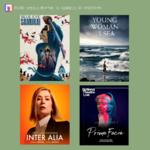
从《蓝眼武士》聊起,聊到《非穷尽列举》《初步举证》《泳者之心》,听听我们从这些电影剧集里汲取过哪些养分和勇气吧。《泳者之心》Young Woman and the Sea 真实故事改编,1920年代Trudy Ederle在父权社会和体育界的双重压制下,成为首位游泳横渡英吉利海峡的女性。身体即抵抗,边界即宣言。《蓝眼武士》Blue Eye Samurai 江户时代混血女子阿水女扮男装踏上复仇之路,副线是明美公主的觉醒。在没有你容身之处的世界里,给自己凿出一条路。《初步举证》Prima Facie 顶尖刑事辩护律师Tessa,自己遭遇性侵后发现她一生捍卫的法律系统,对受害者有多不友善。当信念系统崩塌,你还剩下什么?《非穷尽列举》Inter Alia 同一剧作者Suzie Miller的续集。女法官Jessica,职业上是捍卫性暴力受害者的先锋,却在儿子被指控强奸时,发现自己的一切信仰都被放在天平上。当你既是规则的守护者,又是规则的囚徒——你怎么办?不认命,不服输,不放弃。愿我们都能在自己的故事里,成为不被定义的主角。本期主播:至卉:生活在中国,注册营养师兼创业公司产品经理,职业上靠研究食物谋生,生活中靠“用嘴表达”解压,持续探索生活与自我的可能性。翠翠:生活在英国,工科博士在读,生活方式试验爱好者,从南京初创公司到北京大厂再到英格兰校园,像河一样流出自己的人生路径。主播语录: “明美一直知道自己的美貌和智慧是武器,她是如水的女人。” “女性不要下牌桌。抗争不是因为一定能赢,而是因为你信这个东西。” “纯粹的目标和信念没有为什么,如果一个人能找到不为什么也要达成的目标,那是一件很幸运的事。” "我对我的职业有尊敬,我也不管你们对我有什么评价,这就是我的理想,你不能踩踏我的理想,你不能踩踏我的信仰,所以我必须抗争到底。"时间轴Part 1:不被定义的女性,在枷锁中活出自我0:02:00 初遇《蓝眼武士》,非典型女主的暴力美学0:04:30 明美:从被驯化的公主到自己的主人0:09:46 阿水:极端的仇恨造就极致的强大0:13:43 两种女性生存路径:活成男人VS如水智慧0:19:14 不止于女性:配角和男性群像同样精彩Part 2:隐形的围墙,当女性面对为男性设计的世界0:22:50《非穷尽列举》:儿子性侵,法官妈妈怎么办0:24:34 旧时代男子气概的阴影:女性成功=男人的威胁0:30:28 女性的抗争,剧集中的女性们的非典型道路0:36:55《初步举证》:从辩护律师到性侵受害者0:41:35 坚持直面痛苦,遍体鳞伤也从不逃避Part 3:不认命,不服输,不放弃0:43:29 法律精神的信仰:抗争不是因为能赢,而是因为信0:45:20 《泳者之心》的最后十海里,纯粹的信念没有为什么0:47:05 坚信公平正义,“No is No”0:48:28 还未完结的作品,期待女性角色的未来之路Episode IntroductionWe start with Blue Eye Samurai and journey through Inter Alia, Prima Facie, and Young Woman and the Sea—come and hear what nourishment and courage we've drawn from these films and series.Young Woman and the Sea—based on a true story. In the 1920s, Trudy Ederle, under the dual suppression of a patriarchal society and the sporting world, became the first woman to swim across the English Channel. Her body was her resistance, the boundary her declaration.Blue Eye Samurai—in the Edo period, mixed-race Mizu disguises herself as a man and embarks on a path of vengeance, whilst the subplot follows Princess Akemi's awakening. In a world with no place for you, carve out your own path.Prima Facie—top criminal defence barrister Tessa, after experiencing sexual assault herself, discovers just how hostile the legal system she spent her life defending is towards victims. When your belief system collapses, what do you have left?Inter Alia—a sequel by the same playwright, Suzie Miller. Female judge Jessica is a champion for victims of sexual violence in her career, yet when her son is accused of rape, she finds all her beliefs placed on the scales. When you are both guardian of the rules and prisoner of them—what do you do?Refuse to accept fate. Refuse to admit defeat. Refuse to give up. May we all become the undefined protagonists of our own stories.在小宇宙查看该单集文稿

50分钟
99+
2个月前
11.富足是感受:从匮乏到滋养,聊聊我们和金钱的关系

11.富足是感受:从匮乏到滋养,聊聊我们和金钱的关系

养自己啊

当生存需求被满足后,我们花钱到底在买什么?存钱到底在存什么?什么才叫真正的“富有”?从春节期间的一次购物经历出发,我们聊了聊消费背后的心理,以及感受层面上我们和钱的关系变化。从至卉对于“商务感”的潜意识定义和只舍得为工作花钱的无意识消费观聊起,聊到为爱好、喜好和形象付费的愉悦感,再到消费行为背后的底层需求。我们的消费行为真的满足了我们的需求吗?从满足多种需求的角度来看,如果价格贵的单品可以同时满足多种需求,相较于一件便宜商品满足单一需求,也许价格贵的反而更划算。我们对省钱、存钱和划算,似乎也有考量和执念,往深处探索,我们在消费观与金钱观方面的变化受中国快速发展的时代背景和自身成长轨迹的影响,但是脑袋意识到了变化,感受和认知好像还没有完全跟上节奏。来自小时候名为“延迟满足”、“限量满足”、“奖励性满足”的匮乏感之箭,如何在消费观、金钱观、价值观和配得感方面,击中三十多岁的我们?当下的喜欢很珍贵啊,成年后的我们怎样用新的方式对待自己的喜欢呢?过时的消费观念有时也会限制我们对外探索和持续创造,到底是“钱是生活的目的”,还是说“钱是支持我们寻找理想生活、创造理想生活的工具之一“呢?是金钱的数额带来安全感和富足感,还是美好的感受带来金钱的正向流动?来听听我们都是怎么聊的吧!边听边迎接火马年的丰盛和繁荣。财源滚滚、恭喜发财。本期语录: “如果一直要延迟满足,其实永远都不会被满足。”  “当下的喜欢很珍贵!同样的东西你现在喜欢,如果拖着拖着,可能后面就不喜欢了。”  “网球拍怎么会是我学好网球之后得到的奖励?它应该是我开始学网球时的基础配置啊。” “你买什么能有愉悦感,体现的是你的内心世界。”  “如果能够分清楚哪些是来自于匮乏的欲望,哪些是真正让自己开心的事,那就真的不需要花多少钱。”  “存钱带来的是向外探索和选择的底气,不是为了买房子买豪车,它在那里就是我的底气。”  “如果只看收入、只看存款,我这几年绝对是负的。但如果看我现在的国际化社交圈、认知层面的提升、在不同环境下生存的自信,这些收益没有办法用钱衡量。”  “钱可以帮助我们快点变成富婆,但并不是成为富婆的唯一途径。”  ”富足是一种丰盛而繁荣的生命感受。“本期主播:至卉:生活在中国,注册营养师兼创业公司产品经理,职业上靠研究食物谋生,生活中靠“用嘴表达”解压,持续探索生活与自我的可能性。翠翠:生活在英国,工科博士在读,生活方式试验爱好者,从南京初创公司到北京大厂再到英格兰校园,像河一样流出自己的人生路径。时间轴Part 1:我们买的是什么?消费背后的真相0:01:16 春节逛街,我为什么多花了一倍的钱?0:06:36 多花的钱,买的是“愉悦的体验”和“想要成为的自己”0:09:12 配得感:要赚多少钱才配买一千块的衣服?0:13:30 延迟满足:学了大半年网球,等到何时才能奖励自己一支网球拍?0:18:25 消费观的代际差,消费心态还可以再养一养Part 2:有钱花VS有财富,什么才是富足?0:23:23 欲望来自匮乏,真正的富足不一定要有很多钱0:28:24 我迟早都是富婆,怎样才是富婆?0:31:28 留下来的才叫财富,花掉的那些只是“有钱花”0:32:25 存钱带来的是向外探索和选择的底气0:35:42 容错空间:给自己留点余地,存钱的心态才能平稳Part 3: 我们与金钱的关系,滋养而非消耗0:39:24 纵身一跃这几年没赚到钱,但赚到了更重要的东西0:43:10 合乎情理比理性更重要:让我安心的理财方式就是最好的方式0:45:18 从消耗到滋养:别再为买不买网球拍消耗自己了,买!0:46:33 富婆的终极定义:不是银行卡余额,而是“我值得”的感觉0:47:47 恭喜发财,是祝愿你的生活丰盛而繁荣你对金钱和消费有什么样的思考?欢迎留言和我们聊聊!Episode IntroductionOnce our basic needs are met, what are we really buying when we spend money? What are we really saving when we save? And what does it truly mean to be "wealthy"?Starting from a shopping experience during Chinese New Year, we explored the psychology behind our spending. Beginning with Zhihui's subconscious definition of "professional style" and her unconscious tendency to only feel comfortable spending on work-related things, we talked about the pleasure of paying for hobbies, preferences, and personal image, and then delved into the deeper needs behind our spending behaviours. Does our spending actually fulfil our real needs? From a perspective of meeting multiple needs, if a pricier item can satisfy several needs at once, compared to a cheap item meeting just one, perhaps the expensive option is actually better value.We seem to have our own considerations and fixations around saving money, building savings, and getting good value. Digging deeper, our evolving attitudes towards spending and money have been shaped by China's rapid development and our own life trajectories. Our minds have registered the changes, but our feelings and perceptions haven't quite caught up. How do the arrows of scarcity from childhood—labelled "delayed gratification," "limited satisfaction," and "reward-based fulfilment"—strike us in our thirties, affecting our views on spending, money, values, and worthiness? What we like in the present moment is precious—as adults, how do we treat the things we love?Outdated spending habits can sometimes limit our outward exploration and ongoing creativity. Is money the purpose of life, or is it simply one of the tools that supports us in seeking and creating our ideal life? Is it the amount of money that brings security and abundance, or is it positive feelings that bring a healthy flow of money?Come and hear how we unpacked all of this! Listen along as you welcome the abundance and prosperity of the Year of the Fire Horse. May wealth flow your way—wishing you prosperity!在小宇宙查看该单集文稿

49分钟
99+
3个月前
10.买口红×买课:两种消费观的碰撞

10.买口红×买课:两种消费观的碰撞

养自己啊

春节将至,买买买的季节又来了。至卉染了个红头发迎接本命年,终于舍得换掉那个跟了她十年、伤痕累累的行李箱——明明还能用,但她决定「不再当那个把东西用到烂为止的奴隶主」了。这些看似微小的消费变化,背后藏着我们这些年悄悄发生的心态转变。从学生时代花家里钱的不安,到初入职场用口红和小西装武装自己;从盲目买课交「知识税」,到慢慢摸索出属于自己的花钱准则——我们发现,所谓「理性消费」从来不是套公式,而是找到那条属于自己的、和钱好好相处的路。这期我们聊了很多:为什么有人买课一定要上完,买口红却可以不用完?到底是钱带来安全感,还是安全感有利于创造财富?以及,当你终于舍得为「不必要但让自己开心」的东西花钱时,生活会发生什么变化?新年将至,祝大家都能找到让自己舒服的消费节奏——财源滚滚,恭喜发财🧧本期主播:至卉:生活在中国,注册营养师兼创业公司产品经理,职业上靠研究食物谋生,生活中靠“用嘴表达”解压,持续探索生活与自我的可能性。翠翠:生活在英国,工科博士在读,生活方式试验爱好者,从南京初创公司到北京大厂再到英格兰校园,像河一样流出自己的人生路径。时间轴Part1:从学生到职场,消费如何塑造了我们?消费的变化,见证着我们身份的转换与自我的探索。00:01:50:春节购物,我的消费习惯和以前不一样了00:04:28:学生时代的拮据感,化妆品是必需品吗?00:07:59:初入职场的大额消费,花钱打造职业盔甲00:16:32:花钱学理财,有了公式我还是没学会Part2:理性VS感性,寻找自己的消费行为准则真正的理性消费,不是套用公式,而是内化出坚定的花钱原则。00:18:16 为想要的生活买单,让我们和钱的关系正向流动00:22:22 理性消费,是坚持自己的消费行为准则00:26:46:买课不上VS买口红不用,是同一种消费混乱?00:29:49:理性消费的弹性:增加为感受和体验付费的空间00:33:25:从购物车里发现自己的真正需求00:38:01:抛开记账完美主义,让账本成为帮手Part3:金钱的终点,是我们想要的生活金钱不是困住我们的围栏,而是通往平静喜悦的道路。00:40:07:金钱压力的解药,不是拼命赚钱而是调整心态00:45:04:有钱VS有安全感,孰先孰后?00:46:18:无痛记账法,减少情绪性消费的工具00:48:54:动态调整理性消费的灵活度,让钱服务于生活00:54:51:舍得花钱买时间,是为了创造更大的价值00:57:29:享受消费→自驱赚钱→财源滚滚Lipsticks and Lessons: The Evolution of Personal SpendingEpisode IntroductionSpring Festival is around the corner, and shopping season is upon us.Zhihui dyed her hair red for her zodiac year. Cuicui finally replaced the battered suitcase that's been with her for ten years — still functional, but she decided to stop being "the slave driver who squeezes every last bit of value out of her belongings."These small spending changes hint at the quiet shifts happening inside us.From the guilt of spending family money as students, to arming ourselves with lipstick and blazers when we first entered the workforce; from blindly buying courses as "knowledge tax," to slowly figuring out our own rules for spending — we've realised that "rational consumption" was never about following formulas. It's about finding your own way of getting along with money.We talked about a lot this episode: Why must some people finish every course they buy, yet feel fine leaving lipsticks unused? Does security come from money, or from within? And what changes when you finally allow yourself to spend on things that are "unnecessary but make you happy"?First episode of the new year — may you all find a spending rhythm that feels right. Wishing you rolling fortunes and a prosperous year ahead 🧧TimestampsPart 1: From Student to Professional — How Spending Shaped UsOur spending habits mirror our identity shifts and self-discovery. 01:50 Spring Festival shopping: my spending habits have changed 04:28 Student days frugality: were cosmetics ever a necessity? 07:59 Early career splurges: spending money to build professional armour 16:32 Paying to learn about money — and still not getting itPart 2: Rational VS Emotional — Finding Your Own Spending PrinciplesTrue rational spending isn't about formulas. It's about internalising your own rules for money. 18:16 Spending for the life you want: creating a positive flow with money 22:22 Rational spending means sticking to your own principles 26:46 Unused courses VS unused lipsticks: the same kind of chaos? 29:49 Adding flexibility: making room for feelings and experiences 33:25 Discovering your true needs through your shopping cart 38:01 Letting go of budgeting perfectionismPart 3: Where Money Leads — The Life We Actually WantMoney isn't a cage. It's a path towards peace and joy. 40:07 The cure for money stress isn't earning more — it's shifting your mindset 45:04 Which comes first: money or a sense of security? 46:18 Painless budgeting: a tool to reduce emotional spending 48:54 Adjusting your spending rules to serve your life 54:51 Spending money to save time creates greater value 57:29 Enjoy spending → motivated earning → rolling fortunesWe'd love to hear from you in the comments!在小宇宙查看该单集文稿

59分钟
99+
3个月前
09.职场牛马×读博留子×访学艺术家:我们和第二语言的相爱相杀

09.职场牛马×读博留子×访学艺术家:我们和第二语言的相爱相杀

养自己啊

新年刚过,不知道你的Flag里有没有一条关于"学英语"或"学一门新语言"?职场牛马被逼对接海外供应商、读博留子在异国他乡生存、访学艺术家限时体验——我们三个人学习第二语言的契机各不相同,但当语言不再只是为了考试的时候,我们都感受到了它的力量和魅力。追求正确是应试教育的后遗症,像小孩子学母语一样去感受和实践,英语水平反而突飞猛进。原来我们学的早就够用,只是被考试打击了自信。当我们放下"对错"的执念,定制属于自己的学习方法,语言学习变成了一件有趣又可以坚持下去的事。语言的边界就是认知的边界。学习第二语言不仅是获得一个新工具,更是打开观察世界的另一扇窗——它转换了我们的思维和视角,让我们重新认识自己的母语文化,甚至改变了工作方式和生活状态。接受模糊性,享受持续无痛的学习;不正确才让我变得有趣;用正反馈学习,收获中年叛逆的喜悦。愿你也能在第二语言的世界里,学得有效、学得开心,找到属于自己的那扇窗。本期主播:至卉:生活在中国,注册营养师兼创业公司产品经理,职业上靠研究食物谋生,生活中靠“用嘴表达”解压,持续探索生活与自我的可能性。翠翠:生活在英国,工科博士在读,生活方式试验爱好者,从南京初创公司到北京大厂再到英格兰校园,像河一样流出自己的人生路径。本期嘉宾:叶帆:当代艺术家、艺术学院教师,从事当代水墨、纤维艺术创作与教学时间轴Part1:我们与第二语言的相爱相杀,被动到主动00:02:07 职场牛马,海外访学,读博留子,我们学习第二语言的契机各有不同00:05:43 追求语言的正确,是应试教育的后遗症00:07:24 像小孩子学母语一样学习,英语水平突飞猛进00:13:52 不再用考试衡量语言水平,原来我们学的早就够用00:17:04 从零到一的快乐,语言应用的正反馈00:20:33 定制自己的学习方法和教材Part2:第二语言对我们的重塑,新语言到新思维00:22:58 转换语言,也转换了思维和视角00:26:26 语言的边界就是认知的边界00:27:51 第二语言让我们重新认识自己的母语文化00:32:08 从工作思维到生活方式,第二语言带给我们的意外惊喜Part3:第二语言学习的持续进阶,无痛到享受00:39:15 接受模糊性,享受持续无痛的英语学习00:47:00 学习语言是创造,不正确才让我变有趣00:49:26 突破新手期,进阶状态的语言颗粒度00:57:00 用正反馈学习,中年叛逆的喜悦来源你和第二语言有什么相爱相杀的故事?欢迎留言和我们分享!New year, new resolutions—does yours include "learn English" or "pick up a new language"?A corporate worker forced to liaise with overseas suppliers, a doctoral student surviving abroad, an artist on a visiting fellowship—our journeys into learning a second language began quite differently. But when language learning stopped being about exams, we all discovered its true power and charm.The obsession with being "correct" is a hangover from exam-oriented education. Learning like a child learns their mother tongue—through feeling and practice—our English actually improved by leaps and bounds. It turns out what we'd learnt was already enough; exams had simply knocked our confidence. Once we let go of the "right or wrong" mentality and crafted our own learning methods, language learning became something that gave back.The boundaries of language are the boundaries of cognition. Learning a second language isn't just acquiring a new tool—it's opening another window onto the world. It shifts our thinking and perspective, helps us rediscover our mother tongue and culture, and even transforms how we work and live.Embrace ambiguity, enjoy continuous and painless learning; imperfection makes us interesting; learn through positive feedback and discover the joy of middle-aged rebellion. May you too find your own window in the world of a second language.TimestampsPart 1: Our Love-Hate Relationship with a Second Language—From Passive to Active 00:02:07 Corporate worker, visiting scholar, doctoral student abroad—our reasons for learning a second language differ 00:05:43 The obsession with correctness is a hangover from exam-oriented education 00:07:24 Learning like a child learns their mother tongue—English improves by leaps and bounds 00:13:52 Stop measuring language ability by exams—what we've learnt is already enough 00:17:04 The joy of going from zero to one—positive feedback from using language 00:20:33 Crafting your own learning methods and materialsPart 2: How a Second Language Reshapes Us—New Language, New Thinking 00:22:58 Switching languages also switches our thinking and perspective 00:26:26 The boundaries of language are the boundaries of cognition 00:27:51 A second language helps us rediscover our mother tongue and culture 00:32:08 From work mindset to lifestyle—unexpected gifts from a second languagePart 3: Continuing to Level Up—From Painless to Joyful 00:39:15 Embrace ambiguity, enjoy continuous and painless English learning 00:47:00 Language learning is creation—imperfection makes me interesting 00:49:26 Breaking through the beginner phase—the granularity of advanced language 00:57:00 Learning through positive feedback—the joy of middle-aged rebellionWhat's your love-hate story with a second language? We'd love to hear from you in the comments!在小宇宙查看该单集文稿

60分钟
98
4个月前
08.工科思维×艺术直觉:理性求索,感性流淌,照见自己 | 对话艺术家叶帆

08.工科思维×艺术直觉:理性求索,感性流淌,照见自己 | 对话艺术家叶帆

养自己啊

营养师、工程师与水墨艺术家在专业上相隔千里,听听我们碰撞出了什么火花吧?在这期播客里,我们和青年艺术家叶帆聊了聊艺术家的真实生活、成为艺术家的心路历程,以及艺术对普通人的意义。艺术家是什么样的人?疯狂、敏锐、孤独、穷?还是另一个世界的存在?成为艺术家,不是选择而是被选中。这条路上有痛苦、挣扎与孤独,也有单纯、真诚与永远的鲜活。在叶帆描述自己的来时路时,工科博士生也深深地共鸣起来,求知与求索的道路总是相似,对于作品的打磨、思辨和感受越往深处去,就越接近“道”与“术”的共舞。艺术是理性与感性的交织,是帮助我们找到自己的镜子。而艺术家与普通人的区别,不是疯狂,而是拥有一份笃定的自信。艺术欣赏有门槛吗?看不懂艺术展怎么办?叶帆说,不用看懂,只需还原本真地去感受。身心管道通畅,艺术就会流淌。艺术与生活都需要留白才有呼吸。愿我们都能欣赏艺术,艺术地生活。把"自己"这件作品打磨到极致,我们就是我们自己最好的艺术品。本期主播:至卉:生活在中国,注册营养师兼创业公司产品经理,职业上靠研究食物谋生,生活中靠“用嘴表达”解压,持续探索生活与自我的可能性。翠翠:生活在英国,工科博士在读,生活方式试验爱好者,从南京初创公司到北京大厂再到英格兰校园,像河一样流出自己的人生路径。本期嘉宾:叶帆:当代艺术家、艺术学院教师,从事当代水墨、纤维艺术创作与教学代表作:第一次和一位艺术家对话,原来艺术家并非疯狂的异类,艺术与我的距离也没有非遥不可及。艺术家不是简单的一份职业,而是一种存在方式,一种极致鲜活、真诚的存在。叶帆的成长经历让我知道艺术研究可以与科学研究一样严肃,要理性地探索与积累,更必须经历痛苦和挣扎。然而作为艺术创作者,即便被命运磨砺,踏遍荆棘,也要永远保持对生活的敏锐,像孩子一样用单纯的双眼发现美,定义美,传达美。叶帆曾经对我说:“当艺术家,就是不遗余力地成为自己。”我们成为不了艺术家,但我们可以像艺术家一样勇敢地做自己。——至卉如果你也喜欢艺术,或者有被艺术击中过的瞬间,欢迎给我们留言讨论!时间轴Part1:艺术家,和你想的不一样艺术家与普通人的区别不是疯狂,而是拥有艺术家的自信00:02:02 艺术家叶帆是谁?00:03:00 工科博士与艺术家的相识:混凝土实验室里的艺术火花00:05:57 打破刻板印象:艺术家并非疯狂异类Part2:成为艺术家,不是选择而是被选中艺术家是痛苦、挣扎、孤独的,也是单纯、真诚、永远鲜活的00:09:39 艺术家的内核:信念与“被选择”00:12:03 从研究生到读博,从孤独求索到确定艺术的信念00:18:52 艺术是理性与感性的交织00:22:35 艺术是镜子,帮助我们找到自己Part3:我们与艺术的距离,艺术对普通人的意义是什么?愿我们都能欣赏艺术,艺术地生活00:30:07 艺术家的谋生与坚守,给予普通人追逐梦想的勇气00:36:11 艺术成就来自于沉淀,目标的实现非岁月不可得00:39:22 身心管道通畅,艺术就会流淌00:45:48 保持鲜活的心法:不取悦讨好,只在乎快乐00:50:16 艺术与生活都需要留白才有呼吸00:54:47 艺术欣赏无需门槛,只需还原本真地感受00:57:20 走进艺术馆呆一会吧What are artists really like? Mad, sensitive, lonely, poor? Or beings from another world entirely? Becoming an artist isn't a choice—it's being chosen. This path holds pain, struggle, and solitude, but also purity, sincerity, and everlasting vitality. As Yefan described the journey she's undertaken, our engineering PhD found herself deeply resonating with it. The paths of seeking knowledge and seeking truth are always similar—the deeper one goes into refining, reflecting upon, and feeling one's work, the closer one comes to the dance between "Dao" and "craft."Art is the interweaving of rationality and emotion, a mirror that helps us find ourselves. What sets artists apart from ordinary people isn't madness, but a quiet, steadfast confidence. Does appreciating art require expertise? What if you can't understand an exhibition? Yefan says there's no need to understand—just return to your true self and feel. When body and mind flow freely, art will flow too. Both art and life need breathing room—space left unfilled.May we all learn to appreciate art and live artfully. Polish the work of art that is "yourself" to perfection—for we are each our own finest masterpiece.If you love art or have ever been struck by a moment of artistic wonder, we'd love to hear from you in the comments!在小宇宙查看该单集文稿

59分钟
99+
4个月前
07.34岁的成长痛:从混乱里找出路,从恐惧里找礼物

07.34岁的成长痛:从混乱里找出路,从恐惧里找礼物

养自己啊

34岁是一种什么感觉?30+的旅途走过了一半左右,回看成长轨迹,34岁在我们的生命历程中似乎是一个重要的转折点。这期节目录制的当天,恰好是至卉34岁的最后一天。35岁在社会时钟下可能是一个令人焦虑的年纪,但我们却在这个年纪收获了意想不到的礼物。断崖式衰老的恐慌、脱离主流轨道的迷茫、人生倒计时的焦灼、反复纠缠的旧模式……这些困惑与挣扎,原来不是一个人的年龄焦虑。但神奇的转折也在这一年悄然发生——不是"我该搞明白了",而是"我可以带着不明白继续向前走了"。人的成熟是一个漫长的过程,就像新神经链路的形成需要不断强化,我们在人生蜕变期的转变也有螺旋式发展的进程,听听我们在34岁这一年经历了什么样的转折、在“长脑子”的过程中有怎样的心路历程、又对未来怀抱怎样的期待吧。年龄只是一种感觉,是相信谜题终将有答案的感觉。愿你也能活成自己值得且想要的样子——心澄丰盈,身行自在。如果你也正在经历人生的转折期,欢迎留言和我们分享你的故事!本期主播:至卉:生活在中国,注册营养师兼创业公司产品经理,职业上靠研究食物谋生,生活中靠“用嘴表达”解压,持续探索生活与自我的可能性。翠翠:生活在英国,工科博士在读,生活方式试验爱好者,从南京初创公司到北京大厂再到英格兰校园,像河一样流出自己的人生路径。时间轴Part0: 34岁是什么感觉?从混乱里找出路,从恐惧里找礼物,34岁的感觉是成长痛00:03:12:用三个词来形容34岁的感觉Part1: 34岁之前,我们在恐惧、混乱些什么?原来不是我一个人的年龄焦虑00:09:06:断崖衰老的具象化,不得不直面的身体机能下降00:12:01:选择了非主流职业道路,失去社会身份的认同00:17:49:悬在头上的婚姻生育倒计时,不断重复的旧关系模式Part2: 34岁这一年,我们怎么神奇转折了?不是“我该搞明白了“”,而是“我可以带着不明白继续向前走了”00:20:23:不再强制自律,改善生活方式造就身体好状态00:26:48:抛弃固定的模板和确定的轨迹,我们决定先上路再说00:40:42:转换角度看待关系,友情爱情我们都更加自由Part3: 34岁的终极回馈与期待我们终于开始活成自己值得且想要的样子,年龄只是一种感觉00:51:24:年龄是一种感觉,34岁我们重塑新生00:54:56:写在35岁的生日箴言:心澄丰盈,身行自在What does 34 feel like?Halfway through our thirties, looking back at the trajectory of our lives, 34 seems to be a significant turning point. This episode was recorded on the very last day of Zhihui's 34th year. Whilst 35 might be an anxiety-inducing age by society's standards, we've discovered unexpected gifts at this milestone.The panic of sudden ageing, the confusion of straying from the conventional path, the pressure of life's ticking clocks, old patterns that keep resurfacing... these struggles and doubts, as it turns out, aren't unique to any one person's age anxiety. Yet magical transformations quietly unfolded this year—not "I should have it all figured out by now," but rather "I can keep moving forward whilst carrying my uncertainties."Growing into ourselves is a long journey. Just as new neural pathways need constant reinforcement to form, our transformations during life's pivotal moments follow a spiral progression. Listen to what turning points we experienced at 34, the inner journey of "growing a new brain," and what hopes we hold for the future.Age is merely a feeling—a feeling of trusting that life's puzzles will eventually reveal their answers. May you too live as the person you deserve and wish to be—with a clear and abundant heart, moving freely through life.If you're also going through a turning point in life, we'd love to hear your story in the comments!在小宇宙查看该单集文稿

59分钟
99+
5个月前
06.在非盈利组织里"撞见自己":职场之外的成长秘境

06.在非盈利组织里"撞见自己":职场之外的成长秘境

养自己啊

本期主播:至卉:生活在中国,注册营养师兼创业公司产品经理,职业上靠研究食物谋生,生活中靠“用嘴表达”解压,持续探索生活与自我的可能性。翠翠:生活在英国,工科博士在读,生活方式试验爱好者,从南京初创公司到北京大厂再到英格兰校园,像河一样流出自己的人生路径。年轻时那些无意识、无理由的选择,似乎藏着理解自己的钥匙。当我们逐渐成熟,回望人生的脉络,才发现那些看似偶然的轨迹早已悄然勾勒出命运的轮廓。在本期播客中,至卉和翠翠分享了她们参与非营利组织的经历与收获。从学生时代的志愿服务启程,到职场之外的头马演讲俱乐部、健康社群、CIHT……她们在非盈利组织中安全试错、放肆成长。演讲台上的勇气与突破、策划活动时的掌控感、收获前辈指点时的豁然开朗、在别人反馈中撞见看不见的自我,这些过程里的心流状态、能力迁移、人际滋养和自我发现,都是在职场之外养育自己的小魔法。无论是I人破圈链接高阶人脉,还是玩儿着就做成了原本不敢想的事,非盈利组织都提供了一片安全试错的土壤。当然,有人的地方就有江湖,时间精力的取舍、生活重心的平衡,都是需要面对的课题。不过这些成长也许都需要投入和坚持作为基础,需要一定时间和精力的浇灌才能发挥效用。听听至卉和翠翠参与过哪些组织、从中体悟到哪些智慧、又从公益经历里积累了哪些成就感和自信吧!找不到适合自己的组织?那就动手创造一个。非营利活动不仅是服务他人,也是自我成长的契机。希望对职场外成长感兴趣的你,可以有一些启发。时间轴00:02:46:从学生时代开始的志愿活动,无意识地选择是命运安排的轨迹00:08:39:成为Toastmaster头马俱乐部的一员,我管理的人数比我老板的还要多00:10:58 没有利益的冲突,非盈利组织让我安全试错,放肆成长00:12:27:找到适合自己的组织,I人也能轻松破圈链接高阶人脉00:18:54:在组织中收获前辈的人生指点,原来我的困惑并非独一份00:20:49:脱离职场环境放手去干,玩儿着就做成了原本不敢想的事00:25:16:非盈利组织与职场中的能力迁移,互相滋养的正循环00:27:07:时间精力的取舍,组织参与度与生活重心的平衡00:29:56:有人的地方就有江湖,非营利组织不是乌托邦而是世间百态的缩影00:33:34:找不到适合自己的组织,那就动手创造一个00:38:04:非盈利组织丰富了业余生活,幸福感大大提升00:39:57:切换不同的展示面,在别人的反馈中,我撞见了看不见的自我00:43:59:未来非盈利探索之路,寻找属于你的组织来为人生服务The unconscious, seemingly random choices we make when we're young often hold the key to understanding ourselves. As we grow and mature, looking back at the trajectory of our lives, we realise that those seemingly accidental paths have long been quietly shaping our destiny.In this episode, Zhihui and Cuicui share their experiences and insights from participating in non-profit organisations. Starting from volunteer work during their school days, to Toastmasters, health communities, and CIHT beyond the workplace—they found safe spaces to experiment, make mistakes, and grow freely.The courage and breakthroughs on the speaking stage, the sense of control when organising events, the moments of clarity from mentors' guidance, and discovering unseen parts of themselves through others' feedback—the flow states, skill transfers, interpersonal nourishment, and self-discovery in these experiences are all little bits of magic for nurturing oneself outside of work.Whether it's introverts breaking out of their shells to connect with accomplished professionals, or accomplishing things they never dared to imagine whilst simply having fun, non-profit organisations provide fertile ground for safe experimentation. Of course, where there are people, there is politics. Balancing time and energy, and juggling organisational involvement with life priorities are challenges that must be faced. But this growth requires investment and persistence as its foundation—it needs time and effort to truly flourish.Listen to Zhihui and Cuicui talk about the organisations they've been part of, the wisdom they've gained, and the sense of achievement and confidence they've accumulated through their volunteering experiences! Can't find an organisation that suits you? Then create one yourself. Non-profit work isn't just about serving others—it's also an opportunity for self-growth. We hope this episode inspires those of you interested in growing beyond the workplace.在小宇宙查看该单集文稿

49分钟
80
5个月前

加入我们的 Discord

与播客爱好者一起交流

立即加入

扫描微信二维码

添加微信好友,获取更多播客资讯

微信二维码

播放列表

自动播放下一个

播放列表还是空的

去找些喜欢的节目添加进来吧