BBC六分钟英语|长痘如何影响我们的心理健康?

英音听力|BBC & 经济学人等

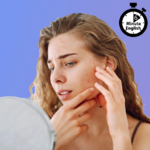
How having acne affects our mental health Neil Hello. This is 6 Minute English from BBC Learning English. I'm Neil. Beth And I'm Beth. As a society, we're obsessed with our skin. But the pursuit of perfect skin can make life difficult for people who struggle with skin conditions. Neil 'Spots', 'zits' or 'pimples' - there are many names for the red, inflamed marks which appear on the face and neck, but the medical term is acne. Acne is a skin condition which can affect anyone. It often happens between the ages of 14 and 19, but can continue into adulthood. There are many types of acne from blackheads and whiteheads to more severe forms of cysts and scarring. Beth But whatever the type of acne, looking different from others can be emotionally damaging, especially during the teenage years when our self-image and physical appearance are changing. In this programme, we'll be hearing from a skin doctor, or dermatologist, who suffered acne herself. And, as usual, we'll be learning some useful new vocabulary too. Neil But first I have a question for you, Beth. Mild or moderate acne is very common in teenagers and younger adults, so according to the UK's National Health Service, what proportion of people aged 11 to 30 experience some amount of acne? a) 75%? b) 85%? or c) 95%? Beth I'm going to guess that it is c) 95%. Neil OK, Beth, we'll find out if that's the correct answer at the end of the programme. Dr Sharon Crichlow is a dermatologist originally from Barbados. As someone who grew up with acne, she understands the impact it can have on a person's mental health, as she explains here to BBC World Service programme, The Conversation. Dr Sharon Crichlow Well, we know for sure that it does tend to arise from puberty onwards, so the biggest cohort of patients is in the teenage age group. However a proportion of patients up to 20 or so percent - certainly in females - it will persist well into the 30s, 40s - much longer than people often give it credit for. And we also know that it has a huge psychological impact so even mild to moderate acne, because it affects teenagers who are quite emotionally vulnerable, it affects their friendships, their peer groups and so it should never really be trivialised. Beth Acne tends to start during puberty, the stage in people's lives when they develop from a child into an adult because of changes in their body. Hormones such as testosterone which are released into the body during puberty often cause acne to appear. Neil Of course, puberty involves emotional, as well as physical, changes. Acne can be harder to live with for someone who is emotionally vulnerable, meaning someone who gets their feelings hurt easily. Acne affects your confidence and how you interact with the world, so it shouldn't be trivialised, or made to seem less important than it really is. Beth At times, most teenagers are self-conscious about their looks, and having acne adds to social pressure. Acne is largely genetic, and the buildup of oil and bacteria in the pores of the skin which causes spots is due to hormones which are completely natural. Neil Here's Dr Sharon Crichlow, again, telling BBC World Service programme, The Conversation, how her own experience with acne led her to help others with the same problem: Dr Sharon Crichlow I didn't have the luxury of being able to see a dermatologist when I was younger - my family just simply couldn't afford it, so I had to get through it as best I could… and you just you know tried everything over the counter et cetera. I just felt if I could help people with something that has been such a bane of my life, and having that inside experience as well, so I would often tell my patients, pretty much anything I recommend to them, I've tried it myself, I can tell them, it works… Beth Growing up, Dr Crichlow didn't have anyone to help her get through acne. If you get through something, you manage to survive a difficult experience or challenging period in life. Instead, she got whatever medicine she could buy without a doctor's prescription - known as over the counter medicines - from her local pharmacy. Neil Dr Crichlow calls acne, the bane of my life, an idiom meaning the cause of unhappiness or misfortune. But as she grew older and her acne improved, she used her experience to support her patients in the UK. 📝 字数限制,完整文本、词汇表、翻译及pdf见公众号【琐简英语】,回复1可加入【打卡交流群】

5分钟
2k+
4个月前

BBC随身英语|你是“肉食主义者”吗?

英音听力|BBC & 经济学人等

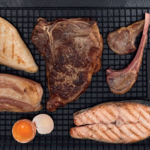
The meat eaters When you hear the word 'carnivore', do you think of lions and bears and sharks, or humans? Steak for breakfast, chicken breasts for lunch and salmon and lamb for dinner. No veg and no carbs. This is just a typical day for someone on the carnivore diet. It's a meal plan that only allows meat, poultry, eggs, fish, seafood, dairy products and water. It's animal-based opposed to plant-based. But why are some people following this diet? And what do nutritionists think about it? The carnivore diet is a type of ketogenic diet. Normally the body uses glucose from carbohydrates as energy, but when there's a lack of this, the liver breaks fat down into ketones. This essentially means the body can fuel itself using fat instead of sugar. Followers of the diet may experience weight loss, especially early on. One reason for this is that protein is highly satiating, so you consume fewer calories. On top of this, cutting out sugary snacks and fizzy drinks has significant health benefits, and when our carb intake is reduced, our stored water levels fall, again helping to reduce weight. Nevertheless, the carnivore diet can't be described as 'balanced' by any stretch, according to health experts. In fact, the British Heart Foundation strongly opposes it, saying there is no scientific evidence that it helps weight loss in the long term, and it's lacking in essential nutrients. They say extreme diets which are low in fibre and high in fat can increase the risk of heart attacks and strokes. Saturated fat increases levels of LDL cholesterol and processed meat is high in salt which can raise blood pressure. Fibre, they say, is necessary and counteracts all these issues, but it can only be found in 'banned foods' of the carnivore diet – fruits, vegetables, seeds, legumes and wholegrains, for example. On social media you'll find plenty of people showing off their muscles and claiming their brain is working better than ever after weeks of fat and eggs and butter. Influencer Paul Saladino was an advocate of the carnivore diet until he started experiencing some persistent unpleasant symptoms. Speaking on a health and fitness podcast, he recounted heart palpitations, muscle cramps and sleep disturbances. He researched the diet more and concluded it was detrimental to his health and probably "not a great thing for most humans". Most experts recommend balance, such as the Mediterranean diet, which is full of fruits, vegetables, wholegrains and seeds – it even includes meat, fish and eggs – but everything in moderation. 词汇表 meat eater 肉食主义者,肉食者 carnivore [ˈkɑːnɪvɔː(r)] n. 食肉动物,肉食者 salmon [ˈsæmən] n. 三文鱼,鲑鱼 veg [vedʒ] n. 蔬菜(vegetables的缩写) carnivore diet [ˈkɑːnɪvɔː(r)] 纯肉饮食,食肉饮食(只吃动物来源的食物) poultry [ˈpəʊltri] n. 家禽肉,家禽(鸡、鸭、鹅等) animal-based [ˈænɪml beɪst] adj. 动物性的,动物源的 plant-based [plɑːnt beɪst] adj. 植物性的,植物基的 nutritionist [njuːˈtrɪʃənɪst] n. 营养学家,营养师 ketogenic diet [ˌkiːtəˈdʒenɪk] 生酮饮食(高脂低碳,利用脂肪而非糖分来供能) glucose [ˈɡluːkəʊs] n. 葡萄糖 carbohydrate [ˌkɑːbəʊˈhaɪdreɪt] n. 碳水化合物,糖类(缩写为carb) liver [ˈlɪvə(r)] n. 肝脏 ketone [ˈkiːtəʊn] n. 酮,酮体 fuel [ˈfjuːəl] vt. 给…提供能量 satiating [ˈseɪʃieɪtɪŋ] adj. 令人满足的,有饱腹感的 on top of 此外,除…之外 cut out 戒除,停止食用 sugary snacks [ˈʃʊɡəri] 含糖零食,甜食 fizzy drinks [ˈfɪzi] 碳酸饮料,汽水 intake [ˈɪnteɪk] n. 摄入量,摄入 by any stretch 无论如何,绝对不 essential nutrients [ɪˈsenʃl ˈnjuːtriənts] (人体)必需营养素 fibre [ˈfaɪbə(r)] n. 纤维,纤维素 stroke [strəʊk] n. 中风 saturated fat [ˈsætʃəreɪtɪd] 饱和脂肪 LDL cholesterol [kəˈlestərɒl] 低密度脂蛋白胆固醇,坏胆固醇 counteract [ˌkaʊntəˈrækt] vt. 抵消,中和,对抗 legume [ˈleɡjuːm] n. 豆类;豆科植物 wholegrain [ˈhəʊlɡreɪn] n. 全谷物;adj. 全谷物的 advocate [ˈædvəkeɪt] n. 倡导者,提倡者,拥护者 persistent [pəˈsɪstənt] adj. 持续的,反复出现的 recount [rɪˈkaʊnt] vt. 叙述,详述,细述 heart palpitation [ˌpælpɪˈteɪʃn] 心悸,心跳异常 muscle cramps [ˈmʌsl kræmps] 肌肉痉挛,肌肉抽筋 sleep disturbances [dɪˈstɜːbənsɪz] 睡眠障碍 detrimental [ˌdetrɪˈmentl] adj. 有害的,不利的 Mediterranean diet [ˌmedɪtəˈreɪniən] 地中海饮食(以鱼类、全谷物、蔬果等为主的健康饮食模式) in moderation [ˌmɒdəˈreɪʃn] 适度地,有节制地 📖 翻译、pdf见公众号【琐简英语】,回复"1"可进【打卡交流群】

3分钟
1k+
4个月前

BBC随身英语|食物如何影响我们的情绪?

英音听力|BBC & 经济学人等

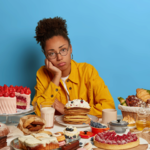
How does food affect our mood? Consuming food can be a pleasurable thing – we enjoy feasting on the mix of tastes and textures and it stops us feeling hungry too. Of course, food also gives us energy and the vitamins and minerals that our body needs. It's no wonder we spend so much time preparing and eating food. But what many of us don't consider is how our emotions are affected by what we put into our bellies. For me, it's the unhealthy foods that put a smile on my face – chocolate, cakes and ice cream – well, I do have a sweet tooth! It might seem obvious that food that's bad for our waistline, usually makes us happy, at least in the short term. Most of us get this feeling when we use food as a quick pick-me-up. But dieticians tell us that eating bad food long term, not only makes us put on weight but can lead to other health conditions such as diabetes, and it can also affect our mental state and bring on depression. The link between our mind and food has been looked at by scientists. They've recently found that it's the bacteria in our gut that affects our mood. It's thought we have 39 trillion of these simple, small organisms in our body. Researchers at McMaster University in Canada and University College Cork in Ireland, have found that certain 'good' bacteria help reduce anxiety in mice. And researchers at Kyushu University also found that germs help reduce stress and anxiety in mice. Experts believe that, for us humans, this means food with 'good' bacteria can improve the way we feel. Many food products are claiming to be high in this 'good' bacteria and some of the best types are homemade fermented food like miso soup, yoghurt and sauerkraut. This really makes me think twice about what I eat – maybe I should change my diet to perk me up! Doctor Michael Mosley would agree. He's been looking into this for the BBC and says the best food to cheer us up is in a "Mediterranean diet. Olive oil; oily fish, full of omega 3, which is really good for the brain; whole grains; lots of fruits and vegetables. Sugar: terrible for you!" So maybe it's time to lay off the fatty and sugary things. Eating healthily may seem simple, even if the science behind it is complex. It's not rocket science, but this is further evidence for the saying 'we are what we eat' – the person we are is determined by the food we eat. There are other factors that can change our mood, but it seems we have some ability to improve how we feel by controlling what we put on our plate. Does your diet affect your mood? 词汇表 pleasurable [ˈpleʒərəbl] adj. 令人愉快的,愉悦的 feast on [fiːst] 尽情享用,饱餐 texture [ˈtekstʃə(r)] n. 口感;质地 belly [ˈbeli] n. 腹部,肚子 put a smile on one's face 使某人开心,让某人面露笑容 sweet tooth n. 爱吃甜食,对甜食的喜好 waistline [ˈweɪstlaɪn] n. 腰围;腰身部分 pick-me-up n. 提神的东西,提振情绪的东西 dietician [ˌdaɪəˈtɪʃn] n. 营养师,营养学家 diabetes [ˌdaɪəˈbiːtiːz] n. 糖尿病 gut [ɡʌt] n. 肠道,消化道 organism [ˈɔːɡənɪzəm] n. 生物体,有机体,微生物 'good' bacteria [bækˈtɪəriə] n. 有益细菌(对健康有益的细菌,如肠道中的益生菌) germ [dʒɜːm] n. 细菌,微生物 fermented food [fəˈmentɪd] n. 发酵食品 miso soup [ˈmiːsəʊ] n. 味噌汤(日式传统汤品) yoghurt [ˈjɒɡərt] n. 酸奶,酸乳 sauerkraut [ˈsaʊəkraʊt] n. (德国)酸菜,泡菜 perk someone up [pɜːk] 使某人振作起来,使某人活跃起来 Mediterranean diet [ˌmedɪtəˈreɪniən] 地中海饮食(以橄榄油、鱼类、全谷物、蔬果为主的健康饮食模式 olive oil [ˈɒlɪv] n. 橄榄油 oily fish [ˈɔɪli] n. 油性鱼类,多脂鱼类(如三文鱼等,富含Omega-3) omega 3 [ˈəʊmɪɡə] n. 欧米伽3(一种对人体有益的多不饱和脂肪酸) whole grain [ɡreɪn] n. 全谷物,全麦 lay off 停止,戒掉(习惯、食物等) fatty [ˈfæti] adj. (食物)多脂肪的,油腻的 sugary [ˈʃʊɡəri] adj. 含糖量高的,高糖的 rocket science n.(喻)高深的学问,复杂的技术 we are what we eat 人如其食(指饮食决定人的健康和状态) 📖 翻译、pdf见公众号【琐简英语】,回复"1"可进【打卡交流群】

2分钟
2k+
4个月前

Do you really know|我们的身体真的能还清“睡眠债”吗?

英音听力|BBC & 经济学人等

Can our bodies really catch up on lost sleep? Regardless of who you are, when you get less than seven hours of sleep, you start accumulating what's known as sleep debt or sleep deficit. The Sleep Foundation defines it as the difference between the amount of sleep someone needs and the amount they actually get. Now, when you're in sleep debt, your body sends out a variety of warning signs. Think drowsiness, irritability, impatience, dull skin, dark circles, memory lapses, trouble concentrating, reduced libido or headaches, for example. In the long run, it hinders mental and physical recovery, weakening the immune system, affecting appetite and even potentially leading to cardiovascular issues. Rest assured, No sleep debt is irreversible, but bear in mind that even a single hour's lost sleep can take up to four days to recover from, according to research published in Scientific Reports in 2016. What can I do in the short term if I notice such symptoms? Try to get a little more sleep than usual in the days following, especially if you start getting an urge to nap during the day. But you don't want to overdo it. Limit yourself to an extra hour at most. If practical, a short nap of 20 to 30 minutes in the early afternoon can be beneficial. It helps restore alertness and reduce cardiovascular risks, as we've discussed on the show before when talking about power naps. Can't I just lie in on the weekend? Sadly not, that's a common misconception. The problem is that a late lying can disrupt your body's natural rhythm, which thrives on consistency. You might end up staying up late again and cutting your sleep short on Monday morning when you have to wake up early. It can easily end up becoming a vicious cycle, so an extra hour's sleep may be viable on the weekend, as in the week. But it shouldn't be a repeat or go-to solution. It's best avoided if you have ongoing sleep issues too. So how can we make up for lost sleep without disrupting our biological clock? The most important step is to establish good sleep hygiene. That means maintaining regular wake-up and bedtimes, and optimising your environment and habits to support falling asleep easily. Avoid coffee, tea, alcohol and tobacco too late in the day, and try not to eat a heavy meal late in the evening. Turn off all electronic devices at least an hour and a half before bed. Trust me, reading is a more relaxing alternative bedtime activity. Ensure your bedroom isn't too warm and that you have comfortable bedding. The goal is to sleep well throughout the week, consistently and sufficiently, so you don't accumulate sleep debt to start with. In the morning, expose yourself to natural light as soon as possible to help regulate your biological clock. Finally, keeping a sleep journal can be a useful tool for self-assessment, helping you track your sleep habits and any sleep debt symptoms. That will also come in handy if you do ever need to see a healthcare professional for sleep problems. There you have it. 词汇表 sleep debt [det] n. 睡眠债(指实际睡眠时间少于所需睡眠时间的差额) sleep deficit [ˈdefɪsɪt] n. 睡眠赤字,睡眠不足(同sleep debt) drowsiness [ˈdraʊzinəs] n. 困倦,睡意 irritability [ˌɪrɪtəˈbɪləti] n. 易怒,暴躁 impatience [ɪmˈpeɪʃns] n. 急躁,不耐烦 dull skin [dʌl] n. 皮肤暗沉(皮肤缺乏光泽、显得无生气的状态) dark circles n. 黑眼圈 memory lapses [læpsɪz] n. 记忆力减退,记忆断层 libido [lɪˈbiːdəʊ] n. 性欲,性冲动 hinder [ˈhɪndə(r)] vt. 阻碍,妨碍 immune system [ɪˈmjuːn] n. 免疫系统 cardiovascular [ˌkɑːdiəʊˈvæskjələ(r)] adj. 心血管的 rest assured [əˈʃʊəd] (用于安慰某人)请放心,别担心 irreversible [ˌɪrɪˈvɜːsəbl] adj. 不可逆转的,无法挽回的 overdo [ˌəʊvəˈduː] vt. 做得过分,过度 alertness [əˈlɜːtnəs] n. 警觉,清醒,机敏 power nap [næp] n. 能量小睡,恢复精力的小睡 lie in 睡懒觉,晚起 misconception [ˌmɪskənˈsepʃn] n. 误解,错误观念 natural rhythm n. 自然节律(指人体内在的生物钟和生理节律) thrive on [θraɪv] 依赖…而成功,在…蓬勃发展 consistency [kənˈsɪstənsi] n. 连贯性,一致性,规律性 vicious cycle [ˈvɪʃəs] n. 恶性循环 viable [ˈvaɪəbl] adj. 可行的,可实施的 go-to solution n. 首选解决方案,首选之策 biological clock [ˌbaɪəˈlɒdʒɪkl] n. 生物钟,生理时钟 sleep hygiene [ˈhaɪdʒiːn] n. 睡眠卫生(有助于改善睡眠的习惯和环境条件) tobacco [təˈbækəʊ] n. 烟草,烟叶 bedding [ˈbedɪŋ] n. 床上用品,寝具 come in handy [ˈhændi] 派上用场,迟早有用 healthcare professional [ˈhelθkeə prəˈfeʃənl] n. 医疗专业人员(如医生、护士等) 🪴翻译和pdf见公众号【琐简英语】,回复"1"可进入【打卡交流群】

3分钟
2k+
4个月前

Do you really know|爱情真的能天长地久吗?

英音听力|BBC & 经济学人等

Can love last forever? Despite lovey-dovey representations of romance in films, a lot of people say that love doesn't last forever. Some people say it's limited to three years max, for example. So what does science have to say on the matter then? Why wouldn't love be the same three months and three years into a relationship then? Love isn't a static emotion, but a dynamic process that changes over time. According to science, there are different phases and types of love that we experience in a relationship. The first phase is often called romantic love or infatuation, which is characterized by intense attraction, passion, obsession, and euphoria. It's the phase when you feel butterflies in your stomach, can't stop thinking about your partner, and want to spend every moment with them. And it's driven by brain chemicals such as dopamine, serotonin, and norepinephrine, which make us feel happy and excited. However, this phase usually lasts for only two to three years at most. That's according to Dr. Fred Knorr, a neurologist and author of the book, True Love, How to Use Science to Understand Love. As quoted by today.com, Knorr says that after this phase, our brain chemicals change and romantic love fades. Does genetics have any role to play? Some researchers have suggested that there is a genetic basis for love, and that we're attracted to people who have compatible genes with us. For example, one study found that people tend to prefer partners who have different immune system genes to them, which may increase the chances of having healthy offspring. Another study found that people who have a certain variant of the gene DRD4, which affects dopamine receptors in the brain, are more likely to be adventurous, impulsive, and therefore prone to infidelity. These genetic factors may influence how long we stay in love with someone, or how easily we fall out of love. Is it even possible for love to last forever then? There's no simple answer to that question. While romantic love may not last forever, it can transition to a more mature and stable form of love, which is often called companionate love or attachment. This type of love is based on trust, commitment, friendship and intimacy. It's associated with the hormone oxytocin, which is released during cuddling, kissing and sex. Oxytocin helps bond couples together and creates a sense of security and comfort. This type of love can last for decades or even a lifetime if the couple works on maintaining it. Of course, it doesn't mean that the couple will never experience any problems or conflicts, it just means that they have learned to cope with them and overcome them together. There you have it. 词汇表 lovey-dovey [ˈlʌvi ˈdʌvi] adj. 浓情蜜意的,卿卿我我的 romance [rəʊˈmæns] n. 爱情,恋爱,恋情 max [mæks] adv. 最多,至多;n. 最大值 static [ˈstætɪk] adj. 静态的,静止的,不变的 infatuation [ɪnˌfætʃuˈeɪʃn] n. 迷恋,热恋 obsession [əbˈseʃn] n. 痴迷,着迷,迷恋 euphoria [juːˈfɔːriə] n. 狂喜,欣喜若狂,极度愉快 feel butterflies in your stomach 感到小鹿乱撞,心慌意乱,紧张不安 dopamine [ˈdəʊpəmiːn] n. 多巴胺(与愉悦感等相关的神经递质) serotonin [ˌserəˈtəʊnɪn] n. 血清素(与情绪调节相关的神经递质) norepinephrine [ˌnɔːrepɪˈnefrɪn] n. 去甲肾上腺素(与应激反应等相关的神经递质) neurologist [njʊəˈrɒlədʒɪst] n. 神经学家,神经病学家 genetics [dʒəˈnetɪks] n. 遗传学,遗传基因 genetic basis [dʒəˈnetɪk ˈbeɪsɪs] 遗传基础 compatible genes [kəmˈpætəbl dʒiːnz] 相容基因,匹配基因 immune system [ɪˈmjuːn] 免疫系统 offspring [ˈɒfsprɪŋ] n. 后代,子孙,子女 variant [ˈveəriənt] n. 变体,变异,变种 DRD4 n. DRD4 基因(影响多巴胺受体的基因) receptor [rɪˈseptə(r)] n. 受体,感受器 impulsive [ɪmˈpʌlsɪv] adj. 冲动的,易冲动的 be prone to [prəʊn] 易于,倾向于 infidelity [ˌɪnfɪˈdeləti] n. (伴侣间的)不忠行为,出轨 fall out of love 变心,爱意不再 companionate love [kəmˈpænjənɪt] 伴侣之爱(基于陪伴、信任的成熟爱情) attachment [əˈtætʃmənt] n. 依恋,眷恋,深厚的情感 intimacy [ˈɪntɪməsi] n. 亲密感,亲密关系 hormone [ˈhɔːməʊn] n. 激素,荷尔蒙 oxytocin [ˌɒksɪˈtəʊsɪn] 催产素(促进情感联结的激素) 🪴翻译和pdf见公众号【琐简英语】,回复"1"可进入【打卡交流群】

2分钟
2k+
4个月前

BBC随身英语|你心中的完美城市声景是怎样的?

英音听力|BBC & 经济学人等

What is your dream city soundscape? Picture your dream living room. You're sitting on the sofa with the window open. What do you hear? Is it the sound of a flowing river? The murmuring of human chatter as friends enjoy a hot drink at the neighbouring cafe? A soundscape is your aural environment – everything you can hear around you, and researchers say the soundscape where you live can influence your wellbeing. In times gone by, soundscapes would've consisted of the sounds of nature, such as birdcall and the sound of crashing waves. The reality of human life in the 21st Century means that air travel, construction and traffic noises are now in the mix, and agricultural noise means that not even rural life is safe. Noise pollution can lead to heightened stress levels, impaired cognitive function and higher risk of cardiovascular disease in humans, according to an article published by the UK Parliament called 'The effects of artificial light and noise on human health'. Not only that, it can affect the behaviour and life cycles of species which rely on sound. So, what can be done? Urban design is one trick. In Barcelona in Spain, urban planners designed 'superblocks', where traffic goes around big groups of buildings and the inner streets are pedestrianised, creating space for people and wildlife that is free from beeping horns and humming motors. In a 2025 article published in BMC Public Health, people in these areas reported an improvement in wellbeing, quality of sleep and reduction in noise. Other techniques include tree buffers, where trees are planted in urban areas to absorb sound energy. In the Netherlands, they have created earth banks next to Schiphol airport to absorb noise from the runways and protect residents in the surrounding areas. England has a vast network of hedgerows – they'd stretch around the Earth almost ten times if lined up! And it turns out they make excellent sound barriers, particularly if the hedges are large, dense and evergreen. When we think about improving our environment, it's likely your mind jumps to reducing litter and air pollution. But reducing noise pollution is also important, to create a soundscape that works for everyone – people and wildlife. 词汇表 murmuring [ˈmɜːmərɪŋ] n. 低语声,呢喃声,咕哝 chatter [ˈtʃætə(r)] n. 闲聊,喋喋不休的谈话 soundscape [ˈsaʊndskeɪp] n. 声景,音景(特定环境中的听觉景观) aural [ˈɔːrəl] adj. 听觉的,听力的 birdcall [ˈbɜːdkɔːl] n. 鸟鸣,鸟叫声 crashing waves 拍打的海浪 in the mix 混杂其中;参与其中 rural [ˈrʊərəl] adj. 乡村的,农村的 heightened [ˈhaɪtnd] adj. 加剧的,增强的 impaired cognitive function [ɪmˈpeəd ˈkɒɡnətɪv] 认知功能受损 cardiovascular disease [ˌkɑːdiəʊˈvæskjələr] 心血管疾病 life cycle (动植物的)生命周期 Barcelona [ˌbɑːsɪˈləʊnə] n. 巴塞罗那(西班牙城市) urban planner [ˈɜːbən ˈplænə(r)] 城市规划师 superblock [ˈsuːpəblɒk] n. 超级街区(指都市内禁止车辆通行的建筑区) pedestrianise [pəˈdestriənaɪz] vt. 使成为步行区,使无车辆行驶 beeping horns [ˈbiːpɪŋ hɔːnz] 汽车鸣笛声,汽车喇叭声 humming motors [ˈhʌmɪŋ ˈməʊtəz] 发动机轰鸣,发动机嗡嗡声 tree buffer [ˈbʌfə(r)] 树木缓冲带(用于吸收噪音的树林区域) sound energy 声能(声波中存在的能量) earth bank 土堤,土坡(人工堆积的土制屏障) Schiphol airport [ˈskɪphɒl] (荷兰阿姆斯特丹)史基浦机场 runway [ˈrʌnweɪ] n. (机场的)跑道 hedgerow [ˈhedʒrəʊ] n. (乡间路边或田边的)树篱,灌木篱墙 dense [dens] adj. (植物等)茂密的,浓密的 evergreen [ˈevəɡriːn] adj. (植物)常青的,常绿的 jump to 立刻想到,立马联想到 litter [ˈlɪtə(r)] (乱扔的)垃圾,废弃物 📖 翻译、pdf见公众号【琐简英语】,回复"1"可进【打卡交流群】

2分钟
2k+
4个月前

Do you really know|你有“无手机焦虑症”吗?

英音听力|BBC & 经济学人等

Do you have nomophobia? The word nomophobia means a fear of being without our smartphone, and it's affecting more and more people with each passing year. After all, we're rarely separated from our phone over the course of a day, and even use them at night time. Back in 2021, a phone addiction study by researchers from King's College London was published in the Frontiers in Psychiatry journal. It was based on a five-question survey and found that 38.9% of young people qualified as smartphone addicts. Many admitted being unable to control their usage and said that it regularly got in the way of other activities like work or studies. Furthermore, not having access to their smartphone brought on feelings of distress. It's as if our smartphones are an extension of our bodies and as if we've been amputated when they're taken away from us. Scary, isn't it? So, what can people do about it? The first tip is to ban your phone from the bedroom. So that means no bedside charging and no using it as your alarm to wake up in the morning. Gradually transitioning to sleep in the evening is important. You shouldn't really be using your phone right up to the moment you lay down to go to sleep. That's due to the blue light the screen emits, which stimulates the brain and eyes. It disturbs our brain's nighttime recovery processes and thereby reduces our mental sharpness. What about notifications? That's a good question. Smartphone notifications have turned us into Pavlov's dogs, in that we've been conditioned to respond any time a visual or audio prompt goes off. The brain activates its reward circuit and releases hormones like dopamine in particular. Simply turning those pesky notifications off is the best way to break that vicious cycle. You can create a setting for each app if you need to leave notifications on for some of them. Another tip along the same lines is to activate grayscale mode, which means removing all colour from your smartphone screen. Smartphone apps are intentionally designed with colourful logos and icons to catch our attention. Seeing row after row of them on your phone screen can make you feel like you're in a candy shop, what with all the enticing colours and shapes. The greyscale option can generally be found under display settings, but the exact pathway will vary depending on your device. If you're struggling to find it, try searching for your device name followed by greyscale setting on Google. How can I know if I'm really a smartphone addict? It's important to be conscious of your consumption habits, and of how you cope being without your phone at certain times. Smartphones have a number of built-in tools which let you see how much screen time you're getting each day, week or month, and which specific apps you're using the most. Of course, you could also take the survey used by King's College London researchers that I mentioned earlier. It's been published in a number of online news articles. There you have it. 词汇表 nomophobia [ˌnəʊməˈfəʊbiə] n. 无手机焦虑症,无手机恐惧症(指过度依赖手机,对脱离手机产生的焦虑、恐惧等心理) each passing year 每年,逐年,年复一年 Frontiers in Psychiatry [ˈfrʌntɪrz][saɪˈkaɪətri] 《精神病学前沿》(学术期刊名) addict [ædɪkt] n. 成瘾者,入迷的人 get in the way of 妨碍,阻碍 have access to [ˈækses] 有使用…的机会,能够使用 distress [dɪˈstres] n. 焦虑,忧虑,痛苦 amputate [ˈæmpjuteɪt] vt. 截肢,切除(身体部位) stimulate [ˈstɪmjuleɪt] vt. 刺激;激励,激发 mental sharpness [ˈmentl ˈʃɑːpnəs] 思维灵敏度,精神敏锐度 notification [ˌnəʊtɪfɪˈkeɪʃn] n.(社交媒体等的)通知消息 Pavlov's dog [ˈpævlɒvz] 巴甫洛夫的狗(经典条件反射实验中的狗) be conditioned to [kənˈdɪʃnd] 习惯于,被训练成,条件反射地 visual / audio prompt [ˈvɪʒuəl / ˈɔːdiəʊ prɒmpt] 视觉/声音提示 go off(提示音等)响起,发出 activate [ˈæktɪveɪt] vt. 激活,启动,开启 reward circuit [ˈsɜːkɪt] n. 奖励回路(大脑中与奖励反应相关的神经通路) hormone [ˈhɔːməʊn] n. 激素,荷尔蒙 dopamine [ˈdəʊpəmiːn] n. 多巴胺(一种神经递质,与愉悦感等相关) pesky [ˈpeski] adj. 烦人的,讨厌的 vicious cycle [ˈvɪʃəs] n. 恶性循环 along the same lines 类似于,与…近似 grayscale mode [ˈɡreɪskeɪl] n. 灰度模式(手机等设备的黑白显示模式) intentionally [ɪnˈtenʃənəli] adv. 故意地,有意地 icon [ˈaɪkɒn] n. (电子屏幕上的)图标 row after row of [rəʊ] 一排排的,一行行的 enticing [ɪnˈtaɪsɪŋ] adj. 诱人的,有吸引力的,迷人的 display setting [dɪˈspleɪ ˈsetɪŋ] n. (电子设备的)显示设置 pathway [ˈpɑːθweɪ] n. 路径,途径,步骤 be conscious of [ˈkɒnʃəs] 意识到,察觉到;知道 built-in tool [ˌbɪlt ˈɪn] n. 内置工具(设备自带的功能工具) 🪴翻译和pdf见公众号【琐简英语】,回复"1"可进入【打卡交流群】

2分钟
2k+
4个月前

BBC六分钟英语|早餐是一天中最重要的一餐吗?

英音听力|BBC & 经济学人等

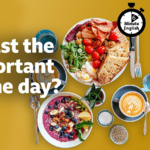
Is breakfast the most important meal of the day? Georgie Hello, this is 6 Minute English from BBC Learning English. I'm Georgie. Phil And I'm Phil. Did you have any breakfast today, Georgie, or did you skip it? Georgie I did have some breakfast. On the way to the office, I got myself a pastry and a coffee. What about you? Phil I had a big bowl of porridge, but it was at six o'clock this morning so I'm hungry again now. And you might soon be hungry as well because we're going to talk about breakfast. How important is it? Let's start by hearing from Professor Alexandra Johnstone, a nutrition scientist who spoke to Ruth Alexander, host of BBC World Service programme The Food Chain. Professor Alexandra Johnstone I am supporting the meme 'breakfast like a king and dine like a pauper'. Ruth Alexander For you then, breakfast is the most important meal of the day. Professor Alexandra Johnstone I agree. So, it's really important, particularly for people who are trying to maintain a healthy weight and people who are trying to lose weight. Phil Alexandra says that you should 'breakfast like a king and dine like a pauper'. Pauper is an old-fashioned word for a very poor person. The expression means have a big breakfast and a small dinner. Georgie We're going to find out some of the reasons that Alexandra and other experts recommend doing this. But first I have a question for you, Phil. According to a recent survey, which of the following is the most popular breakfast in the UK? Is it: a) eggs, b) toast, or c) cereal? Phil Well, I think people like to keep it simple so I'm going to say toast. Georgie OK. Well, we'll find out the answer later in the programme. Let's hear some reasons for why we should breakfast like a king or queen. Courtney Peterson, who researches eating behaviours, explains how the time of day affects how our bodies process food, on BBC World Service programme The Food Chain: Courtney Peterson And so, if you can eat a large breakfast in the morning, and/or I would even say a large lunch in the morning, your body's going to be better at metabolising that food. And what that means is your body's going to actually… your blood sugar levels won't spike as high, you might burn slightly more fat, you might burn slightly more calories from eating earlier in the day. Whereas if you had… if you eat most of your food later in the day, your metabolism is actually slower later in the day. So, for instance, if you ate the same, I don't know, bowl of ice cream in the morning, the afternoon and the evening, your blood sugar levels will spike significantly higher in the afternoon and the evening. Phil We heard the noun metabolism. This is a word that refers to the chemical processes in your body, and we most often use it to talk about those that convert food into energy. And we also heard had the verb form – metabolise. Georgie Courtney talked about blood sugar levels spiking. A spike is a sharp, pointed shape. If you see it on a line graph, it means that something has increased very rapidly. We often use the noun spike to mean a sudden increase in a value that is being measured. The verb spike means to suddenly increase. Phil We've heard that eating earlier in the day can be healthier for us. Now, people often don't eat breakfast, sometimes because they don't have time and sometimes because they are trying to save money. Let's hear again from Professor Alexandra Johnstone, talking to BBC World Service's The Food Chain. Professor Alexandra Johnstone Now, breakfast skipping is interesting because my own work would tend to suggest – and that sort of observational, large-scale, epidemiological studies would also support this – that people who have a regular breakfast are actually leaner. And my own work would tend to suggest that having your largest meal of the day in the morning period gives you a much better appetite control, which then means it's much easier to control food intake later in the day. Georgie Alexandra starts by mentioning 'breakfast skipping'. If you skip something, then you don't do it. Bad students might skip lessons – they don't go to them. If you skip a meal, it means that you don't eat it. Phil We also heard that people who have a regular breakfast are leaner. If someone is lean, then they're not fat. Georgie And one of the reasons given why people might be leaner is that they have better appetite control. Appetite control is where your brain decides how much you should eat. Phil Thanks, Georgie. Now, I think it's time that we heard the answer to your question. Georgie Yes, it is. OK. I asked, "According to a recent survey, what is the most popular breakfast in the UK?" Phil And I said, "Toast." 📝 字数限制,完整文本、翻译及pdf见公众号【琐简英语】,回复1可加入【打卡交流群】
5分钟
2k+
4个月前

BBC随身英语|色彩如何影响我们的感受?

英音听力|BBC & 经济学人等

How do colours affect our feelings? Take five colours: red, black, blue, green and purple. How do they make you feel? It's a question of supreme significance to designers and marketers. British fashion designer Wayne Hemingway explored this topic in a BBC radio programme about the psychology of colour. You can read a summary of his ideas below. Do you agree with him? Or do you think the meaning of colour depends on the culture you live in? Red is, of course, considered auspicious in China. But he points out that it's a powerful colour wherever you go, with some serious scientific credentials. Studies have indicated that red "raises blood pressure", and claim that it stands out from other colours thanks to its long wavelength. Hemingway says it apears to be "coming towards you", and so is useful for emergency and alarm signs, and also to for conveying "urgency" in general. That's why he thinks red sale posters seem to yell at us: "Quick, buy it now!" Black has a different sense. In the West it's associated with death, but that hasn't stopped it becoming a prestigious and mysterious colour. Hemingway says it's the colour of luxury brands: things like "glossy black limousines" and "designer watches" are often black. He says it's "very powerful and sophisticated when used as a primary colour in branding." Blue, by contrast, is cool and tranquil. The colour is a constant presence in our lives, says Hemingway, being the colour of the sky and the sea. That gives it an air of reliability, which makes it a firm choice with "banks and corporations". Hemingway says this is also why emergency services often choose the colour. A blue uniform can, for example, indicate "the cool competence of a nurse". Green is, unsurprisingly, the colour of nature and the environment. Marketers understand that giving a product green packaging creates the impression it is environmentally friendly. But savvy customers are also aware of this – and now think twice before blindly swallowing environmental claims. Hemingway also says that green is the colour of growth and movement: it's used to indicate 'go' on traffic lights. Finally, we have purple, which is associated with valuable things. In the past, purple dye was expensive because it was very difficult to produce, and it became the colour worn by royalty in many Western countries. These days, companies still use purple to make their product seem more exclusive, whether they're selling chocolate or cigarettes. 词汇表 supreme [suːˈpriːm] adj. 极度的,至高的 marketer [ˈmɑːkɪtə(r)] n. 市场营销人员,营销者 auspicious [ɔːˈspɪʃəs] adj. 吉祥的,吉利的 credential [krəˈdenʃl] n. 凭据,依据;资格,证明 blood pressure n. 血压 stand out (from) 引人注目,显眼,突出 wavelength [ˈweɪvleŋθ] n. (光波、音波等的)波长 urgency [ˈɜːdʒənsi] n. 紧迫性,紧急,迫切 sale poster [seɪl ˈpəʊstə(r)] n. 促销海报,销售海报 yell at [jel] 对……大喊大叫;呵斥 prestigious [preˈstɪdʒəs] adj. 高贵的,尊贵的;有声望的 luxury brands [ˈlʌkʃəri brændz] n. 奢侈品牌 glossy black limousine [ˈɡlɒsi][ˈlɪməziːn] n. 光亮的黑色豪华轿车 designer watch n. 名牌手表,知名设计师设计的手表 sophisticated [səˈfɪstɪkeɪtɪd] adj. 精致的,有品味的,高雅的 tranquil [ˈtræŋkwɪl] adj. 平静的,宁静的,安静的 firm choice n. 首选,第一选择 cool competence [ˈkɒmpɪtəns] n. 从容的专业素养 packaging [ˈpækɪdʒɪŋ] n. 包装材料,包装 savvy [ˈsævi] adj. 精明的,有见识的 swallow [ˈswɒləʊ] vt. 轻信,全盘接受 dye [daɪ] n. 染料,染色剂 royalty [ˈrɔɪəlti] n. 皇室,王族 exclusive [ɪkˈskluːsɪv] adj. 豪华的,高档奢华的 📖 翻译、pdf见公众号【琐简英语】,回复"1"可进【打卡交流群】

2分钟
2k+
4个月前

Do you really know|如何像锻炼肌肉一样训练大脑?

英音听力|BBC & 经济学人等

How can we train our brain like a muscle? The human brain isn't actually a muscle, as a lot of people think, but nevertheless we still need to give it exercise to keep it healthy. While you can go to the gym to work out the muscles in your body, the equivalent for the brain is training and stimulating something called brain plasticity. Verywellmind.com says that plasticity refers to the brain's malleability or ability to change. And it's definitely worth working to improve it too, as it can give cognitive performance a real boost. Are you saying improving brain plasticity makes you smarter? Essentially, when we learn something new, the brain forges new connections between its neurons. With repeated practice, those connections grow stronger and faster, making our brain more efficient and boosting our performance. But still, it's not quite as simple as saying that it will make you smarter. Even with real dedication, you won't suddenly become the next Einstein. It's really more about enhancing cognitive abilities like memory, language skills, or emotional intelligence. What kind of exercises can I do to improve those then? Well, a study published in Frontiers in Aging Neuroscience in 2023 suggested that learning a new language can lead to positive changes in the brain. That's because it increases the density of grey matter in certain regions, which in turn improves performance in tasks like problem solving and decision making. In the same way, learning music has been linked to better verbal memory, pronunciation skills in a new language, reading ability, and executive functions. If diving into languages or music isn't your thing, research has shown that regular sudoku puzzles can also sharpen cognitive functions, especially for people aged between 50 and 93. Of course, maintaining a healthy lifestyle is key to keeping your brain in top shape, too. How so? Well, regular listeners may remember that we talked about how certain foods can improve brain performance in a previous episode of Do You Really Know? Experts say that diet plays a crucial role in brain health. Certain foods help protect against age-related cognitive decline. These include seafood, certain dairy products, and fruit, which are rich in nutrients like zinc, selenium and magnesium, or potassium and copper. And you need to keep your sugar consumption under control too. Too much sugar can lead to brain inflammation in the long run, making you more easily irritated due to reactive hypoglycemia. In short, steer clear of non-nutritious foods that leave your brain feeling foggy and low on energy. There you have it. 词汇表 equivalent [ɪˈkwɪvələnt] n. 对应物,对等物 stimulate [ˈstɪmjuleɪt] vt. 刺激,激励;促进 brain plasticity [plæsˈtɪsəti] 大脑可塑性(大脑对新事物做出反应时,形成新连接和重组的能力) malleability [ˌmæliəˈbɪləti] n. 可塑性,延展性 cognitive performance [ˈkɒɡnətɪv] 认知表现 forge [fɔːdʒ] vt. 形成,建立(联系等);锻造 neuron [ˈnjʊərɒn] n. 神经元,神经细胞 dedication [ˌdedɪˈkeɪʃn] n. 投入,奉献,致力 emotional intelligence 情商,情绪智力 frontier [ˈfrʌntɪə(r)] n. (知识的)前沿,新领域 density of grey matter [ˈdensəti] 灰质密度(大脑中神经元胞体集中区域的密度) verbal memory [ˈvɜːbl] 语言记忆,言语记忆 executive function [ɪɡˈzekjətɪv] 执行功能(指大脑规划、组织、解决问题等高级认知能力) sudoku puzzle [suˈdəʊkuː] 数独游戏(一种填数字的逻辑推理游戏) in top shape 处于最佳状态,状态极佳 cognitive decline [ˈkɒɡnətɪv dɪˈklaɪn] 认知能力下降,认知衰退 zinc [zɪŋk] n. 锌(化学元素) selenium [səˈliːniəm] n. 硒(化学元素) magnesium [mæɡˈniːziəm] n. 镁(化学元素) potassium [pəˈtæsiəm] n. 钾(化学元素) copper [ˈkɒpə(r)] n. 铜(化学元素) brain inflammation [ˌɪnfləˈmeɪʃn] 大脑炎症 irritated [ˈɪrɪteɪtɪd] adj. 恼火的,被激怒的 reactive hypoglycemia [ˌhaɪpəʊɡlaɪˈsiːmiə] 反应性低血糖(指进食后血糖快速下降引发的症状) steer clear of [stɪə(r)] 避开,远离,绕开 non-nutritious [ˌnɒn njuˈtrɪʃəs] adj. 缺乏营养的,无营养的 foggy [ˈfɒɡi] adj. (大脑)昏沉的,模糊的 🪴翻译和pdf见公众号【琐简英语】,回复"1"可进入【打卡交流群】

2分钟
2k+
4个月前

BBC随身英语|为什么有些人会把AI当成人类?

英音听力|BBC & 经济学人等

Why some people believe AI is human After MIT Professor Joseph Weizenbaum created the chatbot Eliza, he became concerned that people who had used the programme started to act as if it was human. This might sound like a modern problem, but Eliza was created in 1966. If a programme from the 1960s was capable of tricking people into thinking it was human, what effect could the large-language-model-based chatbots of the 2020s have? Modern philosophers and technology experts have discussed whether AI could develop consciousness. Sentience is difficult to define, but the fact that large language models respond by mathematically calculating the probability of certain patterns appearing suggests that it would be hard to consider them to be alive. However, in terms of our responses to them, what matters is not whether they are sentient, but whether they appear to be so. Large language models are made up of genuine human interactions. While their tendency to hallucinate means that chatbots are not able to provide reliable factual information, they are able to effectively replicate the language used in human communication. Psychologists report that people tend to have a cognitive bias towards forming attachment and trust. Even sceptical technology writers report feeling some emotion towards AI chatbots. Some users have even reported grief when one model has been replaced by a newer one. This combination of believable human language together with the inability to reliably assess facts can be dangerous. Cases have been reported where people have been encouraged by chatbots to do dangerous or illegal things. The chatbots were able to use language to encourage and persuade, but not identify or evaluate risks. Trust becomes dangerous when it is not accompanied by reason. Also, if people form relationships with AI, then they may spend less time and effort trying to cultivate genuine human relationships. Could the chatbot revolution lead to a world where we struggle to relate to each other? 词汇表 chatbot [ˈtʃætbɒt] n. 聊天机器人 trick someone into 哄骗某人做某事,诱使某人做某事 consciousness [ˈkɒnʃəsnəs] n. 意识,知觉,感觉 sentience [ˈsenʃiəns] n. 感知能力,感觉性,知觉 mathematically [ˌmæθəˈmætɪkəli] adv. 从数学上,数学地 probability [ˌprɒbəˈbɪləti] n. 概率,可能性 sentient [ˈsenʃiənt] adj. 有感知能力的,有知觉的 large language model 大型语言模型 hallucinate [həˈluːsɪneɪt] vi. 产生幻觉(指AI输出虚假或无依据信息) factual [ˈfæktʃuəl] adj. 事实的,真实的 replicate [ˈreplɪkeɪt] vt. 复制,复刻,重现 cognitive bias [ˈkɒɡnətɪv ˈbaɪəs] 认知偏见,认知偏差 attachment [əˈtætʃmənt] n. 依恋,眷恋 sceptical [ˈskeptɪkl] adj. 怀疑的,持怀疑态度的 grief [ɡriːf] n. 悲伤,悲痛,失落感 believable [bɪˈliːvəbl] adj. 可信的,逼真的 reason [ˈriːzn] n. 理性,理智,判断力 relate to 与…建立联结,与…产生联系 📖 翻译、pdf见公众号【琐简英语】,回复"1"可进【打卡交流群】

2分钟
1k+
4个月前

The School of Life|为什么爱人前要先学会自爱?

英音听力|BBC & 经济学人等

Why relationships require self-Love No animal, perhaps, can hate itself except – of course – a human being: it's one of the strangest, and most regrettable, flaws in our condition. This tendency to self-hatred is not only destructive of our spirit, it constantly undermines our efforts to establish workable relationships, for it is logically impossible to allow anyone else to love us insofar as we remain obsessed by the thought of our own loathsome natures. Why let another think better of us than we think of ourselves? If anyone did step forward and tried to be kind to us, we would have to despise them with the intensity owed to all false flatterers. It therefore turns out that one of the central requirements of a good relationship is – surprisingly – a degree of affection for our own natures, built up over the years, largely in childhood. We need a legacy of feeling very deserving of love in order not to respond obtusely and erratically to the affections granted to us by adult partners. Without a decent amount of self-love, the love of another person will always be prone to feel sickening and misguided – and we will self-destructively – though unconsciously – set out to repel or disappoint it. It is simply more normal and bearable to be rejected. Our underlying disgust at our own being would only create a harrowing conflict. We would recognise that another was offering us their deep affection but, in the secret folds of our souls, we could only be certain of a mistake or delusion. We would have to reject, recoil, not follow up, push away and in a thousand small and large moves, ensure that a lover would eventually have to align their view of us with our view of ourselves. To begin to counterbalance the hatred, we have to learn to extend compassion to ourselves for our self-lacerating impulses; and remember that how we feel about ourselves is – we can be certain – a bitter legacy of how other people, at a formative age, viewed and treated us. The adult process of recovery involves gasping that we have indeed absorbed unduly harsh ideas about who we are, but that it is entirely in our power to begin to counteract them by imagining how a better care giver might have supported us in the past – and how a kind lover might help us in the future. An ideal, compassionate figure at the start would have known never to equate lovability with perfection, they could have cared for us despite out coming last in the race, our missteps and our confusions. The phrase 'self-love' misleads us when we imagine that searching for it would mean striving to acquire a conceited, pompous view of ourselves. True release from self-loathing tends to be a great deal more modest: we are only after a sane, fair and more accurate perspective on our ordinary earthly nature. Self-love shouldn't be predicated on the competitive idea that we must pull off extraordinary feats of courage or intelligence. True love is only ever the compassion of the fallen for the fallen; it's the search by one radically imperfect being to express their tenderness at the sight of the struggles and pains of another. We should – henceforth – allow ourselves enough self-love to be able to endure a little kindness. 词汇表 regrettable [rɪˈɡretəbl] adj. 令人遗憾的,可惜的 self-hatred [ˌself ˈheɪtrɪd] n. 自我憎恨,自我厌恶 undermine [ˌʌndəˈmaɪn] vt. 逐渐削弱,暗中破坏 workable [ˈwɜːkəbl] adj. 行得通的,切实可行的 insofar as [ˌɪnsəˈfɑː(r)] 只要,在……范围内 loathsome [ˈləʊðsəm] adj. 令人厌恶的,可憎的 despise [dɪˈspaɪz] vt. 鄙视,蔑视 be owed to [əʊd] 应归于,由于 flatterer [ˈflætərə(r)] n. 奉承者,谄媚者 legacy [ˈleɡəsi] n. 遗留物,遗留问题;后遗症 obtusely [əbˈtjuːsli] adv. 迟钝地,愚钝地 erratically [ɪˈrætɪkli] adv. 反常地,不规律地,不定地 be prone to [prəʊn] 易于,倾向于 sickening [ˈsɪkənɪŋ] adj. 令人难受的,令人厌恶的 misguided [ˌmɪsˈɡaɪdɪd] adj. 误入歧途的,搞错的 repel [rɪˈpel] vt. 排斥,抵制 underlying [ˌʌndəˈlaɪɪŋ] adj. 潜在的,暗含的 harrowing [ˈhærəʊɪŋ] adj. 痛苦的,悲惨的 secret folds 隐秘的角落,隐秘之处 delusion [dɪˈluːʒn] n. 错觉,妄想,幻想 recoil [rɪˈkɔɪl] vi. 退缩,畏缩 align with [əˈlaɪn] 与…一致,使契合 counterbalance [ˌkaʊntəˈbæləns] vt. 抵消,弥补,平衡 compassion [kəmˈpæʃn] n. 同情,怜悯 self-lacerating [ˌself ˈlæsəreɪtɪŋ] adj. 自我折磨的,自我伤害的 formative age [ˈfɔːmətɪv] 成长关键期,形成期 unduly harsh [ˌʌnˈdjuːli hɑːʃ] 过于苛刻的,过分严厉的 counteract [ˌkaʊntəˈrækt] vt. 对抗,抵消 compassionate [kəmˈpæʃənət] adj. 富有同情心的,怜悯的 equate with [ɪˈkweɪt] 把…等同于,看作相同 lovability [ˌlʌvəˈbɪləti] n. 可爱之处,可爱,讨人喜欢 misstep [ˈmɪsstep] n. 失误,错误 conceited [kənˈsiːtɪd] adj. 自负的,自高自大的 pompous [ˈpɒmpəs] adj. 浮夸的,自大的,傲慢的 self-loathing [ˌself ˈləʊðɪŋ] n. 自我厌恶,憎恨自己 sane [seɪn] adj. 理智的,清醒的 earthly [ˈɜːθli] adj. 人间的,尘世的,世俗的 be predicated on [ˈpredɪkeɪtɪd] 以…为基础,基于 feat [fiːt] n. 功绩,壮举,英勇事迹 the fallen 失意者,落魄之人 radically [ˈrædɪkəli] adv. 彻底地,极度地,完全地 tenderness [ˈtendənəs] n. 温柔,温情,柔情 henceforth [ˌhensˈfɔːθ] adv. 从今往后,自此以后 endure [ɪnˈdjʊə(r)] vt. 承受,容忍,忍耐 🏫翻译,视频和pdf见公众号【琐简英语】,回复"1"可进入【打卡交流群】

3分钟
2k+
4个月前

加入我们的 Discord

与播客爱好者一起交流

立即加入

扫描微信二维码

添加微信好友,获取更多播客资讯

微信二维码

播放列表

自动播放下一个

播放列表还是空的

去找些喜欢的节目添加进来吧