主播

节目简介
来源:小宇宙
The meat eaters
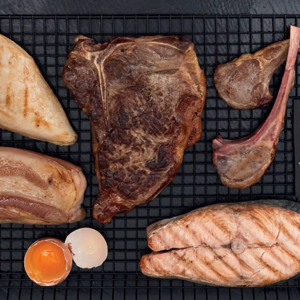
When you hear the word 'carnivore', do you think of lions and bears and sharks, or humans? Steak for breakfast, chicken breasts for lunch and salmon and lamb for dinner. No veg and no carbs.
This is just a typical day for someone on the carnivore diet. It's a meal plan that only allows meat, poultry, eggs, fish, seafood, dairy products and water. It's animal-based opposed to plant-based. But why are some people following this diet? And what do nutritionists think about it?
The carnivore diet is a type of ketogenic diet. Normally the body uses glucose from carbohydrates as energy, but when there's a lack of this, the liver breaks fat down into ketones. This essentially means the body can fuel itself using fat instead of sugar.
Followers of the diet may experience weight loss, especially early on. One reason for this is that protein is highly satiating, so you consume fewer calories. On top of this, cutting out sugary snacks and fizzy drinks has significant health benefits, and when our carb intake is reduced, our stored water levels fall, again helping to reduce weight.
Nevertheless, the carnivore diet can't be described as 'balanced' by any stretch, according to health experts. In fact, the British Heart Foundation strongly opposes it, saying there is no scientific evidence that it helps weight loss in the long term, and it's lacking in essential nutrients.
They say extreme diets which are low in fibre and high in fat can increase the risk of heart attacks and strokes. Saturated fat increases levels of LDL cholesterol and processed meat is high in salt which can raise blood pressure.
Fibre, they say, is necessary and counteracts all these issues, but it can only be found in 'banned foods' of the carnivore diet – fruits, vegetables, seeds, legumes and wholegrains, for example.
On social media you'll find plenty of people showing off their muscles and claiming their brain is working better than ever after weeks of fat and eggs and butter. Influencer Paul Saladino was an advocate of the carnivore diet until he started experiencing some persistent unpleasant symptoms.
Speaking on a health and fitness podcast, he recounted heart palpitations, muscle cramps and sleep disturbances. He researched the diet more and concluded it was detrimental to his health and probably "not a great thing for most humans".
Most experts recommend balance, such as the Mediterranean diet, which is full of fruits, vegetables, wholegrains and seeds – it even includes meat, fish and eggs – but everything in moderation.
词汇表
meat eater 肉食主义者,肉食者
carnivore [ˈkɑːnɪvɔː(r)] n. 食肉动物,肉食者
salmon [ˈsæmən] n. 三文鱼,鲑鱼
veg [vedʒ] n. 蔬菜(vegetables的缩写)
carnivore diet [ˈkɑːnɪvɔː(r)] 纯肉饮食,食肉饮食(只吃动物来源的食物)
poultry [ˈpəʊltri] n. 家禽肉,家禽(鸡、鸭、鹅等)
animal-based [ˈænɪml beɪst] adj. 动物性的,动物源的
plant-based [plɑːnt beɪst] adj. 植物性的,植物基的
nutritionist [njuːˈtrɪʃənɪst] n. 营养学家,营养师
ketogenic diet [ˌkiːtəˈdʒenɪk] 生酮饮食(高脂低碳,利用脂肪而非糖分来供能)
glucose [ˈɡluːkəʊs] n. 葡萄糖
carbohydrate [ˌkɑːbəʊˈhaɪdreɪt] n. 碳水化合物,糖类(缩写为carb)
liver [ˈlɪvə(r)] n. 肝脏
ketone [ˈkiːtəʊn] n. 酮,酮体
fuel [ˈfjuːəl] vt. 给…提供能量
satiating [ˈseɪʃieɪtɪŋ] adj. 令人满足的,有饱腹感的
on top of 此外,除…之外
cut out 戒除,停止食用
sugary snacks [ˈʃʊɡəri] 含糖零食,甜食
fizzy drinks [ˈfɪzi] 碳酸饮料,汽水
intake [ˈɪnteɪk] n. 摄入量,摄入
by any stretch 无论如何,绝对不
essential nutrients [ɪˈsenʃl ˈnjuːtriənts] (人体)必需营养素
fibre [ˈfaɪbə(r)] n. 纤维,纤维素
stroke [strəʊk] n. 中风
saturated fat [ˈsætʃəreɪtɪd] 饱和脂肪
LDL cholesterol [kəˈlestərɒl] 低密度脂蛋白胆固醇,坏胆固醇
counteract [ˌkaʊntəˈrækt] vt. 抵消,中和,对抗
legume [ˈleɡjuːm] n. 豆类;豆科植物
wholegrain [ˈhəʊlɡreɪn] n. 全谷物;adj. 全谷物的
advocate [ˈædvəkeɪt] n. 倡导者,提倡者,拥护者
persistent [pəˈsɪstənt] adj. 持续的,反复出现的
recount [rɪˈkaʊnt] vt. 叙述,详述,细述
heart palpitation [ˌpælpɪˈteɪʃn] 心悸,心跳异常
muscle cramps [ˈmʌsl kræmps] 肌肉痉挛,肌肉抽筋
sleep disturbances [dɪˈstɜːbənsɪz] 睡眠障碍
detrimental [ˌdetrɪˈmentl] adj. 有害的,不利的
Mediterranean diet [ˌmedɪtəˈreɪniən] 地中海饮食(以鱼类、全谷物、蔬果等为主的健康饮食模式)
in moderation [ˌmɒdəˈreɪʃn] 适度地,有节制地
📖 翻译、pdf见公众号【琐简英语】,回复"1"可进【打卡交流群】
When you hear the word 'carnivore', do you think of lions and bears and sharks, or humans? Steak for breakfast, chicken breasts for lunch and salmon and lamb for dinner. No veg and no carbs.
This is just a typical day for someone on the carnivore diet. It's a meal plan that only allows meat, poultry, eggs, fish, seafood, dairy products and water. It's animal-based opposed to plant-based. But why are some people following this diet? And what do nutritionists think about it?
The carnivore diet is a type of ketogenic diet. Normally the body uses glucose from carbohydrates as energy, but when there's a lack of this, the liver breaks fat down into ketones. This essentially means the body can fuel itself using fat instead of sugar.
Followers of the diet may experience weight loss, especially early on. One reason for this is that protein is highly satiating, so you consume fewer calories. On top of this, cutting out sugary snacks and fizzy drinks has significant health benefits, and when our carb intake is reduced, our stored water levels fall, again helping to reduce weight.
Nevertheless, the carnivore diet can't be described as 'balanced' by any stretch, according to health experts. In fact, the British Heart Foundation strongly opposes it, saying there is no scientific evidence that it helps weight loss in the long term, and it's lacking in essential nutrients.
They say extreme diets which are low in fibre and high in fat can increase the risk of heart attacks and strokes. Saturated fat increases levels of LDL cholesterol and processed meat is high in salt which can raise blood pressure.
Fibre, they say, is necessary and counteracts all these issues, but it can only be found in 'banned foods' of the carnivore diet – fruits, vegetables, seeds, legumes and wholegrains, for example.
On social media you'll find plenty of people showing off their muscles and claiming their brain is working better than ever after weeks of fat and eggs and butter. Influencer Paul Saladino was an advocate of the carnivore diet until he started experiencing some persistent unpleasant symptoms.
Speaking on a health and fitness podcast, he recounted heart palpitations, muscle cramps and sleep disturbances. He researched the diet more and concluded it was detrimental to his health and probably "not a great thing for most humans".
Most experts recommend balance, such as the Mediterranean diet, which is full of fruits, vegetables, wholegrains and seeds – it even includes meat, fish and eggs – but everything in moderation.
词汇表
meat eater 肉食主义者,肉食者
carnivore [ˈkɑːnɪvɔː(r)] n. 食肉动物,肉食者
salmon [ˈsæmən] n. 三文鱼,鲑鱼
veg [vedʒ] n. 蔬菜(vegetables的缩写)
carnivore diet [ˈkɑːnɪvɔː(r)] 纯肉饮食,食肉饮食(只吃动物来源的食物)
poultry [ˈpəʊltri] n. 家禽肉,家禽(鸡、鸭、鹅等)
animal-based [ˈænɪml beɪst] adj. 动物性的,动物源的
plant-based [plɑːnt beɪst] adj. 植物性的,植物基的
nutritionist [njuːˈtrɪʃənɪst] n. 营养学家,营养师
ketogenic diet [ˌkiːtəˈdʒenɪk] 生酮饮食(高脂低碳,利用脂肪而非糖分来供能)
glucose [ˈɡluːkəʊs] n. 葡萄糖
carbohydrate [ˌkɑːbəʊˈhaɪdreɪt] n. 碳水化合物,糖类(缩写为carb)
liver [ˈlɪvə(r)] n. 肝脏
ketone [ˈkiːtəʊn] n. 酮,酮体
fuel [ˈfjuːəl] vt. 给…提供能量
satiating [ˈseɪʃieɪtɪŋ] adj. 令人满足的,有饱腹感的
on top of 此外,除…之外
cut out 戒除,停止食用
sugary snacks [ˈʃʊɡəri] 含糖零食,甜食
fizzy drinks [ˈfɪzi] 碳酸饮料,汽水
intake [ˈɪnteɪk] n. 摄入量,摄入
by any stretch 无论如何,绝对不
essential nutrients [ɪˈsenʃl ˈnjuːtriənts] (人体)必需营养素
fibre [ˈfaɪbə(r)] n. 纤维,纤维素
stroke [strəʊk] n. 中风
saturated fat [ˈsætʃəreɪtɪd] 饱和脂肪
LDL cholesterol [kəˈlestərɒl] 低密度脂蛋白胆固醇,坏胆固醇
counteract [ˌkaʊntəˈrækt] vt. 抵消,中和,对抗
legume [ˈleɡjuːm] n. 豆类;豆科植物
wholegrain [ˈhəʊlɡreɪn] n. 全谷物;adj. 全谷物的
advocate [ˈædvəkeɪt] n. 倡导者,提倡者,拥护者
persistent [pəˈsɪstənt] adj. 持续的,反复出现的
recount [rɪˈkaʊnt] vt. 叙述,详述,细述
heart palpitation [ˌpælpɪˈteɪʃn] 心悸,心跳异常
muscle cramps [ˈmʌsl kræmps] 肌肉痉挛,肌肉抽筋
sleep disturbances [dɪˈstɜːbənsɪz] 睡眠障碍
detrimental [ˌdetrɪˈmentl] adj. 有害的,不利的
Mediterranean diet [ˌmedɪtəˈreɪniən] 地中海饮食(以鱼类、全谷物、蔬果等为主的健康饮食模式)
in moderation [ˌmɒdəˈreɪʃn] 适度地,有节制地
📖 翻译、pdf见公众号【琐简英语】,回复"1"可进【打卡交流群】
小宇宙热评

其然_G2UN
10个月前
北京
2
爱吃星人最喜欢的一篇 反复听
其然_G2UN
10个月前
北京
2
爱吃星人最喜欢的一篇 反复听
其然_G2UN
10个月前
北京
2
爱吃星人最喜欢的一篇 反复听
其然_G2UN
10个月前
北京
2
爱吃星人最喜欢的一篇 反复听
其然_G2UN
10个月前
北京
2
爱吃星人最喜欢的一篇 反复听
其然_G2UN
10个月前
北京
2
爱吃星人最喜欢的一篇 反复听

外观