一口英语 One Sip English - 节目列表

willpower 意志力

一口英语 One Sip English

Today I want to talk about a word we all kind of misuse. We use it as an excuse way more than we realize. 今天我想聊一个我们其实都在误用的词。我们用它当借口的次数,比自己意识到的要多得多。 The word is willpower. 这个词是 willpower。 You know the moments I'm talking about. It's Friday night, you've been eating clean all week, and there's a slice of cake in the kitchen. You stand there. You lose. And you say — I just don't have the willpower. 你知道我在说什么时刻。周五晚上,你干干净净吃了一整周,厨房里有一块蛋糕。你站在那。你输了。然后你说——我就是没那个意志力。 Or it's midnight, you promised yourself you'd sleep early, and you're still scrolling. My willpower is gone. 又或者,半夜十二点,你答应过自己要早点睡,结果还在刷手机。我的意志力用完了。 But here's the thing. Have you ever heard anyone say "I have so much willpower today"? Nobody says that. Willpower is always the thing we've run out of. It's never the thing we have. 但是你发现没有。你有没有听过任何人说"我今天意志力爆棚"?没有人这么说。意志力永远是我们"用完了"的那个东西,从来不是我们"拥有"的那个东西。 And that's a clue. 这就是个线索。 Because willpower isn't a superpower. It's more like a battery. A small one. And you drain it all day without realizing. Every email you force yourself to answer. Every snack you say no to. Every thing you stop yourself from saying in a meeting. It all pulls from the same tiny battery. And by 10pm in front of the fridge, the battery is just — done. That's why the cake wins. 因为意志力不是超能力。它更像一块电池。一块很小的电池。你一整天都在消耗它,自己却没察觉。每一封你逼自己回的邮件。每一次你拒绝掉的零食。每一句你在会议上忍住没说的话。它们全都在从同一块小电池里抽电。到了晚上十点,你站在冰箱前面的时候,电池就——没了。这就是蛋糕赢的原因。 The people who look like they have crazy willpower? They're not heroes. They've just set their life up so they don't need it. 那些看起来意志力惊人的人呢?他们不是英雄。他们只是把自己的生活设计成了——不需要意志力。 Someone who "never eats junk food"? Doesn't keep junk food in the house. "Never checks their phone before bed"? Phone's in another room. They're not winning the fight. They just don't show up to the fight. 一个"从来不吃垃圾食品"的人?他家里根本不放垃圾食品。"从来不在睡前看手机"的人?手机在另一个房间。他们不是打赢了那场仗。他们压根就没出现在那场仗里。 And this is where willpower and discipline get confused. They're not the same thing. 这就是意志力和自律经常被搞混的地方。它们完全不是一回事。 Willpower is a moment. It's you, 11pm, hand on the fridge door. It's hard. It's loud. It's exhausting. 意志力是一个瞬间。是晚上十一点的你,手已经搭在冰箱门上。它很难,很吵,很累。 Discipline is quieter. It's the stuff you did in the morning so that 11pm-you never has to stand there in the first place. 自律安静得多。是你早上就做好的那些事——让十一点的你,根本不会站在那里。 So next time you catch yourself saying "I just don't have the willpower" — maybe the real question isn't why am I so weak. It's why am I putting myself in this room at all. 所以下次,当你听到自己说"我就是没那个意志力"——也许真正该问的不是"我怎么这么弱"。而是——我为什么把自己放进了这个房间里。 The strongest people aren't the ones winning every battle. 最强的人,不是那些每一场都打赢的人。 They're the ones who figured out which fights they didn't need to be in. 是那些搞清楚了——哪些仗,自己本来就不用打的人。 I'm your host. This is 1 Sip English. One word at a time — see you next sip. 我是你的主播,这里是一口英语。一次一个词——下一口见。

3分钟
99+
6天前

Stamina 耐力

一口英语 One Sip English

Welcome to 1 Sip English. One word. One sip — and it stays with you forever. 欢迎来到一口英语。一个词,一口,就永远留在你心里。 There's a word we all think we understand. But I don't think we do. 有一个词,我们都以为自己懂。但我觉得其实不懂。 The word is stamina. 这个词是 stamina。 Ask anyone what it means, and they'll say something like — lasting a long time. Running a long race. Pushing through. 你随便问一个人这个词什么意思,他大概会说——能撑很久,能跑长跑,能坚持到底。 Sure. But that's the surface. And I think the real meaning of this word is something we actually kind of avoid looking at. 没错,但这只是表面。我觉得这个词真正的意思,是我们平时其实有点不愿意去看的。 Here, watch. 你看。 When someone drops out of a marathon, we say — they ran out of stamina. Makes sense. 当一个人跑不动退出马拉松,我们会说——他耐力不够了。很合理。 But when someone gives up on a novel they've been writing for two years… we don't say that. We say they quit. 但当一个人写了两年的小说放弃了,我们不会这么说。我们会说他弃坑了。 When a founder walks away from a company in year three, we say she burned out. 当一个创业者第三年离开了自己创的公司,我们会说她倦怠了。 When someone lets a relationship fall apart, we say they stopped trying. 当一个人让一段感情散了,我们会说他不想经营了。 Different words. But it's the same thing happening. Something inside the person ran out. 不同的说法,但其实是同一件事。那个人身体里的某样东西,撑不住了。 We just don't call it stamina, because we've decided stamina is physical. It belongs to muscles. Runners. People on treadmills. 我们只是不把它叫做耐力,因为我们已经认定耐力是身体上的事。是属于肌肉的、跑者的、跑步机上的。 But listen to how people actually use this word when the stakes are real. 但听听看,真正重要的时刻人们是怎么用这个词的。 A novelist, halfway into her second book, tells a friend — honestly, I love this story, I just don't know if I have the stamina to finish it. 一个小说家,第二本书写到一半,跟朋友说——说实话,我很爱这个故事,我只是不知道自己还有没有耐力写完它。 She's not talking about typing. She's talking about another twelve months alone with a manuscript nobody's read yet. 她说的不是打字。她说的是接下来十二个月,一个人面对一份还没人读过的稿子。 A founder, three years in, turns to her co-founder and says — I think I'm running out of stamina. 一个创业者,第三年,跟合伙人说——我觉得我的耐力快用完了。 She's not tired. She slept fine. What's running out is the part of her that can keep believing, when the numbers aren't moving and everyone's asking when she's going to get a real job. 她不是累。她睡得很好。在消耗的,是她身体里那个还能继续相信的部分——当数据不动了,当身边所有人都在问她什么时候去找个正经工作的时候。 That's what this word is really pointing at. 这才是这个词真正在指的东西。 Stamina isn't about how long your body can last. It's about how long you can keep choosing to stay — after the excitement is gone, after nobody's clapping, when quitting would honestly be fair. 耐力不是你身体能撑多久。是你能继续选择留下多久——当新鲜感没了,没人鼓掌了,放弃其实也完全说得过去的时候。 And that's why it's not the same as endurance. People use these interchangeably. They shouldn't. 这也是为什么它和 endurance 不一样。很多人把这两个词混着用,其实不该。 When you say "I endured it" — that's past tense. Something happened to you, and you got through. You survived. 当你说"我忍过来了"——那是过去时。有件事发生在你身上,你撑过去了,你活下来了。 Stamina is present tense. Right now. You're still in it. And nobody's holding you there. You're staying because you're choosing to. 耐力是现在时。就是此刻。你还在里面。没人把你按在那。你之所以留着,是因为你自己在选择留。 That's the whole thing. 就是这个意思。 So the next time you hear this word — or catch yourself using it — listen for what's underneath. 所以下次你听到这个词——或者发现自己在用它——听一听它底下是什么。 Because the person with real stamina isn't the strongest one in the room. It's the one who, on a random Thursday afternoon, with no applause and no reason to keep going, keeps going anyway. 因为真正有耐力的那个人,不是屋里最强的那个。是随便一个周四下午,没有掌声,没有任何继续的理由,还在继续的那个。 And honestly? That might be the most underrated quality a person can have. 说真的,这可能是一个人身上最被低估的品质。 I'm your host. This is 1 Sip English. One word at a time — see you next sip. 我是你的主播,这里是一口英语。一次一个词——下一口见。

3分钟
99+
1周前

retreat 撤退/后退/抽身

一口英语 One Sip English

One Sip English. 一口英语。 Not a lesson—just a sip. 不是上课——就喝一口。 Picture this: you’re walking into noise… and then you step back. 想象一下:你正走进一堆噪音——消息、会议、期待——然后你往后退一步。 Not because you’re weak. Because you need space. 不是因为你弱,而是你需要空间。 That step-back has a word: retreat. 这个“后撤”有一个词:retreat。 At its core, retreat means to move back—to withdraw from a place or situation. Retreat 的核心意思是:撤退/后退/抽身,从某个地方或情境中退出来。 动词用法: The army retreated. 军队撤退了。 He retreated into silence. 他退回到沉默里(不再回应)。 I need to retreat for a minute. 我需要退一下/抽离一下。 名词用法: A retreat. 一次“静修/闭关/集训营”。 为什么 retreat 会同时出现在两个世界: 1)军事:撤退 2)生活方式:冥想静修、瑜伽静修、公司团建 retreat 本质都一样: 从日常的“前线”退出来。 关键 nuance: Retreat 不只是休息。 它更像一种有意识的后撤——为了恢复、重整、再出发。 像是在说: “我不是消失,我是在 regroup(重整队形)。” Lock it in: Retreat = 有策略地后退、抽离,用来恢复和重新思考。 One word. One sip. 一个词,一口。 有时候最强的动作, 不是硬扛——而是 retreat。

2分钟
1k+
2个月前

shield 盾牌

一口英语 One Sip English

One Sip English. 一口英语。 Not a lesson—just a sip. 不是上课——就喝一口。 Today’s word is shield. 今天的单词是 shield。 Picture a knight raising a shield—not to attack, just to take the hit. 想象一个骑士举起盾牌——不是为了攻击,而是为了替你“扛下这一击”。 That’s the core feeling of shield: protection between you and danger. 这就是 shield 的核心感觉:在你和危险之间,放一层保护。 A shield is a thing you hold or place in front of something to protect it. Shield(名词)就是:你拿着或放在前面的“防护物”,用来保护。 Common, everyday uses: 常见用法有: a riot shield(防暴盾) a heat shield(隔热/耐热防护罩) a shield icon in an app(App 里的盾牌图标:安全/防护/保障) And shield is also a verb. 另外 shield 也可以当动词。 to shield someone or something = to protect them from harm, pressure, or attention. to shield = 保护某人/某物,让它免受伤害、压力或被关注的冲击。 Parents try to shield kids from stress. 父母会尽量让孩子远离压力。 She shielded her eyes from the sun. 她用手挡住阳光(护住眼睛)。 The company is trying to shield users from risk. 公司在努力保护用户免受风险。 Now the metaphor side—this is where it gets powerful. 再到它更厉害的地方:比喻用法。 A shield isn’t always physical. 盾不一定是实体的。 Sometimes it’s emotional. Sometimes it’s financial. Sometimes it’s a policy. 它可以是情绪层面的、金钱层面的,也可以是制度层面的。 Money can be a shield. 钱可以是一层保护。 Humor is his shield. 幽默是他的“护盾”(用来防御尴尬/压力)。 Privacy is a shield. 隐私是一层保护。 Meaning: it creates a safe layer between you and the world. 意思是:它在你和世界之间,形成一层安全隔离。 In product language, you’ll often see: risk shield / fraud shield / privacy shield. 在产品语境里也常见:risk shield(风险保护)、fraud shield(反欺诈保护)、privacy shield(隐私保护)。 These all mean: a system designed to reduce harm. 它们都在说:一个用来降低伤害的保护机制。 Lock it in: 记住一句: Shield = protection in front of you. Something that takes the impact so you don’t have to. Shield = 站在你前面替你扛伤害的“保护层”。 One word. One sip. 一个词,一口。 Now you’ve got a word for protection—with a bit of courage in it. 现在你有了一个形容“保护”的词,而且自带一点勇气的味道。

1分钟
99+
2个月前

formation 队形/形成

一口英语 One Sip English

One Sip English. 一口英语。 Not a lesson—just a sip. 不是上课——就喝一口。 Picture black horses running across a snowy mountain valley—not messy, not random—they move like one unit. 想象黑马在雪山山谷里奔跑——不乱、不散——它们像一个整体在移动。 That’s the word today: formation. 这就是今天的词:formation。 A formation is an organized arrangement—a pattern you can recognize. Formation 指的是一种有组织的排列/队形/阵型——你一眼能认出来的结构。 It’s about where things are positioned, and often how they move together. 它讲的是“站位怎么排”,也常常讲“怎么一起动”。 So when you say: the horses are running in formation, you mean they’re not scattered. 所以当你说“马群 in formation”,意思是它们不是散乱地跑。 They’re keeping a shape—like lines, a curve, a V-shape—almost like there’s an invisible choreography. 它们在保持一个形状:成排、成弧、V 字形……像有看不见的编舞。 The most common phrase is: in formation. 最常用搭配就是:in formation(以队形/编队/列队)。 Soldiers marched in formation. 士兵列队行进(队形整齐)。 Planes flew in formation. 飞机编队飞行(速度、间距、队形一致)。 Dancers moved in formation. 舞者按队形移动(站位同步、动作一致)。 Now here’s a small but powerful nuance: formation is the shape itself. 再给你一个关键点:formation 指的是“队形/结构本身”。 Formation makes you think: structure, discipline, control. 这个词自带一种感觉:结构、纪律、控制感。 And it’s not only for people and animals. Nature has formations too. 而且 formation 不只给人或动物用,自然也有: cloud formations(云的形态/云阵) rock formations(岩层构造/岩石地貌) ice formations(冰层形态/冰的构造) In those cases, it means a recognizable shape or structure that has formed over time. 这时它强调:经过时间形成的、可辨认的形态/结构。 So lock it in: 记住一句: Formation = an organized pattern or arrangement—a shape you can see, and a system you can feel. Formation = 有组织的排列/队形/结构——看得见形状,也感受到秩序。 One word. One sip. 一个词,一口。 Now you can describe movement that looks like teamwork. 现在你就能形容那种“像团队一样”的运动感了

2分钟
99+
3个月前

suspension 悬挂 / 悬置

一口英语 One Sip English

One Sip English. 一口英语。 Not a lesson—just a sip. 不是上课——就喝一口。 Picture a suspension bridge at dusk—lights glowing along the cables, their reflections stretching across the water like warm threads. 想象一座黄昏里的悬索桥(suspension bridge):灯沿着钢索亮起,倒影在水面上拉成一条条温暖的光线。 Silhouetted tree leaves frame the scene, and above it all: a cloudy sky that feels… paused. 前景是树叶的黑色剪影,背景是多云的天空,整个画面像是被按下了暂停键。 Today’s word is suspension. 今天的单词是 suspension。 Let’s start with the image. 我们先从画面讲起。 A suspension bridge is literally a bridge that’s held up—the roadway is hanging from cables, suspended over the water. 悬索桥字面就是“被吊起来的桥”:桥面被钢索托住/吊住,悬在水面上。 So at the heart of the word, suspension is about one idea: something is held up… or put on hold. 所以 suspension 的核心其实就一个感觉:被托住/悬着,或者被暂时按下暂停。 That’s why this one word shows up in so many totally different places. 也正因为这个核心,它才会出现在很多完全不同的场景里。 1. Pause / stop (the most common everyday meaning): suspension of service. 1)暂停 / 中止(最通用):suspension of service → 暂停服务(服务暂时停掉) It means the service is paused—temporarily stopped. 意思是:服务暂时中断,不是永久结束。 1. Suspension from work (a person is removed from duty). 2)停职:suspension from work → 停职(人被暂时撤下岗位) Not fired—just temporarily taken off the job. 不是开除,只是暂时不让你继续工作。 1. Sports (banned for a period of time): a two-game suspension. 3)禁赛(体育):two-game suspension → 禁赛两场 Meaning: you can’t play for two games. 意思是:两场比赛不能上。 Notice the pattern so far? It’s all the same feeling: you’re not continuing—you’re held back for a while. 你发现没?这几种其实都是同一个感觉:暂时不能继续,被按住一段时间。 1. Physical: hanging / floating: in suspension. 4)悬挂 / 悬置 / 悬浮(物理状态):in suspension → 处于悬浮/悬置状态 Particles can be “in suspension”—floating in a liquid or in the air, not settled. 比如颗粒“in suspension”,就是悬浮在液体或空气里,还没沉下去。 1. Engineering: car suspension. 5)悬架 / 悬挂系统(工程/汽车):car suspension → 汽车悬架(系统) That’s the system that supports the car and smooths the ride—springs, shocks, all the stuff that keeps the body stable. 就是支撑车身、让行驶更平稳的系统:弹簧、减震这些,让车不那么颠。 1. Story / decision: left in suspension. 6)悬念 / 悬而未决:leave it in suspension → 先悬着/暂时不定 Meaning: leave it undecided—hanging there, not resolved. 意思是:先不做结论,让它“挂在那儿”,还没定下来。 So whether it’s a bridge, a service, a job, a sports season, dust in the air, or a decision… suspension always carries that same core vibe: held up, hanging, or temporarily paused. 所以无论是桥、服务、工作、禁赛、空气里的颗粒,还是一个决定——suspension 的底层味道都是:被托住、悬着、或暂时暂停。 One word. One sip. 一个词,一口。 Now you’ve got a word that can glow over water… and also hit “pause” on life. 现在你有了一个词:既能在水面上发光的桥里出现,也能用来表达“人生按下暂停”。

2分钟
99+
3个月前

opaque 不透明的

一口英语 One Sip English

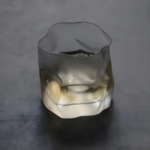
一口英语。 Not a lesson—just a sip. 不是上课——就喝一口。 Picture this: a frosted, faceted glass sitting on a textured dark surface. 想象一下:一个磨砂(frosted)、**有切面(faceted)的杯子,放在深色、带纹理的台面(textured dark surface)**上。 It’s got this wavy, irregular shape—almost like it melted into its own design. 它的形状有点波浪(wavy)、有点不规则(irregular),像是“自己融化成了自己的设计”。 And the look? Opaque, cloudy—it reflects light softly, but it won’t let you see through. 它的质感是:不透明(opaque)、雾雾的(cloudy)——光线在上面柔和地反射(reflects light softly),但你就是看不穿。 That’s the word today: opaque. 所以今天的词就是:opaque。 Opaque means not transparent—you can’t see through it. Opaque 的核心意思是:不透明——你看不透它。 Light might hit it and glow on the surface, but the details behind it? Hidden. 光可以打在表面发亮,但后面的细节?被挡住了。 So here’s the quick contrast you’ll actually use: 给你一个最实用的对比: transparent:透明,看得清 translucent:半透明,透光但模糊 opaque:不透明,看不穿 That’s why a frosted glass can be translucent… but when it’s cloudy enough, it becomes opaque. 所以磨砂玻璃有时候更像 translucent;但如果它雾到几乎看不穿,就可以叫 opaque。 Opaque glass. 不透明玻璃 / 雾面不透玻璃。 Opaque curtains. 遮光、不透的窗帘。 An opaque bottle. 不透明的瓶子。 The water turned opaque after the storm. 暴风雨后水变得浑浊到看不透。 His explanation was opaque. 他的解释很 opaque。 Meaning: it was unclear, hard to understand—like you can’t see through it. 意思是:不清楚、难理解,就像“看不穿”。 Lock it in: 记住一句: Opaque = not see-through. And in ideas, opaque = not easy to understand. Opaque = 物理上不透明;比喻上不清楚、让人看不懂。 One word. One sip. 一个词,一口。 Now you’ve got the perfect word for something that glows… but keeps its secrets. 现在你有了一个词,形容那种“会发光,但藏着秘密”的质感。

1分钟
99+
3个月前

Merch 周边产品

一口英语 One Sip English

One Sip English. 一口英语。 Let’s be honest—sometimes it’s not about the item. 说实话,有时候重点根本不是那件东西。 It’s about the feeling of belonging. 而是那种“我属于这里”的感觉。 Like, “Yeah, I’m part of this.” 就像在说:“对,我就是这个圈子的。” That’s merch. 这就叫 merch。 Merch is short for merchandise. Merch 是 merchandise 的缩写。 It means the stuff a creator, a brand, an artist, or a fandom sells— 它指的是:创作者、品牌、艺人,或某个圈子卖的周边产品—— usually with a logo, a name, a catchphrase, or a signature design. 通常会带 logo、名字、口号,或者标志性的设计。 So yeah—hoodies, T-shirts, hats, tote bags, posters, stickers, keychains. 比如卫衣、T恤、帽子、帆布袋、海报、贴纸、钥匙扣。 Anything you can wear, carry, or put on your desk that quietly says, “I’m into this.” 任何你能穿、能带、能摆在桌上的东西,悄悄表达“我喜欢这个”。 You’ll hear it online all the time: 你会在网上经常听到: New merch drop. 出新周边了 / 新一波上架了。 I got the merch. 我买到周边了。 Merch is sold out. 周边卖光了。 Restock when? 什么时候补货? And that word drop is important. 这里的 drop 很关键。 A merch drop is like a mini launch— Merch drop 就像一次小型发布—— a new release, sometimes limited, sometimes timed. 一波新上架,有时限量,有时限时。 It’s part product, part hype, part “If you know, you know.” 它既是产品,也是氛围,也是那种“懂的人就懂”的暗号。 How do you use it naturally? 那怎么用才自然? I bought her merch. 我买了她的周边。 Meaning: I bought her branded products to support her. 意思是:买她的带品牌/标识的产品来支持她。 Do you have merch? 你有周边吗? Meaning: do you sell anything for fans? 意思是:有没有卖给粉丝的产品? They’re launching new merch next week. 他们下周要出新周边。 Meaning: new items are coming. 意思是:新一批产品要来了。 One nuance that makes you sound native: 一个让你听起来更地道的小点: Merch is casual and modern. Merch 很口语、很现代。 In formal writing, people say merchandise, 在正式写作里通常说 merchandise, but in real conversations, “merch” is the default. 但日常聊天里,默认就是 merch。 And tone matters. 而且语气很重要。 Merch can feel warm—supportive. Merch 可以是很温暖的、支持性的。 Like, “I’m proud to wear this.” 像在说:“我愿意穿它,我很认同。” But it can also sound a little negative if someone rolls their eyes: 但如果有人翻个白眼,它也可能变成带点贬义: Ugh, it’s just merch. “唉呀,就是卖周边而已。” Meaning: it’s not about the art anymore—just selling stuff. 意思是:不再是内容/作品本身了,就是在卖东西。 So lock it in: 记住一句: Merch = merchandise, especially fan or creator products with branding—stuff that feels like identity you can wear. Merch = 周边/衍生品,尤其是带标识的粉丝或创作者产品——像“可以穿在身上的身份认同”。 One word. One sip. 一个词,一口。 Now you can say it like you’ve been online forever. 现在你就能像“网感很强的人”一样自然地用这个词了。
2分钟
99+
3个月前

加入我们的 Discord

与播客爱好者一起交流

立即加入

扫描微信二维码

添加微信好友,获取更多播客资讯

微信二维码

播放列表

自动播放下一个

播放列表还是空的

去找些喜欢的节目添加进来吧