英音听力|BBC & 经济学人等 - 节目列表

BBC随身英语|“森林浴”能治愈现代压力吗?

BBC随身英语|“森林浴”能治愈现代压力吗?

英音听力|BBC & 经济学人等

Can forest bathing cure modern stress? How do you relax after a stressful day in the office? There are many remedies to help you unwind, but the best solution, according to some experts, lies in the great outdoors. It takes a little effort to get there but the benefits can be a perfect tonic for our stressed-out lives. I am talking about the activity of forest bathing. The Japanese concept of shinrin-yoku – or forest bathing – originates from the 1980s, when it was introduced as a national health programme by the country's government. Stressed Japanese workers are today still relaxing and reconnecting with nature. The Forest Therapy Society has certified 62 forest therapy sites in the country and the forest bathing movement is also gathering momentum in other parts of the world. It says: "Just as bathing in a hot spring helps to soak your cares away, going for a walk in the woods is said to have a soothing effect." If you're worried that bathing involves stripping off your clothes, don't be! This is about taking time to wander through woodland with no fixed plan or route and just immerse yourself in the forest atmosphere. Some health experts have said that having this exposure to nature seems to promote well-being and that's particularly good for people with mental health issues. A study conducted in 24 forests across Japan found that walking among trees lowered blood pressure, the pulse rate, and the levels of the hormone cortisol, which is released in response to stress. It also found phytoncides - chemicals emitted by trees - have an anti-microbial effect on humans, boosting our immune systems. Another study carried out a few years ago by Stanford University in the US, found similar benefits. Brain scans showed reduced activity in an area of the brain linked to the risk of mental illness in participants who took a 90-minute walk among oaks, birds and squirrels. One of the researchers, Gregory Bratman, told the BBC: "There's an increasing body of evidence showing that natural versus urban areas benefit us at least emotionally with our mood and possibly also our cognitive development too." The evidence seems clear that forest bathing is a shot in the arm for stressed-out workers, so now is the time to get out and lose yourself in the natural environment – you could even hug a tree as it could be your new best friend! 词汇表 remedy [ˈremədi] n. 治疗法,药物,解决办法 unwind [ˌʌnˈwaɪnd] vi. 放松,松弛 great outdoors 大自然,户外 tonic [ˈtɒnɪk] n. 补药,滋补品,使人振作的东西 stressed-out [ˌstrest ˈaʊt] adj. 极度紧张的,压力过大的 forest bathing [ˈfɒrɪst ˌbeɪðɪŋ] 森林浴(通过沉浸于森林环境中,与自然建立深度连接,来放松身心的活动) reconnect with [ˌriːkəˈnekt] 与…重新建立联系 certify [ˈsɜːtɪfaɪ] vt. 证明,认证,证实 gather momentum [ˈɡæðə məˈmentəm] 势头增强,发展加快 hot spring 温泉 soak one's cares away [səʊk] 洗去烦恼,借沐浴/泡澡来消除烦恼 soothing [ˈsuːðɪŋ] adj. 抚慰的,舒缓的,使人平静的 strip off [strɪp] 脱掉,剥除(衣物或外层物体) wander through 漫步于,穿梭在 woodland [ˈwʊdlənd] n. 林地,森林 immerse oneself in [ɪˈmɜːs] 沉浸于,融入,专心于 pulse rate [pʌls] 脉搏率(心脏每分钟跳动的次数) hormone cortisol [ˈhɔːməʊn ˈkɔːtɪsɒl] 皮质醇激素(压力激素) phytoncide [ˌfaɪtəʊnˈsaɪd] n. 植物杀菌素(植物释放的用于杀菌、防御的挥发性有机化合物) anti-microbial [ˌænti maɪˈkrəʊbiəl] adj. 杀菌的,抗菌的 immune system [ɪˈmjuːn] 免疫系统 oak [əʊk] n. 橡树,橡木 squirrel [ˈskwɪrəl] n. 松鼠 a body of evidence 大量证据,一系列证据 cognitive development [ˈkɒɡnətɪv] 认知发展 a shot in the arm 一剂强心针,令人振奋的事 lose oneself in 沉浸于,陶醉于 📖 翻译、pdf见公众号【琐简英语】,回复"1"可进【打卡交流群】

2分钟
2k+
4个月前
BBC六分钟英语|社交媒体是否让我们变得更不包容?

BBC六分钟英语|社交媒体是否让我们变得更不包容?

英音听力|BBC & 经济学人等

Is social media making us less tolerant? Neil Hello, this is 6 Minute English from BBC Learning English. I'm Neil. Beth And I'm Beth. Neil, when you're chatting with friends, do you usually have the same or different opinion on things going on in the world? Neil Ooh... well, that's interesting. I think I probably have quite similar opinions and that's, kind of, why we're friends. Beth Ah! Well, we might like to believe that we're accepting and tolerant of others' beliefs, but for many people it can be difficult to communicate with people who have very different opinions to our own. And this lack of acceptance could be increasing with our use of social media. For example, algorithms tend to show us what we already like and agree with. Neil Of course, we can't always agree with everyone else. We all have personal opinions and beliefs on topics like religion and politics. But some worry that it's becoming more and more common to react with violence when they disagree, than to solve disagreements together peacefully. Beth So, are we becoming a more divided society? Divided means in disagreement with and separated from others – to not be together. And how can we be more accepting and open to the opinions of others? That's what we'll be discussing in this programme and, as usual, we'll be learning some useful new words and phrases. Neil But first I have a question for you, Beth. According to a recent Ipsos poll, what percentage of the British population believes society is divided? Is it: a) 20%, b) 50%, or c) 80%? Beth Ooh... I'm going to say 50%. Neil Well, we'll find out the answer later in the programme. Paul Dolan, professor of behavioural science at the London School of Economics, thinks we should learn how to control our emotions and be open to discussions when we disagree. Here, he explains more about how to do this on BBC World Service programme All in the Mind: Paul Dolan Generally, we're going to be making better decisions, and more respectfully, if we calm down. It takes 15 minutes when you're proper aroused for the amygdala to calm down, but within a few seconds it can start calming down, right? You take a deep breath and you start feeling calmer. It's not to say that always being calm is good. Anger can be motivational and positive emotions actually can be very good for us. Generally, people make better decisions and are more engaging and more open when they're happier, but much of the time it will be just a case of calming down to try and take some of the heat out of the environment. Beth Paul thinks we should take time to calm down when we feel aroused, which here means to feel anger or strong disagreement. He said it takes 15 minutes for the amygdala, the part of the brain that experiences emotions, to calm down when we're aroused. Neil While anger can be motivational – make us more determined and enthusiastic – Paul says people can speak more openly when they're happier, when heat is taken out of the environment. Heat in this context means an intense feeling like anger. Beth Now, one recent dating experiment looked into what people say they want in an ideal partner according to their dating profile. Researchers found that many single people included details on things like what they want their partner to look like, their height, the political party they vote for, but many also say they want a partner who is open-minded and tolerant of different views. If you are open-minded, you're willing to listen to and consider new ideas. Neil However, the researchers concluded that while people want a partner to be open-minded and tolerant, they don't want to be very open-minded themselves. So, how can we be more open to getting to know people that we might disagree with? Here's Paul Dolan again, talking to presenter Claudia Hammond of BBC World Service's All in the Mind. Paul Dolan So, I guess one very obvious answer is to get offline. I mean, to actually just get out more and meet people because it's what political scientists think is the silver bullet. You know, the more you're around people that are different, the more you realise that actually they're not that different, and you become more tolerant and open-minded. So, being around people that are different – I think that's probably the way that we're going to tackle that problem. Neil Paul says political scientists think the silver bullet is to get offline and meet people. A silver bullet means a simple solution to a complicated problem. By meeting people who have different opinions and beliefs to you, the more you'll realise they're not that different to you at all. Beth And that could make you more accepting and lead to a society that is less divided. And speaking of divided, isn't it time you revealed the answer to your question, Neil? Neil Yes, I asked, "What percentage of the British population believes society is divided, according to a recent poll by the organisation Ipsos?" 📝 字数限制,完整文本,词汇表,翻译及pdf见公众号【琐简英语】,回复1可加入【打卡交流群】

5分钟
2k+
4个月前
Do you really know|如何判断一段友谊该不该结束?

Do you really know|如何判断一段友谊该不该结束?

英音听力|BBC & 经济学人等

How do I know when to end a friendship? Friendship is often said to be eternal, to withstand the test of time and distance. We expect friends to accept everything about us, but it's not always that simple. Just like any relationship, friendships can become complicated and sometimes toxic. Not all friendships are worth keeping, and certain signs can indicate when one is nearing its end. What does constitute a healthy friendship, then? Friendships should be a source of joy, support and personal growth. In a healthy friendship, both parties feel valued and respected. One key sign of a healthy friendship is mutual trust and honesty. Think about that friend who always has your back and who you can share your thoughts with without judgement. Someone you can call after you've had a tough day at work, who won't mind you venting. They listen without interrupting, empathise with your feelings and offer helpful advice. That's a healthy friendship in action. Are there certain criteria that give away when a friendship is dysfunctional? Indeed there are, and it's best to learn to trust your intuition in order to spot them. Red flags can include constant negativity, manipulation and a lack of reciprocity. If you find yourself always giving and receiving little in return, it might be time to re-evaluate the friendship. After all, experts say that toxic friendships can increase stress levels and negatively impact mental health. It's important to note that not every feeling of discomfort should be seen as a red flag. Sometimes those close to us make us uncomfortable because they notice things we don't even see ourselves. They may tell us some home truths in awkward situations, like when we have an abusive partner, a soul-sucking job, or have made bad decisions we just can't admit to. In other cases, the unease may stem from an imbalance in the friendship. Have you ever been in a friendship where you're the only one making an effort to check in or plan get-togethers? Another sign of an unequal relationship is when you feel emotionally drained by your friend. Any time spent together leaves you feeling exhausted afterwards. Sometimes we need to learn to recognise when a friendship is more taxing than it is beneficial. So what should I do if I realise a friendship is complicated and leaving me drained? If it's a significant friendship, it's worth trying to talk things out. You might assume that if the relationship isn't easy, then it's not worth carrying on with. But why not at least try to resolve it first before making that call? It's crucial to communicate your feelings with your friend. Share your concerns openly and honestly, giving them a chance to understand your perspective. In some cases, it may be best to distance yourself gradually. Surround yourself with positive influences and invest in other relationships that uplift you. Remember, it's okay to prioritize your well-being. Sometimes two friends can reconcile, and other times it's best to hug each other, thank each other, and each go your own way. There you have it. 词汇表 eternal [ɪˈtɜːnl] adj. 永恒的,永久的 withstand [wɪðˈstænd] vt. 经受,承受,抵住 toxic [ˈtɒksɪk] adj. 有害的,有毒的,令人极不愉快的 constitute [ˈkɒnstɪtjuːt] vt. 是,被看作,被视为 have one's back 支持某人,为某人撑腰,站在某人这边 vent [vent] v. 发泄,表达,吐露(负面情绪) empathise with [ˈempəθaɪz] vi. 对…感同身受,产生共鸣,同情 dysfunctional [dɪsˈfʌŋkʃənl] adj. (关系或行为)不正常的,不健康的 intuition [ˌɪntjuˈɪʃn] n. 直觉 red flag 危险信号,警示标志 negativity [ˌneɡəˈtɪvəti] n. 消极态度,负面情绪 manipulation [məˌnɪpjʊˈleɪʃn] n. 操纵,控制 reciprocity [ˌresɪˈprɒsəti] n. 互惠,相互性,对等 home truth 令人不悦的事实,逆耳的忠言 abusive [əˈbjuːsɪv] adj. 虐待的,施暴的;辱骂的 soul-sucking [ˈsəʊl sʌkɪŋ] adj. 令人心力交瘁的,令人精疲力尽的 unease [ʌnˈiːz] n. 不安,忧虑,焦虑 stem from [stem] 源于,来自 check in 联系,问候,关心 get-together n. 聚会,联欢会 emotionally drained [dreɪnd] adj. 情绪耗竭的,情感疲惫的 taxing [ˈtæksɪŋ] adj. 费劲的,耗费精力的 talk things out 把话说开,沟通解决 resolve [rɪˈzɒlv] vt. 解决(问题、冲突等) make that call 做出决定,做出选择 distance yourself 与…保持距离,疏远 uplift [ʌpˈlɪft] vt. 使振作,使鼓舞 reconcile [ˈrekənsaɪl] vt. 使和解,使和好 🪴翻译和pdf见公众号【琐简英语】,回复"1"可进入【打卡交流群】

3分钟
2k+
4个月前
BBC Ideas|“个人主义”对社会是好是坏?

BBC Ideas|“个人主义”对社会是好是坏?

英音听力|BBC & 经济学人等

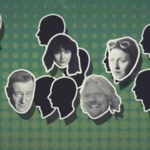
Individualism: Is it a good or bad thing? If someone called you an individualist, would you be flattered or insulted? An individualist might be a rugged John Wayne, a pioneer like Amy Johnson, a creative innovator like Kate Bush, or an entrepreneur like Richard Branson. People we admire for refusing to follow the crowd, for being true to themselves. But individualism is also often said to be the source of Western civilization's degeneracy — accused of leading to selfishness, shallow consumerism, the breakdown of society. Individualism is a double-edged sword. Many believe its Western roots go right back to early Christianity. Jesus taught that salvation did not depend on what tribe you belong to, but on how you chose to live your life. God had a one-to-one relationship with people, not to groups. The 16th Century Protestant Reformation took this further, taking away the need for priests to act as intermediaries between God and ordinary people. This sowed the seeds for the flowering of the modern individual in the 18th Century Enlightenment. The Prussian philosopher Kant summed up its key message in the Latin phrase Sapere Aude: dare to know, to think for yourself. Personal autonomy became the central value of Western society. We see this in the principles of one person one vote, civil liberties, and equal rights for all. But this in many ways welcome development has gone hand in hand with the decline of community. The growth of independence and autonomy leads to a decline in interdependence and solidarity. In other cultures, these communal values have traditionally taken precedence. Across East Asia, who you are cannot be separated from the groups you belong to. That does not mean you lose your identity in the crowd, you find your identity in it: as a parent, a child, a ruler, a teacher, an apprentice. When we can all be different and yet all come together, we have harmony, the highest value in Confucian philosophy. Across the world, individualism is lamented when it turns us into atomized units, cut off from each other, showing little or no interest in our fellow citizens. But if you can be yourself, while also being part of society, contributing to it, your individualism will be praised and celebrated. 词汇表 individualism [ˌɪndɪˈvɪdʒuəlɪzəm] n. 个人主义,我行我素 individualist [ˌɪndɪˈvɪdʒuəlɪst] n. 个人主义者,特立独行的人 flattered [ˈflætərd] adj. 感到荣幸的,受宠若惊的 insulted [ɪnˈsʌltɪd] adj. 受到侮辱的,被冒犯的 rugged [ˈrʌɡɪd] adj. 坚毅的,粗犷的,强健的 innovator [ˈɪnəveɪtə(r)] n. 革新者,创新者,改革者 entrepreneur [ˌɒntrəprəˈnɜː(r)] n. 企业家,创业者 degeneracy [dɪˈdʒenərəsi] n. 堕落,退化,衰退 consumerism [kənˈsjuːmərɪzəm] n. 消费主义 breakdown [ˈbreɪkdaʊn] n. 崩溃,瓦解,故障 double-edged sword [ˌdʌbl edʒd ˈsɔːd] 双刃剑(有利有弊的事物) Christianity [ˌkrɪstiˈænəti] n. 基督教,基督精神 salvation [sælˈveɪʃn] n. (基督教中)灵魂的拯救,拯救 tribe [traɪb] n. 部落,宗族 one-to-one adj. 一对一的,两人之间的 Protestant Reformation [ˌprɒtɪstənt ˌrefəˈmeɪʃn] (16世纪欧洲的)新教改革 priest [priːst] n. 牧师,神父,神职人员 intermediary [ˌɪntəˈmiːdiəri] n. 中间人,中介 sow the seeds for [ˌsəʊ ðə siːdz fɔː(r)] 为…播下种子,为…奠定基础 flowering [ˈflaʊərɪŋ] n. 繁荣,兴盛 Enlightenment [ɪnˈlaɪtnmənt] n. (18世纪欧洲的)启蒙运动 Prussian [ˈprʌʃən] adj. 普鲁士的,普鲁士人的 Sapere Aude [ˌsæpəreɪ ˈaʊdeɪ] 敢于求知(拉丁语) autonomy [ɔːˈtɒnəmi] n. 自主权,自治权 civil liberty [ˌsɪvl ˈlɪbəti] 公民自由 go hand in hand with 与…密切相关,与…相伴而生 interdependence [ˌɪntədɪˈpendəns] n. 相互依赖,相互依存 solidarity [ˌsɒlɪˈdærəti] n. 团结,团结一致 communal values [kəˈmjuːnl ˈvæljuːz] 集体价值观,公共价值观 take precedence [ˈpresɪdəns] 优先,占据优先地位 apprentice [əˈprentɪs] n. 学徒,徒弟 Confucian [kənˈfjuːʃən] 儒家的,孔子学说的 lament [ləˈment] v. 哀叹,惋惜,抱怨 atomized units [ˈætəmaɪzd ˈjuːnɪts] 孤立的个体 fellow citizens [ˌfeləʊ ˈsɪtɪzənz] 同胞,公民同胞 💡 视频、翻译和pdf见公众号【琐简英语】,回复"1"可进【打卡交流群】

2分钟
1k+
4个月前
BBC随身英语|糟糕的睡眠如何影响你的心理健康?

BBC随身英语|糟糕的睡眠如何影响你的心理健康?

英音听力|BBC & 经济学人等

How does bad sleep affect your mental health? How much sleep do you need? Do you find that if you don't get enough shut-eye and wake up feeling dopey, you spend the rest of the day in a bad mood? I certainly need my eight hours a night and that's important according to research, because bad sleep isn't good for our health. We all need a good night's rest to recharge our batteries, but according to the Sleep Council in the UK, the average Briton gets six-and-a-half hours sleep a night, which for most people is not enough. It's tempting to cut back on the sleep we get, after all there are plenty of other more fun or useful things to be doing. Sometimes the pressure of work or a long commute means that our head hits the pillow much later than it should. But lots of studies have shown that cutting back on sleep, deliberately or otherwise, can have a serious impact on our bodies. Studies have proved that sleep deprivation has a negative effect on our bodies but it can also have an effect on our mental health. A BBC programme called Trust Me, I'm a Doctor ran an experiment with the University of Oxford and was surprised to discover how quickly the mood of the people they were testing changed when their sleep was restricted to four hours a night for just three nights. Doctoral student, Sarah Reeve, who ran the experiment, said: "There were increases in anxiety, depression and stress, also increases in paranoia and feelings of mistrust about other people". This and other research into the mental health of students, has found that the lack of sleep increases our negative emotions. I know that when I'm sleep-deprived, it is harder to feel positive about things or even think straight! Daniel Freeman, professor of clinical psychology at Oxford University, agrees that insomnia is bad for our brain. He says: "We have more negative thoughts when we're sleep-deprived and we get stuck in them". Bad sleep doesn't automatically mean you'll get mental health issues, but other studies have shown that depriving people of enough sleep for only a few nights in a row can be enough to put healthy adults into a pre-diabetic state. So with all this evidence maybe we should concentrate on sleeping well. This means going to bed at a sensible time and creating the right environment in the bedroom to relax and sleep in. There's also the modern distraction of using smartphones and tablets at bedtime, tempting us to stay awake. The blue light emitted by electronic devices makes us feel less sleepy. And using them stimulates our brain when it should be winding down. 词汇表 shut-eye [ˈʃʌt aɪ] n. 睡眠,睡觉,合眼 dopey [ˈdəʊpi] adj. 昏昏沉沉的,迟钝的,迷迷糊糊的 recharge one's batteries [ˌriːˈtʃɑːdʒ wʌnz ˈbætriɪz] 养精蓄锐,恢复精力 Briton [ˈbrɪtn] n. 英国人,不列颠人 tempting [ˈtemptɪŋ] adj. 诱人的,有吸引力的 commute [kəˈmjuːt] n. 上下班路程,通勤 head hits the pillow 头挨枕头,倒头就睡,入睡 cut back on 削减,减少,缩减 deliberately [dɪˈlɪbərətli] adv. 故意地,有意地,蓄意地 sleep deprivation [ˌdeprɪˈveɪʃn] n. 睡眠剥夺,睡眠不足 paranoia [ˌpærəˈnɔɪə] n. 偏执,多疑,妄想症 mistrust [ˌmɪsˈtrʌst] n. 不信任,怀疑 sleep-deprived [ˌsliːp dɪˈpraɪvd] adj. 睡眠不足的,剥夺了睡眠的 think straight 清晰思考,理清思路,正常思考 insomnia [ɪnˈsɒmniə] n. 失眠,失眠症 get stuck in 陷入,卡住,困在 in a row [rəʊ] 连续地,接连不断地 pre-diabetic state [ˌpriː daɪəˈbetɪk] 糖尿病前期状态 sensible [ˈsensəbl] adj. 明智的,理智的,合理的 tablet [ˈtæblət] n. 平板电脑 emit [iˈmɪt] vt. 发出,射出,散发(光、热、声等) stimulate [ˈstɪmjuleɪt] vt. 刺激,激励,使兴奋 wind down [wɪnd] 放松,平静下来 📖 翻译、pdf见公众号【琐简英语】,回复"1"可进【打卡交流群】

2分钟
1k+
4个月前
BBC News|为什么“死了么”App在中国如此火爆?

BBC News|为什么“死了么”App在中国如此火爆?

英音听力|BBC & 经济学人等

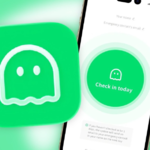
Why is 'Are You Dead Yet?' trending in China? Host: The big fear of the famous fictional singleton Bridget Jones was dying alone with no one discovering her body for weeks. And it seems she's far from being the only one to worry about this. A new bleak sounding app called Are You Dead Yet? is proving highly popular with young people in China, millions of whom live on their own far from their families. The concept is simple. Users check in every two days, clicking a large button to confirm that they're still alive. If they don't, it gets in touch with their emergency contact to warn them that something might be amiss. Our China correspondent Stephen McDonald told us more about the app. Stephen: It was released last year without much fanfare. And for some reason, in recent weeks, it's really taken off to the extent that it's the number one app being downloaded in the country. It's designed especially for people who are living by themselves, especially young people. Maybe they've had to move away from home for study, for work, or what have you. It's playing into this idea that, well, people are afraid of, sounds a bit bleak, but dying alone, that they're in this rented place living by themselves. They might die and that nobody would realise it. But like I say, it's absolutely exploded. And that's despite the fact that some are saying it is a pretty grim idea, isn't it? I mean, let's face it. Some people have suggested possibly a more uplifting title like I'm Still Here or I'm Alive or something like that, focusing on the positive rather than Are You Dead? But the reason they've chosen this is because of how it sounds in Chinese, and it's a play on words. There is this very popular app here, a food delivery app called "Elema". "Elema" means in Chinese, "Are you hungry?" Well, "Silema" means "Are you dead?". And so "Silema" sounds like "Elema", and that's why they've done it as a sort of catchy thing. And it's part of the reason that it's taken off. And so the people who've set this up, they have received these complaints or suggestions and said that we might consider it. 词汇表 trending [ˈtrendɪŋ] adj. 热门的,流行的,火爆的 fictional [ˈfɪkʃənl] adj. 虚构的,小说中的 singleton [ˈsɪŋɡltən] n. 单身人士,独身之人 Bridget Jones [ˈbrɪdʒɪt dʒəʊnz] 布里奇特・琼斯(英国小说及电影《BJ 单身日记》中的女主角) bleak [bliːk] adj. 阴郁的,凄凉的,无望的 emergency contact [iˈmɜːdʒənsi ˈkɒntækt] 紧急联系人 amiss [əˈmɪs] adj. 不对劲的,出差错的,不正常的 fanfare [ˈfænfeə(r)] n. 大张旗鼓的宣传,热议 take off 突然成功,迅速流行,开始走红 play into 迎合,顺应,利用(观点或说法) rented place [ˈrentɪd] 出租屋,租房 grim [ɡrɪm] adj. 令人沮丧的,阴森的,忧愁的 uplifting [ʌpˈlɪftɪŋ] adj. 令人振奋的,积极向上的,鼓舞人心的 play on words 双关语,谐音梗,文字游戏 catchy [ˈkætʃi] adj. (曲调、名字等)朗朗上口的,容易记住的 complaint [kəmˈpleɪnt] n. 投诉,抱怨 🌟翻译,pdf及更多文本内容见公众号【琐简英语】,回复"1"可加入【打卡交流群】

2分钟
2k+
5个月前
Do you really know|“蝴蝶效应”如何影响我们的生活?

Do you really know|“蝴蝶效应”如何影响我们的生活?

英音听力|BBC & 经济学人等

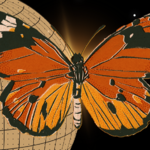
How does the butterfly effect affect our lives? The butterfly effect is the idea that a small change in one part of the world can have huge consequences in another. It is often used as a metaphor for how our actions can shape the future in unpredictable ways. Who came up with the term butterfly effect? The term was coined by American mathematician and meteorologist Edward Lorenz, who was studying the behaviour of weather systems. He discovered that even tiny variations in initial conditions of a weather model could lead to vastly different outcomes over time. He illustrated this with the example of a butterfly flapping its wings in Brazil and causing a tornado in Texas. What kind of systems exhibit the butterfly effect? The butterfly effect is part of chaos theory, which is a branch of mathematics that studies these complex systems and tries to understand their patterns and outcomes. Some examples of chaotic systems are the weather, which can change very quickly and unexpectedly, and it can affect many things such as agriculture, transportation, health and so on. Another example is the stock market, which is a chaotic system that depends on many factors such as supply and demand, news, emotions and so on. The stock market can fluctuate a lot and have a big impact on the economy and society. Other systems include the human brain and the solar system. What does the butterfly effect mean for us? The butterfly effect shows that the world is not deterministic, meaning that we cannot predict the future with certainty based on the present. There is always an element of randomness and uncertainty in the outcome of complex systems. This means that we have to be careful about the consequences of our actions as they may have unforeseen and far-reaching effects. Can you give some historical examples of the butterfly effect? Sure, here are some examples that changed the world forever. The assassination of Archduke Franz Ferdinand, which triggered the First World War. A Serbian nationalist shot the Archduke and his wife in Sarajevo after a series of coincidences and mistakes that put him in the right place at the right time. This event sparked a chain of alliances and conflicts that led to the outbreak of the war. The invention of penicillin revolutionised medicine and saved millions of lives. Alexander Fleming, a Scottish biologist, accidentally discovered the antibiotic properties of a mould that grew in his Petri dish. He noticed that the mould prevented the growth of bacteria around it and ultimately became the first widely used antibiotic in history. There you have it. 词汇表 butterfly effect [ˈbʌtəflaɪ ɪˈfekt] 蝴蝶效应(指微小变化可能引发巨大后果的现象) metaphor [ˈmetəfə(r)] n. 隐喻,暗喻,比喻 unpredictable [ˌʌnprɪˈdɪktəbl] adj. 不可预测的,难以预料的 coin [kɔɪn] vt. 创造,提出,首次使用(新词或表达) mathematician [ˌmæθəməˈtɪʃn] n. 数学家 meteorologist [ˌmiːtiəˈrɒlədʒɪst] n. 气象学家 variation [ˌveəriˈeɪʃn] n. 变化,变动,差别 vastly [ˈvɑːs(t)li] adv. 极大地,巨大地 flap its wings [flæp ɪts wɪŋz] 扇动翅膀 tornado [tɔːˈneɪdəʊ] n. 龙卷风,旋风 chaos theory [ˈkeɪɒs] 混沌理论(研究复杂系统不可预测性的数学分支) chaotic system [keɪˈɒtɪk] 混沌系统(对初始条件极度敏感的复杂系统) stock market [ˈstɒk] n. 股票市场,股市 fluctuate [ˈflʌktʃueɪt] vi. 波动,起伏不定 deterministic [dɪˌtɜːmɪˈnɪstɪk] adj. 确定性的,决定论的 randomness [ˈrændəmnəs] n. 随机性,随意性,偶然性 unforeseen [ˌʌnfɔːˈsiːn] adj. 未预见到的,意料之外的 far-reaching [ˌfɑːˈriːtʃɪŋ] adj. 影响深远的,波及广泛的 assassination [əˌsæsɪˈneɪʃn] n. 暗杀,行刺 Serbian nationalist [ˈsɜːbiən ˈnæʃənəlɪst] 塞尔维亚民族主义者 Sarajevo [ˌsærəˈjeɪvəʊ] n. 萨拉热窝(波黑首都) spark [spɑːk] vt. 引发,触发,导致 a chain of alliances [əˈlaɪənsɪz] 一系列联盟 outbreak [ˈaʊtbreɪk] n.(战争、疾病等的)爆发,突然发生 penicillin [ˌpenɪˈsɪlɪn] n. 青霉素,盘尼西林 revolutionise [ˌrevəˈluːʃənaɪz] vt. 彻底改变,使彻底变革 Scottish biologist [ˈskɒtɪʃ baɪˈɒlədʒɪst] 苏格兰生物学家 antibiotic properties [ˌæntibaɪˈɒtɪk ˈprɒpətiz] 抗菌特性,抗生素特性 mould [məʊld] n. 霉,霉菌 Petri dish [ˈpiːtri dɪʃ] n.(用于培养细菌等的) 培养皿 antibiotic [ˌæntibaɪˈɒtɪk] n. 抗生素,抗菌素 🪴翻译和pdf见公众号【琐简英语】,回复"1"可进入【打卡交流群】

2分钟
1k+
5个月前
BBC随身英语|为什么越来越多人开始从事副业?

BBC随身英语|为什么越来越多人开始从事副业?

英音听力|BBC & 经济学人等

Why are more people taking on a side hustle? Do you have a job? If you do, you'll know the world of work can be tough – long hours, tedious tasks and stress. But it can bring benefits too, such as a regular salary and, sometimes, job satisfaction. Maybe that's why more us are now taking on a side hustle – another name for a second job. For some having two jobs is a necessity – a way to make ends meet and provide extra income. But it now seems that more people want to put their skills and passions into practice to make money. These tend to be entrepreneurial young people who want to work on their own projects alongside their main source of income. According to Henley Business School, around one in four workers run at least one side hustle business, half of which were started in the past two years. Those aged 25 to 34 are most likely to be involved, with 37% thought to run a sideline of some kind. It calculates that the average side hustler makes about 20% of their income through their second job. But what's interesting is that many millennials are turning their hand to new jobs not just for money and security. Research has found that almost three-quarters of people are following a passion or exploring a new challenge. BBC News spoke to Becci Mai Ford, who works some of the time for a telecommunications company to pay the bills, but spends the rest of her time developing her craft company Ellbie Co. She says going full-time is "not financially worth it right now but it fuels my creative soul and makes me happy." Mobile apps have also aided the more commercially minded side hustler. Peer-to-peer firms such as Uber, Deliveroo, AirBnb and TaskRabbit allow users to do everything from odd jobs to renting out homes and parking spaces from their mobile phone. Of course having a side hustle means you are self-employed - or freelance - which can give you flexibility to work when you like, but it can be risky. You sometime work on a zero-hours contract and may not get offered enough work. Or what was originally your passion may become more of a chore. However, this could be the best way to try out a new career or follow a passion while not giving up the day job. 词汇表 tedious [ˈtiːdiəs] adj. 单调乏味的,冗长的 salary [ˈsæləri] n. 工资,薪水 take on 从事,担任,承担 side hustle [ˈhʌsl] n. (主业之外的)副业,兼职 make ends meet 使收支相抵,勉强维持生计 entrepreneurial [ˌɒntrəprəˈnɜːriəl] adj. 具有创业精神的,具有企业家精神的 sideline [ˈsaɪdlaɪn] n. 副业,兼职 millennial [mɪˈleniəl] n. 千禧一代(1981年至1996年出生的人) turn one's hand to 着手做,尝试做,从事(与平时不同的活动或工作) telecommunication [ˌtelikəˌmjuːnɪˈkeɪʃn] n. 电信,远程通信 go full-time 转为全职工作 fuel one's creative soul [ˈfjuːəl] 滋养创作灵魂,激发创作灵感 commercially minded [kəˈmɜːʃəli ˈmaɪndɪd] 有商业头脑的,具商业意识的 side hustler [ˈhʌslə(r)] 兼职创业者,副业从业者 peer-to-peer firm [ˌpɪə tə ˈpɪə] 点对点公司(促进个体之间直接交易或交互的公司) odd jobs 零工,杂活 rent out homes 出租房屋 self-employed [ˌself ɪmˈplɔɪd] adj. 自雇的,个体经营的 freelance [ˈfriːlɑːns] adj./n. 自由职业的;自由职业者 flexibility [ˌfleksəˈbɪləti] n. 灵活性,弹性 zero-hours contract [ˈkɒntrækt] 零工时合同(不保证固定工时的用工合同) chore [tʃɔː(r)] n. 日常琐事,杂务,苦差事 day job 正职,本职工作,日常工作 📖 翻译、pdf见公众号【琐简英语】,回复"1"可进【打卡交流群】

2分钟
2k+
5个月前
Do you really know|无聊,为何是生活的必需品?

Do you really know|无聊,为何是生活的必需品?

英音听力|BBC & 经济学人等

Why do we need to get bored in our lives? In this day and age, we barely have time to be bored. What with the endless stream of notifications coming from our smartphones, music, TV shows, games, work, and social media all demanding our attention around the clock, our brains have become addicted to constant stimulation. And as a result, doing nothing has become almost unbearable. Why do we so hate being bored? Before smartphones had become as advanced and ubiquitous as they are these days, science had already shown that we're generally not very good at doing nothing. A 2014 study from the University of Virginia saw researchers lock volunteers alone in a room for 15 minutes with no distractions. The only thing they could do was press a button that gave them a mild electric shock. Two-thirds of the male participants and one-quarter of the female participants actually chose to shock themselves rather than sit alone with their thoughts. That may be because our brains switch to something called the default mode network when we get bored, which makes us think about things that make us feel uncomfortable, like existential questions. If it's so unpleasant then, why should we let ourselves get bored? First of all, boredom makes the brain more efficient. These empty moments allow it to sort information, organise memories and build long-term recollections. Boredom can also push us to innovate, stepping outside our comfort zones, and that's backed up by a number of scientific studies. In 2019, psychologists Shane Bench and Heather Lynch suggested that boredom actually serves a function in human evolution, driving us to move, to seek improvement, to look for something better. In 2014, British researchers Sandy Mann and Rebecca Cadman explained that the brain needs emptiness, a space without specific goals, in order to wander freely. During these pauses it starts to seek novelty, forming new ideas and connections. What's the right way of getting bored then? Well, not by scrolling on our phones for one thing. Talking to the BBC in 2017, Sandy Mann suggested scheduling daydreaming time or doing activities like swimming, where the mind is able to wander without electronic distractions. And while the kind of existential questions that come up when we get bored might make us uncomfortable, there's an argument that they're still incredibly important to spend time thinking about. Writing in the Harvard Business Review in August 2025 under the title, You Need to Be Bored, Here's Why, Professor Arthur C. Brooks suggested this could help people find meaning in their lives, thereby reducing the risk of depression and anxiety. Brooks recommends regular phone-free periods of 15 minutes or more, as well as device-free mealtimes at home. There you have it. 词汇表 endless stream of 源源不断的,持续不断的 notification [ˌnəʊtɪfɪˈkeɪʃn] n.(社交媒体等的)通知消息,提示 around the clock 全天候地,昼夜不停地 constant stimulation [ˈkɒnstənt ˌstɪmjʊˈleɪʃn] 持续的刺激 ubiquitous [juːˈbɪkwɪtəs] adj. 无处不在的,普遍存在的 mild electric shock 轻微电击 shock [ʃɒk] vt. 使触电,使受电击 default mode network [dɪˈfɔːlt məʊd ˈnetwɜːk] 默认模式网络(大脑在休息时活跃的神经网络) existential [ˌeɡzɪˈstenʃl] adj. 存在主义的,关于存在的 recollection [ˌrekəˈlekʃn] n. 回忆,记忆,往事 be backed up by 得到…的支持/证实 emptiness [ˈemptinəs] n. 空白,空虚;无意义 wander [ˈwɒndə(r)] vi. 漫游,走神,思绪游离 novelty [ˈnɒvəlti] n. 新奇事物;新奇感 scroll [skrəʊl] vi. (在屏幕上)滚动,滑动浏览,刷 daydreaming [ˈdeɪdriːmɪŋ] n. 做白日梦,空想 phone-free periods 无手机时段 device-free mealtimes 无电子设备的用餐时间 🪴翻译和pdf见公众号【琐简英语】,回复"1"可进入【打卡交流群】

3分钟
2k+
5个月前
BBC六分钟英语|社交媒体“死”了吗?

BBC六分钟英语|社交媒体“死”了吗?

英音听力|BBC & 经济学人等

Is social media dead? Neil Hello, this is 6 Minute English from BBC Learning English. I'm Neil. Pippa And I'm Pippa. Whatever you think of social media, in less than a generation it has changed the internet. Facebook, Twitter, now known as X, and in the early days MySpace used to be places to post messages to friends or share photos of your breakfast. But with the rise of AI, the fun of connecting with friends changed into something much stranger, as Tristan and Asma, presenters of BBC World Service programme The Global Story, found out. Tristan Redman Oh... What is this? Asma Khalid I think it's a man who's supposed to look like Jesus... Tristan Redman It's a man who looks a bit like... Asma Khalid ...who also looks like his dog. Tristan Redman He's been AI-ed, right? Asma Khalid Has to be AI-ed. Tristan Redman He's holding his dog and his face looks like his dog, so he's half Jesus, half dog. Neil A half-dog, half-Jesus photo is generated by AI and posted online. It's an example of how the use of AI in social media has evolved so much that today it's hard to know what's created by humans and what's not. Pippa In this episode, we'll discuss how social media is changing in the age of AI and, as usual, we'll learn some useful new words and phrases. Neil But first, I have a question for you, Pippa. You mentioned MySpace as one of the earliest social media platforms, but the first electronic message was actually sent much earlier, in 1844, using a series of dots and dashes tapped out by hand on a telegraph wire. So, what was this new form of communication called? Was it: a) semaphore, b) dial-up, or c) Morse code? Pippa I think Morse code. Neil OK. We'll find out the answer later. The introduction of AI has turned some users away from social media. Indeed, a recent report found that social media activity peaked in 2022 and has been going down ever since. Millennial and digital native Kyle Chayka is a writer specialising in social media. He spoke about the problem to Tristan Redmond for BBC World Service programme The Global Story. Tristan Redman OK. Kyle, was there a moment for you when you felt like social media changed? Kyle Chayka Oh man! I mean... In 2015/2016, I think, in the United States, when Twitter became the hub of election discourse, it kind of shattered the illusion that the internet was a space you could go to, just like, have fun and express yourself and find cool friends and discuss the latest cultural happenings. Neil Kyle uses the informal expression, "Oh man!"– an exclamation showing excitement or enthusiasm. He remembers the internet in 2016, when Twitter was full of angry political debate about the US elections. For Kyle, this shattered the illusion that the internet was fun. If something shatters your illusions, it destroys a false belief you hold, making you realise an unpleasant truth. Pippa Kyle thinks social media was friendlier before – an online space to make friends, have fun and discuss the latest cultural happenings. A cultural happening is an event that embodies the values and interests of a particular group at a particular time in history. For example, the hit television show Game of Thrones was a cultural happening for millennials in the 2010s. Neil So, what's the future of social media? Will the amount of AI-generated content continue to grow? Here's Kyle Chayka again, sharing his thoughts with BBC World Service's The Global Story: Kyle Chayka We see the large social networks and the tech behemoths leaning into generated content, and I think users don't actually want that. I think it's a novelty for now and people will drift away from it. So instead, I see people gravitating towards smaller online spaces, connecting more closely with individual voices, like creator types, and just posting less in general. Pippa Kyle thinks the tech behemoths, meaning large and powerful companies, will continue pushing AI. However, many people want content which is more personal and meaningful. They think AI is a novelty – something which is new and unusual and therefore exciting, but which probably won't last. Neil Instead, Kyle thinks people will gravitate towards smaller online communities. If you gravitate towards something, you are naturally drawn or attracted to it. Pippa Social media has changed fast and is still in motion. It's come a long way from the first electronic messages of 1844 which you mentioned in your question, Neil. So, did I get the correct answer? Neil I asked what this new form of communication was, and you said that it was c) Morse code. And that, Pippa, is the correct answer. OK. Let's recap the vocabulary we've learned, starting with the exclamation, "Oh man!" used to show excitement or enthusiasm. Pippa To shatter an illusion is to destroy someone's misconceptions, causing them to realise an unpleasant reality. 📝 字数限制,完整文本、词汇表、翻译及pdf见公众号【琐简英语】,回复1可加入【打卡交流群】

5分钟
1k+
5个月前
BBC随身英语|室内植物对人与环境有益吗?

BBC随身英语|室内植物对人与环境有益吗?

英音听力|BBC & 经济学人等

Are houseplants good for us and the environment? There's no place like home. It's the place where we're surrounded by our possessions and creature comforts. We purchase things to give our homes a personal touch and create a certain ambience. And one thing we're buying more of is houseplants. But are these 'living' additions to our homes good for us and the environment? Houseplants, also known as pot plants, have Instagram-friendly appeal; add a natural touch and they have the ability to brighten up a room on a budget. The Royal Horticultural Society found that nearly 72% of adults in the UK had a houseplant in their home, with this figure rising to 80% of 16-24 year olds. A fifth of owners also said they use plants in the home to boost their health and well-being. And average sales last year were up on the previous year. It seems millennials are driving the growth in the sales of houseplants. According to research by The Economist, more young people are living in flats without a garden. 24 year-old Daisy Hale told the BBC "being able to care for something but not having too much commitment - I guess that's a classic millennial line - is ideal for my lifestyle." From hanging baskets, to cacti and succulent ferns, the choice of vegetation is endless. They are easy to care for, and there have been unproven claims that they improve the air quality in our home. But whatever their benefits, there are now concerns that they might not be so good for the environment. Some are bought online and shipped from overseas. Fay Kenworthy, co-founder of PlantSwap, a community initiative that encourages people to trade plants locally, told the BBC "this could rack up 'plant miles'". But botanist and BBC presenter James Wong argues that home delivery has less of an environmental impact than multiple trips to the garden centre in a car. Although he's not too concerned about the environmental impact, others are worried about the plastic pots they are in and the type of peat that some of them are grown in. However, a sustainable approach to buying them may be the best way forward if we want to introduce some natural greenery into our homes. 词汇表 creature comforts [ˈkriːtʃə(r) ˈkʌmfəts] 物质享受,舒适的生活设施 personal touch 个人风格,个性化色彩 ambience [ˈæmbiəns] n. 气氛,情调,环境氛围 houseplant [ˈhaʊsplɑːnt] n. 室内植物,盆栽植物 pot plant [ˈpɒt] 盆栽植物 natural touch 自然气息,自然之美 brighten up [ˈbraɪtn] (通过装饰或设计等)点缀,增色,使焕发生机 on a budget [ˈbʌdʒɪt] 经济实惠地,在预算有限的情况下 Royal Horticultural Society [ˈrɔɪəl ˌhɔːtɪˈkʌltʃərəl] 英国皇家园艺学会 millennial [mɪˈleniəl] n. 千禧一代(约1981–1996年出生的人) commitment [kəˈmɪtmənt] n. 承诺,投入,责任 hanging basket [ˈhæŋɪŋ ˈbɑːskɪt] 悬挂花篮,吊篮 cacti [ˈkæktaɪ] n. 仙人掌(cactus ['kæktəs] 的复数) succulent fern [ˈsʌkjələnt fɜːn] 多肉蕨类植物 vegetation [ˌvedʒəˈteɪʃn] n. 植物,植被 unproven claim [ˌʌnˈpruːvn kleɪm] 未经证实的说法/主张 rack up [ræk] 提高,增加(费用、里程等) plant miles 植物里程(指植物从产地运输到消费者手中经过的距离) botanist [ˈbɒtənɪst] n. 植物学家 home delivery [dɪˈlɪvəri] 送货上门,送货到家 garden centre 园艺中心,花卉商店 peat [piːt] n. 泥炭,泥煤 greenery [ˈɡriːnəri] n. 绿色植物;绿意,生机 📖 翻译、pdf见公众号【琐简英语】,回复"1"可进【打卡交流群】

2分钟
2k+
5个月前
Do you really know|如何提高在家办公的效率?

Do you really know|如何提高在家办公的效率?

英音听力|BBC & 经济学人等

How can I work better from home? Remote work was thrust upon many companies as soon as the COVID-19 pandemic hit. Some struggled to be as efficient as in the office, a source of frustration for employee and manager alike. Can't I just work in the same way as in the office? Before diving in headfirst, it's better to ask yourself how you function, and whether there are things you dislike about working in the office that you could change at home. That will help you to make choices based on what suits you best. In short, be conscious of the differences between the two environments and establish your own rules. For example, agree with your partner or flatmate that you won't discuss work before breakfast or after the end of the working day. Transition rituals can help. That means transitioning from a home atmosphere to a work atmosphere. If it's your dream to be in lounge wear all day, wearing joggers and a sweatshirt, then go for it. But if it makes you feel guilty and a bit lousy, then dress up as if you were going to the office. There are plenty of other options too, like lighting a candle when you start working and blowing it out when you're done, or using a specific mug during working hours. Isn't it difficult to get started when you're all alone? It can be, but setting yourself a fixed schedule of working hours may help, as we tend to work better with a predefined time limit. If you have trouble sticking to it, plan another activity afterwards like a workout session or meet up with friends. That way you'll have no choice but to finish work at a certain time. If you're not a morning person, try micro-progress. The technique involves breaking a task down. For example, write a report could consist of a number of micro-tasks like opening the document, naming it, writing a sentence, and so on. The brain responds to those micro-satisfactions and becomes more easily engaged. You should also organise your tasks according to when you're most productive. If you're a morning person, schedule cognitively demanding tasks in the morning, such as writing, and more automatic and administrative tasks in the afternoon, or vice versa if you're more of an afternoon person. What's the best space to use for remote work? You'll want to define a dedicated space, preferably with good lighting. If that's a challenge, you could go to a cafe or the library instead. Try to avoid using the couch or your bed. Even if you work at the kitchen table, you can establish a symbolic ritual. When you finish working, remove everything work-related from the table and put on a tablecloth in preparation for dinner. Make sure you take real breaks too, including a proper lunch break away from your laptop screen. It's important to take time to stop thinking about work, so your brain can reset. Cooking is very meditative, even if it's only for 15 minutes. 词汇表 remote work 远程办公 thrust upon [θrʌst] 强加于,仓促推行 pandemic [pænˈdemɪk] n. 大流行病,疫情 dive in headfirst [daɪv ɪn ˈhedfɜːst] 一头扎进,贸然开始 flatmate [ˈflætmеɪt] n. 室友,合租者 transition ritual [ˈrɪtʃuəl] 过渡仪式,转换习惯 lounge wear [laʊndʒ] n. 家居服,休闲服 jogger [ˈdʒɒɡə(r)] n. 慢跑裤,运动裤;慢跑者 sweatshirt [ˈswetʃɜːt] n. 运动衫,卫衣 lousy [ˈlaʊzi] adj. 糟糕的,差劲的,不舒服的 dress up 打扮,盛装,穿着正装 mug [mʌɡ] n. 马克杯,大杯子 fixed schedule [fɪkst ˈʃedjuːl] 固定日程,固定时间表 predefined time limit [ˌpriːdɪˈfaɪnd] 预设时限 meet up with 与…碰面,与…见面 micro-progress [ˈmaɪkrəʊ ˈprəʊɡres] n. 微进度 micro-task [ˈmaɪkrəʊ tɑːsk] n. 微任务 micro-satisfaction [ˈmaɪkrəʊ ˌsætɪsˈfækʃn] n. 微小的满足感 cognitively demanding [ˈkɒɡnətɪvli dɪˈmɑːndɪŋ] 认知要求高的,需要动脑筋的 automatic [ˌɔːtəˈmætɪk] adj. 流程化的,机械性的,不经思考的 administrative [ədˈmɪnɪstrətɪv] adj. 行政的,管理的 vice versa [ˌvaɪsə ˈvɜːsə] adv. 反之亦然 dedicated space [ˈdedɪkeɪtɪd] 专门区域,专属空间 preferably [ˈprefrəbli] adv. 最好,更可取地 tablecloth [ˈteɪblklɒθ] n. 桌布,台布 reset [ˌriːˈset] vt. 重置,重启,使恢复状态 meditative [ˈmedɪtətɪv] adj. 静心的,冥想的 🪴翻译和pdf见公众号【琐简英语】,回复"1"可进入【打卡交流群】

2分钟
2k+
5个月前

加入我们的 Discord

与播客爱好者一起交流

立即加入

扫描微信二维码

添加微信好友,获取更多播客资讯

微信二维码

播放列表

自动播放下一个

播放列表还是空的

去找些喜欢的节目添加进来吧