英音听力|BBC & 经济学人等 - 节目列表

BBC随身英语|圣诞礼物有哪些新思路?

BBC随身英语|圣诞礼物有哪些新思路?

英音听力|BBC & 经济学人等

Christmas gift alternatives It's that time of year when many of us spend money buying gifts for family and friends. We spend hours, even days, searching the shops and websites trying to find the right present for someone - a pair of socks, perfume, a new gadget – only to find the recipient already has it or they've been given it already. Or worse, they just don't like it, which makes me think, "Are we wasting our time and money?" There is so much stuff in the world already and so much waste that maybe when it comes to Christmas giving, we need to think outside the box – use our imagination and be more creative with our generosity. This is particularly true for children, who tend to receive mountains of toys some of which end up not even being looked at. One idea is to implement a 'one-gift' rule so that children don't grow up spoiled. Getting too many gifts can also send out the wrong message. Speaking to BBC online, clinical psychologist Linda Blair says, "When we are given a lot, we expect to receive a lot… even if it's only at Christmas and on birthdays, it will impact on children's attitudes." She also suggests, "If you want to give a gift, give your time". She makes a good point - for children and adults alike, when it comes to giving, think about offering something other than a material object that may get forgotten, discarded or re-gifted. Buying an experience is one alternative - a chance for someone to try something out and do something different. It will cost you money, but for the recipient, it could be an opportunity to try something they could not normally afford or would not have thought about doing. It would therefore be memorable and, hopefully, much appreciated. Another practical gift could be to buy someone lessons, giving them a chance to learn new skills such as horse riding or learning English. And there are what are called 'favours' – money-can't-buy offerings to do jobs for someone like babysitting, cleaning or giving someone a massage. And there is always the fallback of giving vouchers to spend in a shop. Of course, if you can't think of an original way to give a gift, the alternative is to not buy anything at all. You may be accused of being a 'Scrooge' but at least you're not wasting money on pointless gifts and you could give the money to charity instead – a more worthy cause. But if this year, you receive a present that's not to your liking don't be ungrateful and remember the age-old saying that 'it's the thought that counts'. 词汇表 alternative [ɔːlˈtɜːnətɪv] n. 可供选择的事物,替代方案 perfume [ˈpɜːfjuːm] n. 香水;香味 gadget [ˈɡædʒɪt] n. 小器具,小玩意儿 recipient [rɪˈsɪpiənt] n. 接收者,收礼人 think outside the box 跳出传统思维,打破常规思考 spoil [spɔɪl] vt. 宠坏,溺爱 material object 实物,物质的东西 discard [dɪsˈkɑːd] vt. 丢弃,抛弃 re-gift [ˌriːˈɡɪft] vt. (把收到的礼物)转赠,转送 memorable [ˈmemərəbl] adj. 值得纪念的,难忘的 favour [ˈfeɪvə(r)] n. 帮忙,恩惠,善意行为 money-can't-buy offering 金钱买不到的服务/馈赠 babysit [ˈbeɪbisɪt] v. 临时照看小孩,当保姆 massage [ˈmæsɑːʒ] n. 按摩,推拿 fallback [ˈfɔːlbæk] n. 退路,备选方案 voucher [ˈvaʊtʃə(r)] n. 优惠券,代金券 original [əˈrɪdʒənl] adj. 新颖的,独创的,有创意的 scrooge [skruːdʒ] n. 吝啬鬼,小气鬼,守财奴 pointless [ˈpɔɪntləs] adj. 无意义的,空洞的 worthy cause 有价值的事情,崇高的事业 ungrateful [ʌnˈɡreɪtfl] adj. 不领情的,不感激的 age-old [ˈeɪdʒ əʊld] adj. 古老的,由来已久的 it's the thought that counts 礼轻情意重,心意最重要 📖 翻译、pdf见公众号【琐简英语】,回复"1"可进【打卡交流群】

2分钟
2k+
5个月前
Do you really know|如何提高工作时的专注力?

Do you really know|如何提高工作时的专注力?

英音听力|BBC & 经济学人等

How can I improve my concentration at work? No matter how prepared you are heading into a normal day at the office, spending hours at your desk can get mundane and boring. Before you know it, your mind's wandering and you've lost focus. According to a study published by Economist Intelligence Unit in October 2020, a third of working time is lost to distractions. That's equivalent to a whopping 581 active hours per employee per year. But actually it doesn't take much to get that concentration back and make some progress on your to-do list. What are some tips for refocusing? The first is not to skimp on breaks. If you feel like your brain is overloaded or you're floundering on a task, stop. It's better to unplug and preferably away from a computer or smartphone screen. Get some fresh air, go have a coffee and talk to your colleagues instead. Contrary to popular belief, the brain is far from inactive during a break. It actually classifies and consolidates information during that time. So rest isn't idleness, nor is it a lost opportunity for productivity. Do you have to focus on one task at a time to be more efficient? Indeed, the second tip is to avoid multitasking or keep it to the bare minimum. Our brains are not actually designed to manage several things simultaneously. At best, they can juggle two tasks. That's because the cerebral cortex can be divided into two, but not three or more. So it's time to say goodbye to multitasking. Rearranging your work environment may also help. It's been proven that surrounding yourself with green plants in the office can reduce headaches by 19% and fatigue by 30%. Furthermore, studies have shown that the productivity and well-being of employees in plant-decorated offices were significantly higher than those of workers in empty offices. What about your internal environment? To feel zen and focused, you also have to know how to make room for yourself. Harvard University advises focusing on mindfulness and meditation exercises to boost concentration. This helps to refocus the brain on the present moment, so that concentration is stronger on a daily basis. One simple mindfulness exercise goes as follows. Take a few minutes each day, close your eyes and focus on your breathing, body and surroundings. If you turn these simple tips and advice into habits over time, you may be surprised at how focused you can become. There you have it. 词汇表 mundane [mʌnˈdeɪn] adj. 单调的,平凡的 wander [ˈwɒndə(r)] vi. (思绪)游离,走神,开小差 be equivalent to [ɪˈkwɪvələnt] 等同于,相当于 whopping [ˈwɒpɪŋ] adj. 巨大的,庞大的,惊人的 refocus [ˌriːˈfəʊkəs] v. 重新聚焦,重新集中注意力 skimp on [skɪmp] 吝啬,节省,舍不得(时间、金钱等) overloaded [ˌəʊvəˈləʊdɪd] adj. 超负荷的,负担过重的 flounder [ˈflaʊndə(r)] vi. 毫无头绪,不知所措,陷入困境 unplug [ˌʌnˈplʌɡ] v. 放下手头工作;拔掉电源;脱离电子设备 preferably [ˈprefrəblɪ] adv. 可能的话,更可取地,最好 inactive [ɪnˈæktɪv] adj. 不活跃的,闲置的,未使用的 idleness [ˈaɪdlnəs] n. 虚度光阴,无所事事,懒惰 multitasking [ˌmʌltiˈtɑːskɪŋ] n. 多任务处理,一心多用 bare minimum [beə(r) ˈmɪnɪməm] 最低限度,最基本要求 simultaneously [ˌsɪmlˈteɪniəsli] adv. 同时地 juggle [ˈdʒʌɡl] vt. 兼顾,同时应付(多项事务) cerebral cortex [ˌserəbrəl ˈkɔːteks] 大脑皮层 rearrange [ˌriːəˈreɪndʒ] vt. 重新布置,重新整理 plant-decorated [plɑːnt ˈdekəreɪtɪd] adj. 有植物装点的,绿植装饰的 zen [zen] adj. 平和的,超然的,禅意的 mindfulness [ˈmaɪndfʊlnəs] n. 正念,专注当下 meditation [ˌmedɪˈteɪʃn] n. 冥想,默想,沉思 🪴翻译和pdf见公众号【琐简英语】,回复"1"可进入【打卡交流群】

2分钟
3k+
5个月前
BBC六分钟英语|如何适应新的饮食文化?

BBC六分钟英语|如何适应新的饮食文化?

英音听力|BBC & 经济学人等

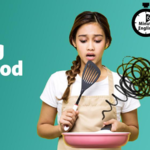
Learning a new food culture Neil Hello. This is 6 Minute English from BBC Learning English. I'm Neil. Beth And I'm Beth. Neil Every country has its own favourite foods. So, when people leave home and move to a different country, getting used to the new food there can be a surprise. Beth Food can have strange-sounding names. If you know what a toad is, it's an animal, very similar to a frog, you might be surprised to hear that a famous English meal is 'toad-in-the-hole'. Don't worry though, it's made with sausages, not toads! Neil In this programme, we're exploring people's first impressions of a new culture through its food. We'll be hearing how two women, one a refugee, the other a dietitian, adapted to the food of their new home. And, as usual, we'll be learning some useful new vocabulary too. Beth But first, I have a question for you, Neil. A British summer wouldn't be complete without a traditional 'cream tea' – scones, cream, and jam, eaten with a cup of tea. It sounds lovely, but strangely there have been many arguments over cream teas. So, is the cream tea debate about: a) whether to drink tea or coffee? b) whether to put cream or jam onto the scone first? or, c) whether strawberry or raspberry jam is better? Neil Well, I think the controversy is whether to add cream or jam first. Beth OK, Neil. I'll reveal the correct answer later in the programme. Natalia Tkachenko arrived in the Netherlands after leaving her home in Ukraine, following the Russian invasion. She moved in with Weronika Groszewska, who's originally from Poland, and her family, starting them on a journey to open their own restaurant, Natalia's Kitchen. Here's Natalia talking with BBC World Service programme, 'The Food Chain': Natalia Tkachenko Of course, at first it felt like I am well out of, what they call, my comfort zone. When you stay in a certain environment you get used to it, but when you move to another country where you live and work, you experience difficulties, and you have to adapt to get used to local foods. Here, they don't have some of the staples we had in Ukraine, ingredients are different, and so you start working with local foods, find replacements, cook with what you have. Neil At first, Natalia felt out of her comfort zone, a familiar situation in which someone feels secure and in control. She had to adapt to her new life in the Netherlands, she had to change in order to succeed in her new situation. Beth Some of the staple ingredients Natalia used in Ukraine weren't available in the Netherlands. A staple is a basic and important type of food that is regularly eaten by a large portion of the population. So, Natalia adapted her recipes, replacing Ukrainian with Dutch ingredients to create a new kind of cooking which her customers loved. Neil Our second story involves Rachel Winter-Roach, who left her home in England to work on the sunny island of Tobago, in the southern Caribbean. Here, Rachel explains some of the food challenges she faced to BBC World Service programme, 'The Food Chain': Rachel Winter-Roach When I came out to the Caribbean, I was really in for a shock when it came to flavouring and seasoning food, and seasoning is really, really an integral part of food preparation here. Here, the seasoning is multiple, multiple layers. It took me a while to get used to it because everybody has their own way of seasoning and their own little tweaks, and there are no quantities, so it really takes a lot of practice, a lot of trial and error, and I think my family did not always appreciate the errors in the trials. Beth When Rachel moved to Tobago, she was in for a shock. The phrase to be in for a shock means to be sure of experiencing a surprising or unpleasant situation. In Rachel's case, the surprise involved seasoning - the salt, herbs and spices added to food to enhance the flavour. Neil In the Caribbean, seasoning is a big deal. Everyone has their own seasoning recipe, including little tweaks, or small adjustments, which they have added themselves. It took time for Rachel to develop her seasoning skills, mainly through trial and error - a way of solving problems by trying a number of different methods and learning from the mistakes you make along the way. Beth Whether you're fleeing war, starting a new job, or enjoying a cream tea, it seems there's lots to learn about a place from its food, including Britain. So, I think it's time to reveal the answer to my question, Neil. Why is the traditional British cream tea controversial? Neil Well, I guessed it was because people disagree about whether cream or jam should go on the scone first. Beth Which was the correct answer. And anyone who says it's jam first is just wrong! 📝 字数限制,完整文本、词汇表、翻译及pdf见公众号【琐简英语】,回复1可加入【打卡交流群】

5分钟
2k+
5个月前
BBC随身英语|祖先的睡眠智慧能给我们什么启示?

BBC随身英语|祖先的睡眠智慧能给我们什么启示?

英音听力|BBC & 经济学人等

What can our ancestors teach us about sleep? We've all heard advice about good sleep hygiene. No phones or caffeine before bed, and make sure that we get a good eight hours' rest. But is this the best sleep pattern, or have we just been led to it by modern life? Artificial light in our houses and streets means that we no longer have to go to bed at sundown. Having a job to go to at a set time in the morning can be the main determining factor on when we decide to rouse ourselves. In past centuries, the time of sunset and sunrise had a much bigger impact on people's days. Historical studies have shown that in many parts of the world it was common for people to sleep in two sections, from dusk until around 11 and then from one in the morning until sunrise. This segmented or biphasal sleep pattern is referred to as far back in history as ancient Greece. So, if modern sleep patterns are in some part due to modern lifestyles and technologies, could segmented sleep patterns be more natural? Some studies suggest that they are. The circadian rhythms that determine when we start to feel drowsy are greatly affected by light. Study participants subjected to 14 hours of complete darkness a day started to develop a biphasal sleeping pattern. As recently as 2017, similar patterns have also been seen in some communities in rural Madagascar that do not have access to electric light. They may be more natural, but are these sleeping patterns healthier? Experts caution that the small number of studies carried out means that the risks and benefits of segmented sleeping are not well understood. Nevertheless, some people have found it to be a useful way to find time to be creative. Psychologist Gregg Jacobs suggests that the period of time that people used to spend awake in past centuries could have been used to regulate stress. Other experts remind us that many people find that they wake in the night, and then get anxious at not being able to get back to sleep, which in itself exacerbates any sleeplessness. Making use of the awake time to do something restful could help people improve their sleep. If you do want to try it, sleep researcher Mary Carskadon reminds us that we should stay away from bright lights to avoid disturbing our circadian rhythms. You also might want to check that it won't disturb your work and social life too much. 词汇表 sleep hygiene [ˈhaɪdʒiːn] 睡眠卫生,睡眠健康(指有助于良好睡眠的习惯与环境) caffeine [ˈkæfiːn] n. 咖啡因 sundown [ˈsʌndaʊn] n. 日落,黄昏 at a set time 在固定时间,按时 determining factor [dɪˈtɜːmɪnɪŋ] 决定性因素 rouse [raʊz] vt. 唤醒,叫醒,使醒来 segmented sleep pattern [ˈseɡmentɪd] 分段睡眠模式(黄昏睡到大约晚上11点,然后从凌晨1点睡到日出) biphasal sleep pattern [ˌbaɪˈfeɪzl] 双相睡眠模式,双段睡眠模式 circadian rhythm [sɜːˈkeɪdiən ˈrɪðəm] 昼夜节律(人体受光照等自然环境影响的24小时生理周期) drowsy [ˈdraʊzi] adj. 困倦的,昏昏欲睡的 be subjected to [səbˈdʒektɪd] 遭受,经历,被置于…之下 rural Madagascar [ˈrʊərəl ˌmædəˈɡæskə(r)] 马达加斯加农村地区 caution [ˈkɔːʃn] vt. 警告,告诫,提醒 exacerbate [ɪɡˈzæsəbeɪt] vt. 加剧,恶化,加重 sleeplessness [ˈsliːpləsnəs] n. 失眠,缺乏睡眠 restful [ˈrestfl] adj. 令人放松的,有助于休息的 📖 翻译、pdf见公众号【琐简英语】,回复"1"可进【打卡交流群】

2分钟
2k+
6个月前
Do you really know|怀旧情绪对我们是好是坏?

Do you really know|怀旧情绪对我们是好是坏?

英音听力|BBC & 经济学人等

Is nostalgia good or bad for us? Have you ever noticed how revisiting films from your childhood, listening to old tunes, or flipping through cherished books can bring on a certain sense of solace? The reality is your past is intricately woven into your present. It shapes who you are and influences the person you go on to become. With its comforting embrace of fond memories, nostalgia seems to breathe new life into past moments, often giving us a boost when we really need it. What actually happens in our brains when we get nostalgic then? Well, back in 2015, researchers from Tokyo Metropolitan University decided to peek into this phenomenon using functional MRI scans. Their findings revealed that viewing images associated with the past triggers activity in our memory and reward circuits, possibly linked to the release of pleasure hormone dopamine. And surprisingly, nostalgia can even act as a natural painkiller. That's according to a study conducted by psychologists and neuroscientists at the Chinese Academy of Sciences in Beijing, the findings of which were published in the Journal of Neuroscience in 2022. The study found that reminiscing about the past may help alleviate certain everyday forms of pain, like a headache. Is nostalgia always good for us then? Medicalnewstoday.com says that nostalgia can also bring on negative emotions at times. While nostalgic depression is not an officially recognized mental health condition, the term is used to describe the elements of sadness people feel when missing parts of their past. For example, we might perceive our past as having been happier than our present is. What's intriguing is that while nostalgic memories are soothing, they tend to be rose-tinted and thus aren't always accurate representations of the past. Christine Bacho is a psychology professor at Le Moyne College in the United States. Talking to National Geographic for a feature on nostalgia in July 2023, she explained that having memories that are better than the actual events serves an evolutionary purpose. Dwelling excessively on the past can actually turn the experience sour and hinder our ability to live in the present. I'm sure at some point you've heard someone being told to stop living in the past, or maybe someone's even said that to you. That suggestion really means focusing more on creating new memories rather than clinging so tightly to past ones. The negative effects of nostalgic depression can include self-deprecation, intense anxiety, a disdain for life, changes in appetite or weight, social withdrawal, sleep disturbances, a loss of motivation and dark thoughts. Medical News Today recommends trying to remember a more realistic view of the past to keep things in perspective, practicing mindfulness and building human relationships in order to combat nostalgic depression. There you have it. 词汇表 revisit [ˌriːˈvɪzɪt] 重访,重游,重温 old tunes [tjuːnz] 老歌,旧曲 flip through [flɪp] 快速翻阅,浏览 cherished [ˈtʃerɪʃt] adj. 珍爱的,珍藏的 solace [ˈsɒləs] n. 慰藉,安慰,抚慰 be intricately woven into [ˈɪntrɪkətli ˈwəʊvn] 与…紧密相连,与…紧密交织 fond memory 美好回忆 nostalgia [nɒˈstældʒə] n. 怀旧,念旧;思乡 give someone a boost [ə buːst] 给某人助力,提振某人的精神 get nostalgic [nɒˈstældʒɪk] 陷入怀旧情绪,开始怀念过去 Tokyo Metropolitan University [ˈtəʊkɪəʊ ˌmetrəˈpɒlɪtən] 东京都立大学 functional MRI scans 功能性核磁共振成像扫描(常用于研究大脑的活动模式) reward circuit [ˈsɜːkɪt] (大脑)奖赏回路 pleasure hormone dopamine [ˈhɔːməʊn ˈdəʊpəmiːn] 愉悦激素多巴胺 painkiller [ˈpeɪnkɪlə(r)] n. 止痛药 neuroscientist [ˌnjʊərəʊˈsaɪəntɪst] n. 神经科学家 reminisce about [ˌremɪˈnɪs] 回忆,追忆,缅怀 alleviate [əˈliːvieɪt] vt. 减轻,缓解 nostalgic depression [nɒˈstældʒɪk dɪˈpreʃn] 怀旧型抑郁(因怀念过去时光引发的消极情绪) intriguing [ɪnˈtriːɡɪŋ] adj. 非常有趣的,引人入胜的 soothing [ˈsuːðɪŋ] adj. 安慰的,慰藉的,使人平静的 rose-tinted [rəʊz ˈtɪntɪd] adj. 带有玫瑰色滤镜的,过于乐观的 National Geographic [dʒiˈæɡrəfɪk] 《国家地理》(杂志名) dwell on the past [dwel] 沉溺于过去,纠结于过去 sour [ˈsaʊə(r)] vt. 使变得不愉快,使变味 hinder [ˈhɪndə(r)] vt. 阻碍,妨碍 cling tightly to [klɪŋ] 紧紧抓住,执着于 self-deprecation [ˌself ˌdeprəˈkeɪʃn] n. 自我贬低,自嘲 a disdain for life [dɪsˈdeɪn] 厌世,厌弃生命 social withdrawal [wɪðˈdrɔːəl] 社交退缩,社交回避 sleep disturbances [dɪˈstɜːbənsɪz] 睡眠障碍 keep things in perspective 正确看待事物,保持客观 mindfulness [ˈmaɪndflnəs] n. 正念,专注 🪴翻译和pdf见公众号【琐简英语】,回复"1"可进入【打卡交流群】

2分钟
2k+
6个月前
BBC随身英语|大自然的疗愈力量

BBC随身英语|大自然的疗愈力量

英音听力|BBC & 经济学人等

The power of natural therapy The great outdoors: it's the place to head for when you're in need of peace and quiet, open spaces, beautiful scenery and exercise. Whether a huge mountain range or a local country park, these natural areas are a perfect tonic for our stressed-out lives, and their therapeutic effect is being used more and more to treat mental health. As an example, in the foothills of the Snowdonia National Park in the UK, specialist therapy sessions are held to help people who suffer from depression, anxiety and stress. Outdoor art-related activities are held for patients, but the setting alone has been credited with improving the mood of patients. Art psychotherapist Pamela Stanley told the BBC that there was a "growing body of evidence" to support eco-therapy. It's true that for most of us connecting with the natural world definitely lifts our spirits. But the mental health charity Mind says eco-therapy has been recognised as a formal type of treatment that can sometimes be prescribed to someone by a doctor. It doesn't involve taking medication, but instead it just develops a person's relationship with nature. This natural remedy can take on many forms, but can include doing yoga in a forest, gardening or even hugging a tree. Evidence has shown there are many benefits of this 'green' therapy, including improving social contact, social and work skills and coping abilities. It's what Dr Rachel Bragg from the University of Essex calls 'psychological restoration'. She told the BBC's All in the Mind programme that nature-based therapies should be part of a "toolkit" of care for patients. One reason why getting back to nature is, well, natural, is something called biophilia, a sort of understanding or empathy with the natural world. According to environmental psychologist Birgitta Gatersleben, "the idea that nature reminds us of life, and if we are exposed to the natural elements, then our sort of negative feelings get almost immediately replaced with positive emotions." Of course, eco-therapy won't cure everything, but it is an option for therapists to use. And as we become more aware of the causes and effects of mental health, it's good to know that help might lie outside our towns and cities, and that nature can give us a helping hand. 词汇表 mountain range [reɪndʒ] 山脉 tonic [ˈtɒnɪk] n. 滋补剂,补药,良方 stressed-out [strest aʊt] 不堪重负的,压力重重的 therapeutic [ˌθerəˈpjuːtɪk] adj. 治疗的,疗愈的,有益健康的 foothill [ˈfʊthɪl] n. 山麓小丘,丘陵地带 Snowdonia National Park [snəʊˈdəʊniə] (威尔士)斯诺登尼亚国家公园 specialist therapy session [ˈspeʃəlɪst ˈθerəpi ˈseʃn] 专门的治疗疗程 be credited with [ˈkredɪtɪd] 被认为有(功劳、成就等) psychotherapist [ˌsaɪkəʊˈθerəpɪst] n. 心理治疗师,精神治疗医师 eco-therapy [ˈiːkəʊ ˈθerəpi] 生态疗法(通过与自然环境互动来改善心理健康和情绪) lift one's spirits 振奋精神,提振情绪 prescribe [prɪˈskraɪb] vt. 开具(药方、治疗方案) medication [ˌmedɪˈkeɪʃn] n. 药物,药物治疗 remedy ['remədi] n. 疗法;药物 psychological restoration [ˌsaɪkəˈlɒdʒɪkl ˌrestəˈreɪʃn] 心理修复,心理恢复 toolkit [ˈtuːlkɪt] n. 工具箱,一套工具 biophilia [ˌbaɪəʊˈfɪliə] n. 亲生命性,热爱生命或自然的本性 empathy [ˈempəθi] n. 共情,移情,同理心 📖 翻译、pdf见公众号【琐简英语】,回复"1"可进【打卡交流群】

2分钟
2k+
6个月前
Do you really know|为什么垃圾食品如此令人上瘾?

Do you really know|为什么垃圾食品如此令人上瘾?

英音听力|BBC & 经济学人等

Why is junk food so addictive? Whether it's pizza, chocolate, ice cream or french fries, you've no doubt noticed that your favourite guilty pleasure food just seems to be so addictive. You start eating and you just can't stop. Why is that then? Actually it's because of their high sugar, fat or salt content. Unfortunately, some highly processed foods contain a combination of all three. That can lead to a dopamine surge, which is sometimes as strong as what people get from nicotine. The taste, texture or composition of these addictive foods activates the reward system and makes us want to eat them over and over. We're no longer eating out of hunger, but due to a craving for instant pleasure. Are there any studies on the subject? There are two American ones which come to mind immediately. The first was conducted by researchers from the University of Michigan in 2015. Meanwhile, the other was conducted by a team from Yale University in 2011. Both studies showed that fatty or very sugary foods stimulate the same area of the brain as some hard drugs. So if you get a craving for ice cream, a hamburger, soda or cookies, it's coming from your brain rather than your stomach. Beyond the usual suspects, there are some other surprising members of the addictive food club. Like cheese for example. It contains a protein known as casein, which is present in all dairy products. During digestion, casein releases opioids called casomorphins which can lead to addiction. All addictive substances stimulate the production of dopamine, one of our pleasure hormones. How on earth can we tell the difference between indulgence and addiction? That's a very good question. Experts say that when we're addicted to a type of food, we feel a compulsion, an irresistible need to eat. Even though we know we shouldn't give in, and that it's not good for our health or weight, we still do it. That loss of control is what makes addiction different from occasional indulgence. That said, some researchers argue that the term addiction isn't appropriate for eating habits. They say that people don't dedicate all their time to eating chocolate, for example, when they're addicted to it. Furthermore, they don't feel withdrawal symptoms or cut off social relationships as a result. There you have it. 词汇表 guilty pleasure [ˈɡɪlti ˈpleʒə(r)] 罪恶快感,带有罪恶感的乐趣(指明知不健康或不该做却仍喜欢的事物) highly processed foods [ˈprəʊsest] 高度加工食品,深加工食品 dopamine surge [ˈdəʊpəmiːn sɜːdʒ] 多巴胺激增,多巴胺的大量释放 nicotine [ˈnɪkətiːn] n. 尼古丁,烟碱 texture [ˈtekstʃə(r)] n. 口感;质地 composition [ˌkɒmpəˈzɪʃn] n. 成分,构成 reward system 奖励系统(大脑中负责产生愉悦感的机制) craving [ˈkreɪvɪŋ] n. 渴望,渴求,迫切需要 instant pleasure 即时快感,即时享乐 fatty [ˈfæti] adj. 高脂肪的,油腻的 sugary [ˈʃʊɡəri] adj. 含糖的,甜的 hard drug (容易上瘾的)烈性毒品,硬毒品 soda [ˈsəʊdə] n. 汽水,苏打水 suspect [ˈsʌspekt] n. (某坏事物的)可能导致者;可疑对象 casein [ˈkeɪsiːn] n. 酪蛋白(从哺乳动物乳汁中提取的蛋白质) opioid [ˈəʊpiɔɪd] n. 类鸦片物质,阿片类药 casomorphins [ˌkeɪsəʊˈmɔːfɪnz] n. 酪啡肽(从酪蛋白分解过程中产生的肽类物质) addictive substances [əˈdɪktɪv ˈsʌbstənsɪz] 成瘾性物质,致瘾物质 pleasure hormones [ˈpleʒə(r) ˈhɔːməʊnz] 愉悦激素(如多巴胺、血清素、内啡肽、催产素等) indulgence [ɪnˈdʌldʒəns] n. 放纵,沉溺,嗜好 compulsion [kəmˈpʌlʃn] n. 强烈冲动,强烈欲望 irresistible [ˌɪrɪˈzɪstəbl] adj. 难以抗拒的,无法抵挡的 dedicate (to) [ˈdedɪkeɪt] vt. 奉献,献出(全部精力、时间等) withdrawal symptom [wɪðˈdrɔːəl ˈsɪmptəm] 戒断症状(停止使用成瘾物质后出现的不适反应) 🪴翻译和pdf见公众号【琐简英语】,回复"1"可进入【打卡交流群】

2分钟
3k+
6个月前
BBC随身英语|友谊如何让你保持年轻?

BBC随身英语|友谊如何让你保持年轻?

英音听力|BBC & 经济学人等

The power of friendship to keep you young If you've ever felt the benefit of a loved one's warm embrace when you're feeling stressed or sad, it might not surprise you that strong relationships can do wonders for your wellbeing. Research over the years has shown that people with strong social ties tend to be healthier, but a 2025 study, published in Brain, Behaviour and Immunity now suggests that it could also slow down the ageing process. Researchers in the United States came up with a measure called 'cumulative social advantage', which takes into account the benefits of maintaining strong, supportive relationships over time, rather than just newer relationships. They looked at things like support from parents growing up, participation in the community, and ongoing support from friends and family. People who had these things were more likely to have a younger biological age and less inflammation in the body. Co-author of the study, Anthony Ong, says "Think of social connections like a retirement account. The earlier you start investing and the more consistently you contribute, the greater your returns". So, how are friendships so powerful? Humans have evolved over hundreds of thousands of years as social beings – we're wired for connection. For our ancestors, being part of a group wasn't just about having company, it kept us safe and made it easier to find and share food and raise offspring. And it now appears that these connections affect our bodies on a biological, cellular level. "While it is always good to make new friends, there is often a greater sense of trust and dependability with people you've known for a longer time, " says Hillary Ammon, a clinical psychologist at the Center for Anxiety and Women's Emotional Wellness. Of course, maintaining relationships as we get older can be difficult as people closest to us move away, or prioritise other things. Hillary says not to worry if your friends are newer, as connection is what really matters. A strong network of friends not only adds years to your life, it adds life to your years. 词汇表 do wonders for 对…有奇效,对…大有好处 strong social ties 稳固的社会关系,紧密的社会联系 cumulative social advantage [ˈkjuːmjələtɪv] 累积社会优势(指个人或群体在经济、教育、关系网络等方面不断积累的优势) take into account 考虑到,顾及 supportive [səˈpɔːtɪv] adj. 给予帮助的,支持性的 biological age [ˌbaɪəˈlɒdʒɪkl] 生理年龄,生物学年龄 inflammation [ˌɪnfləˈmeɪʃn] n. 炎症,发炎 retirement account [rɪˈtaɪəmənt] 退休账户 consistently [kənˈsɪstəntli] adv. 一贯地,持续地,始终如一地 be wired for [ˈwaɪəd] 生来就,天生适合,本能倾向于 offspring [ˈɒfsprɪŋ] n. 后代,子女 cellular [ˈseljələ(r)] adj. 细胞的,由细胞组成的 dependability [dɪˌpendəˈbɪləti] n. 可靠性,可信度 clinical psychologist [ˈklɪnɪkl saɪˈkɒlədʒɪst] 临床心理学家 prioritise [praɪˈɒrətaɪz] vt. 优先处理,优先考虑,把…放在首位 a network of friends [ˈnetwɜːk] 朋友圈子,人脉网 adds years to one's life 延长寿命,延展生命的长度 adds life to one's years 丰富人生,为生活增添活力 📖 翻译、pdf见公众号【琐简英语】,回复"1"可进【打卡交流群】

2分钟
3k+
6个月前
Do you really know|如何识破一个说谎的人?

Do you really know|如何识破一个说谎的人?

英音听力|BBC & 经济学人等

How can I spot a liar? Lying is the act of deliberately making a false statement or concealing the truth. People might lie for different reasons, like to avoid getting into trouble, to get something they want, to make someone feel better, or to look good in front of others. However, lying is not always easy or comfortable. When people lie, they have to deal with two conflicting realities, the truth and the lie. This can make them feel stressed or nervous. They have to remember what they said, watch how they act, and guess how others will react. They may also feel guilty, scared, or worried about being found out or exposed. So how can you tell if someone's lying to you? Well, there's no sure way to know if someone's lying, but there are some signs that might give them away. They can be through what they say, verbal clues, how they act, non-verbal clues, and how their body reacts, physiological clues. What are some verbal clues? When someone lies, they may say things that don't make sense or don't match up. They may avoid answering your questions or give you vague or off-topic answers. They may act like they're not involved in the lie by using distancing language. They might get angry or defensive when you challenge them or question them. They might also make mistakes in their speech like stuttering, pausing, repeating or correcting themselves. What are some non-verbal clues? When someone lies, they may act differently than usual. They might avoid looking at you or look at you too much. They may show facial expressions that don't fit their words or emotions. They could also display tense or nervous body language and they might use less or more gestures than normal. What changes for them physiologically? When someone lies, their body may react in ways they can't control. They might have a faster heart rate because of stress or excitement, or higher blood pressure because of anxiety or fear. Their pupils might dilate because they're thinking hard or feeling strong emotions. How can you improve your chances of spotting a liar? There is no perfect way to spot a liar, but you can do some things to help you. Ask open-ended questions that need more details and explanations. Compare the person's behaviour to their normal or usual state, if you know them well, and fact-check what they say. But do be aware of your own biases and expectations that may affect your judgment. For example, we tend to look for or favor information that confirms what we already think or want. And we often judge people based on our overall impression of them. These can make you miss or misinterpret some signs of lying or truthfulness. So try to be as objective and open-minded as possible. There you have it. 词汇表 spot a liar 识别说谎者,识破说谎的人 deliberately [dɪˈlɪbərətli] adv. 故意地,蓄意地,刻意地 false statement [fɔːls ˈsteɪtmənt] 虚假陈述,假话 conceal the truth [kənˈsiːl] 隐瞒真相,掩盖事实 conflicting [kənˈflɪktɪŋ] adj. 相互矛盾的,冲突的 give someone away 暴露,显露(某人的内心感受) verbal / non-verbal / physiological clues [ˈvɜːbl ˌnɒn ˈvɜːbl ˌfɪziəˈlɒdʒɪkl kluːz] 语言/非语言/生理线索 match up 相符,吻合,一致 vague [veɪɡ] adj. 模糊的,含糊的,不明确的 off-topic [ɒf ˈtɒpɪk] adj. 离题的,跑题的,与主题无关的 distancing language [ˈdɪstənsɪŋ] 疏离性语言(刻意与话题或他人保持距离的表达) defensive [dɪˈfensɪv] adj. 戒备的,防御性的 stuttering [ˈstʌtərɪŋ] n. 结巴,口吃 tense [tens] adj. (身体或肌肉)僵直的,紧绷的;紧张的 pupil [ˈpjuːpl] n. 瞳孔 dilate [daɪˈleɪt] vi. (瞳孔、血管等)扩张,扩大 open-ended question 开放式问题(无法用简单“是或否”回答的问题) fact-check [fækt tʃek] vt. 核实事实,事实核查 bias [ˈbaɪəs] n. 偏见,成见;偏好 confirm [kənˈfɜːm] vt. 证实,确认 overall impression [ˌəʊvərˈɔːl] 整体印象,总体印象 misinterpret [ˌmɪsɪnˈtɜːprɪt] vt. 误解,曲解 truthfulness [ˈtruːθflnəs] n. 诚实,真实 🪴翻译和pdf见公众号【琐简英语】,回复"1"可进入【打卡交流群】

2分钟
3k+
6个月前
BBC六分钟英语|网红如何影响政治?

BBC六分钟英语|网红如何影响政治?

英音听力|BBC & 经济学人等

How are influencers affecting politics? Beth Hello, this is 6 Minute English from BBC Learning English. I'm Beth. Pippa And I'm Pippa. Everywhere you look online, from gaming and fashion to music, travel and culture, you'll find social media influencers. These social media influencers do what they're famous for: influencing and creating trends. Do you follow any social media influencers, Beth? Beth Erm… I don't follow any specifically, I would say, but I do see influencers on Facebook and Instagram – things like that. Pippa Well, the most successful influencers have millions of followers and, not surprisingly, this has caught the attention of another group of people trying to get their message out to the public: politicians. Beth Politicians using the media to win elections is nothing new but, in this episode, we'll be finding out what happens when social media influencers become politicians themselves. Pippa But first, I have a question for you, Beth. The most followed Instagram account of 2025 belongs to footballer Cristiano Ronaldo, but how many followers does he have? a) 6.7 million, b) 67 million, or c) 667 million? Beth Ooh… I'm going to go down the middle: 67 million. Pippa Well, we'll find out the answer later in the programme. Around the world, politicians are realising that they can reach a lot of people through social media influencers. There have even been allegations of politicians paying for the support of influencers in places like Colombia, Argentina and Indonesia. Beth And one place where politics has become a big topic on social media is Nigeria. Pippa Nigeria is a country with a huge, young population. There are around 200 million people in total and 70% of them are under 30. Many of these young voters are turned off, meaning not interested, in traditional media, but they do follow social media influencers. Beth Adline Okere is BBC Igbo news editor in Lagos, Nigeria. She spoke with BBC World Service programme The Fifth Floor about the situation there: Adline Okere Influencers are super important to shaping the narrative of these young people. Some of them started in, you know, activism. Some of them started out with lifestyle and then branched into politics. Pippa Adline thinks influencers are super important in Nigerian politics. She uses super to mean very, extremely, or more than usual. For example, if you say you're super happy about something, you mean you're very happy about it. Beth In Nigeria, influencers are shaping the narrative of elections. If someone shapes a narrative, they have a strong influence over how something is presented or understood. Influencing things, of course, is exactly what influencers do, but now, more and more social media personalities are branching out into politics. When you branch out, you start doing something different from what you usually do, such as a new activity or job. Pippa So, what happens when influencers become politicians themselves? Here, Adline Okere explains more to Faranak Amidi, presenter of BBC World Service's The Fifth Floor: Faranak Amidi What about in Nigeria? Is there a pushback against these influencers who got involved in promoting political parties? Adline Okere Absolutely – a huge pushback! They will also go back and dig up information about these people from their personal lives and then publish them on social media. Beth In Nigeria, there was a pushback against social media influencers turned politicians. A pushback is a negative reaction or rejection of something that has happened. Pippa In fact, the public reaction was so bad, people started to dig up information about influencers who promote politicians. If you dig up information about someone, you try to find details about them. We have a similar phrase – dig up dirt on someone, which means trying to find information about someone which could damage their reputation. Beth So, social media can be a powerful tool for politicians but getting involved in politics doesn't always go well for social media influencers. OK. Pippa, isn't it time you revealed the answer to your question? Pippa Yes, I asked, "How many followers does Cristiano Ronaldo, the footballer, have?" And the answer was c) 667 million, at the time of recording. That's a lot more than I have, Beth. Beth And me... wow! Pippa OK. Let's recap the vocabulary we've learned, starting with the phrasal verb turned off, meaning uninterested. Beth When super is placed before an adjective, it means very or more than usual. Pippa Social media influencers who shape the narrative have a strong influence over how something is presented or understood. 📝 字数限制,完整文本、翻译、词汇表及pdf见公众号【琐简英语】,回复1可加入【打卡交流群】

5分钟
3k+
6个月前
BBC随身英语|如何应对冬季忧郁情绪?

BBC随身英语|如何应对冬季忧郁情绪?

英音听力|BBC & 经济学人等

How to survive the winter blues It's the middle of winter, and the prospect of warm sunny days is a long way off. For some of us, it's the most depressing time of year, where daylight is limited and the weather is often miserable – this is when the winter blues set in. So what can be done to lift our spirits? The shorter days and longer nights can make us feel down, and that can cause us to eat more and exercise less. Some fear loneliness and isolation during the long dark months. Those people who suffer this seasonal mood swing more seriously are described as having seasonal affective disorder – or SAD for short. It's a type of depression with a seasonal pattern caused by a lack of light and is thought to affect the part of the brain that rules sleep, appetite, mood and activity levels. Jenny Scott-Thompson is one person who was diagnosed with SAD. She told the BBC: "I struggled with periods of exhaustion and misery that seemed out of proportion to what was going on in my life." She was prescribed light therapy, which involved sitting in front of a light box. As well as going outside during daylight hours, this is believed to help anyone who is affected by the winter gloom. Although having more light is an obvious cure, antidepressants can help those with more severe depression by artificially elevating the amount of serotonin in the brain. But this isn't suitable for everyone, and many of us can try to just alter our mindset. Clinical psychologist Laura Keyes says, "it can be helpful to think about how to adapt your eating and exercise patterns to the change of season, just as this happens in nature with plants and animals adapting." It might sound easier said than done, but accepting winter and thinking positively may energise us. Writing for the BBC Social website, Esther De La Ford asks "What if we explored what this phase of winter has to offer us, instead of grieving those things that it is taking away?" She suggests we use this time for rest, reflection, slowing down, stillness and renewal. Maybe this might stop us longing for summer? 词汇表 prospect [ˈprɒspekt] n. 前景,展望,期望的事物 depressing [dɪˈpresɪŋ] adj. 令人沮丧的,使人消沉的 winter blues [bluːz] n. 冬季忧郁,冬季忧郁症 set in (不好的事物)开始,到来,袭来 lift one's spirits 提振精神,鼓舞士气 isolation [ˌaɪsəˈleɪʃn] n. 孤立,隔绝,隔离 mood swing [muːd swɪŋ] 情绪波动 seasonal affective disorder (SAD) [ˈsiːzənl əˈfektɪv dɪsˈɔːdə(r)] 季节性情感障碍(指冬季时因日照缩短而表现出的抑郁) be diagnosed with [dʌɪəɡˈnəʊzd] 被诊断出患有 prescribe [prɪˈskraɪb] vt. 开(药、处方),嘱咐(疗法),建议 light therapy 光照疗法,光疗(利用光线来治疗某些医学或精神疾病的疗法) light box 光疗灯箱(用于治疗冬季缺乏光线引起的情绪低落) gloom [ɡluːm] n. 阴郁,忧郁,昏暗 antidepressant [ˌæntidɪˈpresənt] n. 抗抑郁药 elevate [ˈelɪveɪt] vt. 提高,提升 serotonin [ˌserəˈtəʊnɪn] n. 血清素(与情绪调节相关的神经递质) alter one's mindset [ˈɔːltə] 调整心态,改变思维模式 easier said than done 说来容易做来难 energise [ˈenədʒaɪz] vt. 使充满活力,使精力充沛 grieve [ɡriːv] vi. 感到悲痛,哀叹,惋惜 stillness [ˈstɪlnəs] n. 沉静,静止,寂静 renewal [rɪˈnjuːəl] n. 恢复,更新,重生 📖 翻译、pdf见公众号【琐简英语】,回复"1"可进【打卡交流群】

2分钟
3k+
6个月前

加入我们的 Discord

与播客爱好者一起交流

立即加入

扫描微信二维码

添加微信好友,获取更多播客资讯

微信二维码

播放列表

自动播放下一个

播放列表还是空的

去找些喜欢的节目添加进来吧