主播

节目简介
来源:小宇宙
Why is junk food so addictive?
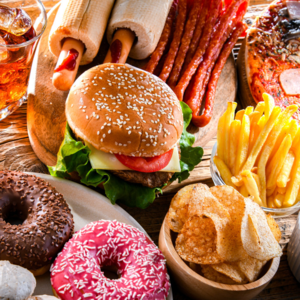
Whether it's pizza, chocolate, ice cream or french fries, you've no doubt noticed that your favourite guilty pleasure food just seems to be so addictive. You start eating and you just can't stop.
Why is that then?
Actually it's because of their high sugar, fat or salt content. Unfortunately, some highly processed foods contain a combination of all three. That can lead to a dopamine surge, which is sometimes as strong as what people get from nicotine.
The taste, texture or composition of these addictive foods activates the reward system and makes us want to eat them over and over. We're no longer eating out of hunger, but due to a craving for instant pleasure.
Are there any studies on the subject?
There are two American ones which come to mind immediately. The first was conducted by researchers from the University of Michigan in 2015. Meanwhile, the other was conducted by a team from Yale University in 2011.
Both studies showed that fatty or very sugary foods stimulate the same area of the brain as some hard drugs. So if you get a craving for ice cream, a hamburger, soda or cookies, it's coming from your brain rather than your stomach.
Beyond the usual suspects, there are some other surprising members of the addictive food club. Like cheese for example. It contains a protein known as casein, which is present in all dairy products.
During digestion, casein releases opioids called casomorphins which can lead to addiction. All addictive substances stimulate the production of dopamine, one of our pleasure hormones.
How on earth can we tell the difference between indulgence and addiction?
That's a very good question. Experts say that when we're addicted to a type of food, we feel a compulsion, an irresistible need to eat. Even though we know we shouldn't give in, and that it's not good for our health or weight, we still do it. That loss of control is what makes addiction different from occasional indulgence.
That said, some researchers argue that the term addiction isn't appropriate for eating habits. They say that people don't dedicate all their time to eating chocolate, for example, when they're addicted to it. Furthermore, they don't feel withdrawal symptoms or cut off social relationships as a result. There you have it.
词汇表
guilty pleasure [ˈɡɪlti ˈpleʒə(r)] 罪恶快感,带有罪恶感的乐趣(指明知不健康或不该做却仍喜欢的事物)
highly processed foods [ˈprəʊsest] 高度加工食品,深加工食品
dopamine surge [ˈdəʊpəmiːn sɜːdʒ] 多巴胺激增,多巴胺的大量释放
nicotine [ˈnɪkətiːn] n. 尼古丁,烟碱
texture [ˈtekstʃə(r)] n. 口感;质地
composition [ˌkɒmpəˈzɪʃn] n. 成分,构成
reward system 奖励系统(大脑中负责产生愉悦感的机制)
craving [ˈkreɪvɪŋ] n. 渴望,渴求,迫切需要
instant pleasure 即时快感,即时享乐
fatty [ˈfæti] adj. 高脂肪的,油腻的
sugary [ˈʃʊɡəri] adj. 含糖的,甜的
hard drug (容易上瘾的)烈性毒品,硬毒品
soda [ˈsəʊdə] n. 汽水,苏打水
suspect [ˈsʌspekt] n. (某坏事物的)可能导致者;可疑对象
casein [ˈkeɪsiːn] n. 酪蛋白(从哺乳动物乳汁中提取的蛋白质)
opioid [ˈəʊpiɔɪd] n. 类鸦片物质,阿片类药
casomorphins [ˌkeɪsəʊˈmɔːfɪnz] n. 酪啡肽(从酪蛋白分解过程中产生的肽类物质)
addictive substances [əˈdɪktɪv ˈsʌbstənsɪz] 成瘾性物质,致瘾物质
pleasure hormones [ˈpleʒə(r) ˈhɔːməʊnz] 愉悦激素(如多巴胺、血清素、内啡肽、催产素等)
indulgence [ɪnˈdʌldʒəns] n. 放纵,沉溺,嗜好
compulsion [kəmˈpʌlʃn] n. 强烈冲动,强烈欲望
irresistible [ˌɪrɪˈzɪstəbl] adj. 难以抗拒的,无法抵挡的
dedicate (to) [ˈdedɪkeɪt] vt. 奉献,献出(全部精力、时间等)
withdrawal symptom [wɪðˈdrɔːəl ˈsɪmptəm] 戒断症状(停止使用成瘾物质后出现的不适反应)
🪴翻译和pdf见公众号【琐简英语】,回复"1"可进入【打卡交流群】
Whether it's pizza, chocolate, ice cream or french fries, you've no doubt noticed that your favourite guilty pleasure food just seems to be so addictive. You start eating and you just can't stop.
Why is that then?
Actually it's because of their high sugar, fat or salt content. Unfortunately, some highly processed foods contain a combination of all three. That can lead to a dopamine surge, which is sometimes as strong as what people get from nicotine.
The taste, texture or composition of these addictive foods activates the reward system and makes us want to eat them over and over. We're no longer eating out of hunger, but due to a craving for instant pleasure.
Are there any studies on the subject?
There are two American ones which come to mind immediately. The first was conducted by researchers from the University of Michigan in 2015. Meanwhile, the other was conducted by a team from Yale University in 2011.
Both studies showed that fatty or very sugary foods stimulate the same area of the brain as some hard drugs. So if you get a craving for ice cream, a hamburger, soda or cookies, it's coming from your brain rather than your stomach.
Beyond the usual suspects, there are some other surprising members of the addictive food club. Like cheese for example. It contains a protein known as casein, which is present in all dairy products.
During digestion, casein releases opioids called casomorphins which can lead to addiction. All addictive substances stimulate the production of dopamine, one of our pleasure hormones.
How on earth can we tell the difference between indulgence and addiction?
That's a very good question. Experts say that when we're addicted to a type of food, we feel a compulsion, an irresistible need to eat. Even though we know we shouldn't give in, and that it's not good for our health or weight, we still do it. That loss of control is what makes addiction different from occasional indulgence.
That said, some researchers argue that the term addiction isn't appropriate for eating habits. They say that people don't dedicate all their time to eating chocolate, for example, when they're addicted to it. Furthermore, they don't feel withdrawal symptoms or cut off social relationships as a result. There you have it.
词汇表
guilty pleasure [ˈɡɪlti ˈpleʒə(r)] 罪恶快感,带有罪恶感的乐趣(指明知不健康或不该做却仍喜欢的事物)
highly processed foods [ˈprəʊsest] 高度加工食品,深加工食品
dopamine surge [ˈdəʊpəmiːn sɜːdʒ] 多巴胺激增,多巴胺的大量释放
nicotine [ˈnɪkətiːn] n. 尼古丁,烟碱
texture [ˈtekstʃə(r)] n. 口感;质地
composition [ˌkɒmpəˈzɪʃn] n. 成分,构成
reward system 奖励系统(大脑中负责产生愉悦感的机制)
craving [ˈkreɪvɪŋ] n. 渴望,渴求,迫切需要
instant pleasure 即时快感,即时享乐
fatty [ˈfæti] adj. 高脂肪的,油腻的
sugary [ˈʃʊɡəri] adj. 含糖的,甜的
hard drug (容易上瘾的)烈性毒品,硬毒品
soda [ˈsəʊdə] n. 汽水,苏打水
suspect [ˈsʌspekt] n. (某坏事物的)可能导致者;可疑对象
casein [ˈkeɪsiːn] n. 酪蛋白(从哺乳动物乳汁中提取的蛋白质)
opioid [ˈəʊpiɔɪd] n. 类鸦片物质,阿片类药
casomorphins [ˌkeɪsəʊˈmɔːfɪnz] n. 酪啡肽(从酪蛋白分解过程中产生的肽类物质)
addictive substances [əˈdɪktɪv ˈsʌbstənsɪz] 成瘾性物质,致瘾物质
pleasure hormones [ˈpleʒə(r) ˈhɔːməʊnz] 愉悦激素(如多巴胺、血清素、内啡肽、催产素等)
indulgence [ɪnˈdʌldʒəns] n. 放纵,沉溺,嗜好
compulsion [kəmˈpʌlʃn] n. 强烈冲动,强烈欲望
irresistible [ˌɪrɪˈzɪstəbl] adj. 难以抗拒的,无法抵挡的
dedicate (to) [ˈdedɪkeɪt] vt. 奉献,献出(全部精力、时间等)
withdrawal symptom [wɪðˈdrɔːəl ˈsɪmptəm] 戒断症状(停止使用成瘾物质后出现的不适反应)
🪴翻译和pdf见公众号【琐简英语】,回复"1"可进入【打卡交流群】

外观