Do you really know|为什么垃圾食品如此令人上瘾?

英音听力|BBC & 经济学人等

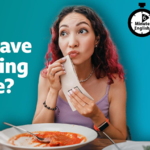
Why is junk food so addictive? Whether it's pizza, chocolate, ice cream or french fries, you've no doubt noticed that your favourite guilty pleasure food just seems to be so addictive. You start eating and you just can't stop. Why is that then? Actually it's because of their high sugar, fat or salt content. Unfortunately, some highly processed foods contain a combination of all three. That can lead to a dopamine surge, which is sometimes as strong as what people get from nicotine. The taste, texture or composition of these addictive foods activates the reward system and makes us want to eat them over and over. We're no longer eating out of hunger, but due to a craving for instant pleasure. Are there any studies on the subject? There are two American ones which come to mind immediately. The first was conducted by researchers from the University of Michigan in 2015. Meanwhile, the other was conducted by a team from Yale University in 2011. Both studies showed that fatty or very sugary foods stimulate the same area of the brain as some hard drugs. So if you get a craving for ice cream, a hamburger, soda or cookies, it's coming from your brain rather than your stomach. Beyond the usual suspects, there are some other surprising members of the addictive food club. Like cheese for example. It contains a protein known as casein, which is present in all dairy products. During digestion, casein releases opioids called casomorphins which can lead to addiction. All addictive substances stimulate the production of dopamine, one of our pleasure hormones. How on earth can we tell the difference between indulgence and addiction? That's a very good question. Experts say that when we're addicted to a type of food, we feel a compulsion, an irresistible need to eat. Even though we know we shouldn't give in, and that it's not good for our health or weight, we still do it. That loss of control is what makes addiction different from occasional indulgence. That said, some researchers argue that the term addiction isn't appropriate for eating habits. They say that people don't dedicate all their time to eating chocolate, for example, when they're addicted to it. Furthermore, they don't feel withdrawal symptoms or cut off social relationships as a result. There you have it. 词汇表 guilty pleasure [ˈɡɪlti ˈpleʒə(r)] 罪恶快感,带有罪恶感的乐趣(指明知不健康或不该做却仍喜欢的事物) highly processed foods [ˈprəʊsest] 高度加工食品,深加工食品 dopamine surge [ˈdəʊpəmiːn sɜːdʒ] 多巴胺激增,多巴胺的大量释放 nicotine [ˈnɪkətiːn] n. 尼古丁,烟碱 texture [ˈtekstʃə(r)] n. 口感;质地 composition [ˌkɒmpəˈzɪʃn] n. 成分,构成 reward system 奖励系统(大脑中负责产生愉悦感的机制) craving [ˈkreɪvɪŋ] n. 渴望,渴求,迫切需要 instant pleasure 即时快感,即时享乐 fatty [ˈfæti] adj. 高脂肪的,油腻的 sugary [ˈʃʊɡəri] adj. 含糖的,甜的 hard drug (容易上瘾的)烈性毒品,硬毒品 soda [ˈsəʊdə] n. 汽水,苏打水 suspect [ˈsʌspekt] n. (某坏事物的)可能导致者;可疑对象 casein [ˈkeɪsiːn] n. 酪蛋白(从哺乳动物乳汁中提取的蛋白质) opioid [ˈəʊpiɔɪd] n. 类鸦片物质,阿片类药 casomorphins [ˌkeɪsəʊˈmɔːfɪnz] n. 酪啡肽(从酪蛋白分解过程中产生的肽类物质) addictive substances [əˈdɪktɪv ˈsʌbstənsɪz] 成瘾性物质,致瘾物质 pleasure hormones [ˈpleʒə(r) ˈhɔːməʊnz] 愉悦激素(如多巴胺、血清素、内啡肽、催产素等) indulgence [ɪnˈdʌldʒəns] n. 放纵,沉溺,嗜好 compulsion [kəmˈpʌlʃn] n. 强烈冲动,强烈欲望 irresistible [ˌɪrɪˈzɪstəbl] adj. 难以抗拒的,无法抵挡的 dedicate (to) [ˈdedɪkeɪt] vt. 奉献,献出(全部精力、时间等) withdrawal symptom [wɪðˈdrɔːəl ˈsɪmptəm] 戒断症状(停止使用成瘾物质后出现的不适反应) 🪴翻译和pdf见公众号【琐简英语】,回复"1"可进入【打卡交流群】

2分钟
3k+
1个月前

BBC随身英语|友谊如何让你保持年轻?

英音听力|BBC & 经济学人等

The power of friendship to keep you young If you've ever felt the benefit of a loved one's warm embrace when you're feeling stressed or sad, it might not surprise you that strong relationships can do wonders for your wellbeing. Research over the years has shown that people with strong social ties tend to be healthier, but a 2025 study, published in Brain, Behaviour and Immunity now suggests that it could also slow down the ageing process. Researchers in the United States came up with a measure called 'cumulative social advantage', which takes into account the benefits of maintaining strong, supportive relationships over time, rather than just newer relationships. They looked at things like support from parents growing up, participation in the community, and ongoing support from friends and family. People who had these things were more likely to have a younger biological age and less inflammation in the body. Co-author of the study, Anthony Ong, says "Think of social connections like a retirement account. The earlier you start investing and the more consistently you contribute, the greater your returns". So, how are friendships so powerful? Humans have evolved over hundreds of thousands of years as social beings – we're wired for connection. For our ancestors, being part of a group wasn't just about having company, it kept us safe and made it easier to find and share food and raise offspring. And it now appears that these connections affect our bodies on a biological, cellular level. "While it is always good to make new friends, there is often a greater sense of trust and dependability with people you've known for a longer time, " says Hillary Ammon, a clinical psychologist at the Center for Anxiety and Women's Emotional Wellness. Of course, maintaining relationships as we get older can be difficult as people closest to us move away, or prioritise other things. Hillary says not to worry if your friends are newer, as connection is what really matters. A strong network of friends not only adds years to your life, it adds life to your years. 词汇表 do wonders for 对…有奇效,对…大有好处 strong social ties 稳固的社会关系,紧密的社会联系 cumulative social advantage [ˈkjuːmjələtɪv] 累积社会优势(指个人或群体在经济、教育、关系网络等方面不断积累的优势) take into account 考虑到,顾及 supportive [səˈpɔːtɪv] adj. 给予帮助的,支持性的 biological age [ˌbaɪəˈlɒdʒɪkl] 生理年龄,生物学年龄 inflammation [ˌɪnfləˈmeɪʃn] n. 炎症,发炎 retirement account [rɪˈtaɪəmənt] 退休账户 consistently [kənˈsɪstəntli] adv. 一贯地,持续地,始终如一地 be wired for [ˈwaɪəd] 生来就,天生适合,本能倾向于 offspring [ˈɒfsprɪŋ] n. 后代,子女 cellular [ˈseljələ(r)] adj. 细胞的,由细胞组成的 dependability [dɪˌpendəˈbɪləti] n. 可靠性,可信度 clinical psychologist [ˈklɪnɪkl saɪˈkɒlədʒɪst] 临床心理学家 prioritise [praɪˈɒrətaɪz] vt. 优先处理,优先考虑,把…放在首位 a network of friends [ˈnetwɜːk] 朋友圈子,人脉网 adds years to one's life 延长寿命,延展生命的长度 adds life to one's years 丰富人生,为生活增添活力 📖 翻译、pdf见公众号【琐简英语】,回复"1"可进【打卡交流群】

2分钟
3k+
1个月前

Do you really know|如何识破一个说谎的人?

英音听力|BBC & 经济学人等

How can I spot a liar? Lying is the act of deliberately making a false statement or concealing the truth. People might lie for different reasons, like to avoid getting into trouble, to get something they want, to make someone feel better, or to look good in front of others. However, lying is not always easy or comfortable. When people lie, they have to deal with two conflicting realities, the truth and the lie. This can make them feel stressed or nervous. They have to remember what they said, watch how they act, and guess how others will react. They may also feel guilty, scared, or worried about being found out or exposed. So how can you tell if someone's lying to you? Well, there's no sure way to know if someone's lying, but there are some signs that might give them away. They can be through what they say, verbal clues, how they act, non-verbal clues, and how their body reacts, physiological clues. What are some verbal clues? When someone lies, they may say things that don't make sense or don't match up. They may avoid answering your questions or give you vague or off-topic answers. They may act like they're not involved in the lie by using distancing language. They might get angry or defensive when you challenge them or question them. They might also make mistakes in their speech like stuttering, pausing, repeating or correcting themselves. What are some non-verbal clues? When someone lies, they may act differently than usual. They might avoid looking at you or look at you too much. They may show facial expressions that don't fit their words or emotions. They could also display tense or nervous body language and they might use less or more gestures than normal. What changes for them physiologically? When someone lies, their body may react in ways they can't control. They might have a faster heart rate because of stress or excitement, or higher blood pressure because of anxiety or fear. Their pupils might dilate because they're thinking hard or feeling strong emotions. How can you improve your chances of spotting a liar? There is no perfect way to spot a liar, but you can do some things to help you. Ask open-ended questions that need more details and explanations. Compare the person's behaviour to their normal or usual state, if you know them well, and fact-check what they say. But do be aware of your own biases and expectations that may affect your judgment. For example, we tend to look for or favor information that confirms what we already think or want. And we often judge people based on our overall impression of them. These can make you miss or misinterpret some signs of lying or truthfulness. So try to be as objective and open-minded as possible. There you have it. 词汇表 spot a liar 识别说谎者,识破说谎的人 deliberately [dɪˈlɪbərətli] adv. 故意地,蓄意地,刻意地 false statement [fɔːls ˈsteɪtmənt] 虚假陈述,假话 conceal the truth [kənˈsiːl] 隐瞒真相,掩盖事实 conflicting [kənˈflɪktɪŋ] adj. 相互矛盾的,冲突的 give someone away 暴露,显露(某人的内心感受) verbal / non-verbal / physiological clues [ˈvɜːbl ˌnɒn ˈvɜːbl ˌfɪziəˈlɒdʒɪkl kluːz] 语言/非语言/生理线索 match up 相符,吻合,一致 vague [veɪɡ] adj. 模糊的,含糊的,不明确的 off-topic [ɒf ˈtɒpɪk] adj. 离题的,跑题的,与主题无关的 distancing language [ˈdɪstənsɪŋ] 疏离性语言(刻意与话题或他人保持距离的表达) defensive [dɪˈfensɪv] adj. 戒备的,防御性的 stuttering [ˈstʌtərɪŋ] n. 结巴,口吃 tense [tens] adj. (身体或肌肉)僵直的,紧绷的;紧张的 pupil [ˈpjuːpl] n. 瞳孔 dilate [daɪˈleɪt] vi. (瞳孔、血管等)扩张,扩大 open-ended question 开放式问题(无法用简单“是或否”回答的问题) fact-check [fækt tʃek] vt. 核实事实,事实核查 bias [ˈbaɪəs] n. 偏见,成见;偏好 confirm [kənˈfɜːm] vt. 证实,确认 overall impression [ˌəʊvərˈɔːl] 整体印象,总体印象 misinterpret [ˌmɪsɪnˈtɜːprɪt] vt. 误解,曲解 truthfulness [ˈtruːθflnəs] n. 诚实,真实 🪴翻译和pdf见公众号【琐简英语】,回复"1"可进入【打卡交流群】

2分钟
3k+
1个月前

BBC六分钟英语|网红如何影响政治?

英音听力|BBC & 经济学人等

How are influencers affecting politics? Beth Hello, this is 6 Minute English from BBC Learning English. I'm Beth. Pippa And I'm Pippa. Everywhere you look online, from gaming and fashion to music, travel and culture, you'll find social media influencers. These social media influencers do what they're famous for: influencing and creating trends. Do you follow any social media influencers, Beth? Beth Erm… I don't follow any specifically, I would say, but I do see influencers on Facebook and Instagram – things like that. Pippa Well, the most successful influencers have millions of followers and, not surprisingly, this has caught the attention of another group of people trying to get their message out to the public: politicians. Beth Politicians using the media to win elections is nothing new but, in this episode, we'll be finding out what happens when social media influencers become politicians themselves. Pippa But first, I have a question for you, Beth. The most followed Instagram account of 2025 belongs to footballer Cristiano Ronaldo, but how many followers does he have? a) 6.7 million, b) 67 million, or c) 667 million? Beth Ooh… I'm going to go down the middle: 67 million. Pippa Well, we'll find out the answer later in the programme. Around the world, politicians are realising that they can reach a lot of people through social media influencers. There have even been allegations of politicians paying for the support of influencers in places like Colombia, Argentina and Indonesia. Beth And one place where politics has become a big topic on social media is Nigeria. Pippa Nigeria is a country with a huge, young population. There are around 200 million people in total and 70% of them are under 30. Many of these young voters are turned off, meaning not interested, in traditional media, but they do follow social media influencers. Beth Adline Okere is BBC Igbo news editor in Lagos, Nigeria. She spoke with BBC World Service programme The Fifth Floor about the situation there: Adline Okere Influencers are super important to shaping the narrative of these young people. Some of them started in, you know, activism. Some of them started out with lifestyle and then branched into politics. Pippa Adline thinks influencers are super important in Nigerian politics. She uses super to mean very, extremely, or more than usual. For example, if you say you're super happy about something, you mean you're very happy about it. Beth In Nigeria, influencers are shaping the narrative of elections. If someone shapes a narrative, they have a strong influence over how something is presented or understood. Influencing things, of course, is exactly what influencers do, but now, more and more social media personalities are branching out into politics. When you branch out, you start doing something different from what you usually do, such as a new activity or job. Pippa So, what happens when influencers become politicians themselves? Here, Adline Okere explains more to Faranak Amidi, presenter of BBC World Service's The Fifth Floor: Faranak Amidi What about in Nigeria? Is there a pushback against these influencers who got involved in promoting political parties? Adline Okere Absolutely – a huge pushback! They will also go back and dig up information about these people from their personal lives and then publish them on social media. Beth In Nigeria, there was a pushback against social media influencers turned politicians. A pushback is a negative reaction or rejection of something that has happened. Pippa In fact, the public reaction was so bad, people started to dig up information about influencers who promote politicians. If you dig up information about someone, you try to find details about them. We have a similar phrase – dig up dirt on someone, which means trying to find information about someone which could damage their reputation. Beth So, social media can be a powerful tool for politicians but getting involved in politics doesn't always go well for social media influencers. OK. Pippa, isn't it time you revealed the answer to your question? Pippa Yes, I asked, "How many followers does Cristiano Ronaldo, the footballer, have?" And the answer was c) 667 million, at the time of recording. That's a lot more than I have, Beth. Beth And me... wow! Pippa OK. Let's recap the vocabulary we've learned, starting with the phrasal verb turned off, meaning uninterested. Beth When super is placed before an adjective, it means very or more than usual. Pippa Social media influencers who shape the narrative have a strong influence over how something is presented or understood. 📝 字数限制,完整文本、翻译、词汇表及pdf见公众号【琐简英语】,回复1可加入【打卡交流群】

5分钟
3k+
1个月前

BBC随身英语|如何应对冬季忧郁情绪?

英音听力|BBC & 经济学人等

How to survive the winter blues It's the middle of winter, and the prospect of warm sunny days is a long way off. For some of us, it's the most depressing time of year, where daylight is limited and the weather is often miserable – this is when the winter blues set in. So what can be done to lift our spirits? The shorter days and longer nights can make us feel down, and that can cause us to eat more and exercise less. Some fear loneliness and isolation during the long dark months. Those people who suffer this seasonal mood swing more seriously are described as having seasonal affective disorder – or SAD for short. It's a type of depression with a seasonal pattern caused by a lack of light and is thought to affect the part of the brain that rules sleep, appetite, mood and activity levels. Jenny Scott-Thompson is one person who was diagnosed with SAD. She told the BBC: "I struggled with periods of exhaustion and misery that seemed out of proportion to what was going on in my life." She was prescribed light therapy, which involved sitting in front of a light box. As well as going outside during daylight hours, this is believed to help anyone who is affected by the winter gloom. Although having more light is an obvious cure, antidepressants can help those with more severe depression by artificially elevating the amount of serotonin in the brain. But this isn't suitable for everyone, and many of us can try to just alter our mindset. Clinical psychologist Laura Keyes says, "it can be helpful to think about how to adapt your eating and exercise patterns to the change of season, just as this happens in nature with plants and animals adapting." It might sound easier said than done, but accepting winter and thinking positively may energise us. Writing for the BBC Social website, Esther De La Ford asks "What if we explored what this phase of winter has to offer us, instead of grieving those things that it is taking away?" She suggests we use this time for rest, reflection, slowing down, stillness and renewal. Maybe this might stop us longing for summer? 词汇表 prospect [ˈprɒspekt] n. 前景,展望,期望的事物 depressing [dɪˈpresɪŋ] adj. 令人沮丧的,使人消沉的 winter blues [bluːz] n. 冬季忧郁,冬季忧郁症 set in (不好的事物)开始,到来,袭来 lift one's spirits 提振精神,鼓舞士气 isolation [ˌaɪsəˈleɪʃn] n. 孤立,隔绝,隔离 mood swing [muːd swɪŋ] 情绪波动 seasonal affective disorder (SAD) [ˈsiːzənl əˈfektɪv dɪsˈɔːdə(r)] 季节性情感障碍(指冬季时因日照缩短而表现出的抑郁) be diagnosed with [dʌɪəɡˈnəʊzd] 被诊断出患有 prescribe [prɪˈskraɪb] vt. 开(药、处方),嘱咐(疗法),建议 light therapy 光照疗法,光疗(利用光线来治疗某些医学或精神疾病的疗法) light box 光疗灯箱(用于治疗冬季缺乏光线引起的情绪低落) gloom [ɡluːm] n. 阴郁,忧郁,昏暗 antidepressant [ˌæntidɪˈpresənt] n. 抗抑郁药 elevate [ˈelɪveɪt] vt. 提高,提升 serotonin [ˌserəˈtəʊnɪn] n. 血清素(与情绪调节相关的神经递质) alter one's mindset [ˈɔːltə] 调整心态,改变思维模式 easier said than done 说来容易做来难 energise [ˈenədʒaɪz] vt. 使充满活力,使精力充沛 grieve [ɡriːv] vi. 感到悲痛,哀叹,惋惜 stillness [ˈstɪlnəs] n. 沉静,静止,寂静 renewal [rɪˈnjuːəl] n. 恢复,更新,重生 📖 翻译、pdf见公众号【琐简英语】,回复"1"可进【打卡交流群】

2分钟
3k+
1个月前

BBC News|牛津词典2025年度词汇:“愤怒诱饵”

英音听力|BBC & 经济学人等

The Oxford word of the year for 2025 is 'rage bait' Host: After analysing 25 billion words, Oxford University Press has picked the one it thinks best defines 2025. Noor Nanji reports on the word of the year. Noor Nanji: Do you find yourself getting increasingly irate while scrolling through your social media feed? If so, you may be falling victim to rage bait. According to the Oxford University Press, this is defined as online content deliberately designed to elicit anger or outrage by being frustrating, provocative or offensive. Such content is typically posted in order to increase traffic to websites or social media accounts. The other shortlisted words were aura farming and biohack. The annual list is intended to reflect some of the moods and conversations that have shaped the last year. The shortlisted words were put to a public vote, the results of which helped to guide the final decision taken by OUP's language experts. 词汇表 irate [aɪˈreɪt] adj. 生气的,发怒的 scroll through [skrəʊl] 滚动浏览,刷(屏幕) feed [fiːd] n. (社交媒体等的)动态,推送,信息流 fall victim to [ˈvɪktɪm] 成为…的受害者,落入…的圈套 rage bait [reɪdʒ beɪt] n. 愤怒诱饵,引战内容(故意引发他人愤怒以获得流量的网络内容) deliberately [dɪˈlɪbərətli] adv. 故意地,蓄意地 elicit [ɪˈlɪsɪt] vt. 引发,探出,诱出(信息或反应) outrage [ˈaʊtreɪdʒ] n. 愤慨,愤怒,义愤 provocative [prəˈvɒkətɪv] adj. 挑衅的,煽动性的,使人生气的 traffic [ˈtræfɪk] n. (网络)流量,访问量 shortlisted [ˈʃɔːtlɪstɪd] adj. 入围的,入选的,列入候选名单的 aura farming [ˈɔːrə] n. 人设经营,光环培养(指通过刻意展示积极形象以塑造良好个人声誉的行为) biohack [ˈbaɪəʊhæk] n. 生物黑客(通过技术手段干预或优化自身生物机能的行为) be intended to [ɪnˈtendɪd] 旨在,目的是,是为了 OUP abbr. 牛津大学出版社(Oxford University Press) 🌟翻译,pdf及更多文本内容见公众号【琐简英语】,回复"1"可加入【打卡交流群】

0分钟
2k+
1个月前

Do you really know|孤独对我们的大脑有什么影响?

英音听力|BBC & 经济学人等

What does loneliness do to our brains? Not everyone has the same relationship with social contact. Introverts, for example, recharge by spending time alone. Meanwhile, extroverts get their energy from being around other people. But here's the thing. Being introverted or enjoying solitude isn't the same as being lonely. Loneliness can actually become painful and even harmful when it drags on for too long. What happens when loneliness becomes chronic, then? It often leads to a drop in motivation and mood. You feel less active and engaged, which can take a toll on both your body and mind, not to mention your social life. And it turns out loneliness might also affect how our brains work. A study published in BMC Public Health in 2025 followed 172 people aged 25 to 65 over a period of two years. Researchers tested their cognitive abilities through phone-based games. They found that people who weren't chronically lonely improved over time, while those who were stuck in loneliness didn't make much progress at all. Other studies also show that long-term loneliness increases the risk of depression, anxiety, and even burnout. But that's not all. Loneliness can actually change your brain. Going back to 2020, researchers at McGill University in Canada analysed MRI scans and genetic data from 40,000 people. They compared participants who said they often felt lonely with those who didn't, and the results were striking. How does that work then? The lonely group showed differences in what's known as the default mode network. That's the set of brain regions that lights up when your mind wanders, when you're remembering, planning, or daydreaming. We talked about the default mode network in a recent episode of Do You Really Know? , which explained why it's important for us to allow ourselves to get bored from time to time. In lonely people, this network showed stronger connections and even more grey matter. The scientists also noticed changes in the fornix, which is a bundle of nerve fibers linking the hippocampus to that same default network. Surprisingly, in lonely people, the fornix seem to be better preserved. In other words, loneliness might actually boost imagination. When we lack real social contact, the brain tries to fill the gap. Nathan Sprang was the lead author of the McGill University study, and in its media release he went on record saying, in the absence of desired social experiences, lonely individuals may be biased towards internally directed thoughts, such as reminiscing or imagining social experiences. There you have it. 词汇表 introvert [ˈɪntrəvɜːt] n. 内向的人,性格内向者 recharge [riːˈtʃɑːdʒ] vt. 恢复精力,补充体力,充电 extrovert [ˈekstrəvɜːt] n. 外向的人,性格外向者 introverted [ˈɪntrəvɜːtɪd] adj. 内向的,性格内向的 solitude [ˈsɒlɪtjuːd] n. 独处,独居;孤独 drag on 持续,延长,拖延 chronic [ˈkrɒnɪk] adj. 长期的,慢性的 take a toll on [təʊl] 对…造成损害,产生负面影响 cognitive ability [ˈkɒɡnɪtɪv] 认知能力 be stuck in 陷入,被困于 burnout [ˈbɜːnaʊt] n. 倦怠,精疲力竭 MRI scan [skæn] 核磁共振扫描 genetic [dʒəˈnetɪk] adj. 基因的,遗传的 striking [ˈstraɪkɪŋ] adj. 惊人的,引人注目的 default mode network [dɪˈfɔːlt məʊd ˈnetwɜːk] 默认模式网络(指大脑在静息状态下,即没有进行特定任务时活跃的一组脑区) brain region [ˈriːdʒən] 大脑区域,脑区 light up 被激活,变得活跃 mind wanders [ˈwɒndəz] 思绪飘散,走神 grey matter 灰质(大脑负责信息处理的关键部位);脑力,智力 fornix [ˈfɔːnɪks] n. 穹窿(连接海马结构和其他脑区的神经纤维) a bundle of [ˈbʌndl] 一束,一捆,一大堆 nerve fiber [nɜːv ˈfaɪbə(r)] 神经纤维(负责传导神经冲动) hippocampus [ˌhɪpəˈkæmpəs] n. 海马体(与记忆储存转化有关) fill the gap [ɡæp] 填补空白,弥补不足 go on record 公开表明,公开发表(观点等) desired [dɪˈzaɪəd] adj. 渴望的,期望的,想得到的 be biased towards [ˈbaɪəst] 倾向于,偏向于 internally directed thoughts [ɪnˈtɜːnəli] 内向性思考,内倾性思维 reminisce [ˌremɪˈnɪs] vi. 回忆,追忆往事 🪴翻译和pdf见公众号【琐简英语】,回复"1"可进入【打卡交流群】

3分钟
3k+
2个月前

BBC随身英语|享受快乐冬天的秘诀是什么?

英音听力|BBC & 经济学人等

The secret to a happy winter Imagine this scene: it's blowing a gale outside, you're snuggled up on the sofa under a warm duvet, chatting and reminiscing with your closest friends. That content, snug feeling has a name in Danish – 'hygge'. And, as Denmark won the title of 'happiest country in the world', the rest of the world is becoming more and more interested in finding ways to embrace this concept. 'Hygge' - originally from a Norwegian word meaning 'wellbeing' - doesn't have an exact equivalent in English. It's often translated as cosiness, or as blogger Anna West told the BBC, "cosiness of the soul." But, as translator ToveMaren Stakkestad explains: "Hygge was never meant to be translated. It was meant to be felt." Essentially, Hygge involves creating a warm, cosy atmosphere and enjoying it with your loved ones. Danish winters are long and dark and so achieving 'hygge' is particularly relevant during this season. A typical 'hygge' activity during winter could be, enjoying delicious homemade food and light-hearted conversation with friends – preferably in the warm glow of candlelight; or maybe sipping a glass of mulled wine in the hot tub after a day spent skiing. However, Hygge isn't only confined to the bleak winter months – it can also describe that warm, fuzzy feeling you get after a walk through a forest with friends on summer's day or a family barbecue in the park. The concept of 'hygge' is currently taking the world by storm with more and more people becoming obsessed with achieving a state of wellbeing. Articles, books and stocking fillers, full of tips on how to achieve hygge, are hitting the market. Although, some believe this has become a marketing and advertising ploy, the benefits of staying happy cannot be underestimated. So, as the winter nights draw in, instead of hibernating, get into your favourite onesie, bake some cookies and curl up by a roaring fire with a good book. And if you can do this with friends and family, even better - hygge is meant to be shared. 词汇表 blow a gale [ɡeɪl] 狂风大作,刮大风 be snuggled up [ˈsnʌɡld] 舒适地蜷缩着,依偎着 duvet [ˈdjuːveɪ] n. 羽绒被,被褥 reminisce [ˌremɪˈnɪs] vi. 回忆往事,叙旧 content [kənˈtent] adj. 心满意足的,惬意的 snug [snʌɡ] adj. 温暖舒适的;贴身的 Danish [ˈdeɪnɪʃ] n. 丹麦语;adj. 丹麦的 hygge [ˈhʊɡə] n. 丹麦文化核心概念,强调在简单中寻找幸福与美好,营造一种温暖舒适,温馨惬意的氛围,比如在冬日与家人朋友围坐在壁炉旁、喝着热饮聊天。 Denmark [ˈdenmɑːk] n. 丹麦(北欧国家) Norwegian [nɔːˈwiːdʒən] n. 挪威语;adj. 挪威的 wellbeing [ˈwelbiːɪŋ] n. 幸福,安乐,身心健康 equivalent [ɪˈkwɪvələnt] n. 对应物,等同物 cosiness [ˈkəʊzinəs] n. 温暖舒适,惬意,温馨 blogger [ˈblɒɡə(r)] n. 博主,博客作者 cosy [ˈkəʊzi] adj. 温暖舒适的,惬意的,温馨的 relevant [ˈreləvənt] adj. 有价值的,有重要意义的 homemade food [ˌhəʊmˈmeɪd] 家常菜,自制食物 light-hearted [ˌlaɪt ˈhɑːtɪd] adj. 轻松愉快的,无忧无虑的 preferably [ˈprefrəblɪ] adv. 可以的话,更可取地,最好是 warm glow of candlelight [ˈkændllaɪt] 温暖的烛光 sip [sɪp] vt. & vi. 小口喝,抿 mulled wine [mʌld waɪn] 热红酒(加香料加热的葡萄酒) hot tub [ʌb] n. 热水浴缸,按摩浴缸 be confined to [kənˈfaɪnd] 局限于,被限制在 bleak [bliːk] adj. 寒冷刺骨的,阴冷的 fuzzy [ˈfʌzi] adj. 温暖的,舒适的;毛茸茸的 take the world by storm 席卷全球,在全球掀起热潮 be obsessed with [əbˈsesed] 痴迷于,着迷于 stocking filler [ˈstɒkɪŋ fɪlə(r)] n. (塞进圣诞袜的)圣诞小礼品 ploy [plɔɪ] n. 策略,手段,花招 underestimate [ˌʌndərˈestɪmeɪt] vt. 低估,看轻,小看 draw in(夜晚)渐长,(天黑得)渐早;(白昼)渐短 hibernate [ˈhaɪbəneɪt] vi. 冬眠;(人)蛰居,闭门不出 onesie [ˈwʌnzi] n. 连体睡衣,连体衣 curl up [kɜːl] 蜷缩,窝着 roaring fire [ˈrɔːrɪŋ] 熊熊燃烧的火,烧得正旺的火 📖 翻译、pdf见公众号【琐简英语】,回复"1"可进【打卡交流群】

2分钟
3k+
2个月前

The School of Life|我们为何如此难以原谅他人?

英音听力|BBC & 经济学人等

Why is it so hard to forgive? It can be so hard to forgive because – so often – we simply are in the right and the scale of the folly, thoughtlessness and meanness of others seems utterly beyond our own measure. But there are two inviolable ideas which should nevertheless, in the face of the grossest behaviour, be kept in mind to increase our chances of being able to forgive. Firstly, we must remember how the other person got there, to this place of idiocy and cruelty. Every irritating fault in another person has a long history behind it. They have become like this because of flaws in their development, which they did not choose for themselves. They were shaped by troubles – troubles which we cannot see but which we know must exist. The arrogant person was trapped, at some key point in their personal evolution, in an environment where being modest and reasonable seemed to guarantee they'd be trampled on. The hyper-critical individual has lived too much, as their personality was growing, around people who couldn't take a gentle hint – so they came to rely on blunt assertions. The frustratingly timid, mousy person was, at some stage, terrified; the show-off learned their irritating manner around people who were hard to please. Behind every failing – behind everything that's wrong and infuriating about those we meet – is a decisive trauma encountered before someone could cope with it properly. They are maddening but they got to be this way without meaning to. To forgive is to understand the origins of evil and cruelty. Secondly, and very strangely, there are difficult things about you, too. Of course, not in this area. Not in any area remotely connected to the sort of lapses that tend to destroy your faith in humanity. But in some areas, quiet areas that you forget about as soon as you've travelled through them, you, too, are a deeply imperfect and questionable individual. Gently, you have – in your own way – betrayed. Nicely, you have been a coward. Modestly, you have forgotten your privileges. Unthinkingly, you have added salt to the wounds of others. We don't need to know anything about you to know this as a certainty. We must forgive because – not right now, not over this, but one day, over something – we will need to be forgiven. 词汇表 folly [ˈfɒli] n. 愚蠢,荒唐事 thoughtlessness [ˈθɔːtləsnəs] n. 轻率,粗心,考虑不周 meanness [ˈmiːnnəs] n. 刻薄,卑鄙,吝啬 utterly [ˈʌtəli] adv. 完全地,彻底地 inviolable [ɪnˈvaɪələbl] adj. 不容置疑的,不可侵犯的,不可违背的 gross [ɡrəʊs] adj. 恶劣的,严重的,极端的 idiocy [ˈɪdiəsi] n. 愚蠢,白痴,愚蠢行为 cruelty [ˈkruːəlti] n. 残忍,残酷 irritating [ˈɪrɪteɪtɪŋ] adj. 令人厌烦的,使人恼火的 flaw [flɔː] n. 缺陷,缺点,瑕疵 arrogant [ˈærəɡənt] adj. 傲慢的,自大的 trample on [ˈtræmpl] 践踏,蹂躏,伤害 hyper-critical [ˌhaɪpəˈkrɪtɪkl] adj. 过度挑剔的,吹毛求疵的 blunt assertions [blʌnt əˈsɜːʃnz] 直率的断言,直言不讳的论断 timid [ˈtɪmɪd] adj. 胆小的,羞怯的 mousy [ˈmaʊsi] adj. 胆小的,畏缩的 failing [ˈfeɪlɪŋ] n. 缺点,弱点,过失 infuriating [ɪnˈfjʊərieɪtɪŋ] adj. 令人愤怒的,激怒人的 trauma [ˈtrɔːmə] n. 创伤,痛苦经历 maddening [ˈmædənɪŋ] adj. 令人发狂的,使人恼火的 lapse [læps] n. 过失,失误,差错 questionable [ˈkwestʃənəbl] adj. 值得质疑的,有问题的,靠不住的 betray [bɪˈtreɪ] vt. 背叛,出卖,辜负 coward [ˈkaʊəd] n. 懦夫,胆小鬼 unthinkingly [ʌnˈθɪŋkɪŋli] adv. 不经意地,不假思索地,轻率地 add salt to the wounds 在伤口上撒盐,雪上加霜,火上浇油 🏫翻译,视频和pdf见公众号【琐简英语】,回复"1"可进入【打卡交流群】

2分钟
3k+
2个月前

Do you really know|抱怨对心理健康有好处吗?

英音听力|BBC & 经济学人等

Is moaning good for mental health? It is a common stereotype that the Brits love to moan, with the weather and Brexit being among the most common causes of grumbling around the country. It's not always pleasant being around someone who's complaining, but there is something deeply authentic about it. What's more, moaning can provide a form of relief and allow people to express their dissatisfaction, frustration or bad mood. Sometimes it just feels good to vent, doesn't it? That's right, venting allows you to release pent-up emotions, which may relate to something that's been bothering you for a while. When we vent, we express our thoughts and feelings, which can help us to feel heard, especially if someone listens to us and shows empathy. It can also help us feel like we're taking back control of a situation. What other kinds of moaning are there? Instrumental complaining is probably the most productive variation. It's the kind of complaint that seeks to find a solution to a specific problem. To take a concrete example, imagine a work colleague who's always complaining about how messy the office is and then actually contributes to making it tidier. It goes to show that how we complain is an important factor in whether or not our mental health benefits. If we complain about a situation, but don't make any attempt to change it, or complain about something we can't control anyway, we're just going to accumulate a lot of frustration and helplessness. Our mood, self-esteem and general mental health will inevitably be affected. So if you do need to have a moan, try to do it in an effective, constructive way. Do you have any tips on how to do that? The most important thing is to become conscious of how you tend to complain. In particular, if it's a habit of complaining about anything and everything in an unfounded way, then try asking yourself what you want to achieve and coming up with solutions to do so. That way you put yourself in a constructive change. At the same time, try to stop focusing on things you can't change that are beyond your control. It's also helpful surrounding yourself with enthusiastic and active people, who tend to have a positive impact on our mood and help us break out of a negative spiral. That doesn't mean you shouldn't still moan or grumble from time to time, because complaining is part of how we communicate. It can also be a way of creating connections with strangers. We've all started chatting with someone about a source of shared dissatisfaction, like when the bus is late, or there's a long queue to pay at the supermarket. And never complaining at all may actually be dangerous for your health. A study conducted by psychology researchers at the University of Jena in Germany showed that people who contain their negative emotions see their heart rate increase, which in the long run also increases the risk of high blood pressure and heart problems. There you have it. 词汇表 stereotype [ˈsteriətaɪp] n. 刻板印象,固有看法,成见 Brit [brɪt] n. 英国人(非正式) moan [məʊn] vi. 抱怨,发牢骚;呻吟 Brexit [ˈbreksɪt] n. 英国脱欧(Britain + exit 的合成词) grumble [ˈɡrʌmbl] vi. 嘟囔,发牢骚,抱怨 dissatisfaction [ˌdɪsˌsætɪsˈfækʃn] n. 不满,不悦 vent [vent] vt. 发泄,吐露(情绪等) pent-up emotions [ˌpent ʌp ɪˈməʊʃnz] 积压的情绪,压抑的情感 empathy [ˈempəθi] n. 共情,同理心 instrumental complaining [ˌɪnstrəˈmentl kəmˈpleɪnɪŋ] 工具性抱怨(以解决问题为目的的抱怨) variation [ˌveəriˈeɪʃn] n. 变体,种类 concrete [ˈkɒŋkriːt] adj. 具体的,实在的 messy [ˈmesi] adj. 凌乱的,脏乱的 self-esteem [ˌself ɪˈstiːm] n. 自尊,自尊心 constructive [kənˈstrʌktɪv] adj. 建设性的,有益的 unfounded [ʌnˈfaʊndɪd] adj. 无根据的,没有理由的 break out of 逃脱,突破,摆脱 negative spiral [ˈspaɪrəl] 负面循环(情绪、状态持续恶化的过程) contain [kənˈteɪn] vt. 压抑,抑制,克制(情绪) high blood pressure 高血压 🪴翻译和pdf见公众号【琐简英语】,回复"1"可进入【打卡交流群】

2分钟
2k+
2个月前

BBC随身英语|我们是否高估了体重对健康的意义?

英音听力|BBC & 经济学人等

Do we give weight too much weight? Take your height in metres, square it, then divide it by your weight in kilograms. That's how you calculate your body mass index, or BMI. If it's between 18 and 25, your weight is healthy. If it's over, it isn't. So far, so simple. BMI has become a popular metric for people to check their health. On a population level, data backs this up. People with a high BMI are statistically more likely to develop conditions such as hypertension, diabetes, arthritis, and some types of cancer along with other health problems. Checking BMI could be a way for people to easily assess their health and decide if they need to make any lifestyle changes. However, BMI does not give the full picture. It's known that it's less accurate for some groups of people, such as children, the elderly or athletes. The measure was devised in the 19th Century by a Belgian mathematician, and this may be why the figures are more accurate for Europeans than other ethnicities. There are also several important factors that it doesn't measure. Someone who is very active may have significant weight from muscle. BMI doesn't differentiate between this or the visceral fat that is linked with negative health outcomes. It doesn't account for the range of nutrients or the level of cholesterol in someone's diet. What this means is that people can have a high BMI and be relatively healthy, while others may have a low BMI but be unhealthy. The simplicity of BMI is attractive, it's also very visible and fits with society's perception of the importance of weight. However, dependence on it as an indication of health can cause stigma. People can feel judged because of their weight. This sometimes leads people to avoid going to the doctors if they know they're likely to be questioned on it. While BMI may be a useful measure, experts remind us that it should always be considered alongside other measures, such as blood pressure, blood sugar level, cholesterol level and others. 词汇表 square [skweə(r)] v. 使成平方,使成正方形 body mass index [mæs ˈɪndeks] n. 身体质量指数,体重指数,体质指数(BMI) metric [ˈmetrɪk] n. 指标,衡量标准 back something up 证明,证实,支持 statistically [stəˈtɪstɪkli] adv. 从统计上看,统计地 hypertension [ˌhaɪpəˈtenʃn] n. 高血压 diabetes [ˌdaɪəˈbiːtiːz] n. 糖尿病 arthritis [ɑːˈθraɪtɪs] n. 关节炎 give the full picture 全面反映情况,展现全貌 devise [dɪˈvaɪz] vt. 设计,发明,想出 Belgian [ˈbeldʒən] adj. 比利时的;n. 比利时人 mathematician [ˌmæθəməˈtɪʃn] n. 数学家 ethnicity [eθˈnɪsəti] n. 种族,民族,种族群体 differentiate [ˌdɪfəˈrenʃieɪt] vt. 区分,辨别 visceral fat [ˈvɪsərəl] 内脏脂肪 account for 考虑,解释,说明 nutrient [ˈnjuːtriənt] n. 营养物,营养素 cholesterol [kəˈlestərɒl] n. 胆固醇 visible [ˈvɪzəbl] adj. 显而易见的,明显的 indication [ˌɪndɪˈkeɪʃn] n. 指标,标志物,迹象 stigma [ˈstɪɡmə] n. 污名,偏见,歧视 blood pressure 血压 blood sugar level 血糖水平 📖 翻译、pdf见公众号【琐简英语】,回复"1"可进【打卡交流群】

2分钟
2k+
2个月前

BBC六分钟英语|你注重餐桌礼仪吗?

英音听力|BBC & 经济学人等

Do you have good dining etiquette? Phil Hello, this is 6 Minute English from BBC Learning English. I'm Phil. Pippa And I'm Pippa. In this episode, we're discussing etiquette – the rules about what makes polite behaviour – and in particular the dos and don'ts about what you should and shouldn't do when eating. So, Phil, what's the worst thing someone can do while eating, in your opinion? Phil For me, it's being very noisy when you do it. I can't stand it. Pippa Mmm. OK. I don't have too many rules about eating, but I was always told growing up that you shouldn't have your elbows on the table and I never really understood why, but I always remember that one. So, we'll be hearing more about mealtime manners from some college students and an expert on British etiquette. Phil But first, I have a question for you, Pippa. Ideas about polite behaviour change a lot from country to country, so when BBC programme The Food Chain asked listeners from around the world about eating manners in their country, what do you think was the most common complaint? Was it: a) people eating with their hands, b) people eating noisily, or c) people burping at the table? Pippa Hmm. I don't think it's people eating with their hands, because lots of people around the world do that as, kind of, their normal way of eating, but maybe it's b) people eating noisily, I think. Like you mentioned, Phil, that's quite annoying. Phil Well, we'll find out the answer later in the programme. The Food Chain also interviewed students at London's City of Westminster College about family dinnertimes. Samuel is 19 and from Sierra Leone, and Aya is 18 and British but her family are from Iraq. Let's listen as they chat with BBC World Service's The Food Chain: Samuel Yeah, I would say first impressions really do matter because it also is really important how you portray yourself – how you present yourself to the person. Aya What I don't want to see is any loud chewing, or with your mouth open, please and thank you! I would like to see though eye contact, having a conversation, using your cutlery. Sometimes – and I know this could be, like, picky for everyone else – but having a tissue or napkin on your lap just in case you spill anything. Phil The students think etiquette is important. Samuel says it's about making a good first impression. Your first impression is the opinion you form about someone when you meet them for the first time. Pippa For Aya, eating with your mouth open is definitely rude. She also thinks people should use a napkin, although that could be seen as picky. Picky here means being too strict about the rules. Phil For this group of students, showing respect and appreciation for the meal is very important, and this idea is common across most, if not all, cultures throughout history. Pippa So, imagine a scene from a TV show like Game of Thrones: two enemy forces have stopped fighting, made peace and now gather for a meal. The leaders clink glasses, meaning they lift up and touch drinks, and make a toast – they hold up a glass of alcohol and drink it to show respect. Phil Now, keep that image in mind because we're going to hear British etiquette coach Rupert Wesson explaining why people clink glasses. Here he is, talking to Ruth Alexander, presenter of BBC World Service programme The Food Chain: Rupert Wesson Perhaps the simplest example is, "Why do we clink glasses when we have a toast?" If you clink glasses, you're slopping a bit of your drink into his cup and he's slopping a bit of drink into your cup. And therefore, by having that toast you are showing: "Look I trust you. You trust me." And that's why we do it. Ruth Alexander If you've poisoned my drink that's now slopped into your cup, you won't drink it. Rupert Wesson Correct. Ruth Alexander Hats at the table – we're hearing from BBC World Service listeners that that is a no-no. Is that right? Rupert It's not something I would do. In fact, I would not be wearing a hat inside anyway. Pippa So, Phil, when we clink glasses in a toast, some of my drink might spill into your glass and some of your drink might spill into mine. Historically, this mixing of drinks was a way of proving the drinks were not poisoned. Phil Ruth also asks about wearing hats at the table and Rupert calls this a no-no. A no-no is an informal phrase for something that is considered socially unacceptable. Pippa Etiquette varies a lot over time and culture, but the essential point is always to show appreciation by doing some things and avoiding others. And speaking of things to avoid, what was the answer to your question, Phil? 📝字数限制,完整文本,词汇表、翻译及pdf见公众号【琐简英语】,回复1可加入【打卡交流群】

5分钟
2k+
2个月前
EarsOnMe

加入我们的 Discord

与播客爱好者一起交流

立即加入

扫描微信二维码

添加微信好友,获取更多播客资讯

微信二维码

播放列表

自动播放下一个

播放列表还是空的

去找些喜欢的节目添加进来吧