主播

节目简介
来源:小宇宙
当你听到悲伤的音乐并感到悲伤的时候,是因为音乐将将创作者的悲伤「承载」并传递给了你,还是因为,悲伤原本就在你的心中,只是被音乐释放了出来?
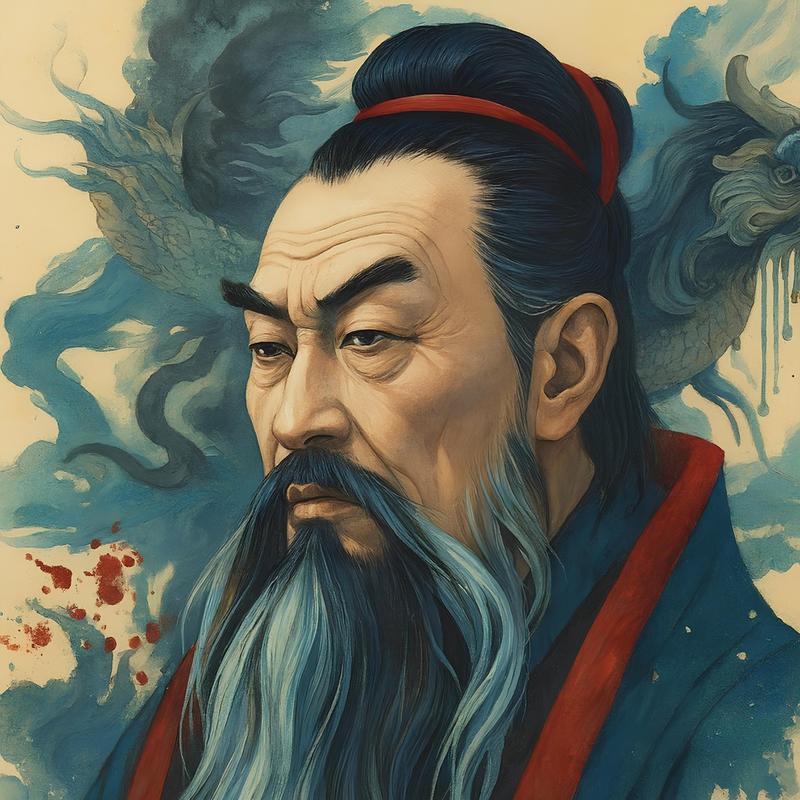
本期我们将讨论「竹林七贤」之一嵇康(223–262 CE)的音乐理论。他反对「音乐传递情感」的观点,并对提出了一套更为复杂且多元的解释。嵇康又会如何诠释《庄子》里神秘又迷人的「天籁」呢?
我们邀请到了中国音乐哲学领域的顶尖学者,圣克拉拉大学(Santa Clara University)教授 Meilin Chinn作为嘉宾,与现场的同学、哲学家、及音乐人共同讨论這一話題。
时间轴
0:00 Part I -- Introduction
2:14本期主题:嵇康论音乐中的情感 Ji Kang on theemotional contents of music
6:50 Part II -- Ji Kang on music
6:53 介绍嘉宾 Meilin Chinn
10:14 讨论:音乐究竟是承载了情感内容,还是仅仅激发了听众内心的情感?Does music carry theemotional content, or does it just elicit the emotional content in thelistener?
17:29 First passage: 以人的「爱」与「憎」进行类比论证Argument by analogy to "loving" and"hating" someone
21:23 对该类比的反驳Objections to the analogy
27:51这两种理论如何解释 「知音」这一概念? Howthe two accounts handle the very idea of a "skilled listener"
31:09两种不同的因果关系: 基于内容的因果 vs.纯粹的触发机制 Two different types of causality: content-based vs. mere triggering
36:04Second passage: 地籁、人籁与天籁 The pipes of earth, humankind, and heaven
42:14这一辩论如何与儒道两家关于「教化」的巨大分歧相呼应 Howthe debate dovetails with larger disagreements between Confucians and Daoists about enculturation
46:03现场观众提问🙋
1:08:05 Meilin 目前及未来的研究项目
重点讨论段落
Passage 1: Argument by analogy to “loving”and “hating”
夫喜、怒、哀、乐、哀、憎、惭、惧,凡此八者,生民所以接物传情,区别有属,而不可溢者也。夫味以甘苦为称,今以甲贤而心爱,以乙愚而情憎,则『爱』、『憎』宜属我,而『贤』、『愚』宜属彼也。可以我爱而谓之『爱人』,我憎则谓之『憎人』,所喜则谓之『喜味』,所怒则谓之『怒味』哉?由此言之,则外内殊用,彼我异名。声音自当以善恶为主,则无关于哀乐;哀乐自当以情感而后发,则无系于声音。名实俱去,则尽然可见矣。
(嵆康,《声无哀乐论》“Music Has in It neither Grief nor Joy,” Robert Henricks’s translation,75-76)
Passage 2: Zhuangzi onthe piping of heaven 庄子论「天籁」
[子綦曰:]「。。。女聞地籟而未聞天籟夫!」子游曰:「敢問其方。」子綦曰:「夫大塊噫氣,其名為風。是唯无作,作則萬竅怒呺。而獨不聞之翏翏乎?山林之畏佳,大木百圍之竅穴,似鼻,似口,似耳。。。泠風則小和,飄風則大和,厲風濟則眾竅為虛。而獨不見之調調、之diáo diáo乎?」子游曰:「地籟則眾竅是已,人籟則比竹是已。敢問天籟。」子綦曰:「夫吹萬不同,而使其自已也,咸其自取,怒者其誰邪!」
diao:“叼”去掉偏旁“口”
(庄子, Chapter Two, “Equalizing Assessments of Things,” translation slightly modified from Brook Ziporyn’s translation, 11-12)
目前节目持续更新中,欢迎订阅收听!如果你有任何想法或建议,欢迎在评论区留言,或前往 Warp, Weft, and Way 网站参与讨论。
其他参考资料
Meilin Chinn,Philosophy Department, Santa Clara University
“Music With and Without Images“
“Music in Early Chinese Philosophy“
嵆康 (223–262 CE)
玄学 (“Profound Learning,” “Mystery Studies”)
Kishi Bashi (composerand performer of thisoutstanding piece, among many others; see also this song film)
Kimberly Dill, Philosophy Department,Santa Clara University
Matthew Izor, Philosophy Department,Santa Clara University
“Music Has in It neither Grief nor Joy” (声无哀乐论)
荀子 (3rd century BCE)
乐记 (“The Record of Music,” 儒家经典《礼记Rites》中的篇章)
《孟子·公孙丑上》(2A2)「见其礼而知其政,闻其乐而知其德。」
「唯乐不可以为伪」(a quote from《乐记·乐象》篇)
“The Imperial March” (Darth Vader’s thememusic)
伯牙与子期 The legend of Boya and Ziqi, two friends who deeply understood one another through skillful understandingof their music
象 (“signs,”“images,” representations that have determinate content)
庄子
道家中的「无心/无己」 Thetheme of “unselfconsciousness” in Daoism
Paul Ekman on “universalemotions“
孟子四端Mencius on the “four sprouts” (pro-virtuousemotional dispositions)
礼 (rituals,rules of propriety)
John Williams (因创作原版《星球大战》系列电影配乐而闻名)
声,“musical sounds”
the guqin 古琴, 嵇康演奏并为其著述的传统弦乐器
“Rhapsody on the Qin” (琴赋, 嵇康关于古琴的辞赋)
“Light of a Clear Blue Morning,”Waxahatchee’s interpretation, originally by Dolly Parton
Shawn Colvin, “Sunny Came Home“
“Barber’s Adagio for Strings” (example mentioned by Kishi Bashi, bestknown as the theme music for Platoon)
David Hume’s sentiment-based aesthetics and ethics
emotivism and expressivism (twoviews about the foundations of ethical norms or values)
推荐阅读:
Hsi K’ang, Philosophy and Argumentation in Early China: The Essaysof Hsi K’ang (Robert Henricks’s complete translationof the writtings of Ji Kang)
So Jeong Park, “The Aesthetics of Musical Emotion in Ji Kang’s ‘MusicHas in It neither Grief nor Joy‘”
David Chai, “MusicalNaturalism in the Thought of Ji Kang“
David Chai, “Ji Kang’s ‘On Dispelling Self-Interest‘”
特别鸣谢 The Hong Kong Ethics Lab 的支持和赞助,以及 Warp, Weft and Way 网站对讨论环节的支持。
主持人:Richard Kim's website
Justin Tiwald's website
音频剪辑 & 中文 show notes: Lena
本期我们将讨论「竹林七贤」之一嵇康(223–262 CE)的音乐理论。他反对「音乐传递情感」的观点,并对提出了一套更为复杂且多元的解释。嵇康又会如何诠释《庄子》里神秘又迷人的「天籁」呢?
我们邀请到了中国音乐哲学领域的顶尖学者,圣克拉拉大学(Santa Clara University)教授 Meilin Chinn作为嘉宾,与现场的同学、哲学家、及音乐人共同讨论這一話題。
时间轴
0:00 Part I -- Introduction
2:14本期主题:嵇康论音乐中的情感 Ji Kang on theemotional contents of music
6:50 Part II -- Ji Kang on music
6:53 介绍嘉宾 Meilin Chinn
10:14 讨论:音乐究竟是承载了情感内容,还是仅仅激发了听众内心的情感?Does music carry theemotional content, or does it just elicit the emotional content in thelistener?
17:29 First passage: 以人的「爱」与「憎」进行类比论证Argument by analogy to "loving" and"hating" someone
21:23 对该类比的反驳Objections to the analogy
27:51这两种理论如何解释 「知音」这一概念? Howthe two accounts handle the very idea of a "skilled listener"
31:09两种不同的因果关系: 基于内容的因果 vs.纯粹的触发机制 Two different types of causality: content-based vs. mere triggering
36:04Second passage: 地籁、人籁与天籁 The pipes of earth, humankind, and heaven
42:14这一辩论如何与儒道两家关于「教化」的巨大分歧相呼应 Howthe debate dovetails with larger disagreements between Confucians and Daoists about enculturation
46:03现场观众提问🙋
1:08:05 Meilin 目前及未来的研究项目
重点讨论段落
Passage 1: Argument by analogy to “loving”and “hating”
夫喜、怒、哀、乐、哀、憎、惭、惧,凡此八者,生民所以接物传情,区别有属,而不可溢者也。夫味以甘苦为称,今以甲贤而心爱,以乙愚而情憎,则『爱』、『憎』宜属我,而『贤』、『愚』宜属彼也。可以我爱而谓之『爱人』,我憎则谓之『憎人』,所喜则谓之『喜味』,所怒则谓之『怒味』哉?由此言之,则外内殊用,彼我异名。声音自当以善恶为主,则无关于哀乐;哀乐自当以情感而后发,则无系于声音。名实俱去,则尽然可见矣。
(嵆康,《声无哀乐论》“Music Has in It neither Grief nor Joy,” Robert Henricks’s translation,75-76)
Passage 2: Zhuangzi onthe piping of heaven 庄子论「天籁」
[子綦曰:]「。。。女聞地籟而未聞天籟夫!」子游曰:「敢問其方。」子綦曰:「夫大塊噫氣,其名為風。是唯无作,作則萬竅怒呺。而獨不聞之翏翏乎?山林之畏佳,大木百圍之竅穴,似鼻,似口,似耳。。。泠風則小和,飄風則大和,厲風濟則眾竅為虛。而獨不見之調調、之diáo diáo乎?」子游曰:「地籟則眾竅是已,人籟則比竹是已。敢問天籟。」子綦曰:「夫吹萬不同,而使其自已也,咸其自取,怒者其誰邪!」
diao:“叼”去掉偏旁“口”
(庄子, Chapter Two, “Equalizing Assessments of Things,” translation slightly modified from Brook Ziporyn’s translation, 11-12)
目前节目持续更新中,欢迎订阅收听!如果你有任何想法或建议,欢迎在评论区留言,或前往 Warp, Weft, and Way 网站参与讨论。
其他参考资料
Meilin Chinn,Philosophy Department, Santa Clara University
“Music With and Without Images“
“Music in Early Chinese Philosophy“
嵆康 (223–262 CE)
玄学 (“Profound Learning,” “Mystery Studies”)
Kishi Bashi (composerand performer of thisoutstanding piece, among many others; see also this song film)
Kimberly Dill, Philosophy Department,Santa Clara University
Matthew Izor, Philosophy Department,Santa Clara University
“Music Has in It neither Grief nor Joy” (声无哀乐论)
荀子 (3rd century BCE)
乐记 (“The Record of Music,” 儒家经典《礼记Rites》中的篇章)
《孟子·公孙丑上》(2A2)「见其礼而知其政,闻其乐而知其德。」
「唯乐不可以为伪」(a quote from《乐记·乐象》篇)
“The Imperial March” (Darth Vader’s thememusic)
伯牙与子期 The legend of Boya and Ziqi, two friends who deeply understood one another through skillful understandingof their music
象 (“signs,”“images,” representations that have determinate content)
庄子
道家中的「无心/无己」 Thetheme of “unselfconsciousness” in Daoism
Paul Ekman on “universalemotions“
孟子四端Mencius on the “four sprouts” (pro-virtuousemotional dispositions)
礼 (rituals,rules of propriety)
John Williams (因创作原版《星球大战》系列电影配乐而闻名)
声,“musical sounds”
the guqin 古琴, 嵇康演奏并为其著述的传统弦乐器
“Rhapsody on the Qin” (琴赋, 嵇康关于古琴的辞赋)
“Light of a Clear Blue Morning,”Waxahatchee’s interpretation, originally by Dolly Parton
Shawn Colvin, “Sunny Came Home“
“Barber’s Adagio for Strings” (example mentioned by Kishi Bashi, bestknown as the theme music for Platoon)
David Hume’s sentiment-based aesthetics and ethics
emotivism and expressivism (twoviews about the foundations of ethical norms or values)
推荐阅读:
Hsi K’ang, Philosophy and Argumentation in Early China: The Essaysof Hsi K’ang (Robert Henricks’s complete translationof the writtings of Ji Kang)
So Jeong Park, “The Aesthetics of Musical Emotion in Ji Kang’s ‘MusicHas in It neither Grief nor Joy‘”
David Chai, “MusicalNaturalism in the Thought of Ji Kang“
David Chai, “Ji Kang’s ‘On Dispelling Self-Interest‘”
特别鸣谢 The Hong Kong Ethics Lab 的支持和赞助,以及 Warp, Weft and Way 网站对讨论环节的支持。
主持人:Richard Kim's website
Justin Tiwald's website
音频剪辑 & 中文 show notes: Lena
小宇宙热评

HD955287v
6个月前
中国香港
0
Passage 2: 庄子论「天籁」
[子綦曰:]「。。。女聞地籟而未聞天籟夫!」子游曰:「敢問其方。」子綦曰:「夫大塊噫氣,其名為風。是唯无作,作則萬竅怒呺。而獨不聞之翏翏乎?山林之畏佳,大木百圍之竅穴,似鼻,似口,似耳。。。泠風則小和,飄風則大和,厲風濟則眾竅為虛。而獨不見之調調、之diáo diáo乎?」子游曰:「地籟則眾竅是已,人籟則比竹是已。敢問天籟。」子綦曰:「夫吹萬不同,而使其自已也,咸其自取,怒者其誰邪!」
HD955287v
6个月前
中国香港
0
Passage 2: 庄子论「天籁」
[子綦曰:]「。。。女聞地籟而未聞天籟夫!」子游曰:「敢問其方。」子綦曰:「夫大塊噫氣,其名為風。是唯无作,作則萬竅怒呺。而獨不聞之翏翏乎?山林之畏佳,大木百圍之竅穴,似鼻,似口,似耳。。。泠風則小和,飄風則大和,厲風濟則眾竅為虛。而獨不見之調調、之diáo diáo乎?」子游曰:「地籟則眾竅是已,人籟則比竹是已。敢問天籟。」子綦曰:「夫吹萬不同,而使其自已也,咸其自取,怒者其誰邪!」

外观