主播



节目简介
来源:小宇宙
【聊了什么】
在上一期的节目中,我们讨论了刚刚赢得民主党纽约市长初选的新生力量马姆达尼。我们在播客中也提到,如果马姆达尼能够在11月击败其他候选者,成为纽约市长的话,将不可避免地要和州长、市议会、州议会、NYPD等等多方势力和利益团体打交道,来实现自己的承诺,也不可避免的要进行妥协。马姆达尼在竞选中喊出了要实现纽约公交免费的目标,如果要实现这一目标,就需要和掌管纽约地铁、公交和通勤铁路的纽约大都会运输署,也就是MTA打交道。
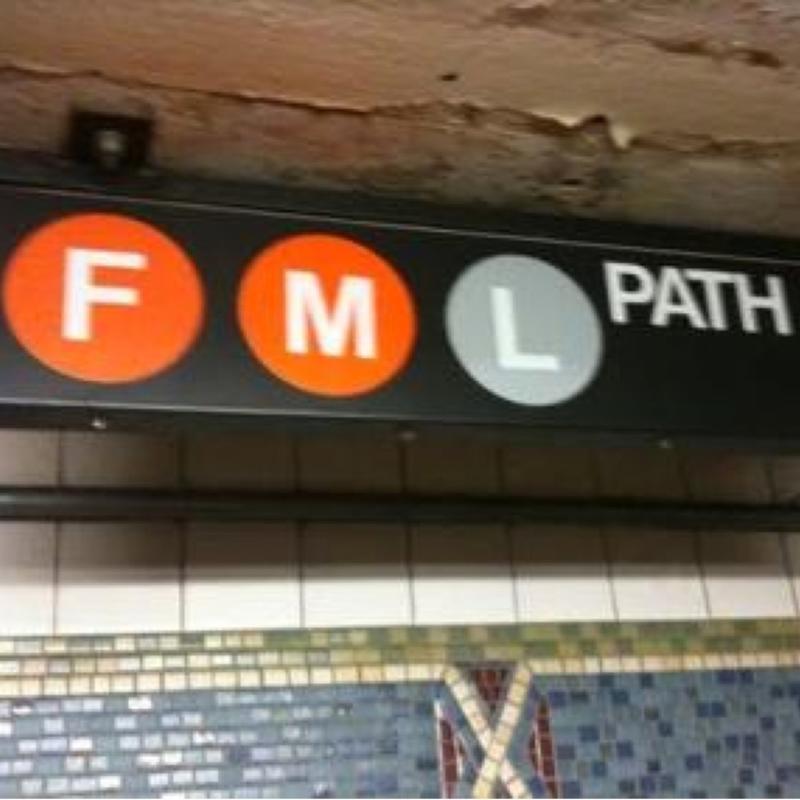
纽约作为的全球最知名的大都会、全美最大城市,却承载着一套“老旧且脆弱”的公共交通基础设施。技术和资金壁垒固然是常见的制约因素,但这座城市独特的制度基因才是影响基建发展的关键。
在这期番外节目中,嘉宾罗雨翔就从纽约地铁为什么这么烂讲起,分析了纽约城市发展背后的政治与经济。这期番外播客剪辑于第214期纽约文化沙龙的录音,由罗雨翔于2025年4月13日主讲。罗雨翔此前也做过另一期和纽约相关的节目《纽约的房价到底为什么这么高?》,两期播客都发布在我们的友台《选修课》上,也欢迎大家前去收听,并关注这档播客。
如果你对这期节目内容感兴趣,请关注主讲人罗雨翔的新书《创造大都会——纽约空间与制度观察》!国内各大平台均有销售(淘宝、当当、京东),海外用户请使用这个链接购买。
【支持我们】
如果喜欢这期节目并希望支持我们将节目继续做下去:
也欢迎加入我们的会员计划: https://theamericanroulette.com/paid-membership/
会员可以收到每周2-5封newsletter,可以加入会员社群,参加会员活动,并享受更多福利。
合作投稿邮箱:[email protected]
【时间轴】
* 00:02:00 纽约的地铁为何如此糟糕?基础设施背后的政治经济学
* 00:09:09 从电影《小丑》看纽约地铁问题的历史渊源
* 00:11:54 政府预算里的“两本账”如何影响了城市基建?
* 00:12:48 地铁运营权转移给州政府背后的政治经济学博弈
* 00:20:45 拉瓜迪亚机场为何没有地铁快线?社区利益与公共项目的冲突
* 00:25:14 环境保护法如何导致公共建设效率降低?
* 00:35:38 纽约街道规划如何成就了城市的宜居性?
* 00:39:56 “曼哈顿网格规划”的历史意义与经济逻辑
* 00:49:11 “商业改进区”如何推动纽约街区建设?
* 00:58:04 “公共与私人合作”模式的优势与隐患
【我们是谁】
选修课 Universus 是一档分享和探讨泛文化话题的中文播客,脱胎于2013年创办的纽约文化沙龙。 我们力求引发对学科方法和视角的认知和思考,而不仅仅是知识的传递。我们在组织活动的过程中积累了一些经验和人脉,尝试打造成年人的博雅教育,并在播客中拓展这样的探索。我们希望审视和反抗无意识的价值规训与随波逐流。我们希望冷酷地剖析自己的偏见,热忱地拥抱多元视角。我们希望去工具化,真诚地感知、理解、创造自己的生活和复杂的世界。我们追随原初的好奇而非代餐式的猎奇。话题可以轻松,方法力求严肃。在《选修课》里,我们互相映照,唤醒失落的维度。
主播: 老赵:理论物理学博士,软件工程师,纽约文化沙龙组织者。
主讲: 罗雨翔:美国注册城市规划师,哈佛大学与伦敦政治经济学院建筑与经济双硕士。现居纽约,参与以及主持北美20余地区的地产开发、区域经济政策与公共领域投资项目。
【 What We Talked About】
This episode dives into an intriguing paradox: New York City, a globally renowned metropolis with robust finances, yet burdened by an aging and fragile subway system. American certified urban planner Yuxiang Luo guides us through the intricate political and economic logic underlying the city's infrastructure issues. From budgetary mechanisms and political negotiations between state and city governments to the pros and cons of public participation systems, we realize infrastructure problems are far more than mere technical or financial issues—they're complex entanglements of institutions, history, and power dynamics.
Several thought-provoking questions arise during the discussion: Why is New York, despite its significant financial resources, unable to efficiently invest in its infrastructure? Why does subway management lie in the hands of the state rather than the city government? How can small interest groups exert outsized influence over significant public projects? Is this model protecting public welfare, or is it the fundamental cause behind the inefficiency and high costs of public construction? Is the New York model of public-private cooperation genuinely innovative, or does it carry deep institutional flaws?
If you find this episode interesting, please check out our speaker Luo Yuxiang‘s new book 《创造大都会》!
【Support Us】
If you like our show and want to support us, please consider the following:
Join our membership program: https://theamericanroulette.com/paid-membership/
Support us on Patreon: www.patreon.com/americanroulette
Business Inquiries and fan mail: [email protected]
【Timeline】
* 00:02:00 Why is New York’s subway system so bad? The political economy behind infrastructure
* 00:09:09 Tracing the historical roots of NYC’s subway problems through the movie "Joker"
* 00:11:54 How do the government’s “two budgets” impact urban infrastructure?
* 00:12:48 The political-economic game behind transferring subway management to state government
* 00:20:45 Why doesn’t LaGuardia Airport have a direct rail link? Conflicts between community interests and public projects
* 00:25:14 How does environmental law reduce efficiency in public construction?
* 00:35:38 How did New York’s street planning contribute to the city’s livability?
* 00:39:56 Historical significance and economic logic of the Manhattan grid plan
* 00:49:11 How do Business Improvement Districts promote neighborhood development in NYC?
* 00:58:04 Advantages and pitfalls of the public-private partnership model
【Who We Are】
选修课 Universus is a Chinese-language podcast created by the same people who founded the New York Chinese Cultural Salon (纽约文化沙龙)in 2013. The past decade of organizing events and talks put us in a position of creating a sort of liberal arts education experience for those who have left school. We strive to go beyond merely transmitting knowledge to reflecting on complex topics using cross-disciplinary perspectives. We strive to resist conformity, to dissect our own biases, and to embrace diverse schools of thought. Our goal is to help professionals resist becoming just a tool of production, and to understand the world around us in earnest. We let our genuine curiosity be our guide. With a light-hearted tone, we approach each topic seriously. We hope that “选修课 Universus” creates a space to explore lost dimensions.
Hosted by: Lao Zhao: PhD in Theoretical Physics, software engineer, and organizer of the New York Cultural Salon.
Guest: Luo Yuxiang: U.S. Registered Urban Planner, holding dual master's degrees in Architecture and Economics from Harvard University and the London School of Economics. Currently residing in New York, he has participated in and led over 20 real estate development, regional economic policy, and public domain investment projects across North America.
Support on Patreon | 爱发电上赞助
在上一期的节目中,我们讨论了刚刚赢得民主党纽约市长初选的新生力量马姆达尼。我们在播客中也提到,如果马姆达尼能够在11月击败其他候选者,成为纽约市长的话,将不可避免地要和州长、市议会、州议会、NYPD等等多方势力和利益团体打交道,来实现自己的承诺,也不可避免的要进行妥协。马姆达尼在竞选中喊出了要实现纽约公交免费的目标,如果要实现这一目标,就需要和掌管纽约地铁、公交和通勤铁路的纽约大都会运输署,也就是MTA打交道。
纽约作为的全球最知名的大都会、全美最大城市,却承载着一套“老旧且脆弱”的公共交通基础设施。技术和资金壁垒固然是常见的制约因素,但这座城市独特的制度基因才是影响基建发展的关键。
在这期番外节目中,嘉宾罗雨翔就从纽约地铁为什么这么烂讲起,分析了纽约城市发展背后的政治与经济。这期番外播客剪辑于第214期纽约文化沙龙的录音,由罗雨翔于2025年4月13日主讲。罗雨翔此前也做过另一期和纽约相关的节目《纽约的房价到底为什么这么高?》,两期播客都发布在我们的友台《选修课》上,也欢迎大家前去收听,并关注这档播客。
如果你对这期节目内容感兴趣,请关注主讲人罗雨翔的新书《创造大都会——纽约空间与制度观察》!国内各大平台均有销售(淘宝、当当、京东),海外用户请使用这个链接购买。
【支持我们】
如果喜欢这期节目并希望支持我们将节目继续做下去:
也欢迎加入我们的会员计划: https://theamericanroulette.com/paid-membership/
会员可以收到每周2-5封newsletter,可以加入会员社群,参加会员活动,并享受更多福利。
合作投稿邮箱:[email protected]
【时间轴】
* 00:02:00 纽约的地铁为何如此糟糕?基础设施背后的政治经济学
* 00:09:09 从电影《小丑》看纽约地铁问题的历史渊源
* 00:11:54 政府预算里的“两本账”如何影响了城市基建?
* 00:12:48 地铁运营权转移给州政府背后的政治经济学博弈
* 00:20:45 拉瓜迪亚机场为何没有地铁快线?社区利益与公共项目的冲突
* 00:25:14 环境保护法如何导致公共建设效率降低?
* 00:35:38 纽约街道规划如何成就了城市的宜居性?
* 00:39:56 “曼哈顿网格规划”的历史意义与经济逻辑
* 00:49:11 “商业改进区”如何推动纽约街区建设?
* 00:58:04 “公共与私人合作”模式的优势与隐患
【我们是谁】
选修课 Universus 是一档分享和探讨泛文化话题的中文播客,脱胎于2013年创办的纽约文化沙龙。 我们力求引发对学科方法和视角的认知和思考,而不仅仅是知识的传递。我们在组织活动的过程中积累了一些经验和人脉,尝试打造成年人的博雅教育,并在播客中拓展这样的探索。我们希望审视和反抗无意识的价值规训与随波逐流。我们希望冷酷地剖析自己的偏见,热忱地拥抱多元视角。我们希望去工具化,真诚地感知、理解、创造自己的生活和复杂的世界。我们追随原初的好奇而非代餐式的猎奇。话题可以轻松,方法力求严肃。在《选修课》里,我们互相映照,唤醒失落的维度。
主播: 老赵:理论物理学博士,软件工程师,纽约文化沙龙组织者。
主讲: 罗雨翔:美国注册城市规划师,哈佛大学与伦敦政治经济学院建筑与经济双硕士。现居纽约,参与以及主持北美20余地区的地产开发、区域经济政策与公共领域投资项目。
【 What We Talked About】
This episode dives into an intriguing paradox: New York City, a globally renowned metropolis with robust finances, yet burdened by an aging and fragile subway system. American certified urban planner Yuxiang Luo guides us through the intricate political and economic logic underlying the city's infrastructure issues. From budgetary mechanisms and political negotiations between state and city governments to the pros and cons of public participation systems, we realize infrastructure problems are far more than mere technical or financial issues—they're complex entanglements of institutions, history, and power dynamics.
Several thought-provoking questions arise during the discussion: Why is New York, despite its significant financial resources, unable to efficiently invest in its infrastructure? Why does subway management lie in the hands of the state rather than the city government? How can small interest groups exert outsized influence over significant public projects? Is this model protecting public welfare, or is it the fundamental cause behind the inefficiency and high costs of public construction? Is the New York model of public-private cooperation genuinely innovative, or does it carry deep institutional flaws?
If you find this episode interesting, please check out our speaker Luo Yuxiang‘s new book 《创造大都会》!
【Support Us】
If you like our show and want to support us, please consider the following:
Join our membership program: https://theamericanroulette.com/paid-membership/
Support us on Patreon: www.patreon.com/americanroulette
Business Inquiries and fan mail: [email protected]
【Timeline】
* 00:02:00 Why is New York’s subway system so bad? The political economy behind infrastructure
* 00:09:09 Tracing the historical roots of NYC’s subway problems through the movie "Joker"
* 00:11:54 How do the government’s “two budgets” impact urban infrastructure?
* 00:12:48 The political-economic game behind transferring subway management to state government
* 00:20:45 Why doesn’t LaGuardia Airport have a direct rail link? Conflicts between community interests and public projects
* 00:25:14 How does environmental law reduce efficiency in public construction?
* 00:35:38 How did New York’s street planning contribute to the city’s livability?
* 00:39:56 Historical significance and economic logic of the Manhattan grid plan
* 00:49:11 How do Business Improvement Districts promote neighborhood development in NYC?
* 00:58:04 Advantages and pitfalls of the public-private partnership model
【Who We Are】
选修课 Universus is a Chinese-language podcast created by the same people who founded the New York Chinese Cultural Salon (纽约文化沙龙)in 2013. The past decade of organizing events and talks put us in a position of creating a sort of liberal arts education experience for those who have left school. We strive to go beyond merely transmitting knowledge to reflecting on complex topics using cross-disciplinary perspectives. We strive to resist conformity, to dissect our own biases, and to embrace diverse schools of thought. Our goal is to help professionals resist becoming just a tool of production, and to understand the world around us in earnest. We let our genuine curiosity be our guide. With a light-hearted tone, we approach each topic seriously. We hope that “选修课 Universus” creates a space to explore lost dimensions.
Hosted by: Lao Zhao: PhD in Theoretical Physics, software engineer, and organizer of the New York Cultural Salon.
Guest: Luo Yuxiang: U.S. Registered Urban Planner, holding dual master's degrees in Architecture and Economics from Harvard University and the London School of Economics. Currently residing in New York, he has participated in and led over 20 real estate development, regional economic policy, and public domain investment projects across North America.
Support on Patreon | 爱发电上赞助
小宇宙热评

Nao_o
1年前
日本
28
为什么一个外国人对美国的政府预算和财政的了解比对本国政府预算和财政的了解更详细呢?国内很少能听到如此详细的省市的财政博弈,更多的只是“省会必吸血”,“发达地区必转移支付给贫困地区”这种一味地猜测。

secretguardian
1年前
北京
12
26:56 其实在国内很多工程项目按照流程也是有环境影响/社会稳定风险评估专题报告的工作以及项目公示 到当地政府/项目周边企业和居委会进行座谈活动之类的公众参与环节
像之前干活比较粗放大干快上的年代 很多人可能也没意识到自己有在项目规划设计阶段为自己发声的权利 但现在但凡自家周边有点动静 有这方面意识的人哪怕没听说有公示公参环节肯定也自发地打上12345开始提出质询了 如果是对自家周边环境/交通/房价之类因素影响大的 甚至会拉上自家邻居或全小区意见相投的人一起联名上书 乃至在投资方/决策方楼下拉横幅🙈
从好的方面来说普通民众的自我意识觉醒了 但从另一面来说项目立项实施过程中除了政府/规划设计/投资方之间要扯皮 未来还要更多考虑公众舆论方面的影响 无论项目本身好坏 夭折的概率很可能进一步增加_( :⁍ 」 )_
secretguardian
1年前
北京
10
22:07 个人利益被侵占的少数人肯定会拧成一股绳并用尽办法当会哭的孩子抢奶吃 但间接受益的多数人大概率觉得人这么多 总会有其他人帮我说话 结果在舆论场看起来前面提到的少数人声量特别大 但另一大帮多数人反倒鸦雀无声 导致最后看起来就像这个项目要是修了也没啥太大作用反倒引起舆论危机 那还不如不修了🌚

归二
1年前
英国
10
32:14 英国这边基建成本高很大程度也是同样的原因。任何一个项目背后都是数十数百份报告,加上针对各方意见的数轮回应谈判和妥协以及这个过程中产生的文件,真的是几天几夜都看不完。地方政府没有足够的人力来处理整合这些信息并且及时给出反馈,导致整个规划申请环节非常缓慢拖沓。雪上加霜的是,每逢换届选举地方政府都很谨慎,很多申请在系统里有如石沉大海,必须呆到下一任领导班子走马上任才会被重新拾起来。

wang一面
1年前
浙江
9
05:58 提示:标题内容从这开始 (前面是面试般的自我介绍

叫我喔喔哒
1年前
美国
7
正打算听呢,就看到今天新闻说纽约被淹了😂
小华-美轮美换
1年前
美国
6
这期播客这期播客首发在我们的友台选修课,大家请前往关注 https://www.xiaoyuzhoufm.com/podcast/6653bb72ac69187b78b770db

zayy
1年前
美国
4
讲得很好啊。罗老师有研究视角,兼顾传播技巧,相信这本书非常值得读。芝加哥的城市规划也很好,不知道是否学习了纽约经验。

朝闻起来
1年前
广东
4
那么未来的纽约地铁更新什么年代可完成?遥遥无期?

Xiao骁
1年前
美国
3
真正最大的白嫖其实是所有土地都是从印第安人手里抢来的。Wall Street的那个wall就是当年有堵用来挡住印第安人的墙。

HD481090v
1年前
广东
3
其实就简单总结一句话。纽约有钱,但是纽约地铁的财政负责主体不明确,相关责任方都不愿意花这笔钱。

HD876240m
1年前
上海
1
创造大都会这本书真的非常非常好看,微信读书已经上架了,推荐大家都去读

WJoel
1年前
浙江
1
17:27 啊?这就没了?州政府和市政府对地铁控制权的gap这个理由太表面了吧。毕竟地铁终究也是名声工程,州政府一次两次不理会,但这么多年还这么烂这个理由太没说服力了

Christina_
1年前
北京
1
11:28 是不是类似密西根一些州的“经济发展公司” MEDC(Michigan economic development corporation)?

睿杰
1年前
美国
1
都快变潜水艇了。

卢彦桦
1年前
湖南
0
想象一下纽约市的基础设施建设,特别是其地铁系统,就像一张由许多手经过几个世纪编织而成的巨大而复杂的挂毯。“纱线”是财政资源和技术能力,但“编织模式”本身——无论是紧密高效还是松散多孔——是由城市独特的制度“织机”决定的。这台织机由历史决策、州政府和市政府之间复杂的相互作用、社区团体的力量以及根深蒂固的谈判和诉讼文化构成。有时,这种模式会产生美丽、实用的部分,就像街道网格。其他时候,线团缠绕,或者不同的编织者向相反的方向拉扯,导致部分磨损或不完整,就像老化的地铁系统,这不是因为没有足够的纱线,而是因为编织过程本身充满了历史约束和相互冲突的利益。

鹅妹子嘤嘤嘤
1年前
美国
0
1:28:40 lol可以不推lic的楼

Archerdo
1年前
北京
0
感觉听到最后都没讲清楚

大风歌大棚菜
1年前
湖南
0
谢谢。

iyang101
1年前
陕西
0
很简单的道理,北京上海为什么那么多棚户区

外观