主播
节目简介
来源:小宇宙
Published during Qingming Festival—China’s annual tomb-sweeping holiday when families gather to honor their ancestors.
What do we inherit from the people who came before us—and what do we pass on?
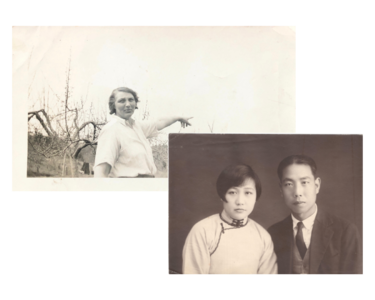
This episode, Meg and Amy follow death across three continents. By the time you hear this, Meg will be on her fifth trip to China—this time, to bury her husband’s grandfather’s ashes in his home village in Hunan. She reflects on what it means to travel as a mother into a culture that is both foreign and deeply familiar, to say goodbye to a generation she only barely knew, and to carry her daughter into those same roots.
Amy brings her own story: tracing her husband’s great-grandfather’s grave to a Japanese community cemetery in Maui, Hawaii, and sitting with the long arc of a life lived far from home.
Together, they wander through questions that only the dead seem qualified to answer. What is actually worth keeping—and what do we burn? How does grief make you feel more in a family, not less? And what happens when you stand in a Chinese village and hear funeral music so beautiful it stops you cold?
This is an episode about mortality as a perspective-shifter. About the grandfather who wanted to be a pilot and became a doctor instead, and how a single redirect in 1940s China echoes across generations. About a Finnish great-grandmother who made her last mortgage payment while on her death bed, and what her house still holds.
Death, it turns out, is the most universal cross-cultural experience there is.
Topics covered:
* Meg’s fifth trip to China: burying her husband’s grandfather in his home village
* Traveling as a mother and navigating grief across cultures
* Amy’s cemetery visit in Hawaii and a Japanese immigrant community’s history
* The trance-like funeral music Meg heard in a Hunan village
* Qingming Festival: camping, hiking, and a lighter approach to honoring the dead
* Burning belongings after death—what Amy’s family keeps and releases
* A grandfather born in 1931 during Japanese occupation who wanted to fly
* Meg’s Finnish great-grandmother and walking through her house when it was listed for sale last summer
* Death as a perspective-shifter for unemployment, anxiety, and daily stress
* What we want our children to know about where they come from
我们从先辈那里继承了什么,又将把什么传递给后人?
这一期,Meg 与 Amy 跨越三大洲,寻根已逝家人的踪迹。当你听到这段声音时,Meg 已经踏上了她的第五次中国之行——这一次回中国的原因是将她丈夫祖父的骨灰送回湖南故土,安葬于他成长的村庄之中。Meg思考,作为一位混血女儿的母亲,当她牵着女儿的手,走进一个对她而言既陌生又无比熟悉的文化意味着什么;如何向那一代仅有些许交集的人告别;又如何放置她女儿和其文化根脉的纠葛。
Amy 则带来了她的故事:在夏威夷毛伊岛的一处日裔社区墓园里,她寻得了丈夫曾祖父的墓。墓地里有一排排的日语名字,和静默地,远离故土的,永远不会被后人知晓的故事。
她们一同徘徊于那些似乎只有亡者才能作答的问题之间:什么真正值得留存,什么又该付之一炬?哀恸何以让人更深地融入一个集体?当你站在一个遥远的中国村庄里,听到那样美得令人屏息的葬礼音乐时,你会有什么感受?
这是一期关于死亡如何重塑视角的节目。这期节目关于那位本想成为飞行员、却转而学医的祖父,以及他在1940年代的中国做出的那个转向如何塑造了之后几代人的命运轨迹。这期节目也关于一位芬兰曾祖母,在病榻上付清了最后一笔房贷,而那栋房子至今仍留存着她的印记。
死亡,原来是最普世的跨文化体验。
本期话题包括:
* Meg 的第五次中国之行:将丈夫祖父安葬于湖南家乡村落
* 作为母亲,在跨文化的悲伤中前行
* Amy 在夏威夷寻访日裔移民社区的墓地
* Meg 在湖南某村庄听到的如入梦境的葬礼音乐
* 清明节:露营、爬山,以及一种更轻盈的祭祖方式
* 身后焚物:Amy 家族的告别仪式——留下什么,放下什么
* 一位生于1931年、日占时期渴望飞翔的祖父
* Meg 的芬兰曾祖母,以及去年夏天房子挂牌时她走过那栋老屋的记忆
* 死亡如何为失业、焦虑与日常压力带来更大的视角
* 我们希望孩子知道自己的根
If you’re reading this in your inbox or on Substack, yay! If you’re not, you can join us on Substack here—where you’ll be the first to know about every new episode and update.
And be sure to follow along with us on…
Instagram: @spark_podcast
WeChat: TheSparkPodcast
Little Universe: The Spark Podcast (赵枣Amy_火花)
Himalaya: The Spark Podcast 火花电台
NetEase:The Spark Podcast 火花电台
如果你是通过Substack的邮件而了解到我们的播客,欢迎你且祝贺你找到了联系我们的最佳渠道!
如果你不了解Sutbstack, 那么,你可以点击这里来关注我们。关注以后,你将了解到我们所有的更新和动态。
我们其他的官方社交平台有:
Instagram: @spark_podcast
微信公众号: TheSparkPodcast
小宇宙: The Spark Podcast (赵枣Amy_火花)
喜马拉雅: The Spark Podcast 火花电台
网易云音乐:The Spark Podcast 火花电台
If this podcast means something to you, it would mean so much to us if you’d be willing to take 30 seconds to do each or all of these three things. First, can you please follow or subscribe to The Spark Podcast? Following The Spark Podcast helps you because you’ll never miss an episode. And it helps us because you’ll never miss an episode. To do this, just go to The Spark Podcast show page on Apple Podcasts, Spotify, or wherever you listen to podcasts, and then just tap the plus sign in the upper right-hand corner or click on follow. This is the most important thing for The Spark. While you’re there, if you’d be willing to give us a five star rating and review and share an episode you loved with a friend, we would be so grateful. We appreciate you very much. Thank you for being here.
如果你喜欢这个播客,且愿意花30秒钟做以下这三件事中的任意一件事情,那对我们来说都非常举足轻重。
首先,请你关注或订阅《The Spark Podcast》。关注《The Spark Podcast》会让你第一时间了解我们的动态,这样你不会错过任何一集节目。关注我们,给我们留言,也可以让我们更加了解你。我们会认真阅读每一条评论,并且认真做出回复。
想和我们保持联系和文字交流,只需前往Apple Podcasts、Spotify或你习惯听播客的任何平台,寻找“The Spark Podcast by Meg and Amy 火花电台”的节目页面,然后点击右上角的加号或关注按钮即可。这是对于The Spark Podcast火花电台最重要的事情。
如果你愿意给我们一个五星评级,并邀请朋友分享你喜欢的一集节目,我们会非常感激!
感谢你一直以来的支持。是你们的存在,让我们知道火花再小,也可以无比璀璨。
This is a public episode. If you would like to discuss this with other subscribers or get access to bonus episodes, visit thesparkpodcast.substack.com
What do we inherit from the people who came before us—and what do we pass on?
This episode, Meg and Amy follow death across three continents. By the time you hear this, Meg will be on her fifth trip to China—this time, to bury her husband’s grandfather’s ashes in his home village in Hunan. She reflects on what it means to travel as a mother into a culture that is both foreign and deeply familiar, to say goodbye to a generation she only barely knew, and to carry her daughter into those same roots.
Amy brings her own story: tracing her husband’s great-grandfather’s grave to a Japanese community cemetery in Maui, Hawaii, and sitting with the long arc of a life lived far from home.
Together, they wander through questions that only the dead seem qualified to answer. What is actually worth keeping—and what do we burn? How does grief make you feel more in a family, not less? And what happens when you stand in a Chinese village and hear funeral music so beautiful it stops you cold?
This is an episode about mortality as a perspective-shifter. About the grandfather who wanted to be a pilot and became a doctor instead, and how a single redirect in 1940s China echoes across generations. About a Finnish great-grandmother who made her last mortgage payment while on her death bed, and what her house still holds.
Death, it turns out, is the most universal cross-cultural experience there is.
Topics covered:
* Meg’s fifth trip to China: burying her husband’s grandfather in his home village
* Traveling as a mother and navigating grief across cultures
* Amy’s cemetery visit in Hawaii and a Japanese immigrant community’s history
* The trance-like funeral music Meg heard in a Hunan village
* Qingming Festival: camping, hiking, and a lighter approach to honoring the dead
* Burning belongings after death—what Amy’s family keeps and releases
* A grandfather born in 1931 during Japanese occupation who wanted to fly
* Meg’s Finnish great-grandmother and walking through her house when it was listed for sale last summer
* Death as a perspective-shifter for unemployment, anxiety, and daily stress
* What we want our children to know about where they come from
我们从先辈那里继承了什么,又将把什么传递给后人?
这一期,Meg 与 Amy 跨越三大洲,寻根已逝家人的踪迹。当你听到这段声音时,Meg 已经踏上了她的第五次中国之行——这一次回中国的原因是将她丈夫祖父的骨灰送回湖南故土,安葬于他成长的村庄之中。Meg思考,作为一位混血女儿的母亲,当她牵着女儿的手,走进一个对她而言既陌生又无比熟悉的文化意味着什么;如何向那一代仅有些许交集的人告别;又如何放置她女儿和其文化根脉的纠葛。
Amy 则带来了她的故事:在夏威夷毛伊岛的一处日裔社区墓园里,她寻得了丈夫曾祖父的墓。墓地里有一排排的日语名字,和静默地,远离故土的,永远不会被后人知晓的故事。
她们一同徘徊于那些似乎只有亡者才能作答的问题之间:什么真正值得留存,什么又该付之一炬?哀恸何以让人更深地融入一个集体?当你站在一个遥远的中国村庄里,听到那样美得令人屏息的葬礼音乐时,你会有什么感受?
这是一期关于死亡如何重塑视角的节目。这期节目关于那位本想成为飞行员、却转而学医的祖父,以及他在1940年代的中国做出的那个转向如何塑造了之后几代人的命运轨迹。这期节目也关于一位芬兰曾祖母,在病榻上付清了最后一笔房贷,而那栋房子至今仍留存着她的印记。
死亡,原来是最普世的跨文化体验。
本期话题包括:
* Meg 的第五次中国之行:将丈夫祖父安葬于湖南家乡村落
* 作为母亲,在跨文化的悲伤中前行
* Amy 在夏威夷寻访日裔移民社区的墓地
* Meg 在湖南某村庄听到的如入梦境的葬礼音乐
* 清明节:露营、爬山,以及一种更轻盈的祭祖方式
* 身后焚物:Amy 家族的告别仪式——留下什么,放下什么
* 一位生于1931年、日占时期渴望飞翔的祖父
* Meg 的芬兰曾祖母,以及去年夏天房子挂牌时她走过那栋老屋的记忆
* 死亡如何为失业、焦虑与日常压力带来更大的视角
* 我们希望孩子知道自己的根
If you’re reading this in your inbox or on Substack, yay! If you’re not, you can join us on Substack here—where you’ll be the first to know about every new episode and update.
And be sure to follow along with us on…
Instagram: @spark_podcast
WeChat: TheSparkPodcast
Little Universe: The Spark Podcast (赵枣Amy_火花)
Himalaya: The Spark Podcast 火花电台
NetEase:The Spark Podcast 火花电台
如果你是通过Substack的邮件而了解到我们的播客,欢迎你且祝贺你找到了联系我们的最佳渠道!
如果你不了解Sutbstack, 那么,你可以点击这里来关注我们。关注以后,你将了解到我们所有的更新和动态。
我们其他的官方社交平台有:
Instagram: @spark_podcast
微信公众号: TheSparkPodcast
小宇宙: The Spark Podcast (赵枣Amy_火花)
喜马拉雅: The Spark Podcast 火花电台
网易云音乐:The Spark Podcast 火花电台
If this podcast means something to you, it would mean so much to us if you’d be willing to take 30 seconds to do each or all of these three things. First, can you please follow or subscribe to The Spark Podcast? Following The Spark Podcast helps you because you’ll never miss an episode. And it helps us because you’ll never miss an episode. To do this, just go to The Spark Podcast show page on Apple Podcasts, Spotify, or wherever you listen to podcasts, and then just tap the plus sign in the upper right-hand corner or click on follow. This is the most important thing for The Spark. While you’re there, if you’d be willing to give us a five star rating and review and share an episode you loved with a friend, we would be so grateful. We appreciate you very much. Thank you for being here.
如果你喜欢这个播客,且愿意花30秒钟做以下这三件事中的任意一件事情,那对我们来说都非常举足轻重。
首先,请你关注或订阅《The Spark Podcast》。关注《The Spark Podcast》会让你第一时间了解我们的动态,这样你不会错过任何一集节目。关注我们,给我们留言,也可以让我们更加了解你。我们会认真阅读每一条评论,并且认真做出回复。
想和我们保持联系和文字交流,只需前往Apple Podcasts、Spotify或你习惯听播客的任何平台,寻找“The Spark Podcast by Meg and Amy 火花电台”的节目页面,然后点击右上角的加号或关注按钮即可。这是对于The Spark Podcast火花电台最重要的事情。
如果你愿意给我们一个五星评级,并邀请朋友分享你喜欢的一集节目,我们会非常感激!
感谢你一直以来的支持。是你们的存在,让我们知道火花再小,也可以无比璀璨。
This is a public episode. If you would like to discuss this with other subscribers or get access to bonus episodes, visit thesparkpodcast.substack.com

外观