主播


节目简介
来源:小宇宙
节目简介
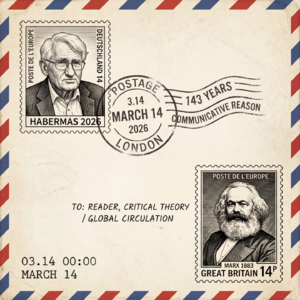
1883年3月14日马克思在伦敦逝世,143年后的同一天,哈贝马斯在德国离世。从"打破锁链"的激进革命到"好好说话"的沟通理性,这是跨越百年的思想宿命交接。
但在算法操控情绪、极化成为常态的后真相时代,哈贝马斯用96岁人生捍卫的"好好说话是有用的"的哲学,还有价值吗?
主播
* 🎙️浪浪:相信"好好说话"力量的三十岁愤青
时间轴 Timeline
📍历史交接
00:39 "去见马克思了":死亡的革命幽默
02:15 马克思到哈贝马斯的两种路径
03:08 后真相时代我们还能对话吗?哈贝马斯的沟通姿态
💔了解哈贝马斯:创伤与觉醒
07:16 兔唇与口吃:生理缺陷的哲学升华
09:21 纳粹德国伪沟通的恐怖教训
11:31 被霍克海默拒绝的论文
⚖️哈贝马斯的问题意识:理性怎么了
13:49 理性启蒙的许诺
16:20 工具理性与大屠杀
18:23 沟通理性的救赎
20:47 福柯德里达的质疑
23:29 哈贝马斯的强力反驳
25:22 沟通理性的有效性声称
📚理解哈贝马斯的三本书
29:28 《公共领域的结构转型》
33:18 《现代性的哲学话语》
35:21 《包容他者》
38:21 留给中国:现代性能否继续?
41:03 好好说话与愤怒的价值
本期提及
👤人物:
* 尤尔根·哈贝马斯:1929-2026,法兰克福学派第二代代表,"沟通理性"捍卫者
* 童世骏:华东师范大学教授,哈贝马斯晚年通信对象
* 霍克海默:法兰克福学派第一代领袖,哈贝马斯导师,拒批《公共领域的结构转型》
* 阿多诺:法兰克福学派第一代,"奥斯维辛之后写诗是野蛮的"
* 福柯:后现代思想家,质疑话语即权力
* 德里达:解构主义代表,质疑语言可靠性
* 霍耐特:哈贝马斯学生,法兰克福学派第三代代表,强调"承认"而非"沟通"
📖书籍:
* 《公共领域的结构转型》:哈贝马斯教授资格论文,探讨公共领域的兴衰
* 《现代性的哲学话语》:与后现代思潮正面交锋,区分工具理性与沟通理性
* 《包容他者》:提出"宪法爱国主义",回应多元社会如何共存
* 《启蒙辩证法》:霍克海默与阿多诺合著,对大众文化绝望
💡概念:
* 工具理性:只问手段效率,不问目的价值(马克思韦伯)
* 沟通理性:通过论证寻求相互理解,"更好论证的非强制力量"
* 系统殖民生活世界:管理系统用效率逻辑侵入生活尊严空间
* 有效性声称:真实性(事实)、正当性(规范)、真诚性(意图)
* 重新封建化:数字时代公共领域被流量和算法重新操控
* 宪法爱国主义:以宪法原则而非血缘文化作为公民认同基础
联系我们
* 💬听友群:添加微信【DrToGo】(备注"三醒吾神")
* 📕小红书:@三醒吾神
片尾曲powered by SunoAI
LyricsI(歌词)
[Intro - Instrumental](Single piano note in lowest bass register, resonating like a question hanging in air - like Beethoven Op. 111 opening)(Sound of heavy book being placed on wooden desk)(Piano plays three ascending notes: C - E - G, questioning, unresolved)
[Verse 1]三月十四日 伦敦的寒风里马克思放下笔 走了四十三年一百四十三年后 三月十四日哈贝马斯闭上眼 把话没说完
[Verse 2]有人要掀桌子 有人要慢慢谈从改变世界到 试着沟通看工具理性 人当资源怎么算但沟通理性说 好好说话才算
[Chorus]说是有用的 说是有用的好好说话是 最后的救赎当金钱买通一切 当暴力锁住咽喉只有更好论证 让我们不跪下屈服
[Verse 3]九十六岁的 二十七分钟兔唇的口吃者 写下沟通的梦系统殖民了 全部的生活世界理想言说情境 还能不能实现
[Bridge - Speed Up]现代性是个 未完成的计划哲学家说绝望 但哈贝马斯要继续政治的精神病 在推特上狂欢可还是要对话 哪怕胜算为零点
[Chorus]说是有用的 说是有用的理性没有死 只是被用偏更好论证 非强制的力量让我们在 沟通中找共识
[Outro - Slow Down]未完成的计划 传给谁的手欧洲的疲倦 东亚的守候理性沟通 在现代性尽头别放弃说话 别放弃交流
(Piano plays final chord: loud, decisive, then immediately soft single high note fading - like an answer that becomes a new question)(Sound of fountain pen cap closing, definitive)(Silence)
Style(曲风描述)
[Verse]German philosophical march in solemn tempo, Beethoven-esque piano sonata orchestrationFeaturing: Solo grand piano as absolute lead (dramatic octave bass, heroic right-hand melodies, sudden dynamic shifts from pp to ff), sustained cello and double bass drones, distant brass fanfares (French horns and trumpets with cloth-muted warmth), timpani rolls representing intellectual thunderTempo: Stately march tempo, Andante maestoso, 72-76 BPM (heavy quarter-note emphasis, like a thinking man's procession)Mood: Profoundly serious, historically weighty, tragic optimism, stern but deeply humaneAtmosphere: 19th century German university lecture hall, winter in Berlin, gas lamps, marble statues of Kant and Hegel, snow falling on cobblestonesReference: Beethoven Piano Sonata Op. 111 (Arietta) meets Brahms Academic Festival Overture meets Schubert's late impromptus meets Hans Zimmer's "Interstellar" organ scenes (but with piano dominant)Production: Rich, warm, analog reverb like Deutsche
Grammophon recordings, piano miked very closely (felt hammers and wood resonance audible), orchestra supporting the piano's argument, not overwhelming it
[Chorus - The Philosophical March]Full orchestral unison with piano leading, Heroic yet melancholic march rhythm (strong beats 1 and 3), cellos playing the main theme in octaves below piano, brass answering piano phrases like philosophical counter-argumentsTempo remains steady but intensity builds through dynamics (Beethoven's "Hammerklavier" approach: power through structure, not speed)
[Bridge - Agitation]Piano breaks into Beethoven-style agitato (rapid broken chords, left hand jumping, right hand declaiming), strings playing tremolo, tempo accelerates slightly to Allegro (90-100 BPM) representing dialectical clash, but keeping classical discipline (no chaos)Woodwinds enter with anxious motifs (tools vs communication battle)
[Outro - Return to Solitude]Solo piano only, single notes spaced widely apart (like late Beethoven Op. 111 final chords), each note decaying naturally into the hall's silence, ending on an unresolved dominant seventh (question hanging)
1883年3月14日马克思在伦敦逝世,143年后的同一天,哈贝马斯在德国离世。从"打破锁链"的激进革命到"好好说话"的沟通理性,这是跨越百年的思想宿命交接。
但在算法操控情绪、极化成为常态的后真相时代,哈贝马斯用96岁人生捍卫的"好好说话是有用的"的哲学,还有价值吗?
主播
* 🎙️浪浪:相信"好好说话"力量的三十岁愤青
时间轴 Timeline
📍历史交接
00:39 "去见马克思了":死亡的革命幽默
02:15 马克思到哈贝马斯的两种路径
03:08 后真相时代我们还能对话吗?哈贝马斯的沟通姿态
💔了解哈贝马斯:创伤与觉醒
07:16 兔唇与口吃:生理缺陷的哲学升华
09:21 纳粹德国伪沟通的恐怖教训
11:31 被霍克海默拒绝的论文
⚖️哈贝马斯的问题意识:理性怎么了
13:49 理性启蒙的许诺
16:20 工具理性与大屠杀
18:23 沟通理性的救赎
20:47 福柯德里达的质疑
23:29 哈贝马斯的强力反驳
25:22 沟通理性的有效性声称
📚理解哈贝马斯的三本书
29:28 《公共领域的结构转型》
33:18 《现代性的哲学话语》
35:21 《包容他者》
38:21 留给中国:现代性能否继续?
41:03 好好说话与愤怒的价值
本期提及
👤人物:
* 尤尔根·哈贝马斯:1929-2026,法兰克福学派第二代代表,"沟通理性"捍卫者
* 童世骏:华东师范大学教授,哈贝马斯晚年通信对象
* 霍克海默:法兰克福学派第一代领袖,哈贝马斯导师,拒批《公共领域的结构转型》
* 阿多诺:法兰克福学派第一代,"奥斯维辛之后写诗是野蛮的"
* 福柯:后现代思想家,质疑话语即权力
* 德里达:解构主义代表,质疑语言可靠性
* 霍耐特:哈贝马斯学生,法兰克福学派第三代代表,强调"承认"而非"沟通"
📖书籍:
* 《公共领域的结构转型》:哈贝马斯教授资格论文,探讨公共领域的兴衰
* 《现代性的哲学话语》:与后现代思潮正面交锋,区分工具理性与沟通理性
* 《包容他者》:提出"宪法爱国主义",回应多元社会如何共存
* 《启蒙辩证法》:霍克海默与阿多诺合著,对大众文化绝望
💡概念:
* 工具理性:只问手段效率,不问目的价值(马克思韦伯)
* 沟通理性:通过论证寻求相互理解,"更好论证的非强制力量"
* 系统殖民生活世界:管理系统用效率逻辑侵入生活尊严空间
* 有效性声称:真实性(事实)、正当性(规范)、真诚性(意图)
* 重新封建化:数字时代公共领域被流量和算法重新操控
* 宪法爱国主义:以宪法原则而非血缘文化作为公民认同基础
联系我们
* 💬听友群:添加微信【DrToGo】(备注"三醒吾神")
* 📕小红书:@三醒吾神
片尾曲powered by SunoAI
LyricsI(歌词)
[Intro - Instrumental](Single piano note in lowest bass register, resonating like a question hanging in air - like Beethoven Op. 111 opening)(Sound of heavy book being placed on wooden desk)(Piano plays three ascending notes: C - E - G, questioning, unresolved)
[Verse 1]三月十四日 伦敦的寒风里马克思放下笔 走了四十三年一百四十三年后 三月十四日哈贝马斯闭上眼 把话没说完
[Verse 2]有人要掀桌子 有人要慢慢谈从改变世界到 试着沟通看工具理性 人当资源怎么算但沟通理性说 好好说话才算
[Chorus]说是有用的 说是有用的好好说话是 最后的救赎当金钱买通一切 当暴力锁住咽喉只有更好论证 让我们不跪下屈服
[Verse 3]九十六岁的 二十七分钟兔唇的口吃者 写下沟通的梦系统殖民了 全部的生活世界理想言说情境 还能不能实现
[Bridge - Speed Up]现代性是个 未完成的计划哲学家说绝望 但哈贝马斯要继续政治的精神病 在推特上狂欢可还是要对话 哪怕胜算为零点
[Chorus]说是有用的 说是有用的理性没有死 只是被用偏更好论证 非强制的力量让我们在 沟通中找共识
[Outro - Slow Down]未完成的计划 传给谁的手欧洲的疲倦 东亚的守候理性沟通 在现代性尽头别放弃说话 别放弃交流
(Piano plays final chord: loud, decisive, then immediately soft single high note fading - like an answer that becomes a new question)(Sound of fountain pen cap closing, definitive)(Silence)
Style(曲风描述)
[Verse]German philosophical march in solemn tempo, Beethoven-esque piano sonata orchestrationFeaturing: Solo grand piano as absolute lead (dramatic octave bass, heroic right-hand melodies, sudden dynamic shifts from pp to ff), sustained cello and double bass drones, distant brass fanfares (French horns and trumpets with cloth-muted warmth), timpani rolls representing intellectual thunderTempo: Stately march tempo, Andante maestoso, 72-76 BPM (heavy quarter-note emphasis, like a thinking man's procession)Mood: Profoundly serious, historically weighty, tragic optimism, stern but deeply humaneAtmosphere: 19th century German university lecture hall, winter in Berlin, gas lamps, marble statues of Kant and Hegel, snow falling on cobblestonesReference: Beethoven Piano Sonata Op. 111 (Arietta) meets Brahms Academic Festival Overture meets Schubert's late impromptus meets Hans Zimmer's "Interstellar" organ scenes (but with piano dominant)Production: Rich, warm, analog reverb like Deutsche
Grammophon recordings, piano miked very closely (felt hammers and wood resonance audible), orchestra supporting the piano's argument, not overwhelming it
[Chorus - The Philosophical March]Full orchestral unison with piano leading, Heroic yet melancholic march rhythm (strong beats 1 and 3), cellos playing the main theme in octaves below piano, brass answering piano phrases like philosophical counter-argumentsTempo remains steady but intensity builds through dynamics (Beethoven's "Hammerklavier" approach: power through structure, not speed)
[Bridge - Agitation]Piano breaks into Beethoven-style agitato (rapid broken chords, left hand jumping, right hand declaiming), strings playing tremolo, tempo accelerates slightly to Allegro (90-100 BPM) representing dialectical clash, but keeping classical discipline (no chaos)Woodwinds enter with anxious motifs (tools vs communication battle)
[Outro - Return to Solitude]Solo piano only, single notes spaced widely apart (like late Beethoven Op. 111 final chords), each note decaying naturally into the hall's silence, ending on an unresolved dominant seventh (question hanging)
小宇宙热评

李钟秀
6个月前
福建
0
真实性、正当性、真诚性何尝不是沟通层面的三省吾身呢?但比较沮丧的是,这些概念基本上只作用于本身就具有自省意识的人,最后有效的沟通可能也只发生于同温层

小胖钊
6个月前
北京
0
来了!
李钟秀
6个月前
福建
0
真实性、正当性、真诚性何尝不是沟通层面的三省吾身呢?但比较沮丧的是,这些概念基本上只作用于本身就具有自省意识的人,最后有效的沟通可能也只发生于同温层
小胖钊
6个月前
北京
0
来了!
李钟秀
6个月前
福建
0
真实性、正当性、真诚性何尝不是沟通层面的三省吾身呢?但比较沮丧的是,这些概念基本上只作用于本身就具有自省意识的人,最后有效的沟通可能也只发生于同温层
小胖钊
6个月前
北京
0
来了!

外观