The actor Jessie Buckley says she wasn’t surprised that she got pregnant right after she finished shooting “Hamnet.” The film — starring Paul Mescal as William Shakespeare and Buckley as his wife, Agnes — tells the story of a couple grieving the loss of their only son. “When I was filming ‘Hamnet,’ I deeply wanted to become a mother,” Buckley says. “And it was such a gift to move through this woman and her motherhood and her love and her loss before I became a mother myself.” On this episode of “Modern Love,” Buckley describes how she was able to access the vulnerability she portrayed onscreen. And she talks about how her life has changed since having her own child. Plus, she reads the Modern Love essay “The Wrong Kind of Inheritance” by Victoria Dougherty. How to submit a Modern Love Essay to The New York Times. How to submit a Tiny Love Story. Subscribe today at nytimes.com/podcasts or on Apple Podcasts and Spotify. You can also subscribe via your favorite podcast app here https://www.nytimes.com/activate-access/audio?source=podcatcher. For more podcasts and narrated articles, download The New York Times app at nytimes.com/app.
When Clare Cory was a young girl, she dreamed of love. But by the time she turned 50, she hadn’t found it. Still, she took a look around and found she was happy and looking forward to the future. Clare fell in love with life. She saw flowers bloom, watched sunlight sparkle on the water and held her cat on her lap. Her heart was full. And then, as Clare faced cancer and was about to turn 60, romance arrived. On today’s episode, Clare explains how she fell in love when she least expected it. Listen until the end for an update on Clare’s love story. This episode is adapted from Clare’s Tiny Love Story from 2024, Finally Finding “The Magic.” Subscribe today at nytimes.com/podcasts or on Apple Podcasts and Spotify. You can also subscribe via your favorite podcast app here https://www.nytimes.com/activate-access/audio?source=podcatcher. For more podcasts and narrated articles, download The New York Times app at nytimes.com/app.
The holiday season is upon us. It’s a wonderful time, but if we’re being honest, it’s also a little stressful. Whether you’re worried about hosting a big family gathering, talking with cousins who have very different perspectives on politics or awkward questions from prying aunts, the holidays are full of complicated relationship dynamics. On this episode of “Modern Love,” Nedra Glover Tawwab, a therapist, responds to questions from listeners about making the holidays just a bit more tolerable. Tawwab is the author of “Drama Free,” a guide to having better relationships with family, and the forthcoming book “The Balancing Act,” which is all about creating healthy dependency within relationships. She tells us why Black Friday is her practice’s busiest day of the year, and how we can all take control of our own holiday experience. How to submit a Modern Love Essay to the New York Times How to submit a Tiny Love Story Subscribe today at nytimes.com/podcasts or on Apple Podcasts and Spotify. You can also subscribe via your favorite podcast app here https://www.nytimes.com/activate-access/audio?source=podcatcher. For more podcasts and narrated articles, download The New York Times app at nytimes.com/app.
According to Ramit Sethi, a personal finance author and coach, a lot of couples get stuck bickering about everyday purchases. If you’re hung up on what’s in the cart at Target, or who’s buying too many iced teas on the way to work, Sethi says you’re missing the bigger picture, and a chance to live what he calls a truly “rich life” together. Sethi is the author of “I Will Teach You To Be Rich” and “Money for Couples.” He has a podcast, also called “Money for Couples,” and was host of the Netflix show “How to Get Rich.” On this episode of Modern Love, Sethi fields questions from listeners who want to have more constructive, and less tense, money conversations. He also explains how a little curiosity and compassion can help couples through emotional processes like merging their financial lives, disclosing their debts, and mapping out their dreams for a shared future. Read four takeaways from the episode here. Subscribe today at nytimes.com/podcasts or on Apple Podcasts and Spotify. You can also subscribe via your favorite podcast app here https://www.nytimes.com/activate-access/audio?source=podcatcher. For more podcasts and narrated articles, download The New York Times app at nytimes.com/app.
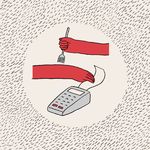
Janene Lin loathed the moment when the dinner bill would hit the table. When her date would pay, she felt like her love was for sale. Splitting the bill felt like no one had anything at stake. Most of the time, she would pay the bill herself, but that left her feeling uncared-for. So Janene prepared a pitch: On her next date, her third with a man named Aodhán, she would ask to open a joint bank account. On this episode of Modern Love, Lin tells our host, Anna Martin, why this risky move felt like the best solution, how Aodhán reacted and what it taught her about what money means to her and her family. This episode is adapted from Janene Lin’s essay The Woman Who Always Paid for Dinner. Here’s how to submit a Modern Love Essay to The New York Times. Here’s how to submit a Tiny Love Story. Unlock full access to New York Times podcasts and explore everything from politics to pop culture. Subscribe today at nytimes.com/podcasts or on Apple Podcasts and Spotify. Subscribe today at nytimes.com/podcasts or on Apple Podcasts and Spotify. You can also subscribe via your favorite podcast app here https://www.nytimes.com/activate-access/audio?source=podcatcher. For more podcasts and narrated articles, download The New York Times app at nytimes.com/app.
When we meet Rob Delaney’s character, “Neighbor Guy,” in FX’s limited series “Dying for Sex,” he’s scarfing down a burrito in an elevator, dripping food on his face and the floor. But Delaney’s performance reveals that under Neighbor Guy’s messy exterior is a man capable of deep vulnerability and empathy. “Dying for Sex” follows a woman named Molly, played by Michelle Williams, who is dying of cancer and desperate to experience sexual pleasure before it’s too late. At first, Molly thinks Neighbor Guy is disgusting, but the two soon discover they make sense together, sexually and emotionally. Williams and Delaney received Emmy nominations for their roles. Today, Delaney tells host Anna Martin why exposing the messy and painful parts of ourselves to other people can be rewarding and hilarious. He talks about tending his own relationship and reads a Modern Love essay about a couple who decides to try some role play to avoid getting too comfortable with each other. Here’s how to submit a Modern Love essay to The New York Times. Here’s how to submit a Tiny Love Story. Subscribe today at nytimes.com/podcasts or on Apple Podcasts and Spotify. You can also subscribe via your favorite podcast app here https://www.nytimes.com/activate-access/audio?source=podcatcher. For more podcasts and narrated articles, download The New York Times app at nytimes.com/app.
Andrea Gibson was the poet laureate of Colorado and a giant of the spoken word poetry scene. This past July, Gibson died of ovarian cancer, leaving behind their devoted fans, friends, family and longtime partner, the poet Megan Falley. For the last year of Gibson’s life, a film crew followed Andrea and Megan as they navigated countless treatments and moments of triumph. In the darkest of times, their connection grew. Their deeply moving love story is the focus of a new documentary, “Come See Me in the Good Light.” On today’s episode of Modern Love, Megan Falley talks with our host Anna Martin about falling in love with Andrea Gibson and loving them through their cancer diagnosis and eventual death. Falley reckons with what it’s like to be a 37-year-old widow, and how despite Andrea being gone, they are very much still with her. The song Megan talks about in this episode is called “Hold Down The Fort.” Megan Falley’s newsletter is called “Things That Don’t Suck.” Here’s how to submit a Modern Love Essay to The New York Times. Here’s how to submit a Tiny Love Story. Listener call-out: Thanksgiving with family can be tough. We want to help. The Modern Love team wants to hear your questions about navigating tricky family situations over the holiday, and we’ll try to find answers for you. Find out how to submit your voice memo here Subscribe today at nytimes.com/podcasts or on Apple Podcasts and Spotify. You can also subscribe via your favorite podcast app here https://www.nytimes.com/activate-access/audio?source=podcatcher. For more podcasts and narrated articles, download The New York Times app at nytimes.com/app.
The best-selling author and motivational podcast host Mel Robbins is known for her blunt advice and viral wisdom, from The 5-Second Rule to countless proverbs on relationships, confidence and everyday stuck-ness. Her most recent book, “The Let Them Theory,” has given her readers a fresh perspective for navigating disappointment, rejection and uncertainty in life. Today, Robbins shares fives tips for letting go of control, and explains how these transformed her marriage and her relationship with her kids. She also reads a Modern Love essay, "You Have to Let Go to Move On,” about a woman who finally learns that real love doesn’t come from holding on tighter. Subscribe today at nytimes.com/podcasts or on Apple Podcasts and Spotify. You can also subscribe via your favorite podcast app here https://www.nytimes.com/activate-access/audio?source=podcatcher. For more podcasts and narrated articles, download The New York Times app at nytimes.com/app.
Natasha Cloud is a powerhouse. The New York Liberty point guard seems to have it all: a successful W.N.B.A. career, fierce confidence and a loving relationship with her girlfriend and teammate, Isabelle Harrison. On and off the court, Cloud radiates self-assurance and seems to know exactly who she is, but that sense of self was hard-won. In a conversation with “Modern Love” podcast host Anna Martin, Cloud talked about growing up as the only mixed-race child in a white family, and how one conversation with her mother shifted everything she thought she knew about herself. She discussed finding her identity in college, her family’s love and acceptance for the “new Tash,” and why professional pressure led her to publicly identify as bisexual even though she knew the label didn’t feel right. Listener call out: The Modern Love team wants to know how differences over money are straining your relationship. Tell us what’s going on, and we may get you some expert advice on an upcoming episode. Find out how to submit your voice memo here. Also: The Modern Love team wants to hear your questions about dealing with family during the holidays. Read our submission guidelines here How to submit a Modern Love Essay to the New York Times How to submit a Tiny Love Story Subscribe today at nytimes.com/podcasts or on Apple Podcasts and Spotify. You can also subscribe via your favorite podcast app here https://www.nytimes.com/activate-access/audio?source=podcatcher. For more podcasts and narrated articles, download The New York Times app at nytimes.com/app.
In cities across China, there’s a special kind of consultant you can hire if you find out your spouse is cheating. They’re called “mistress dispellers,” and their job is to work their way into your spouse’s life, get close to their lover and convince the pair to break it off. When all goes according to plan, the cheaters end up believing it was their idea to end the affair. In this episode of “Modern Love,” the filmmaker Elizabeth Lo tells Anna Martin what it was like to embed herself with a mistress dispeller over the course of three years. Lo explains some of the secrets to the mistress dispeller’s success, and why working on the project played a role in her own breakup. Lo’s documentary “Mistress Dispeller” is in select theaters today. Listener call out: The Modern Love team wants to know how differences over money are straining your relationship. Tell us what’s going on, and we may get you some expert advice on an upcoming episode. Find out how to submit your voice memo here. Here’s how to submit a Modern Love essay to The New York Times. Here’s how to submit a Tiny Love Story. Unlock full access to New York Times podcasts and explore everything from politics to pop culture. Subscribe today at nytimes.com/podcasts or on Apple Podcasts and Spotify. Subscribe today at nytimes.com/podcasts or on Apple Podcasts and Spotify. You can also subscribe via your favorite podcast app here https://www.nytimes.com/activate-access/audio?source=podcatcher. For more podcasts and narrated articles, download The New York Times app at nytimes.com/app.
When she was 15 years old, Malala Yousafzai was shot by the Taliban, targeted for saying that young women should have the right to an education. By the time she woke from the ensuing coma, the world had already cast her in the role of fearless activist. In the years that followed, she embraced the part, starting the Malala Fund and traveling the globe speaking truth to power. But now Malala has a new memoir out called “Finding My Way,” and she’s ready to reintroduce herself. Today, she tells us about navigating ordinary life — like making friends at university, finding her personal style, going to parties and … falling in love. “Finding My Way” comes out on Oct. 21. The Modern Love team also wants to hear your questions about dealing with family during the holidays. Read our submission guidelines here. Subscribe today at nytimes.com/podcasts or on Apple Podcasts and Spotify. You can also subscribe via your favorite podcast app here https://www.nytimes.com/activate-access/audio?source=podcatcher. For more podcasts and narrated articles, download The New York Times app at nytimes.com/app.
Tessa Thompson’s latest role is an infamously chaotic one: Hedda Gabler. Adapted from the classic play by Henrik Ibsen, “Hedda,” in select theaters Oct. 22, casts Thompson as a 1950s housewife who feels snubbed by an old lover and stifled in a new marriage. For Hedda, the only exit strategy is to punish those who have hurt her and then destroy herself. In this episode of Modern Love, Thompson explains why she relates to female characters like Hedda and to the desire to define life and love on one’s own terms. She also reads a Modern Love essay about an unhappy marriage that helped the author find herself. Here’s how to submit a Modern Love essay to The New York Times. Here’s how to submit a Tiny Love Story. Subscribe today at nytimes.com/podcasts or on Apple Podcasts and Spotify. You can also subscribe via your favorite podcast app here https://www.nytimes.com/activate-access/audio?source=podcatcher. For more podcasts and narrated articles, download The New York Times app at nytimes.com/app.
与播客爱好者一起交流
添加微信好友,获取更多播客资讯
播放列表还是空的
去找些喜欢的节目添加进来吧