BBC六分钟英语|为什么跳舞能让你的大脑更健康?

英音听力|BBC & 经济学人等

Dancing for the brain Neil Hello. This is 6 Minute English from BBC Learning English. I'm Neil. Beth And I'm Beth. Neil Do you love to boogie on down, strut your stuff and throw shapes, Beth? What I mean is: do you like dancing? Beth Yes! I love to dance, just listening to the music and letting it move my body. What about you, Neil, do you often hit the dance floor? Neil Sometimes, but I'm not a great dancer. To be honest, I get a bit embarrassed. But maybe I shouldn't, because it's been proved that dancing has many physical and mental health benefits, including releasing stress, boosting your mood, or just enjoying a fun night out. Beth In this programme, we'll be hearing how dancing can benefit our brains and emotions at every stage of life. And, as usual, we'll be learning some useful new vocabulary as well. Neil Of course, another great thing about dance is that there are so many different styles, from ballet and ballroom dancing to tap, hip hop and jazz. But my question is about a very unusual style, a traditional English folk dance where performers wearing black hats and colourful waistcoats hit sticks together while moving in patterns. But do you know the name of this unusual dance, Beth? Is it: a) The Highland fling? b) Flamenco? or, c) Morris dancing? Beth I think the answer is Morris dancing. Neil OK, we'll find out later in the programme. Besides Beth, someone else who loves to dance is Julia Ravey, presenter of BBC Radio programme, Mental Muscle. Here, Julia tells us exactly why she loves dancing so much: Julia Ravey I love nothing more than a night or a day out where I can just dance like no one's business. To me, it's just such a release and it's something that I definitely rely on to get the stress out of my body. And I now absolutely love to move. Any chance I get, I'll dance. Now, I know everyone is not a fan, 'cause some people can find dancing to be awkward or uncomfortable… and I've seen people who just avoid the dance floor at all costs, but dancing is so good for us and potentially our brains. Beth Julia can dance like nobody's business, an idiom meaning very well, or very quickly. For her, dancing is a release, a way of freeing emotions, feelings or tension from her body. Neil Not everyone is the same as Julia though, and if, like me, the thought of dancing makes you uncomfortable, you might avoid the dance floor at all costs, no matter what happens. Beth That's a pity, Neil, because the benefits of dancing are huge – just ask Dr Peter Lovatt, also known as, Dr Dance. Over four decades, he's studied how dancing helps improve brain function in everyone from children and adults to older people living with diseases like Parkinson's and Alzheimer's. Dr Lovatt's dance therapy involves spontaneous movements, closing your eyes and letting the music move you. It promotes divergent thinking leading to happier, more creative brains. Neil So how can we get more people dancing? That's exactly what Julia Ravey asked Dr Lovatt for BBC Radio programme, Mental Muscle: Julia Ravey What would you say to the person listening who maybe doesn't dance at all right now, maybe would like to dance a bit more, maybe for them they're still a little bit on the fence about whether they want to dance? How can everyone get a little bit more movement into their daily life? Dr Lovatt OK, so the very first thing to do, I would suggest, is to lay on your bed with your eyes closed, and to find a piece of music that you like… close your eyes and then just hear the beat and feel the rhythm, so think about where in your body do you feel a twitch? Neil Julia mentions people who are sitting on the fence, who still haven't decided if they will do something or not, in this case, dance. Dr Lovatt's advice is simple – get comfortable, close your eyes and listen to some music. Soon, you'll feel a twitch, a small sudden and involuntary movement somewhere in your body. From there, it's only a few steps to dancing! Beth It seems a dance a day keeps the doctor away! So what do you reckon, Neil, are you ready to give it a go. Neil Hmm, maybe after I've revealed the answer to my question. Beth Right. You asked for the name of the traditional English folk dance where dancers wear colourful waistcoats and hit sticks, and I guessed it was Morris dancing… Neil Well, that was… the correct answer, Beth! Morris dancing is the name of the unusual English folk dance, not flamenco which of course is Spanish, or the Highland fling which comes from Scotland. OK, let's recap the vocabulary we've learned starting with boogie, strut your stuff, throw shapes and hit the dance floor, all modern idioms meaning to dance. Beth If you do something like nobody's business, you do it very well, or very quickly. Neil A release is the act of freeing emotions, feelings or tension from the body. 📝字数限制,完整文本、词汇表、翻译及pdf见公众号【琐简英语】,回复1可加入【打卡交流群】

5分钟
1k+
1天前

BBC随身英语|什么样的城市能成为首都?

英音听力|BBC & 经济学人等

What makes a city a capital? Think of the UK and you'll probably think of London. Picture France and you'll no doubt conjure up images of Paris and its iconic Eiffel Tower. To many, capital cities define a country. They're often the seat of power, the economic and political hub and sometimes the home to royalty - along with millions of city dwellers. For a place with so much influence, it's important to get its location right. Sometimes we have to look into history to find the reasons why a capital city ended up where it did. The site of what is now London was by the river: easy to settle, easy for trading and easy to defend. However, it's not located in the country's centre and there's often criticism from far-flung corners of the nation that they are forgotten by the decision makers in the capital. Other countries have taken a different approach by establishing their capitals in the geographical centre so they can exert control and project unity, like Madrid in Spain for example. Occasionally, there have been reasons to relocate a capital. St Petersburg, founded by Peter the Great in 1703, was Russia's capital from 1712-1918, before the government changed it to Moscow. This was partly because Moscow was more central, and the government decided it was less likely to be invaded by another country. And now in Indonesia, there are plans to move its capital, Jakarta. Its new location is yet to be decided, but the reason for the move is that this megacity is sinking at one of the fastest rates in the world. It's been built on very swampy land and isn't helped by lots of groundwater being extracted to use for drinking water and washing. The city is overcrowded too and roads are often gridlocked. Of course, if you can't move your capital city, why not construct a brand new one? Brazil moved its capital from coastal, crowded Rio de Janeiro to inland Brasilia in 1961 - the idea being to build a brand new capital "to bring progress to the interior of Brazil", as architect Oscar Niemeyer described it. And more recently, Nay Pyi Taw was built in 2005 as Myanmar's new capital. This remote city is four times the size of London and has huge roads, golf courses and a zoo – but few people. 词汇表 conjure up [ˈkʌndʒə] 使浮现于脑海,使想起 iconic [aɪˈkɒnɪk] adj. 标志性的,象征性的 seat of power 权力中心,统治中心,政府所在地 hub [hʌb] n. 中心,枢纽 royalty [ˈrɔɪəlti] n. 王室,皇族 dweller [ˈdwelə(r)] n. 居民,居住者 far-flung corners [ˌfɑːˈflʌŋ] 边远地区,偏远角落 geographical centre [ˌdʒiːəˈɡræfɪkl] 地理中心 exert control [ɪɡˈzɜːt] 施加控制,实施管控 project unity [prəˈdʒekt ˈjuːnəti] 展现团结,彰显统一 relocate [ˌriːləʊˈkeɪt] vt. 迁移,搬迁,重新安置 invade [ɪnˈveɪd] vt. 入侵,侵略 megacity [ˈmeɡəsɪti] n. (人口超1000万的)特大城市,巨型都市 swampy [ˈswɒmpi] adj. (土地)湿软的,沼泽的 groundwater [ˈɡraʊndwɔːtə(r)] n. 地下水 extract [ɪkˈstrækt] vt. 提取,抽取 gridlocked [ˈɡrɪdlɒkt] adj. 交通堵塞的,拥堵不堪的 construct [kənˈstrʌkt] vt. 建造,修建 coastal [ˈkəʊstl] adj. 沿海的,海岸的 inland [ˈɪnlænd] adj. 内陆的,内地的 interior [ɪnˈtɪəriə(r)] n. 内陆,内地 golf course [ɡɒlf] 高尔夫球场 📖 翻译、pdf见公众号【琐简英语】,回复"1"可进【打卡交流群】

2分钟
1k+
2天前

Do you really know|为什么运动后不宜立即洗澡?

英音听力|BBC & 经济学人等

Why should I avoid showering after a workout? After an intense and sweaty workout, the first thing most of us want to do is jump into the shower to relax our muscles and wash off the sweat. However, that's not actually the best idea. Showering too soon after a workout can have harmful effects on our health. Really? Like what? When you work up a sweat, your heart rate accelerates and blood circulation increases. At the end of a workout, your body temperature can easily end up upwards of 37 degrees. If you then immediately hop in the shower, you're not giving your body time to recover and get back to its normal temperature. There can be an impact on blood pressure as you may contract your dilated blood vessels too quickly. There's even a risk of thermal shock if the shower is too cold. It's really important to wait for the heart rate and body temperature to return to normal before taking a shower. The ideal waiting time varies from person to person, but 20 to 30 minutes is a good rough guideline. The main thing is that your body has to stop sweating first. So enjoy that post-workout endorphin high while it lasts, rehydrate by drinking plenty of water, and maybe spend the time transitioning to a gentler exercise or stretching routine. Is it better to take a hot or cold shower? There are pros and cons to both. It mostly comes down to personal preference and needs. A lot of people aren't aware of the benefits of each type, so let's get into them. Some of the key benefits of taking a hot shower include helping with muscle relaxation, opening up the pores of your skin to clean out trapped dirt and oil, and providing relief when you have a cold. That's because a hot shower helps with opening up the airways and clearing out the nasal passages. Meanwhile, the benefits of a cold shower include calming itchy skin, boosting blood circulation, waking you up and helping with muscle soreness. Taking a cold shower isn't the best thing to do if you're already feeling cold. For example, if it's winter and you're feeling under the weather. There you have it! 词汇表 intense [ɪnˈtens] adj. 强烈的,剧烈的 sweaty [ˈsweti] adj. 出汗的,满是汗的,大汗淋漓的 work up a sweat 出一身汗,大汗淋漓 blood circulation [ˌsɜːkjəˈleɪʃ(ə)n] 血液循环 hop in the shower [hɒp] 快速冲个澡,立即冲澡 contract [kənˈtrækt] v. (使)收缩,缩小 dilated blood vessels [daɪˈleɪtɪd blʌd ˈves(ə)lz] 扩张的血管 thermal shock [ˈθɜːm(ə)l] 热休克(温度突然变化对生物体、细胞产生的影响) rough guideline [rʌf ˈɡaɪdlaɪn] 大致参考,粗略指南 post-workup endorphin high [enˈdɔːfɪn] 运动后的内啡肽带来的愉悦感,运动后的内啡肽快感 rehydrate [ˌriːhaɪˈdreɪt] v. 补充水分,喝水 stretching routine [ˈstretʃɪŋ ruːˈtiːn] 拉伸练习,常规拉伸 pros and cons [prəʊz ənd kɒnz] 利弊,优缺点 pore [pɔː(r)] n. (皮肤的)毛孔 trapped dirt and oil [træpt] 堵塞的污垢和油脂 airway [ˈeəweɪ] n. 气道,呼吸道 nasal passages [ˈneɪz(ə)l ˈpæsɪdʒɪz] 鼻腔通道,鼻道 itchy [ˈɪtʃi] adj. 发痒的,瘙痒的 soreness [ˈsɔːnəs] n. 酸痛,疼痛 under the weather 身体不适,不舒服 🪴翻译和pdf见公众号【琐简英语】,回复"1"可进入【打卡交流群】

2分钟
1k+
3天前

The School of Life|你的成功,由你自己定义

英音听力|BBC & 经济学人等

Success on your terms In our societies, we use the word "success" a lot, and we think we know just what it means: money, status, fame, and power. But take a look in the dictionary and things start to look, thankfully, a lot more complicated. Because success is, in truth, rather more neutral and less value-laden then we tend to assume. It just means doing anything well, excelling at something and that might encompass a lot of different activity: running 100 meters, for sure, selling your app for a lot of money, okay, but also stranger, less heralded things like: Listening a lot, very attentively, to a child, or being extremely kind to strangers, or filling your mind with interesting ideas and associations, or knowing just when to put an arm around someone when it's too much for them. People who triumph here are also big success stories. No one can be successful at everything, whatever they tell us, it's almost impossible to succeed with a career and a family, or with popularity and integrity, there are always sacrifices. It's great to be successful. It's even better to make sure you followed your own distinctive and, not necessarily, always obvious path to the success that can truly fulfill you. 词汇表 neutral [ˈnjuːtrəl] adj. 中性的,中立的,不偏不倚的 value-laden [ˈvæljuː leɪdn] adj. 充满价值判断的,带有价值观色彩的 excel at [ɪkˈsel] 擅长,在…方面表现出色 encompass [ɪnˈkʌmpəs] vt. 包含,包括,涵盖 herald [ˈherəld] vt. 推崇,宣扬;宣布,预示 attentively [əˈtentɪvli] adv. 专注地,全神贯注地 association [əˌsəʊʃiˈeɪʃn] n. 联想;联系,关联 put an arm around someone 搂住某人,拥抱某人(以示安慰) triumph [ˈtraɪʌmf] vi. 获胜,成功,取得胜利 popularity [ˌpɒpjuˈlærəti] n. 受欢迎,人气,声望 integrity [ɪnˈteɡrəti] n. 正直,诚实,完整 sacrifice [ˈsækrɪfaɪs] n. 牺牲,舍弃 distinctive [dɪˈstɪŋktɪv] adj. 独特的,与众不同的 🏫翻译,视频和pdf见公众号【琐简英语】,回复"1"可进入【打卡交流群】

1分钟
2k+
6天前

BBC随身英语|边看电视边刷手机?你不是一个人

英音听力|BBC & 经济学人等

Second-screening? You're not alone OK, I'm not proud of it, but sometimes when I'm watching TV, I might not actually be watching. Sometimes I'm just more tempted by my phone. Be honest, do you do the same? If you do, then we're not alone, lots of us watch TV with our phones in our hands. How is TV changing to accommodate this? Let's start by looking at the data. Studies have investigated different countries across the world and many of them reported that most people use their phone while watching TV. While the classic stereotype is that it's younger people who find it hard to put their phone down, the data actually shows that second-screening is common in most age groups under 55. Younger age groups are more likely to be looking at social media or food delivery apps, while older age groups prefer banking, e-commerce and travel. How are producers dealing with this? A number of screenwriters have reported being told that they need to make programmes easier to follow for distracted viewers. Reports say that showrunners have asked for more exposition in dialogue, repetition of plot points and increased use of voice-over to make things clearer for those who aren't looking. Some critics and viewers have complained that this could be making series less complex and dialogue less natural. Second screens are not the only reason that these things happen. Television drama writing developed from radio drama writing, which has to use dialogue to compensate for the lack of visuals. When books are adapted for TV or film, one challenge is how to tell the whole story with less narration. All this means that exposition has often been a feature of TV writing. As series became more prestigious and cinematic since the early 2000s, this clear signposting of plot points had become less common. Of course, TV viewers and TV programmes are not all the same. There is space for both casual and more complex programmes. Maybe the most important thing is for us to remember when to put our phones down. 词汇表 be tempted by [ˈtemptɪd] 被…诱惑,忍不住想 accommodate [əˈkɒmədeɪt] vt. 适应,顺应(新情况) stereotype [ˈsteriətaɪp] n. 刻板印象,成见 second-screening [ˈsekən ˈskriːnɪŋ] n. 第二屏幕(看电视、电影等主屏幕时同时使用手机等第二设备的行为) e-commerce [ˈiː kɒmɜːs] n. 电子商务 screenwriter [ˈskriːnraɪtə(r)] n. 编剧,剧本作家 distracted viewer [dɪˈstræktɪd ˈvjuːə(r)] 分心的观众,不专注的观众 showrunner [ˈʃəʊrʌnə(r)] n. 制片人,剧集主管,节目统筹 exposition [ˌekspəˈzɪʃn] n. (戏剧、电影中的)背景说明,情节交代 plot point [plɒt] 情节关键点,剧情转折点 voice-over [ˈvɔɪs əʊvə(r)] n. 旁白,画外音 critic [ˈkrɪtɪk] n. 评论家,批评者 drama writing 剧本创作,戏剧创作 visual [ˈvɪʒuəl] n. 视觉画面,视觉元素 narration [nəˈreɪʃn] n. (影视的)解说,旁白 prestigious [preˈstɪdʒəs] adj. 有声望的,精良的 cinematic [ˌsɪnəˈmætɪk] adj. 电影般的,有电影质感的 signposting [ˈsaɪnpəʊstɪŋ] n. (情节)提示,指引,预示 📖 翻译、pdf见公众号【琐简英语】,回复"1"可进【打卡交流群】

2分钟
2k+
1周前

BBC六分钟英语|为什么有些动物是黑白相间的?

英音听力|BBC & 经济学人等

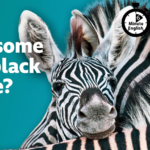
Why are some animals black and white? Neil Hello. This is 6 Minute English from BBC Learning English. I'm Neil. Becca And I'm Becca. Neil, what do the following animals have in common? Zebras, giant pandas and magpies. Neil That's pretty easy, Becca. They're all black and white. Becca Right! But do you know why these animals evolved to be black and white? Neil Hmm. I'm not so sure. Probably something about survival. Becca That's usually the answer, isn't it? Neil It is. Becca The animal world is full of colour – shiny blue peacocks and bright green frogs. But in fact, hundreds of animal species are black and white. In this episode, we'll try to find out why, while also learning some useful new words and phrases. Neil OK. Time for a question for you, Becca. According to one theory, some animals are black and white to warn potential predators that they're dangerous or they taste bad. But what is the scientific term for this? Is it: a) camouflage, b) mimicry, or c) aposematism? Becca Well, Neil, I'm going to go with c) just because I've never heard of that word before. Neil OK. I like... I like your style! Some scientists think zebras' distinctive black-and-white stripes prevent bites from flies and other insects. Zoologist Dr Martin How tested this theory by covering horses, a close relative of the zebra, in stripes. Here, Martin discusses his experiment with Caroline Steel from BBC World Service programme CrowdScience: Caroline Steel Do we know what it is about the stripes that's putting them off? Is it somehow, like, visually confusing? Dr Martin How We originally set out to test whether maybe there were these optical illusions at play, so we did a whole bunch of tests where we tried different patterns of rugs, but it turned out that practically every high-contrast pattern, every black and white pattern we used, almost every pattern was really effective at stopping flies. Becca Martin conducted a whole bunch of – meaning a lot of – tests using different colours and patterns. Black and white stripes created an optical illusion, a visual trick that makes your eyes see things differently from how they really are. As a result, the flies were put off. They lost interest and didn't bite. Neil So, zebras' stripes confuse insects, telling them to look elsewhere for food. But are there other reasons animals are black and white? Becca Nobody who's seen giant pandas in a zoo would find them hard to spot. Against a grassy background, they stand out easily. But seen from a distance in the snowy mountain forests where they live, black and white makes the perfect disguise. Neil Here's Professor Tim Caro, a world authority on animal behaviour, explaining more to Caroline Steel for BBC World Service's CrowdScience: Professor Tim Caro The giveaway for me was 15 photos of giant pandas, taken either fairly close up or at a distance, and in two of those photos, I was unable to see anything in the picture other than rocks and snow. And then later on, I realised that in fact there was a giant panda in the centre of that picture some distance away. Immediately that... that clicked in my mind. Becca The pandas were so well camouflaged Tim couldn't spot them in the photos. That's when something clicked in his mind – a phrase used when you suddenly understand something after trying for a long time. Neil Tim understood that pandas use colour to hide. He calls this a giveaway – something that makes it easy for people to discover something secret or unknown. Becca So, are animals black and white to repel insects, like zebras, or for camouflage, like pandas? Let's give the final word to Hannah Rowland, a researcher into another black and white animal – penguins. Hannah Rowland Really, science never has a black-and-white answer – excuse the pun – about the... with penguins being black and white. It's often a very complex mixture of reasons. Neil The answer to why animals are black and white is not black and white – a situation described as black and white means one where it's easy to understand what's right and wrong. Becca In fact, there's no one reason why animals are black and white. Zebras avoid bites, pandas hide from predators and some animals, like skunks, warn other animals they're dangerous. It all depends on the specific animal. Neil And talking of skunks reminds me of my question, Becca. According to one theory, some animals are black and white to warn potential predators they're dangerous or taste bad. But what is the scientific term? Becca And I chose c) aposematism because I'd never heard of it before. Neil Well, that's a great way of choosing. And it's done well for you because you're correct. 📝 字数限制,完整文本、词汇表、翻译及pdf见公众号【琐简英语】,回复1可加入【打卡交流群】

5分钟
2k+
1周前

Do you really know|为什么身体接触对我们的健康很重要?

英音听力|BBC & 经济学人等

Why is physical contact important for our health? When it comes to expressions about skin, the English language is not lacking. For example, we can be thick or thin-skinned, or have someone under our skin. To show indifference, we say, it's no skin off our noses. And when we get excited, we jump out of our skin. The sheer number of different idioms reflects the deep links the skin has with our brains. Sometimes these links are visible and give away our feelings, when we blush, go pale or get goose bumps. The same can be said for stress too, in the case of some skin conditions like eczema or psoriasis. Does it work the opposite way around too, with the skin sending information to the brain? It sure does. Holding hands, shaking hands, or hugging a loved one calms us down precisely because our skin is made up of nerve endings which are connected to the brain. There are 600,000 of these sensory captors in total. They detect vibrations, pressure, and other sensations. It's fair to say we are, by nature, tactile beings. How does touch affect health then? There are a number of virtues of what some experts call social touch or effective touch. Social distancing during the COVID-19 pandemic had a huge impact on people's mental health, and the lack of social touch may be partly behind it. It releases endorphins and therefore reduces pain. It also reduces blood pressure by bringing cortisol and stress levels down. It releases pleasure hormone dopamine and so-called love hormone oxytocin. These are just a few of the health benefits we can get. Studies have also shown that physical touch helps animals' brains to develop. And it's believed the same goes for human beings. So in the future, remember how powerful the impact of touch can be on your body, and try to introduce more of it into your life, of course remembering that consent is key, and that you need to respect other people's privacy spheres. There you have it. 词汇表 thick-skinned [θɪk skɪnd] adj. 厚脸皮的,感觉迟钝的 thin-skinned [θɪn skɪnd] adj. 脸皮薄的,敏感的 have someone under one's skin 惹某人心烦,惹恼某人 it's no skin off one's nose 与某人毫不相干,对某人无所谓 jump out of one's skin 欣喜若狂,大吃一惊 sheer number [ʃɪə] 数量之多,庞大数量 blush [blʌʃ] vi. 脸红,羞愧 pale [peɪl] adj. (脸色)苍白的,黯淡的 goose bumps [ɡuːs bʌmps] 鸡皮疙瘩 eczema [ˈeksɪmə] n. 湿疹 psoriasis [səˈraɪəsɪs] n. 牛皮癣,银屑病 nerve endings [nɜːv ˈendɪŋz] 神经末梢 sensory captors [ˈsensəri ˈkæptəz] 感觉接收器,感官捕捉器 vibration [vaɪˈbreɪʃən] n. 振动,颤动 sensation [senˈseɪʃən] n. 感觉,知觉,触觉 tactile beings [ˈtæktaɪl ˈbiːɪŋz] 触觉生物,喜欢触碰的生物 virtue [ˈvɜːtjuː] n. 益处,优点 social distancing [ˈdɪstənsɪŋ] 社交隔离,保持社交距离 endorphin [enˈdɔːfɪn] n. 内啡肽(能止痛和产生快感的激素) cortisol [ˈkɔːtɪsɒl] n. 皮质醇(压力激素) dopamine [ˈdəʊpəmiːn] n. 多巴胺(与快乐、奖赏相关的神经递质) oxytocin [ˌɒksɪˈtəʊsɪn] n. 催产素(与爱与亲密感相关的激素) consent [kənˈsent] n. 同意,准许 privacy spheres [ˈprɪvəsi sfɪəz] 个人空间,隐私领域 🪴翻译和pdf见公众号【琐简英语】,回复"1"可进入【打卡交流群】

2分钟
2k+
1周前

BBC随身英语|学历能带来更高的收入吗?

英音听力|BBC & 经济学人等

Degrees to make you rich What's the point of studying?! It's something you might ask yourself if you're studying for a degree and you're struggling to complete an assignment or sweating it out in an exam, especially if your friends seem to be out having a good time, or are working and earning lots of money. Many of us choose to go to university as a first step towards a good career but sometimes that career is hard to achieve and graduates end up doing something they are overqualified for. The Chartered Institute for Personnel and Development says that with the spiralling costs of university, students need to ask themselves whether a degree path is the best route into a career. It says there is a need for much better career advice and guidance, alongside high-quality alternative vocational routes into employment other than university education. But other new research commissioned for the BBC, says that a degree will, in the long run, earn you more. However, there are differences in your earning potential. Dr Jack Britton from the Institute for Fiscal Studies says that "Graduates of the 24 Russell Group universities earn an average of £33,500 after five years - about 40% more than those who studied at other universities." However, it found it's not just the location but other factors that can play a part in what you can earn, such as the subject a student chooses to study. It discovered that five years after graduation, the income gap between students who studied the subjects that attract the highest and lowest salaries can be considerable. Graduates in subjects such as law, medicine and dentistry tend to do well. And as they progress, the pay gap between these careers and others, such as the creative arts, widens. There are other factors too that influence what you might earn: Five years after graduation, men earn on average, 14% more than women. Also, a student's social background can have an effect, with those from better-off households much more likely to go to university and particularly a good one. But if you still feel university delivers the best opportunities then there are encouraging words from Alistair Jarvis, head of Universities UK, who told BBC News that "Employers are demanding more graduates... and graduates are half as likely to be unemployed as non-graduates. There are many many good graduate outcomes coming from universities." So maybe all that studying is worth it – after all 'no pain, no gain'! 词汇表 assignment [əˈsaɪnmənt] n. 作业,任务 sweat it out [swet] 如坐针毡地等待结束,苦熬 graduate [ˈɡrædʒuət] n. 毕业生 overqualified [ˌəʊvəˈkwɒlɪfaɪd] adj. 资历过高的,大材小用的 spiralling [ˈspaɪrəlɪŋ] adj. (价格等)急剧增长的,不断攀升的 vocational [vəʊˈkeɪʃənl] adj. 职业的,职业技术的 commission [kəˈmɪʃn] vt. 委托,委任 Russell Group [ˈrʌsl] 罗素大学集团(英国24所顶尖研究型大学的联盟) income gap [ˈɪnkʌm ɡæp] 收入差距 considerable [kənˈsɪdərəbl] adj. 相当大的,显著的,可观的 dentistry [ˈdentɪstri] n. 牙科学,牙医业 creative arts 创意艺术 better-off households 富裕家庭,家境较好的家庭 no pain, no gain 一分耕耘,一分收获,不劳无获 📖 翻译、pdf见公众号【琐简英语】,回复"1"可进【打卡交流群】

2分钟
3k+
1周前

BBC News|为什么亲近大自然能治愈我们?

英音听力|BBC & 经济学人等

Why getting out into nature can heal us Host: Well now, new research has provided some scientific backing to this, finding that simply observing or standing and staring at one thing in nature every day for two weeks can significantly boost our well-being, especially if we take the time to write down how we feel. James Coomarasamy went to a small park near London's Heathrow Airport to meet psychologist Dr Alison Greenwood, who runs a charity that promotes the mental health benefits of getting out into nature. James: Here we are. We're sitting in a very modest environment, small environment, but it is full of the patterns of nature. So tell us, what should we be looking at? What is it doing to us when we're out here? Alison: You're looking at the fractal patterns of nature. And fractals are self-repeating patterns. When we look at the fractal patterns of nature, it increases our alpha waves in our brains and alpha waves are an indicator of a wakefully relaxed state. James: These are the patterns that you only get in nature isn't it? Alison: Absolutely, you go on a walk you'll see the patterns on a leaf are very similar to the branches of a tree and they exist in very small bits of nature. They're also in the big bits of nature, so ocean waves, coastlines. And the very exciting thing about fractals is that they exist in us as well. If you look at the palm of your hand, you'll see the patterns on your hand quite similar to the patterns of the branches of a tree or on the back of a leaf. And it's just a lovely reminder that we're not like nature. We are nature. We're part of the same natural world, made up of the same natural fractals. Most people's favourite sound is water. And again, it's not too difficult to imagine why our brains respond so positively to something that is so much a sign of survival. Psychologists often call the fractal patterns of nature soft fascination. The impact on the autonomic nervous system, in terms of switching us from our sympathetic nervous activation, so that's our fight or flight processes, into our parasympathetic nervous activation, that's our rest-digest, is kind of instant when we go outside and there's that instant reaction physiologically that our body goes into. There's a lot of brilliant emerging science about when we feel that sense of awe and wonder in nature. One of the theories is a kind of construct of small self. So when we are under a huge starry sky or on top of a mountain, we can feel quite small. Now, I love this construct as a psychologist because we spend all of our time bigging people up. You are important. You do matter. And actually, in the natural world, quite often, we feel quite small and tiny and insignificant. And rather making us feel bad, it actually is quite reassuring. We're just this tiny little part of this natural world and it's okay. 词汇表 scientific backing 科学依据,科学支持 stand and stare 驻足凝视,停下来欣赏 modest [ˈmɒdɪst] adj. 朴素的,不大的 fractal pattern [ˈfræktl ˈpætn] 分形图案,分形模式(具有无穷尽复杂性和自相似性的图案,如蕨类植物和雪花) self-repeating [ˌself rɪˈpiːtɪŋ] adj. 自重复的 alpha wave [ˈælfə] n. α波,阿尔法波(人类大脑处于放松、平静、清醒状态时产生的一种脑电波) indicator [ˈɪndɪkeɪtə(r)] n. 指标,标志,迹象 wakefully relaxed state [ˈweɪkfəli] 清醒放松状态 palm [pɑːm] n. 手掌,手心 soft fascination [fæsɪˈneɪʃən] 柔和魅力,软性吸引(指自然环境对注意力的温和吸引) autonomic nervous system [ˌɔːtəˈnɒmɪk] 自主神经系统 sympathetic nervous activation [ˌsɪmpəˈθetɪk] n. 交感神经兴奋 fight or flight 战斗或逃跑反应(交感神经兴奋,身体处于应激状态) parasympathetic nervous activation [ˌpærəˌsɪmpəˈθetɪk] 副交感神经兴奋 rest-digest 休息与消化模式(副交感神经主导,身体处于放松、修复、消化吸收的状态) physiologically [ˌfɪziəˈlɒdʒɪkli] adv. 生理上地,生理学地 sense of awe and wonder [ɔː] 敬畏与惊奇之感 construct [kənˈstrʌkt] n. 概念,构想,构建 small self 小我(指在宏大自然面前感到自我渺小的心理状态) big someone up 鼓励,打气,吹捧 insignificant [ˌɪnsɪɡˈnɪfɪkənt] adj. 微不足道的,无足轻重的 reassuring [ˌriːəˈʃʊərɪŋ] adj. 令人安心的,带来慰藉的 🌟翻译,pdf及更多文本内容见公众号【琐简英语】,回复"1"可加入【打卡交流群】

2分钟
3k+
1周前

Do you really know|如何与你爱的人好好吵架?

英音听力|BBC & 经济学人等

How to argue well with someone you love Whether it starts over a sock left on the floor or a political debate that erupts a little too early at the holiday table, conflict is a part of life. It's not that we argue all the time. It's that these moments can stick with us. Sometimes they clear the air and help us grow. Sometimes they shut us down and leave resentment simmering for years. So it's worth knowing how to argue well. What actually makes something an argument? For starters, we don't really argue with strangers. Sure, voices can rise in traffic, but those clashes are more like letting off steam, lots of grumbling, zero emotional stakes. A genuine argument involves feelings. When there's love in a friendship, family, or romantic relationship, there are bonds, expectations, and vulnerability. Psychiatrist Christophe André describes it this way. In an argument, we stop listening and focus on unloading our frustration and pointing out the other person's faults. In a simple discussion, we want to be right without doing damage. In a true dialogue, we listen because we're trying to reach an understanding or compromise. An argument, he says, is just a conflict that slipped out of control. And while dialogue is ideal, real life means that emotions sometimes take the wheel. Do we really need to tell our loved ones everything? Not always. Being sincere isn't the same as saying every thought out loud. Our emotions are often raw, shifting or distorted by stress and fatigue. Telling the truth is important, but dumping unfiltered feelings onto someone else is more about venting than sharing. That's why some things should be expressed thoughtfully. Boundaries, hurt feelings, misunderstandings and assumptions about shared values. Those help preserve the relationship rather than burdening it. Therapists Nicole and Bernard Priaulx, authors of Arguing Well, describe conflict as a four-step dance. Incubation, explosion, unravelling and resolution. And that last stage matters most. Once the storm passes, we can finally name the deeper issue that was present from the start but couldn't be voiced in the heat of the moment. Can arguing be a sign of love? In a way, yes. Speaking up about what hurts can show investment and care. It means people want the relationship to work, but there's no need to romanticise conflict. Arguing often proves nothing on its own. What matters is how we argue. Do we listen? Do we apologise? Do we show respect? Disagreement should never justify verbal or physical abuse, humiliation or contempt. There you have it. 词汇表 erupt [ɪˈrʌpt] vi. (情感)爆发,突然发生 clear the air 消除误会,澄清事实 shut someone down 使某人沉默,封闭内心 resentment [rɪˈzentmənt] n. 怨恨,愤恨 simmer [ˈsɪmə(r)] vi. (难以控制的感情)酝酿,积聚 for starters 首先,第一点 clash [klæʃ] n. 冲突,争论 let off steam [stiːm] 发泄情绪,释放压力 grumbling [ˈɡrʌmblɪŋ] n. 牢骚,抱怨 emotional stakes [steɪks] 情感投入,情感纠葛 bond [bɒnd] n. 纽带,联系,羁绊 vulnerability [ˌvʌlnərəˈbɪləti] n. 脆弱,弱点 unload [ˌʌnˈləʊd] vt. 倾诉,吐露(情感、烦恼) slip out of control [slɪp] 失控 take the wheel [wiːl] 掌控,主导,占上风 raw [rɔː] adj. (感情)强烈的,不掩饰的,未经思考的 shifting [ˈʃɪftɪŋ] adj. 多变的,不断变化的 distort [dɪˈstɔːt] vt. 扭曲,使变形 dump something on someone [dʌmp] 向某人倾诉,吐槽,倒苦水 unfiltered feelings [ʌnˈfɪltəd] 未经筛选的感受,直白的感受 vent [vent] v. 发泄,吐露(负面情绪) thoughtfully [ˈθɔːtfəli] adv. 深思熟虑地,体贴地 assumption [əˈsʌmpʃn] n. 假定,假设,设想 incubation [ˌɪŋkjuˈbeɪʃn] n. 酝酿,潜伏期 unravelling [ʌnˈrævəlɪŋ] n. 梳理,阐明,解决 resolution [ˌrezəˈluːʃn] n. 解决,和解 in the heat of the moment 一时激动之下,在情绪激动时 romanticise [rəʊˈmæntɪsaɪz] vt. 使浪漫化,美化 verbal / physical abuse [ˈvɜːbl][əˈbjuːs] 言语/肢体暴力,语言/身体虐待 humiliation [hjuːˌmɪliˈeɪʃn] n. 羞辱,蒙羞,丢脸 contempt [kənˈtempt] n. 轻视,蔑视 🪴翻译和pdf见公众号【琐简英语】,回复"1"可进入【打卡交流群】

2分钟
2k+
2周前

BBC Media|接吻在进化史上的起源是什么?

英音听力|BBC & 经济学人等

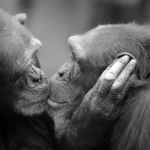
What are the evolutionary origins of kissing? Humans do it, chimpanzees do it, even polar bears do it. And now a study has shown that kissing likely evolved about 21 and a half million years ago. The mouth-on-mouth kiss is actually something of a biological puzzle, with no obvious survival or reproductive benefits, so the Oxford University-led team gathered evidence of animals that kiss each other on the mouth and worked out their evolutionary relationship to each other and to humans. This revealed that kissing probably evolved in the last common ape ancestor of humans, chimps and bonobos. The study suggested that Neanderthals probably kissed too, and that they may have smooched with modern humans when the two species lived alongside each other. The researchers hope that the insight will encourage more scientists to gather data that could finally help solve the evolutionary mystery of why we and many other animals kiss. 词汇表 chimpanzee [ˌtʃɪmpænˈziː] n. 黑猩猩 mouth-on-mouth adj. 嘴对嘴的,口对口的 biological puzzle [ˌbaɪəˈlɒdʒɪkl ˈpʌzl] 生物学谜题 reproductive [ˌriːprəˈdʌktɪv] adj. 繁殖的,生殖的 ape ancestor [ˈeɪp ˈænsestə(r)] 猿类祖先,类人猿祖先 chimp [tʃɪmp] n. 黑猩猩(同chimpanzee) bonobo [ˈbɒnəbəʊ] n. 倭黑猩猩 Neanderthal [niˈændətɑːl] n. 尼安德特人(居住在欧洲及西亚的古人类) smooch [smuːtʃ] vi. 接吻,拥吻 insight [ˈɪnsaɪt] n. 发现,洞察,深刻见解 evolutionary [ˌiːvəˈluːʃənri] adj. 进化的,演变的 🗒️翻译和pdf见公众号【琐简英语】,回复1可加入【打卡交流群】
0分钟
2k+
2周前

BBC随身英语|人类可能拥有33种感官吗?

英音听力|BBC & 经济学人等

Could humans have 33 senses? Many of us grew up learning that humans have five senses: sight, hearing, taste, smell and touch – an idea dating back to the Ancient Greek philosopher Aristotle. But what if this list is incomplete? A sense is anything that can give your body information about the outside world, and some of these don't neatly fit into the traditional five. Modern scientists estimate there may be up to 33 different senses. One sense that doesn't fit into one of the five boxes is proprioception. This is the sense of where your body parts are in space. Thanks to this sense, you can touch your nose with your eyes closed and walk around in the dark – you know where your legs are without looking. Then there's interoception which helps you sense things inside your body, like hunger and an increased heart rate. And don't take your sense of balance for granted. Balance relies on fluid in your inner ear to help you stay upright – this is what's called vestibular perception. And the traditional five senses might not be as simple as they seem. Touch, the sense we associate with our hands and tactile sensations, also encompasses the sensation of pain, temperature and itch. To perceive the flavours in food and drink, you need a combination of taste, smell and touch to get the full experience – it's not all about the taste buds on your tongue! It is actually smell that contributes most of what we perceive as taste, so when a person suffers olfactory loss, they often can't enjoy food as much, according to a 2022 study published in Foods by Fjaeldstad and Smith. Until recently, philosophers and scientists have studied each of the traditional five senses in isolation, but researchers at the University of London's Centre for the Study of the Senses have more of a multisensory approach – the senses are all working together to create an overall picture. In their 'Rethinking the Senses' project, they found that our perception of salt, sweet and sour flavours is reduced when there is white noise, but our perception of umami is not. This means that sound can enhance flavour, and that umami-rich foods like tomato juice might taste better on a plane. So, perhaps humans are far more sensory creatures than Aristotle ever imagined. From balance and body awareness to the way sound can change flavour, our senses are constantly working together in ways we rarely notice. 词汇表 five senses [ˈsensɪz] 五种感官,五感 proprioception [ˌprəʊpriəˈsepʃn] n. 本体感觉(感知身体各部位在空间中的位置) interoception [ˌɪntərəʊˈsepʃn] n. 内感受(感知身体内部的状态) take something for granted [ˈɡrɑːntɪd] 视某事为理所当然 fluid [ˈfluːɪd] n. 液体,流体;adj. 流动的 inner ear 内耳(控制身体平衡和听力) stay upright [ʌpˈraɪt] 保持直立,保持平衡,站稳 vestibular perception [veˈstɪbjələ(r) pəˈsepʃn] 前庭觉(对平衡和空间定向的感知) tactile sensation [ˈtæktaɪl senˈseɪʃn] 触感,触觉 encompass [ɪnˈkʌmpəs] vt. 包含,包括,涵盖 itch [ɪtʃ] n. 痒;vi. 发痒 flavour [ˈfleɪvə(r)] n. 味道,风味 taste bud [bʌd] 味蕾 olfactory loss [ɒlˈfæktəri lɒs] 嗅觉丧失 in isolation [ˌaɪsəˈleɪʃn] 孤立地,单独地 multisensory [ˌmʌltiˈsensəri] adj. 多感官的,多感觉的 white noise 白噪音 umami [uˈmɑːmi] n. (食物的)鲜味 sensory [ˈsensəri] adj. 感官的,感觉的 📖 翻译、pdf见公众号【琐简英语】,回复"1"可进【打卡交流群】

2分钟
2k+
2周前

加入我们的 Discord

与播客爱好者一起交流

立即加入

扫描微信二维码

添加微信好友,获取更多播客资讯

微信二维码

播放列表

自动播放下一个

播放列表还是空的

去找些喜欢的节目添加进来吧