主播
节目简介
来源:小宇宙
How to scientifically spot a genuine smile
They're not the same, are they? The smiles you see when you meet your friends and family compared with what you see from salespeople trying to get you to buy something or management consultants pretending that the bad news they're giving you is actually good news. How can we tell that someone really means it when they're smiling?
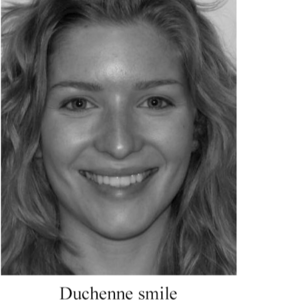
There are physical differences between types of smiles. 19th Century French neurologist, Guillaume Duchenne, spotted that there are two sets of muscles that are used for smiling. Unsurprisingly, one set of muscles moves the corners of your mouth. The other tightens the skin around your eyes. He noticed that only genuine smiles triggered the muscles around the eyes, leading a real smile to be named a Duchenne smile.
Later research suggests that there are two pathways to triggering these sets of muscles. Those that are around the mouth can be set off voluntarily, while those around the eyes are triggered involuntarily and almost always by our emotions.
A genuine smile has certain physical signs. Typically, if a smile is real, then people's cheeks are pulled up, the skin under their eyes bulges, and crow's feet can be seen at the corners of their eyes.
Smiles that aren't genuine often disappear suddenly rather than fading gradually. These fake smiles are not caused by emotions, but they can get mixed with signs of the emotions that someone is genuinely feeling, like a wrinkled forehead caused by worry.
Even ten-month-old-babies have shown that they can identify a real smile. It may be that we have evolved to spot genuine emotion. There's clearly a benefit in being able to identify who to trust, and who may be trying to deceive us.
That's not to say that fake smiles are always a problem. They can help to smooth over difficult situations and maintain politeness. But there are times when it's good to know that a smile really means something.
词汇表
salespeople [ˈseɪlzˌpiːp(ə)l] n. 售货员,推销员(salesperson的复数)
management consultant [kənˈsʌltənt] 管理顾问,经营顾问
neurologist [njʊəˈrɒlədʒɪst] n. 神经学家,神经科医生
spot [spɒt] vt. 发现,认出,注意到
two sets of muscles [ˈmʌs(ə)lz] 两组肌肉
genuine [ˈdʒenjuɪn] adj. 真诚的,真实的,真心的
trigger [ˈtrɪɡə(r)] vt. 触发,引起,牵动
Duchenne smile [djuːˈʃen] 迪谢纳微笑(真心微笑,涉及眼周肌肉的牵动)
pathway [ˈpɑːθweɪ] n. (神经)通路,路径
voluntarily [ˈvɒləntrəli] adv. 自发地,有意识地
involuntarily [ɪnˈvɒləntrəli] adv. 不由自主地,无意识地
cheek [tʃiːk] n. 脸颊,面颊
pull up 使上扬,拉起,提起
bulge [bʌldʒ] vi. 鼓起,凸出,膨胀
crow's feet [ˈkrəʊz fiːt] n. 鱼尾纹(眼角的皱纹)
wrinkled [ˈrɪŋk(ə)ld] adj. 有皱纹的,起皱的
forehead [ˈfɔːhed] n. 额头,前额
evolve [ɪˈvɒlv] vi. 进化,演变,逐步发展
deceive [dɪˈsiːv] vt. 欺骗,蒙骗
smooth over 缓和,调解,平息(矛盾或情绪)
📖 翻译、pdf见公众号【琐简英语】,回复"1"可进【打卡交流群】
They're not the same, are they? The smiles you see when you meet your friends and family compared with what you see from salespeople trying to get you to buy something or management consultants pretending that the bad news they're giving you is actually good news. How can we tell that someone really means it when they're smiling?
There are physical differences between types of smiles. 19th Century French neurologist, Guillaume Duchenne, spotted that there are two sets of muscles that are used for smiling. Unsurprisingly, one set of muscles moves the corners of your mouth. The other tightens the skin around your eyes. He noticed that only genuine smiles triggered the muscles around the eyes, leading a real smile to be named a Duchenne smile.
Later research suggests that there are two pathways to triggering these sets of muscles. Those that are around the mouth can be set off voluntarily, while those around the eyes are triggered involuntarily and almost always by our emotions.
A genuine smile has certain physical signs. Typically, if a smile is real, then people's cheeks are pulled up, the skin under their eyes bulges, and crow's feet can be seen at the corners of their eyes.
Smiles that aren't genuine often disappear suddenly rather than fading gradually. These fake smiles are not caused by emotions, but they can get mixed with signs of the emotions that someone is genuinely feeling, like a wrinkled forehead caused by worry.
Even ten-month-old-babies have shown that they can identify a real smile. It may be that we have evolved to spot genuine emotion. There's clearly a benefit in being able to identify who to trust, and who may be trying to deceive us.
That's not to say that fake smiles are always a problem. They can help to smooth over difficult situations and maintain politeness. But there are times when it's good to know that a smile really means something.
词汇表
salespeople [ˈseɪlzˌpiːp(ə)l] n. 售货员,推销员(salesperson的复数)
management consultant [kənˈsʌltənt] 管理顾问,经营顾问
neurologist [njʊəˈrɒlədʒɪst] n. 神经学家,神经科医生
spot [spɒt] vt. 发现,认出,注意到
two sets of muscles [ˈmʌs(ə)lz] 两组肌肉
genuine [ˈdʒenjuɪn] adj. 真诚的,真实的,真心的
trigger [ˈtrɪɡə(r)] vt. 触发,引起,牵动
Duchenne smile [djuːˈʃen] 迪谢纳微笑(真心微笑,涉及眼周肌肉的牵动)
pathway [ˈpɑːθweɪ] n. (神经)通路,路径
voluntarily [ˈvɒləntrəli] adv. 自发地,有意识地
involuntarily [ɪnˈvɒləntrəli] adv. 不由自主地,无意识地
cheek [tʃiːk] n. 脸颊,面颊
pull up 使上扬,拉起,提起
bulge [bʌldʒ] vi. 鼓起,凸出,膨胀
crow's feet [ˈkrəʊz fiːt] n. 鱼尾纹(眼角的皱纹)
wrinkled [ˈrɪŋk(ə)ld] adj. 有皱纹的,起皱的
forehead [ˈfɔːhed] n. 额头,前额
evolve [ɪˈvɒlv] vi. 进化,演变,逐步发展
deceive [dɪˈsiːv] vt. 欺骗,蒙骗
smooth over 缓和,调解,平息(矛盾或情绪)
📖 翻译、pdf见公众号【琐简英语】,回复"1"可进【打卡交流群】
小宇宙热评
yy不二
5个月前
四川
0
1
yy不二
5个月前
四川
0
1
yy不二
5个月前
四川
0
1

外观